
 Hartono Sudibyo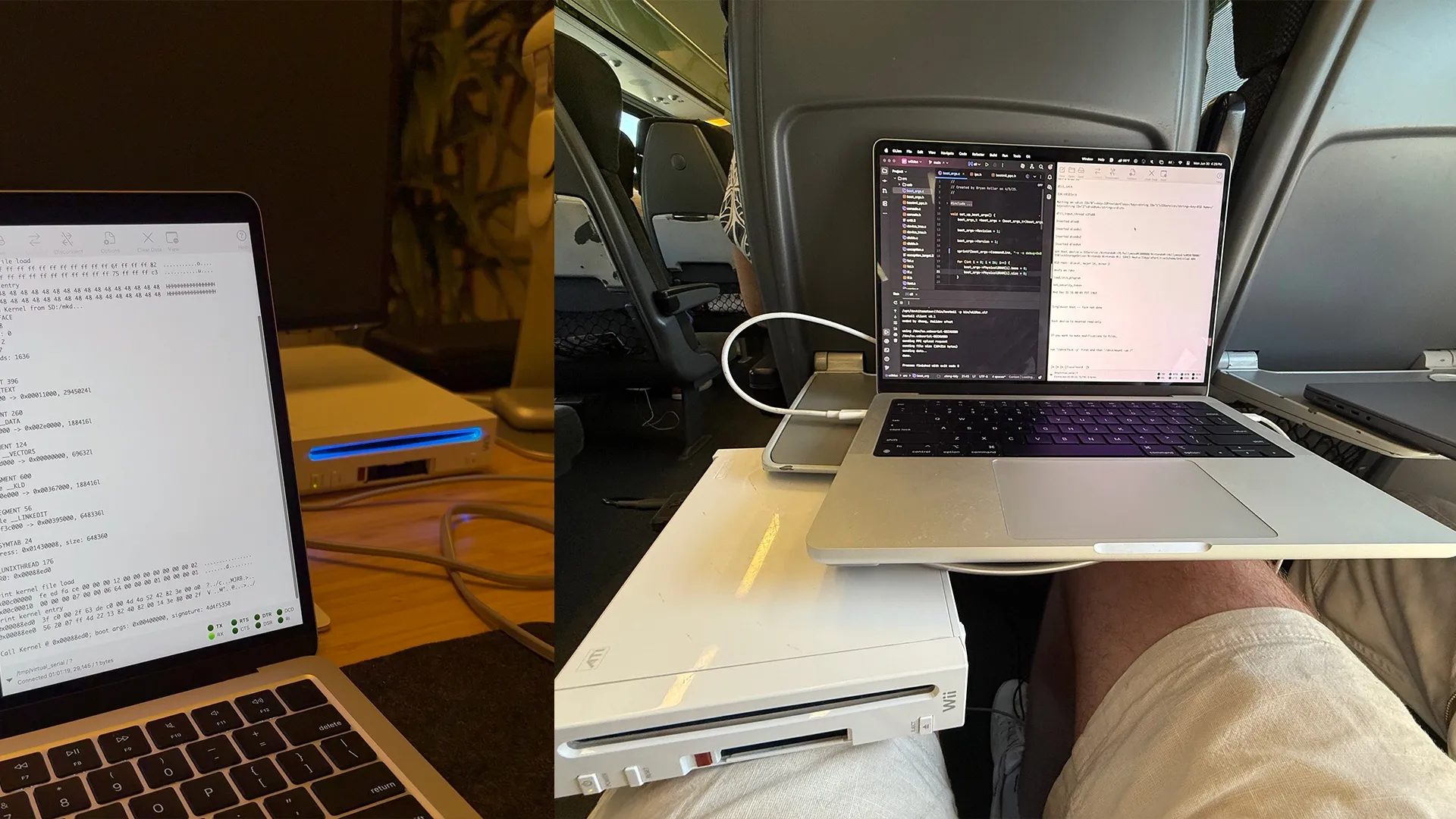
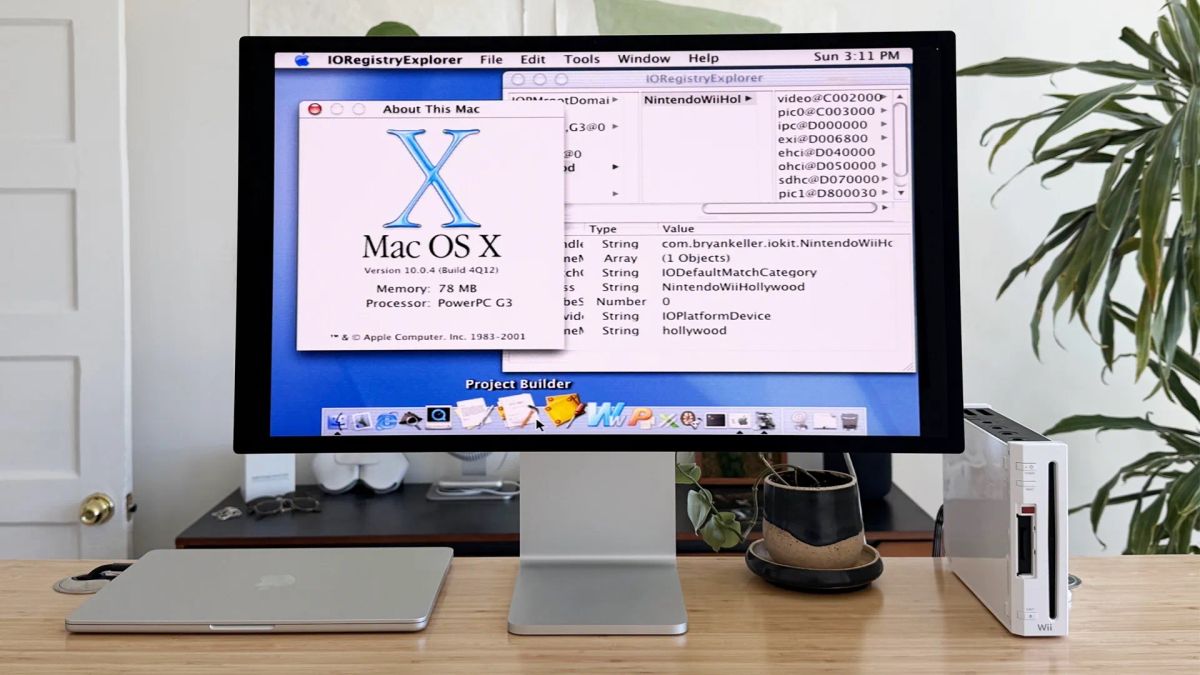
In a remarkable feat of retro-computing ingenuity, a dedicated modder has successfully ported Mac OS X Cheetah, the iconic operating system released by Apple in 2001, to the Nintendo Wii, a gaming console launched in 2006. This groundbreaking achievement, documented by independent retro computing enthusiast Bryan Keller, represents a significant milestone in the ongoing exploration of repurposing older hardware for unexpected functionalities. The port, which targets the earliest iteration of Mac OS X, offers a glimpse into a unique convergence of two distinct technological eras, challenging previous assumptions about the Wii’s capabilities beyond its intended gaming purpose.
The Genesis of an Unlikely Partnership
The Nintendo Wii, a household name in the mid-2000s, was lauded for its innovative motion controls and accessible gaming library. However, the console’s underlying architecture, while powerful for its time, was not designed to host complex desktop operating systems. Historically, the Wii has seen various unofficial operating system ports, including Linux and NetBSD, showcasing the dedication of the homebrew community. The prospect of running Mac OS X, a system known for its resource demands and proprietary nature, on such hardware was widely considered a formidable, if not impossible, challenge.
Bryan Keller, the modder behind this ambitious project, embarked on this endeavor with a deep dive into the technical feasibility. His research meticulously addressed fundamental questions: Did the Nintendo Wii possess the requisite processing power, Random Access Memory (RAM), and storage capacity to even initialize Mac OS X Cheetah? Furthermore, could the intricate software stack of macOS be adapted and integrated into the Wii’s unique hardware environment? The documentation of his journey highlights the extensive technical investigation required before any code could even be compiled for the target platform.
A Grueling Development Journey
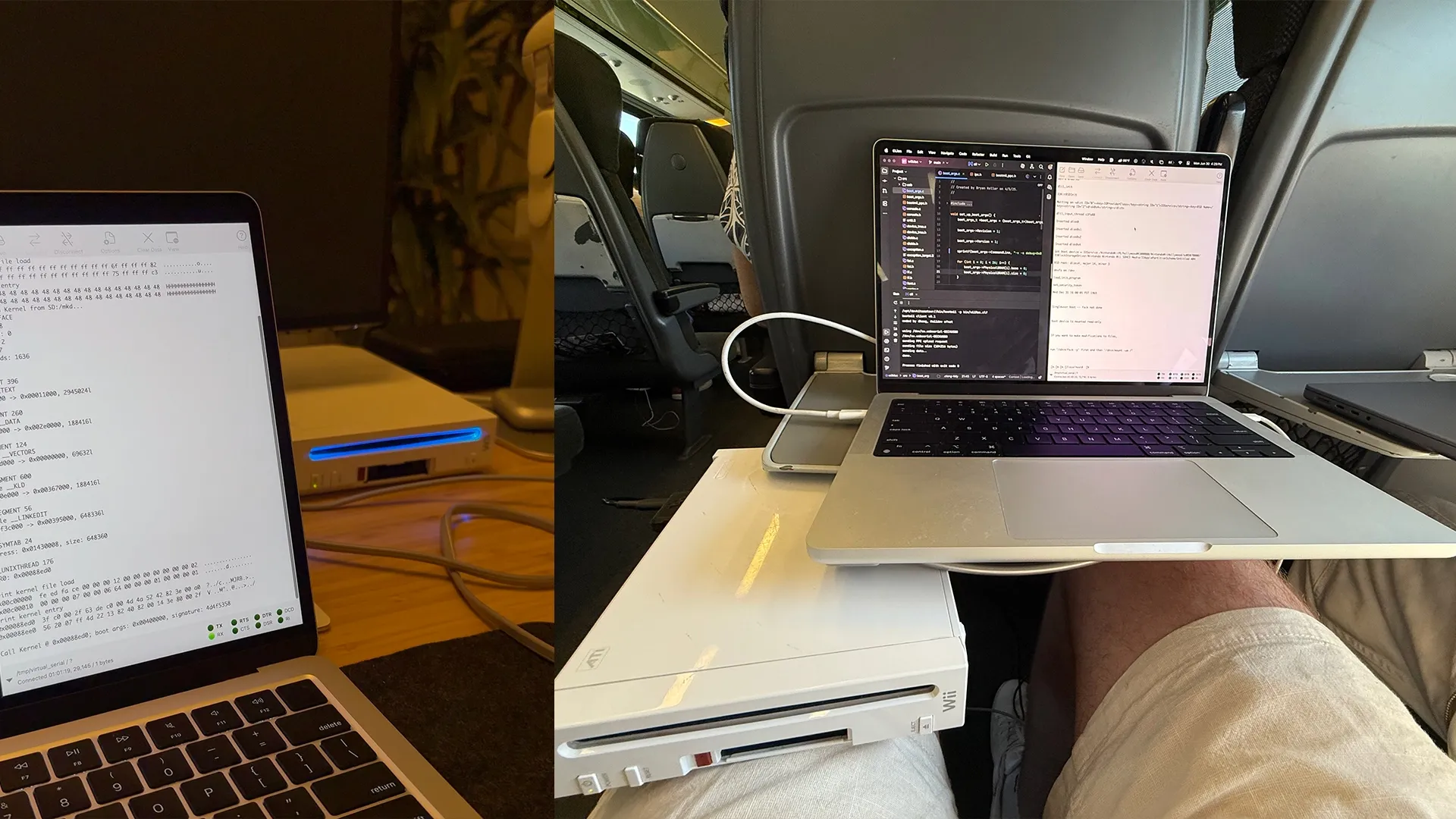
The path to a functional Mac OS X port on the Wii was far from straightforward. Keller’s detailed account reveals a protracted process characterized by intensive bug-fixing, late-night coding sessions, and even modding efforts undertaken during air travel, underscoring the dedication and persistence involved. The core difficulty lay in the software port itself, which demanded a sophisticated understanding of both macOS internals and the Wii’s system architecture.
Keller’s technical exposition, while complex, illustrates the sheer magnitude of the undertaking. The process involved navigating low-level hardware interactions, memory management, and driver development – areas that require specialized knowledge often beyond the scope of casual enthusiasts. At one point during his testing, Keller narrowly avoided rendering his Nintendo Wii unusable when attempting to boot the operating system from a USB drive, a testament to the delicate and experimental nature of the project. This near-catastrophe underscores the inherent risks associated with pushing hardware beyond its intended operational parameters.

The Unveiling of a Working Prototype
Despite the numerous hurdles, Bryan Keller has successfully brought an early, functional prototype of Mac OS X Cheetah to life on original Nintendo Wii hardware. This achievement allows enthusiasts to experience a seminal piece of Apple’s computing history on a completely unexpected platform. While the current iteration of the port is still a work in progress, it represents a significant breakthrough.
One of the primary limitations identified in the current build is the absence of sound output. This omission signifies that further development is required to enable full functionality. The process of integrating audio drivers and ensuring compatibility with the Wii’s sound hardware will likely present another substantial challenge for Keller, should he choose to pursue it. Nevertheless, the mere fact that Mac OS X is booting and performing basic operations on a Wii is a remarkable accomplishment in itself.
Technical Underpinnings and Requirements
For those interested in exploring this unique fusion of technologies, Bryan Keller has made the disk image of Mac OS X 10.0.4 Cheetah for the Nintendo Wii available for download. The project’s prerequisites are stringent, requiring users to possess a software-modified Wii console capable of running BootMii, a powerful bootloader that enables more advanced homebrew applications. It is important to note that the Wii Mini, a later and more compact revision of the console, is not supported by this port due to hardware differences.
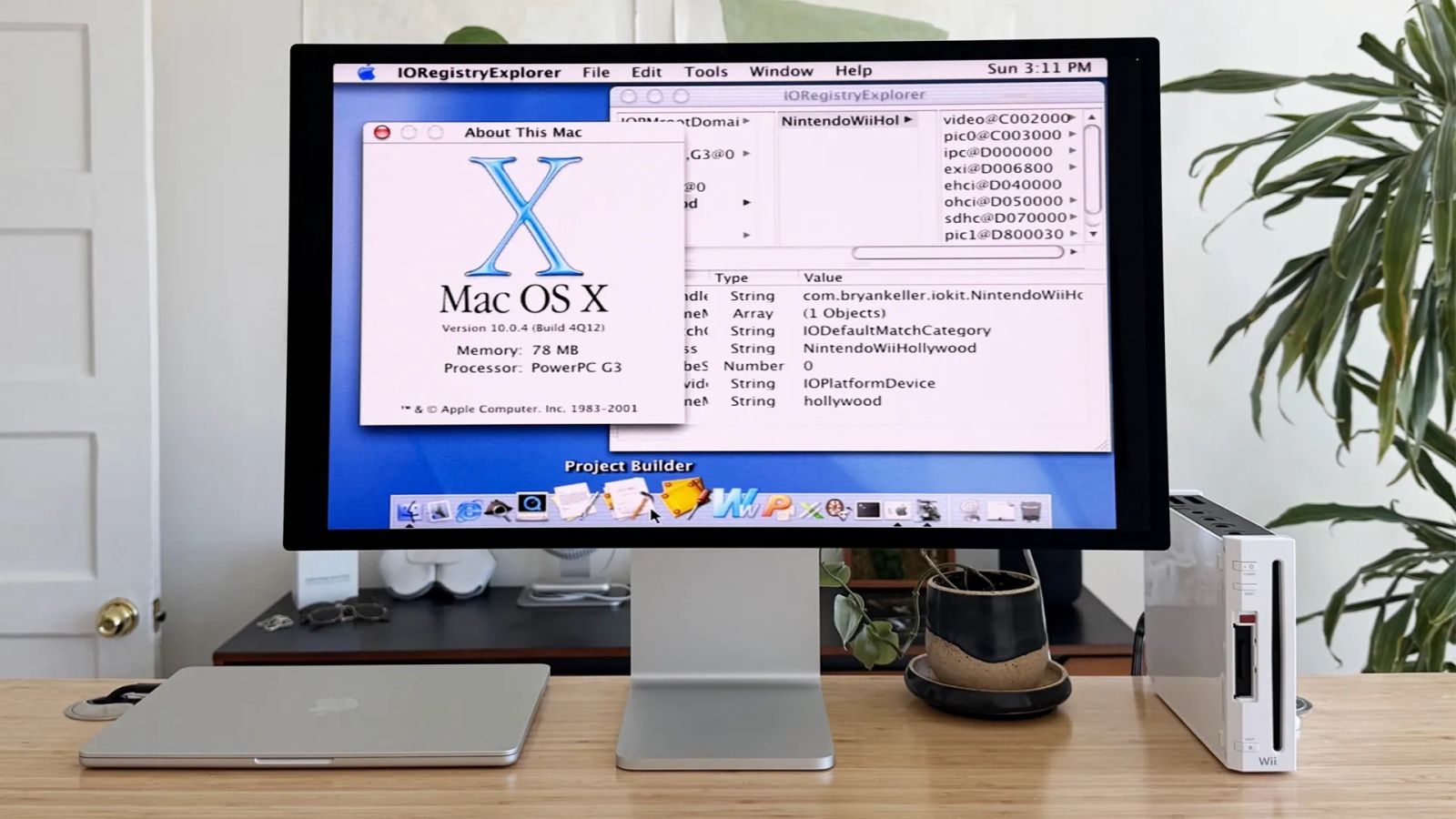
The technical specifications of Mac OS X Cheetah are noteworthy in the context of this port. Released on March 24, 2001, Cheetah was the first major release of Mac OS X, based on the Darwin kernel and featuring the Aqua graphical user interface. It required a minimum of 128 MB of RAM and approximately 1.5 GB of hard drive space for installation. The Nintendo Wii, on the other hand, features a 729 MHz IBM "Broadway" CPU, 24 MB of main RAM, and 3 MB of VRAM. The Wii’s storage capabilities are typically managed through SD cards or USB devices. The successful adaptation of Mac OS X, a system designed for significantly more powerful hardware, speaks volumes about Keller’s optimization efforts and understanding of the Wii’s limitations.
Historical Context and Broader Implications
The porting of Mac OS X to the Wii is not merely a novelty; it taps into a broader cultural and technological trend of retro-computing and hardware preservation. In an era dominated by rapid technological advancement, there is a growing appreciation for the machines of the past and the ingenuity that went into their creation. Projects like Keller’s not only celebrate these older technologies but also push the boundaries of what is considered possible with them.
Furthermore, this achievement sheds light on the often-underestimated capabilities of aging consumer electronics. The Wii, despite its age, possesses a versatile hardware base that, when combined with dedicated expertise, can be coaxed into performing tasks far beyond its original design brief. This could inspire further exploration of other "legacy" hardware platforms for unconventional uses, potentially contributing to the longevity and continued relevance of these devices.
The success of this port also implicitly highlights the evolution of operating system design. Mac OS X Cheetah, while revolutionary for its time, was a precursor to the sophisticated and resource-intensive macOS we know today. Seeing it run on the Wii provides a tangible reference point for appreciating the dramatic advancements in both hardware and software over the past two decades. It underscores the continuous effort within the tech industry to optimize performance, enhance features, and manage resources more effectively.
Community Reaction and Future Prospects
While official statements from Apple or Nintendo regarding this specific homebrew project are unlikely, the retro-computing community has historically embraced such endeavors. The ability to run a beloved operating system on an unexpected console often sparks discussion, admiration, and further experimentation. The shared passion for preserving and repurposing vintage technology fosters a collaborative environment where such complex projects can be shared and celebrated.
The future of this specific port remains to be seen. Bryan Keller’s commitment to further development, particularly in addressing the sound output issue, will determine the ultimate functionality of Mac OS X on the Wii. However, even in its current state, the project stands as a testament to the power of human curiosity, technical skill, and the enduring appeal of retro technology. It serves as a reminder that innovation can emerge from the most unexpected corners of the technological landscape, pushing the boundaries of what we believe is achievable with the hardware of yesteryear. The successful integration of Mac OS X Cheetah on the Nintendo Wii is more than just a technical achievement; it is a celebration of digital heritage and a testament to the boundless creativity of the tech community.








