Hartono Sudibyo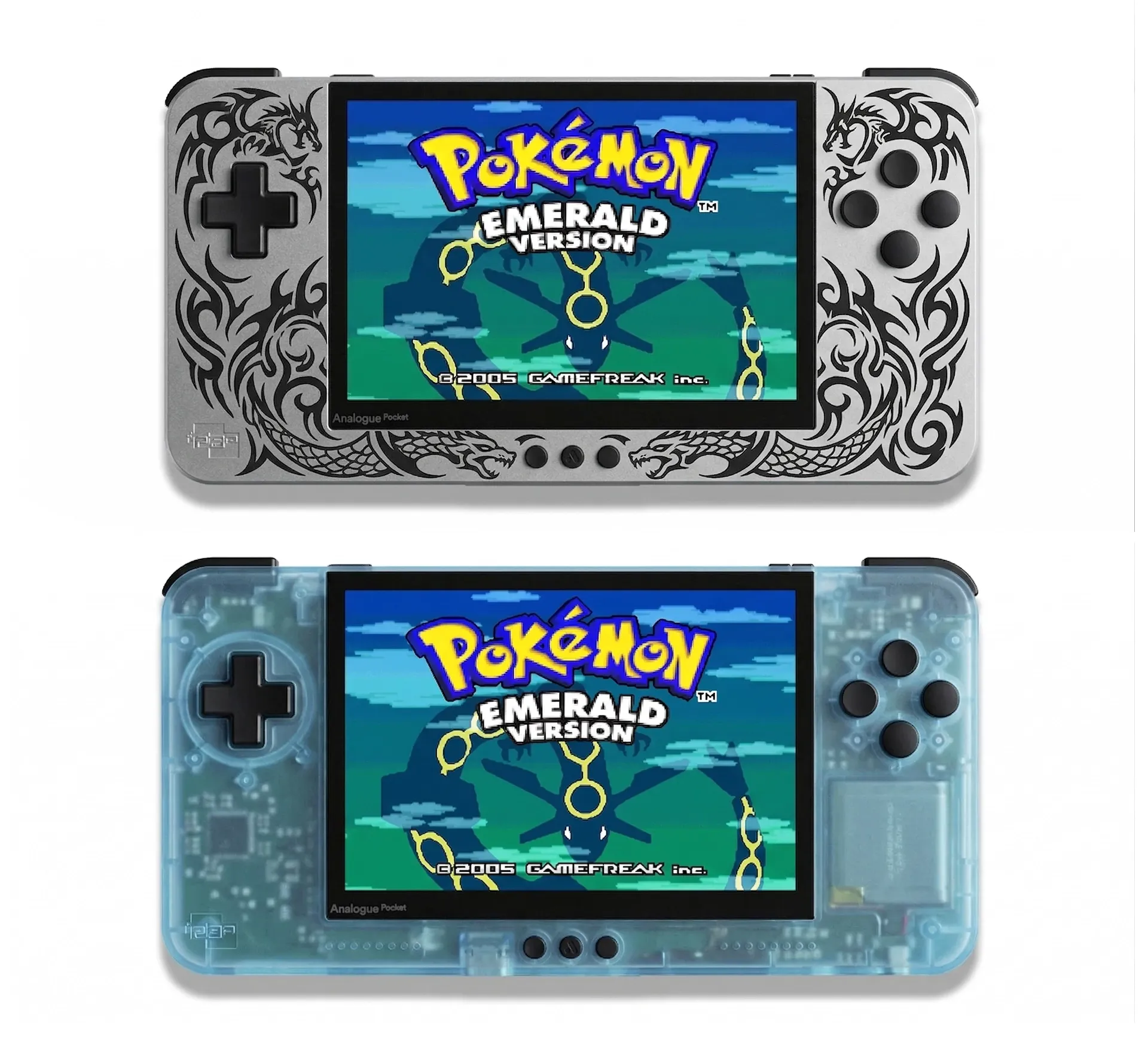
The landscape of retro gaming hardware is experiencing a significant resurgence, marked by fierce competition between established players and emerging innovators. At the forefront of this revival are Analogue, a company known for its high-fidelity retro consoles, and ModRetro, a challenger rapidly making its mark. The recent releases and ongoing developments from both firms signal a new era for enthusiasts seeking modern interpretations of classic gaming experiences, with a particular focus on the Game Boy Advance (GBA) and Nintendo 64 (N64) platforms. This evolving market dynamic suggests a potential race to capture the affections of a discerning and passionate consumer base.
Analogue Pocket: A Benchmark in Modern Retro Gaming
The Analogue Pocket, first announced in 2019 and released in 2021, has become a cornerstone of Analogue’s product line and a significant contributor to the company’s prominence in the retro gaming community. Praised for its exceptional build quality, the Pocket features a crisp, high-resolution display that significantly enhances the visual experience of Game Boy and Game Boy Color titles. Its minimalist user interface prioritizes immersion, allowing players to focus on the games themselves. Industry observers widely regard the Pocket as Analogue’s most successful product to date, a sentiment echoed by its widespread adoption and positive reception among retro gaming aficionados. Its success has not only solidified Analogue’s position but also set a high bar for the fidelity and user experience expected from modern retro hardware.
Analogue 3D: Elevating the Nintendo 64 Experience
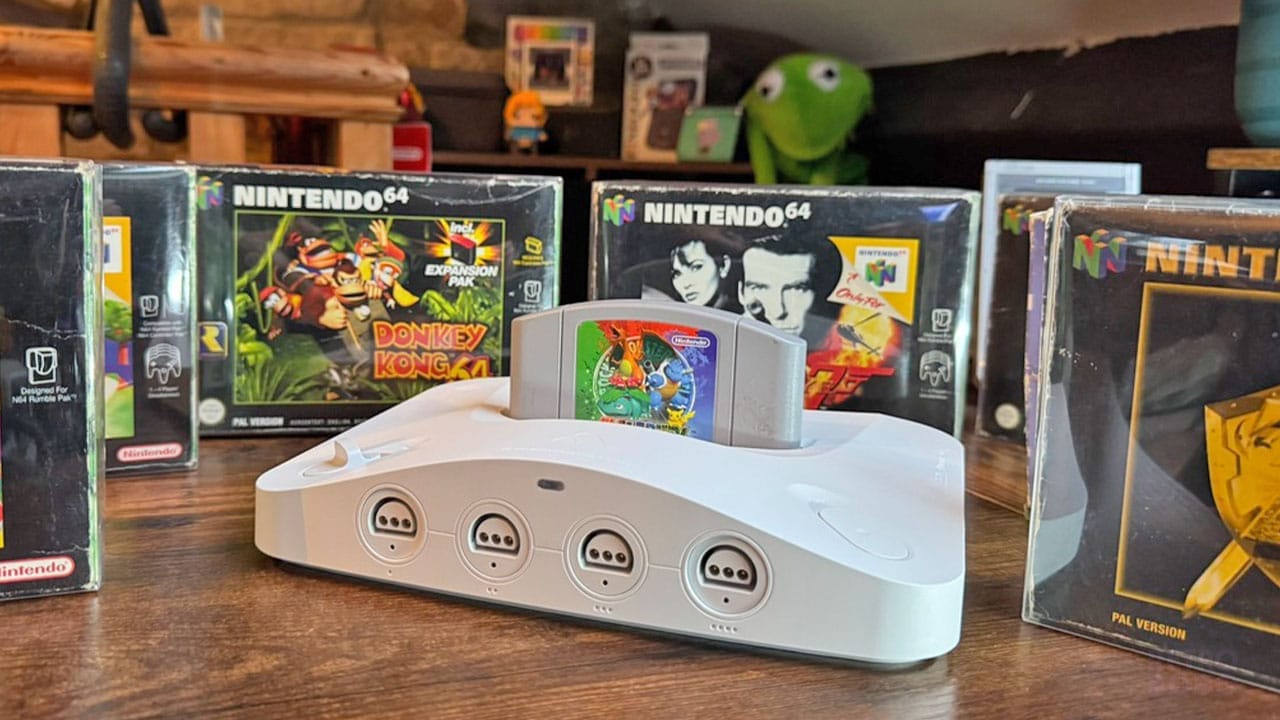
Following the success of the Pocket, Analogue introduced the Analogue 3D, a console designed to bring Nintendo 64 games into the modern era. This device has been met with continuous updates, providing users with opportunities to refine and enhance their gaming experience. The Analogue 3D has been lauded for its pioneering approach to N64 emulation, effectively delivering classic titles with improved performance and visual clarity. While still subject to ongoing development, including the anticipated introduction of wireless update capabilities, Analogue has demonstrated a clear commitment to pushing the boundaries of retro console remakes. Its early entry into the N64 market has given it a considerable advantage over potential competitors, allowing it to establish a strong foothold and gather valuable user feedback.
The Competitive Arena: ModRetro Enters the Fray
The competitive landscape has intensified with the emergence of ModRetro. The company released its Chromatic handheld in late 2024, a device that garnered attention for its premium metal construction and a unique display designed to meticulously replicate the original Game Boy Color’s aesthetic. This move positioned ModRetro as a direct competitor to Analogue in the Game Boy Color emulation space, offering a distinct alternative for consumers.
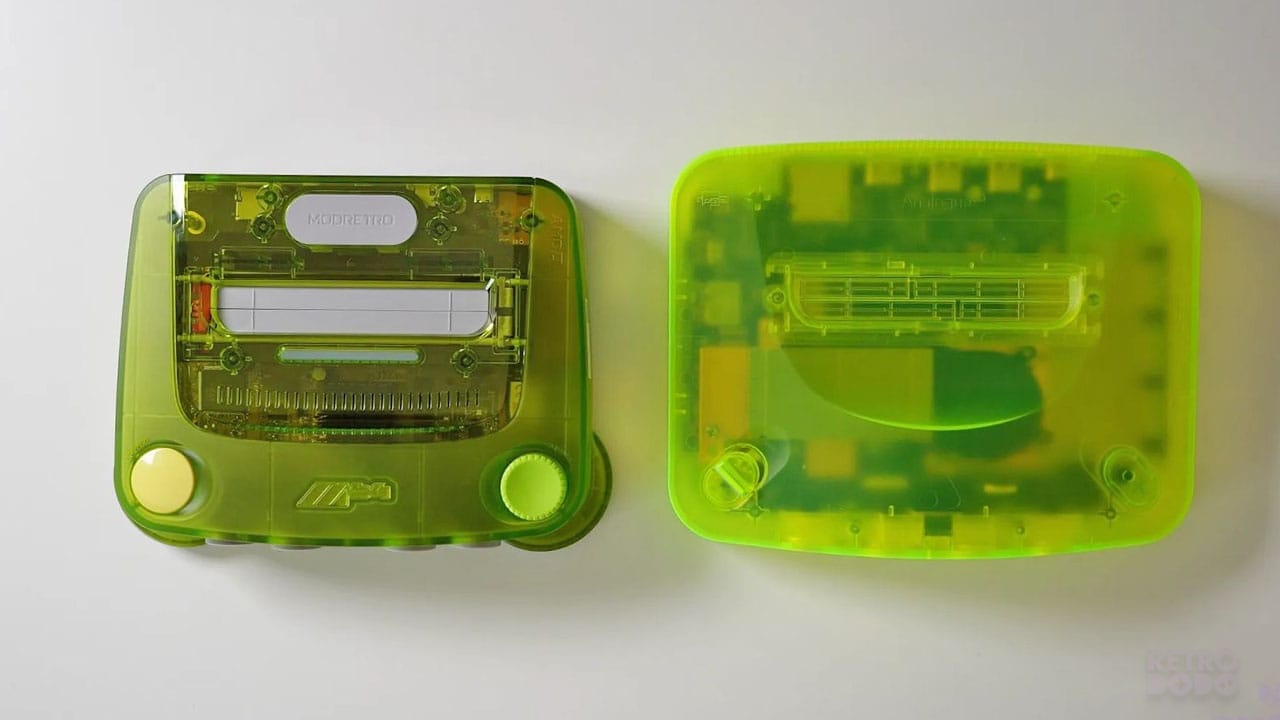
ModRetro’s ambition does not stop there. The company has since revealed the M64, a console targeting the Nintendo 64 market, directly challenging Analogue’s recent foray. While a comprehensive comparison of the M64 with the Analogue 3D is not yet possible due to the M64 being in a prototype phase, its existence signifies a direct confrontation in the high-end N64 hardware segment. This developing rivalry underscores the rapid evolution of the retro gaming hardware market, with companies vying for technological superiority and market share.
The Strategic Imperative: A Game Boy Advance Console
The current market dynamic strongly suggests that Analogue should prioritize the development and release of a Game Boy Advance-focused handheld. This strategic move is underpinned by several key factors, including strong consumer demand, the limitations of existing hardware for GBA emulation, and the looming threat of competition from ModRetro.
The Demand for a Dedicated GBA Handheld
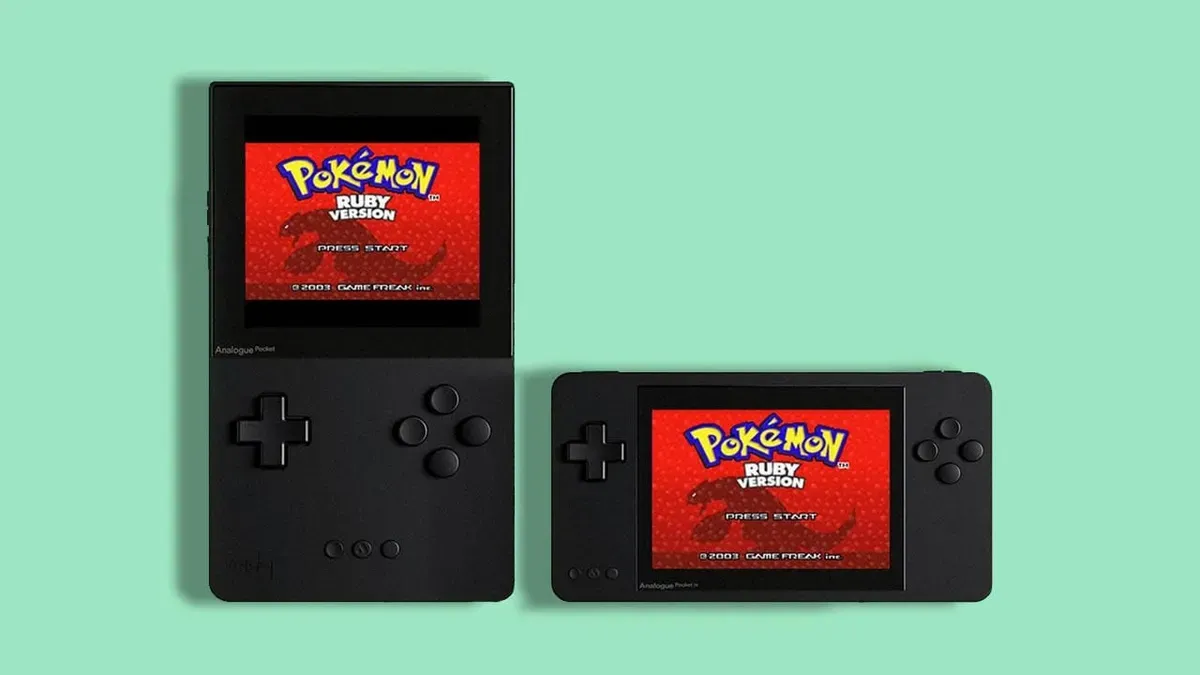
While the Analogue Pocket can play GBA cartridges and emulate the system through ROM files, its square display presents a significant drawback for experiencing GBA games. The 3:4 aspect ratio of the Pocket results in substantial letterboxing, rendering a considerable portion of the screen unusable for games originally designed for the GBA’s 3:2 aspect ratio. This compromise detracts from the visual fidelity and nostalgic appeal of playing these titles as intended. The community’s expressed desire for a dedicated GBA experience, one that retains the original form factor and aspect ratio, is palpable.
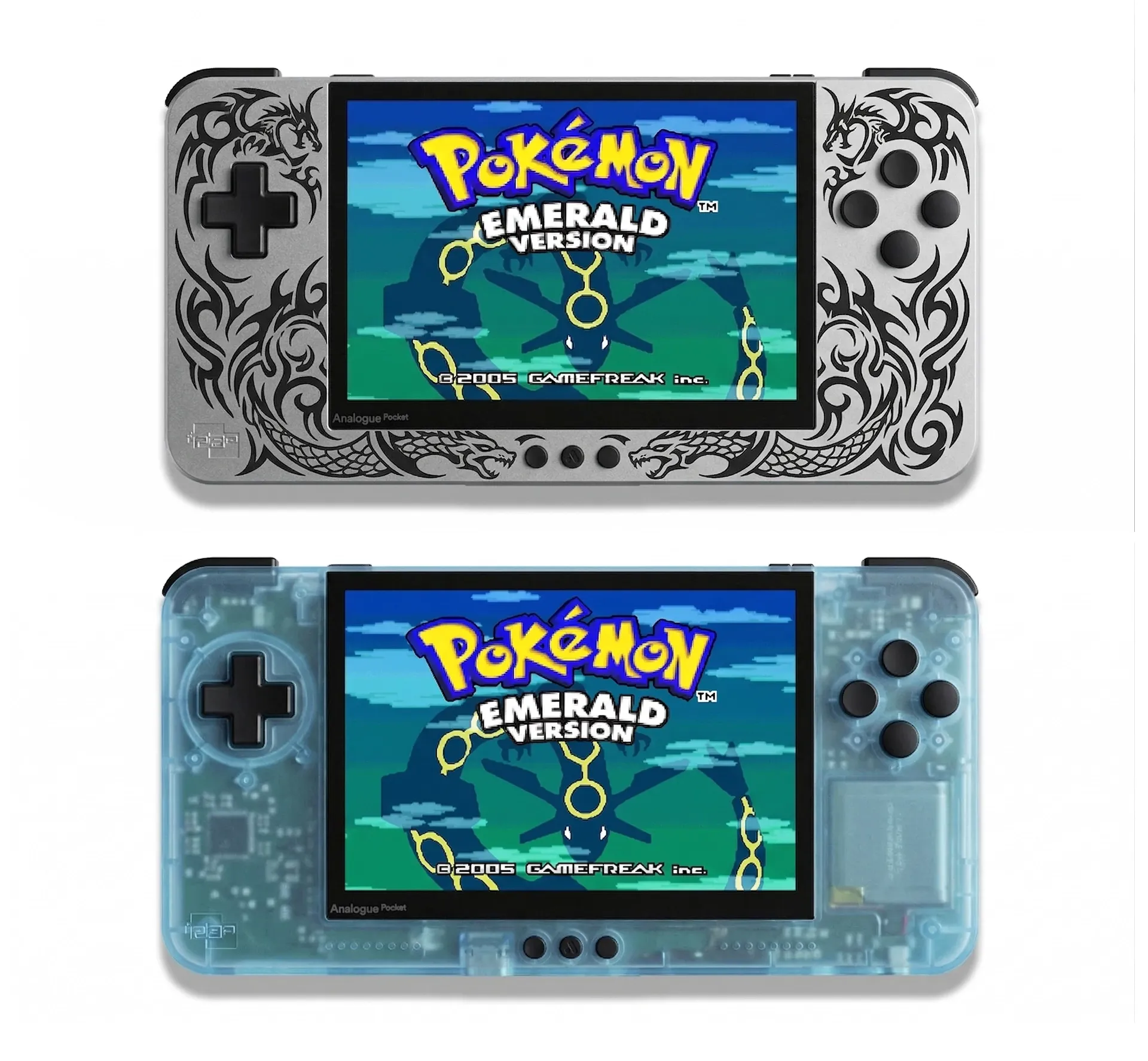
Furthermore, the market for modified Game Boy Advance consoles is currently booming. Enthusiasts are actively seeking out and purchasing these custom-built devices, demonstrating a clear and present demand for GBA hardware. A new, modern, and reliable GBA console from a reputable manufacturer like Analogue would likely appeal to a broad segment of this market, offering a compelling alternative to the often expensive and sometimes unreliable nature of modded original hardware. The burgeoning independent GBA homebrew scene and the enduring popularity of GBA ROM hacks, particularly Pokémon variants, further amplify the potential market for a dedicated GBA device.
ModRetro’s Impending Entry
The threat of ModRetro entering the GBA space is a significant motivator for Analogue. Palmer, the founder of ModRetro, has previously indicated in podcast discussions the company’s eventual interest in developing a GBA-focused handheld. While ModRetro has focused its immediate efforts on the N64 with the M64, its proven ability to innovate and deliver high-quality retro hardware, as evidenced by the Chromatic, suggests that a GBA device from them would be a formidable contender.
Analogue’s Advantage: Time and Market Position
Analogue currently holds a strategic advantage due to its established market presence and earlier entry into the N64 space with the Analogue 3D. The company has successfully navigated the complexities of producing and marketing high-end retro consoles, building a loyal customer base and a reputation for quality. The Analogue 3D’s earlier release, coupled with its availability in a range of appealing, often limited-edition colorways, has given it a distinct edge over the yet-to-be-released ModRetro M64. This early lead in the N64 market could be replicated in the GBA arena.
However, Analogue’s marketing strategy, often characterized by a reliance on "fear of missing out" (FOMO), while effective in driving sales, can also alienate some consumers. This approach, combined with potential production challenges related to specialized displays and component sourcing, could create vulnerabilities. The current global economic climate, with fluctuations in component prices like RAM, adds another layer of complexity and cost to hardware development and manufacturing, potentially impacting production timelines and consumer pricing.
The Potential of a "Pocket Advance"
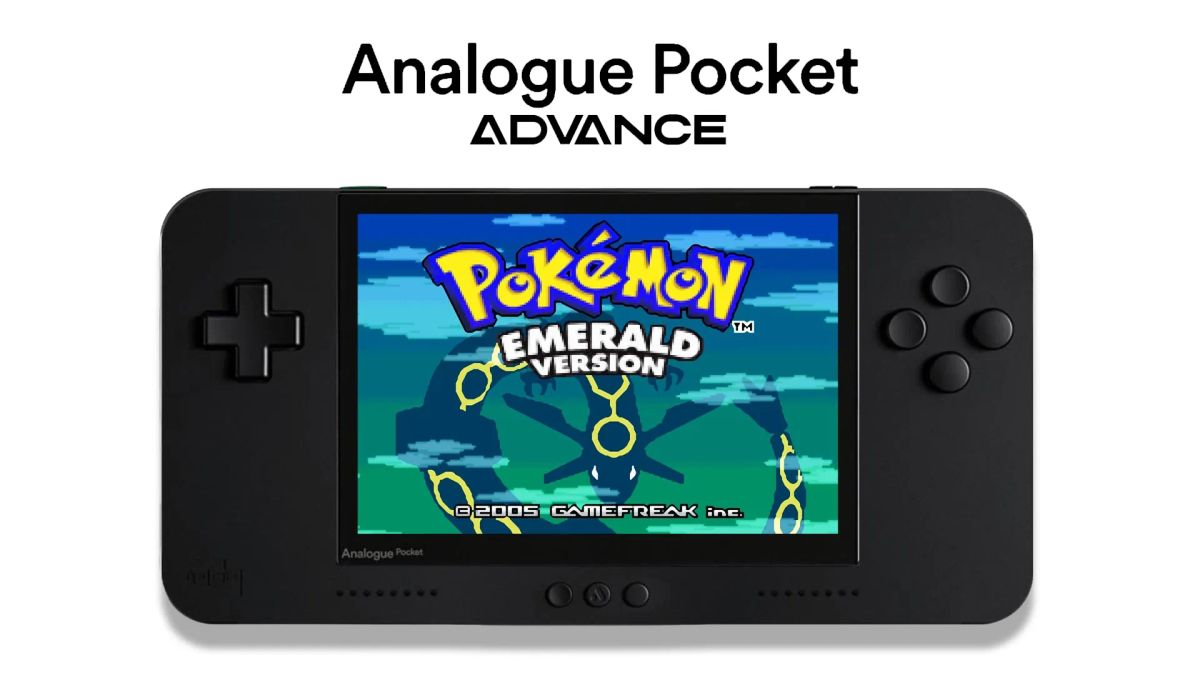
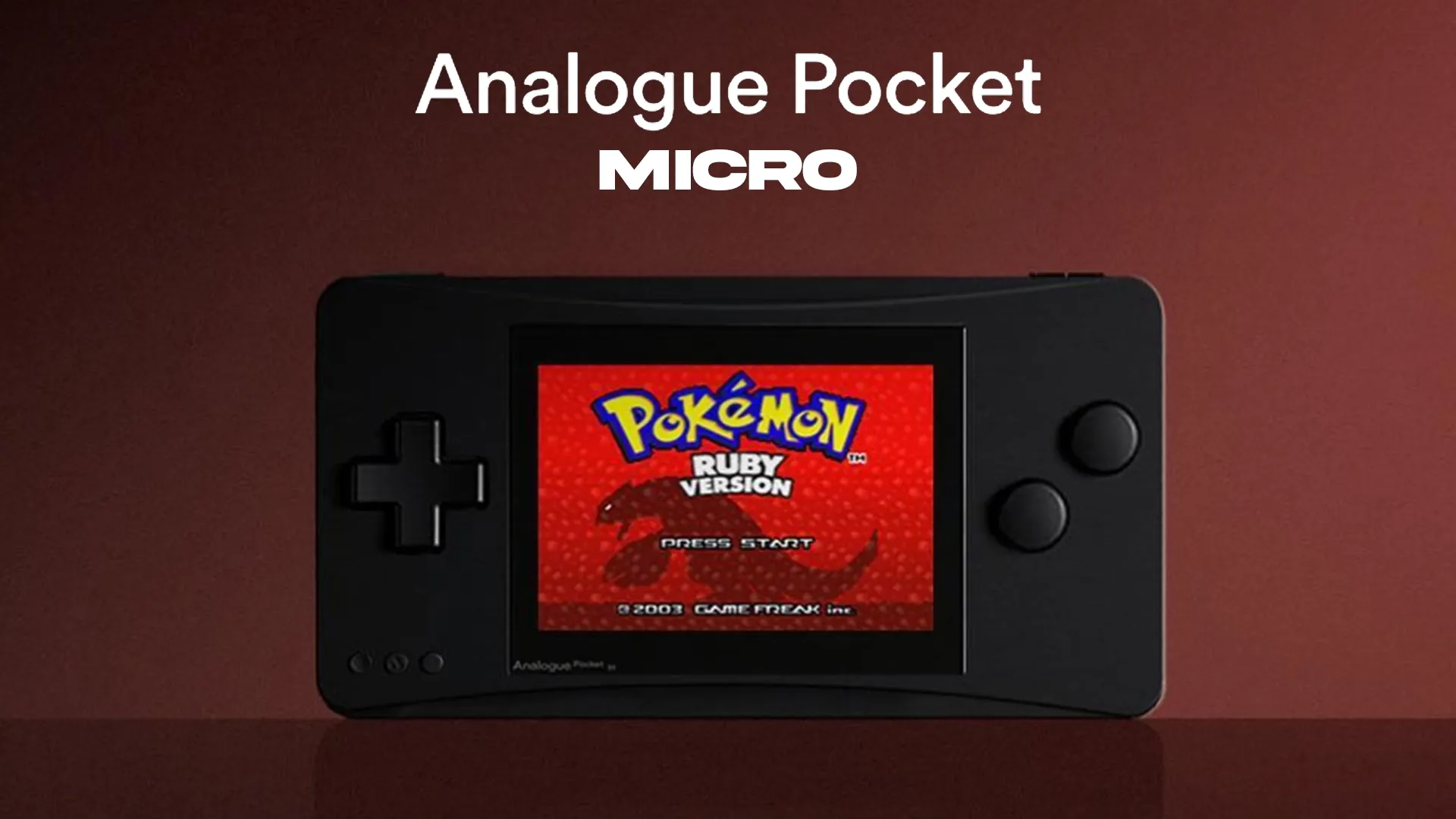
A hypothetical Analogue Game Boy Advance device, perhaps dubbed the "Pocket Advance," would ideally feature a 3:2 pixel-perfect display and a horizontal form factor reminiscent of the original GBA. The possibility of an Analogue Game Boy Advance SP variant, offering a clamshell design, could be an even bolder and more appealing proposition, leveraging Analogue’s capability for innovative design. Such a device would not only satisfy the direct demand for GBA hardware but also present an opportunity to emulate other historically significant handhelds with similar aspect ratios, such as the Atari Lynx and Wonderswan, through ROM file support. This multi-faceted utility could further broaden its appeal and justify its development.
Implications of the Race
The race between Analogue and ModRetro to release a GBA-focused handheld has significant implications for the future of retro gaming hardware. Should ModRetro succeed in launching a GBA device before Analogue, it could capture a substantial portion of the market and introduce many new retro gamers to their brand. This would present a challenge to Analogue’s dominance and potentially shift consumer preference towards ModRetro’s offerings, which are demonstrably high-quality. ModRetro, as a newer entity, is actively working to build its brand reputation and gain market respect. Providing them with an opportunity to outsell a more established competitor in a highly anticipated segment could accelerate their growth considerably.
Conversely, if Analogue were to release a GBA device first, it would likely leverage its existing market position and established consumer trust to maintain its lead. Their ability to execute on design, build quality, and the nostalgic appeal of the GBA could result in a product that not only competes with but potentially surpasses ModRetro’s offerings. The success of the Analogue 3D in outpacing its direct competitor, the M64, underscores the importance of timely market entry and strategic product positioning.
Conclusion: A Glimpse into the Future
The burgeoning competition between Analogue and ModRetro signals a vibrant and dynamic future for retro gaming enthusiasts. While both companies are currently focused on the Nintendo 64 market, the strategic imperative for a dedicated Game Boy Advance handheld is clear. Analogue possesses the advantage of time and market established presence, but ModRetro’s innovative approach and proven track record cannot be underestimated. The eventual release of a GBA-focused console by either company will undoubtedly be a significant event, shaping the landscape of modern retro gaming hardware and offering players new ways to experience beloved classics. The ultimate victor in this impending "race" will depend on their ability to innovate, execute, and resonate with a community that deeply values authentic and high-fidelity retro gaming experiences. The demand is present, the technology is evolving, and the competition is heating up, promising an exciting period for all involved.