Edi Durjana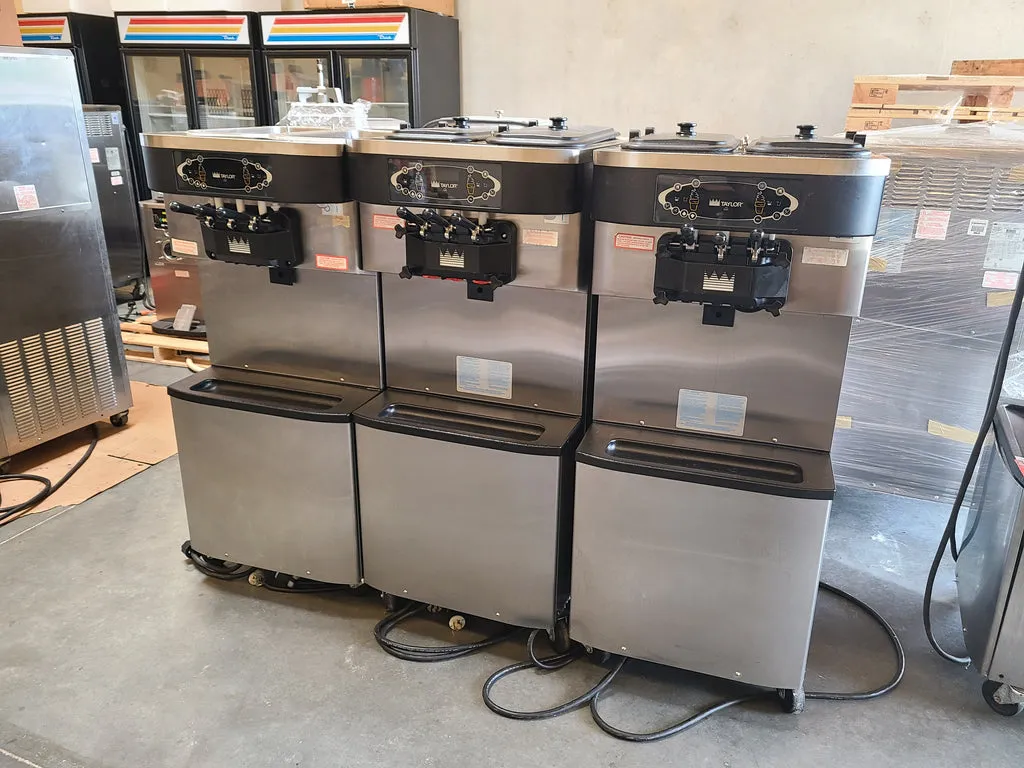
Jesse Talavera, a prominent contributor to the open-source Libretro project, has announced the release of McSoftServe, an innovative emulator designed to simulate the operational intricacies of Taylor C713 soft-serve ice cream machines. This novel software, now available directly through the RetroArch frontend, represents a significant departure from traditional emulation targets, focusing instead on a ubiquitous piece of commercial kitchen equipment often at the center of public discourse regarding reliability and maintenance within the fast-food industry.
A New Frontier in Emulation: Beyond Gaming Consoles
The announcement of McSoftServe signals a fascinating expansion of the emulation landscape. Traditionally, emulation has been predominantly associated with preserving and recreating classic video game systems, from arcade cabinets to home consoles and personal computers. Jesse Talavera himself is well-known within the Libretro community for his work on melonDS DS, an emulator for the Nintendo DS handheld console, demonstrating his technical prowess in this established field. However, McSoftServe pivots sharply from entertainment, delving into the operational mechanics of industrial machinery.
The Taylor C713 soft-serve machine is an icon, albeit a frequently maligned one, within the quick-service restaurant sector. It is the workhorse behind the soft-serve offerings of numerous establishments, most notably a globally recognized American fast-food franchise. These machines are engineered for high-volume production, designed for ease of use in daily operation, and lauded for their consistent product quality. Yet, paradoxically, they are equally notorious for their complex maintenance requirements and frequent downtime, giving rise to a pervasive cultural phenomenon often encapsulated in the lament, "the ice cream machine is broken."
Understanding the Taylor C713: A Mechanical and Cultural Icon
To appreciate the significance of McSoftServe, one must understand the context of the Taylor C713. Manufactured by Taylor Company, a subsidiary of Middleby Corporation, these machines are sophisticated pieces of equipment. They feature intricate refrigeration systems, mixing mechanisms, and pasteurization cycles, all controlled by internal electronics and software. Daily operation involves precise temperature management, ingredient dispensing, and rigorous cleaning protocols.
The "maintenance burden" cited by Talavera in his announcement is not anecdotal. Industry reports and public complaints frequently highlight the challenges associated with these machines. Issues often stem from the compulsory heat-treatment cleaning cycle, which can take several hours, during which the machine is unavailable. Malfunctions can range from sensor errors and compressor failures to problems with dispensing mechanisms, often requiring specialized technicians and proprietary parts. The complexity of these machines, combined with their critical role in a popular menu item, means that even minor issues can lead to prolonged outages, much to the frustration of customers and staff alike. The cultural impact of these frequent breakdowns is undeniable, spawning countless memes, social media discussions, and even dedicated websites tracking the operational status of these machines at various locations.
Jesse Talavera’s Background and Libretro’s Role
Jesse Talavera’s track record as a Libretro contributor lends significant credibility to the McSoftServe project. Libretro is a modular, cross-platform interface that allows users to run various applications, known as "cores," through a unified frontend called RetroArch. These cores can be emulators, game engines, media players, and more. Talavera’s work on melonDS DS is a testament to his deep understanding of reverse engineering, low-level programming, and the meticulous process required to accurately replicate complex hardware and software environments. His decision to apply these skills to a commercial soft-serve machine rather than another gaming console demonstrates an intriguing blend of technical curiosity and a keen eye for cultural relevance.
Libretro and RetroArch provide an ideal ecosystem for a project like McSoftServe. The platform’s flexibility and core-based architecture allow for the integration of diverse applications, making it accessible to a broad user base. By making McSoftServe available "directly from within RetroArch," Talavera ensures that anyone familiar with the platform can easily access and experiment with the emulator, bypassing complex installation procedures. This accessibility could foster a community around this unique emulation project, potentially leading to further development and applications.
Potential Applications and Implications of McSoftServe
The existence of an emulator for a commercial soft-serve machine, while seemingly whimsical, carries several practical and analytical implications:
- Training and Education: One of the most immediate and impactful applications of McSoftServe could be in staff training. Fast-food employees, particularly new hires, often face a steep learning curve when operating specialized equipment. An emulator would allow for hands-on, risk-free training in a simulated environment. Staff could learn to navigate the control panel, understand error codes, practice daily cleaning procedures, and even simulate common malfunctions without impacting actual machine availability or wasting ingredients. This could significantly reduce training costs, improve operational efficiency, and potentially decrease the frequency of user-induced errors.
- Maintenance and Troubleshooting Simulation: For technicians, McSoftServe could serve as a powerful diagnostic and troubleshooting tool. By simulating various fault conditions, technicians could practice diagnostic steps, identify the root causes of problems, and refine their repair strategies without needing access to a physical, potentially broken, machine. This could lead to faster repair times and more effective maintenance protocols across the franchise.
- Software Development and Testing: For those involved in developing or updating the control software for these machines, an emulator offers an invaluable testing platform. New firmware versions or feature enhancements could be thoroughly tested in a virtual environment before being deployed to live machines, minimizing the risk of introducing new bugs or operational issues.
- Historical Preservation and Cultural Study: Beyond practical applications, McSoftServe contributes to the broader field of digital preservation. It captures the operational logic and user interface of a machine that is deeply embedded in contemporary culture. Future historians or sociologists studying the history of technology, fast food, or even internet memes might find such an emulator a fascinating resource for understanding the human-machine interaction of our era.
- Curiosity and Innovation: At its core, McSoftServe is also a testament to human ingenuity and curiosity. It challenges the conventional boundaries of what can be emulated and why. This project could inspire other developers to explore emulation for a wider range of industrial or everyday devices, opening up new avenues for software development and technological exploration.
The "Surprises" and Future Outlook
Talavera’s mention of McSoftServe being "full of surprises" hints at additional features or functionalities that are yet to be fully revealed. These might include highly detailed simulations of specific error states, advanced diagnostic tools, or even playful elements that lean into the cultural narrative surrounding the C713. Given the robust nature of the Libretro platform, future developments could involve community contributions, expansion to other Taylor models, or even integration with external data feeds for more realistic simulations.
The availability of McSoftServe through RetroArch democratizes access to this unique piece of software. It allows enthusiasts, researchers, and potentially even industry professionals to interact with a virtual soft-serve machine in ways previously impossible without owning or having access to the physical equipment. This project highlights the evolving role of emulation not just as a tool for revisiting the past, but as a powerful platform for understanding, simulating, and even satirizing the present.
While official statements from Taylor Company or the major fast-food franchise regarding this specific emulator are not available, the general sentiment within the industry acknowledges the operational complexities of such equipment. Solutions that streamline training, improve maintenance efficiency, or offer new diagnostic capabilities are generally viewed positively, even if they originate from an unconventional source like the open-source emulation community. McSoftServe, therefore, stands as a quirky yet potentially significant development, bridging the gap between niche technological pursuits and real-world operational challenges, all while tapping into a widely recognized cultural phenomenon. It underscores the boundless potential of emulation technology to go beyond entertainment and provide valuable insights into the mechanics of our modern world.