
 Arya Paningal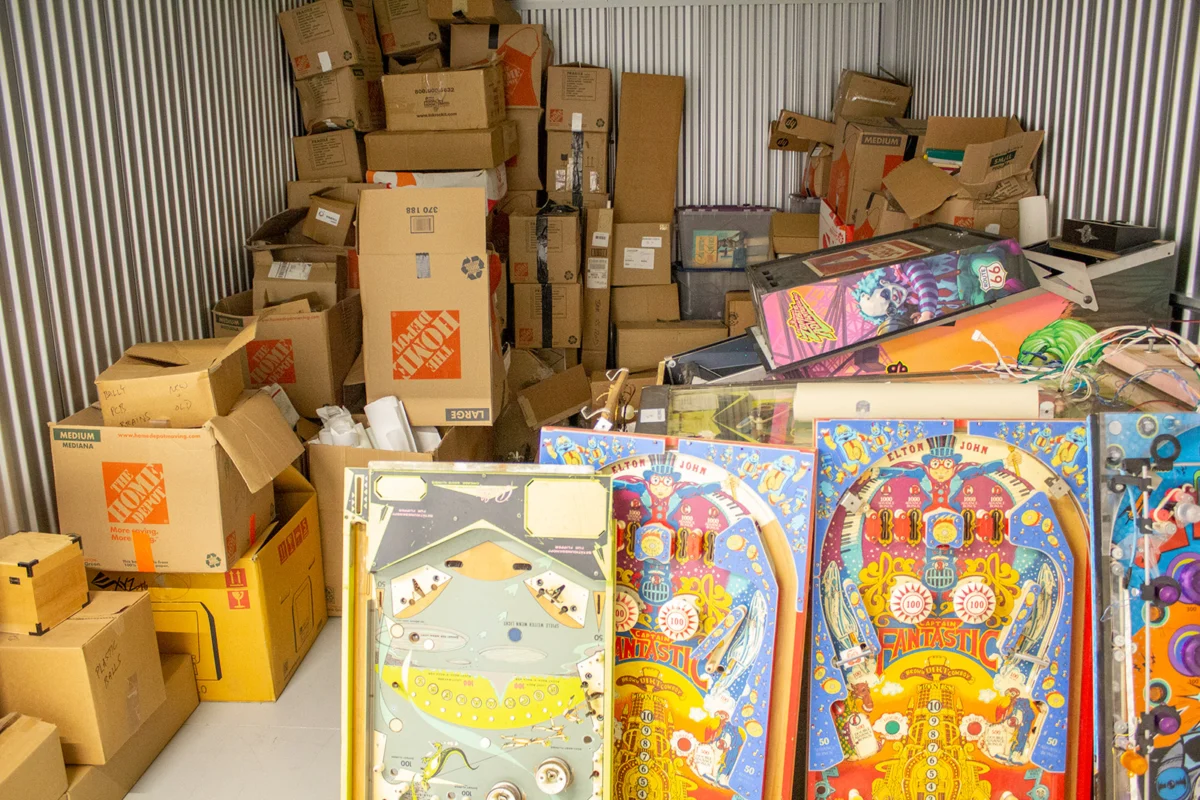
The burgeoning pinball manufacturing landscape has experienced a significant shake-up with the departure of Melvin Brouwer-Williams, co-founder of Dutch Pinball Exclusive (DPX), from the joint venture with Dutch Pinball. This abrupt separation effectively brings an immediate halt to the much-anticipated development and production of the Retro Atomic Zombie Adventureland (RAZA) pinball machine, a project that had garnered considerable interest within the enthusiast community. The split also signals a strategic shift for Dutch Pinball, as the company announces its intention to focus exclusively on in-house design and production, bolstered by new investment.
The Genesis of DPX and the RAZA Dream
Dutch Pinball Exclusive (DPX) was established as a collaborative effort, uniting Melvin Brouwer-Williams’ creative vision and intellectual property with the manufacturing capabilities of Dutch Pinball, located in Herkenbosch, the Netherlands. The partnership’s inaugural release, Alice’s Adventures in Wonderland, launched in October 2024, a limited edition run of 500 units that are currently in production. While this project continues, Brouwer-Williams’ exit casts a shadow over future collaborations.
The planned second title, Retro Atomic Zombie Adventureland (RAZA), was poised to be a significant addition to the DPX lineup. Development for RAZA was reportedly nearing completion, leveraging design work originally undertaken by Deeproot Pinball before its subsequent bankruptcy. This lineage traces back further, as Deeproot’s game itself was an adaptation of an original concept by renowned pinball designer John Popadiuk for his Zidware company. Brouwer-Williams had acquired the rights to Zidware’s intellectual property, including physical assets, in a resolution reported in December 2022, thereby securing the foundation for RAZA. Following Deeproot Pinball’s collapse, Brouwer-Williams also purchased the rights to other games in their development pipeline, including Magic Girl. However, he had previously indicated that Magic Girl would not be remade due to the existence of existing units and the need for substantial design modifications to ensure playability and manufacturability.
The Unraveling of the Partnership
Melvin Brouwer-Williams’ statement, issued on February 9, 2026, painted a picture of strained relations and fundamental disagreements with Dutch Pinball. He cited a "new organizational structure within Dutch Pinball and also because of a new investors party that have a different vision then me" as the primary catalysts for his departure. Brouwer-Williams expressed his unhappiness with the "speed and quality of Dutch Pinball’s manufacturing of the Alice game and its associated topper," suggesting these issues had been a source of concern for some time. The involvement of new investors in Dutch Pinball appears to have precipitated a definitive break, forcing matters to a head as RAZA was on the cusp of its scheduled announcement for March.

In his statement, Brouwer-Williams conveyed his disappointment and uncertainty: "It is with a heavy heart that I have to announce that, effective as of today, I Melvin Brouwer-Williams will be stepping away from DPX (Dutch Pinball Exclusive). This decision is an unfortunate result of a new organizational structure within Dutch Pinball and also because of a new investors party that have a different vision then me. Therefore Dutch Pinball has decided that it will be continuing on its own path without my involvement." He further elaborated on the impact of his departure: "DPX will be defunct as of today for upcoming releases from my involvement. I tried my best to build the brand to certain point that I now can no longer control to my standards."
Implications for Alice’s Adventures in Wonderland and Future Projects
Despite the acrimonious split, Brouwer-Williams assured that the production of outstanding Alice’s Adventures in Wonderland machines would not be directly impacted. He committed to continuing code updates for the game, though he cautioned that the process might become slower due to reduced development resources. He also stated that his own team, including coders and technical staff, would be moving with him, prepared to handle his future projects. These future endeavors are expected to shift towards manufacturing partners in the United States, once such possibilities arise.
Brouwer-Williams’ statement also laid bare expectations for Dutch Pinball to fulfill its commitments to customers: "I expect that Dutch Pinball will take care of there customers with the promises that where made and build all the final Alice’s and solve the outstanding topper related issues. This was unfortunately never in my control , nor some of the other structural issues that many are aware off." This suggests that beyond manufacturing speed, there were other operational challenges within Dutch Pinball that were beyond Brouwer-Williams’ purview.
Dutch Pinball’s Strategic Realignment and New Investment
In the wake of Brouwer-Williams’ departure, Barry Driessen, owner of Dutch Pinball, confirmed the split and the introduction of new investors. Driessen communicated to distributors that Dutch Pinball would be discontinuing collaborations with external parties to concentrate on developing original, in-house designs. This strategic pivot, while potentially interpreted by some as a move away from licensed titles, is more accurately understood as a desire for greater control over the entire creative and production process.
Driessen’s message to partners outlined the rationale behind this decision: "While the first title was successfully brought to market, discussions around a potential second title revealed a misalignment on commercial terms, specifically regarding margin structure and long-term sustainability for all parties involved. As a result, both sides mutually agreed to discontinue not only the second project, but the collaboration as a whole." He further elaborated on the company’s future direction: "Based on this experience, Dutch Pinball has concluded that this type of external collaboration introduces a level of complexity and dependency that does not align with how we want to build and scale the company going forward. Dutch Pinball will therefore refocus fully on developing and producing its own original titles, where creative control, production planning, and commercial execution are fully integrated within the company."

The infusion of new capital comes from two Dutch entrepreneurial investors with a shared passion for pinball. Their involvement is expected to provide Dutch Pinball with enhanced financial stability and strategic direction, enabling a more professional and robust operational framework. Driessen emphasized the company’s commitment to its existing obligations, stating, "Dutch Pinball is fully committed to completing the remaining Alice’s Adventures in Wonderland machines and continues to work diligently toward final delivery. A short update regarding the toppers will be shared in a few days."
Shifting Timelines and Future Announcements
The separation between Brouwer-Williams and Dutch Pinball inevitably alters the planned release schedule for new pinball machines. The original strategy involved unveiling RAZA, a DPX title, in March, followed by Dutch Pinball’s own original game at Pinball Expo in October. With RAZA no longer a DPX project, Dutch Pinball is now in a position to accelerate the announcement of its internal projects. Distributors are reportedly hinting at the imminent reveal of a long-anticipated Dutch Pinball title, Back to the Future.
The implications of this split extend beyond the immediate production of RAZA. It represents a significant moment in the ongoing evolution of the pinball manufacturing industry, highlighting the complexities of collaborative ventures and the increasing importance of independent design and production capabilities. As Melvin Brouwer-Williams embarks on his next chapter with potential US-based manufacturing partners, and Dutch Pinball solidifies its in-house development strategy, the pinball community will be keenly observing how these developments shape the future of new pinball machine releases. The industry, known for its passionate creators and dedicated fanbase, continues to witness dynamic shifts as companies navigate growth, investment, and creative differences. The full impact of this separation on the broader pinball market and the availability of new machines remains to be seen, but it undoubtedly marks a pivotal point in the careers of those involved and the trajectory of the companies they represent.








