
 Hartono Sudibyo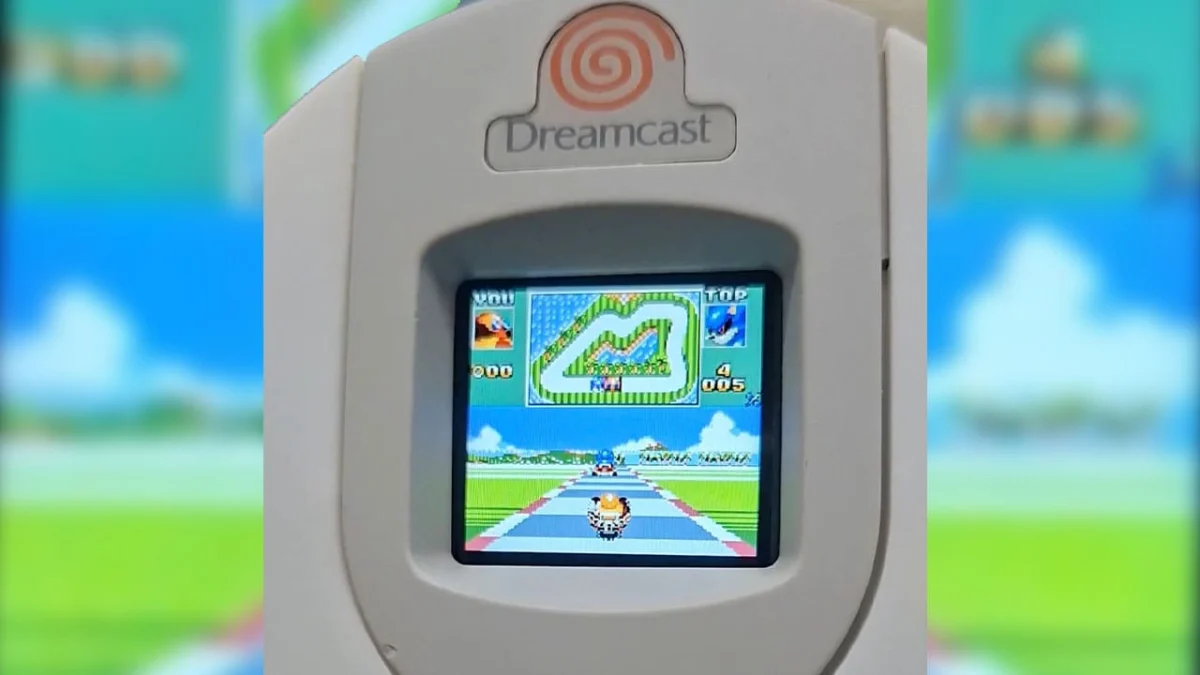
The Sega Dreamcast, a console celebrated for its innovative features and ahead-of-its-time online capabilities, is experiencing a significant resurgence in interest, largely driven by the development of cutting-edge accessories that address long-standing desires of its dedicated fanbase. Among these advancements, the Dream Color Plus controller, developed by Angelo Pontes, also known as Nai Adventure, stands out as a particularly compelling innovation. This meticulously engineered controller not only rectifies a perceived design oversight from the Dreamcast’s original release but also introduces an unprecedented layer of functionality by enabling the emulation of classic Sega systems directly through the controller itself. This dual-purpose functionality marks a significant leap forward for Dreamcast enthusiasts, offering a more versatile and immersive retro gaming experience.
Addressing a 28-Year-Old Design Quirk
Launched in Japan in November 1998, the Sega Dreamcast was positioned as a successor to the Sega Saturn and a direct competitor to Sony’s PlayStation 2 and Nintendo’s GameCube. Despite its technological prowess, including a built-in modem for online gaming, the Dreamcast’s controller was a point of contention for some players. Unlike many of its contemporaries, which featured dual analog sticks for enhanced control in 3D environments, the standard Dreamcast controller sported only a single analog stick. This limitation was particularly noticeable in games that benefited from simultaneous camera control and character movement, a common design element in the burgeoning 3D gaming landscape of the late 1990s and early 2000s.
Angelo Pontes’ Dream Color Plus controller directly addresses this perceived deficit. By incorporating a second analog stick, the controller offers a more intuitive and comprehensive control scheme for a wide array of Dreamcast titles. This addition not only enhances gameplay for existing games but also makes the Dreamcast more accessible and enjoyable for a new generation of players who have become accustomed to dual-stick controls as a standard. The decision to include a second analog stick can be seen as a retroactive enhancement, fulfilling a design choice that many believed should have been present from the console’s inception. This move acknowledges the evolving nature of game design and player expectations over the past nearly three decades.
VMU Integration: A Gateway to Enhanced Functionality
A core component of the Dream Color Plus’s innovative design is its seamless integration with the Dreamcast Visual Memory Unit (VMU). The VMU, a unique memory card that doubled as a handheld gaming device and display, was a defining feature of the Dreamcast experience. The Dream Color Plus leverages the VMU’s capabilities to an extent not originally envisioned by Sega.

The controller allows for quick and easy button mapping of the second analog stick, enabling players to customize their control schemes to suit individual preferences and game requirements. This adaptability is crucial for optimizing gameplay across the Dreamcast’s diverse library. However, the true groundbreaking aspect of the VMU integration lies in its capacity to function as a retro console emulator. This means that the VMU, when coupled with the Dream Color Plus controller, can effectively transform into a portable platform for playing games from earlier Sega generations.
Emulating Classic Sega Systems: A New Frontier for the VMU
The revelation that the Dream Color Plus, through its VMU integration, can emulate classic Sega consoles has generated considerable excitement within the retro gaming community. In a recent demonstration, Angelo Pontes showcased the controller successfully running emulated titles from the Sega Master System and the Game Gear. These systems represent foundational eras in Sega’s gaming history, offering access to a rich catalog of beloved titles.
The Sega Master System, released in 1985, was Sega’s second home console and introduced iconic franchises like "Alex Kidd" and laid the groundwork for many of Sega’s future successes. The Game Gear, a handheld console launched in 1990, was Sega’s answer to the Nintendo Game Boy, offering a color screen and a more powerful gaming experience on the go. The ability to play games from these systems directly through a Dreamcast controller accessory opens up a new dimension of retro gaming portability and accessibility.
The implications of this emulation capability are far-reaching. It not only provides a nostalgic trip for long-time Sega fans but also offers an accessible entry point for newer players to experience the foundational games that shaped the industry. The potential for further emulation capabilities is also a tantalizing prospect. Developers have hinted at the possibility of supporting even more retro consoles, raising hopes for the emulation of games from systems like the Sega SG-1000, the original Sega Mark III, and potentially even arcade classics. The prospect of playing titles such as "Pokémon Red" through the controller, as suggested, highlights the expansive possibilities and the growing trend of bringing games from disparate systems onto unified platforms.
A Timeline of Innovation and Community Support
The journey of the Dream Color Plus from concept to reality is a testament to the enduring passion of the Dreamcast community and the innovative spirit of independent developers. While specific dates for early development stages are not publicly detailed, the recent announcements and crowdfunding campaign indicate a concerted push towards bringing this product to market.

- Pre-Announcement Phase: Angelo Pontes, under the alias Nai Adventure, had been actively engaged with the Dreamcast modding and accessory scene, showcasing his technical expertise and dedication to enhancing the Dreamcast experience. This period likely involved extensive research, development, and prototyping of various controller enhancements.
- Reveal of Dual Analog Functionality: The initial announcement and demonstration of the Dream Color Plus controller, highlighting its dual analog stick capabilities, generated significant interest. This addressed a long-standing desire within the Dreamcast community for improved control schemes.
- Demonstration of Emulation Features: The subsequent revelation that the controller, via its VMU integration, could emulate classic Sega systems, such as the Master System and Game Gear, marked a pivotal moment. This added a significant layer of functionality and broadened the appeal of the accessory.
- Crowdfunding Campaign Launch: To bring the Dream Color Plus to a wider audience and fund mass production, Angelo Pontes launched a crowdfunding campaign on platforms like Catarse. This provides fans with an opportunity to directly support the project and secure their own controllers. The live status of this campaign indicates a commitment to bringing the product to fruition.
- Ongoing Development and Potential Future Updates: Pontes has indicated that there is "still a lot more coming," suggesting that the emulation capabilities and controller features may continue to evolve. This forward-looking approach ensures that the Dream Color Plus remains a relevant and exciting accessory for the foreseeable future.
The success of the crowdfunding campaign, should it reach its targets, will be a crucial indicator of the market demand for such specialized retro gaming hardware. It underscores the financial viability of independent development when it directly addresses the desires of a passionate niche audience.
Supporting Data and Market Context
The retro gaming market has seen substantial growth in recent years, driven by a combination of nostalgia, the desire for authentic gaming experiences, and the increasing accessibility of older hardware and software.
- Market Growth: The global retro gaming market size was valued at approximately USD 7.1 billion in 2022 and is projected to expand at a compound annual growth rate (CAGR) of over 11% from 2023 to 2030, according to Grand View Research. This indicates a robust and expanding consumer base for retro gaming products.
- Demand for Accessories: The demand for specialized accessories that enhance the experience of playing retro consoles is a significant segment within this market. This includes HDMI adapters, upscalers, replacement parts, and innovative controllers that add modern conveniences or address design limitations of original hardware.
- Dreamcast’s Enduring Appeal: Despite its relatively short lifespan in the market (1998-2001), the Sega Dreamcast has cultivated a dedicated and vocal fanbase. Its unique library of games, innovative features, and cult status have ensured its continued relevance. Efforts to preserve and enhance the Dreamcast experience, such as the development of new homebrew games and modern hardware accessories, are met with significant enthusiasm.
- Crowdfunding Success: Platforms like Kickstarter and Catarse have become vital avenues for funding innovative retro gaming projects. Successful campaigns demonstrate a clear demand and provide the necessary capital for development and production, often bypassing traditional publishing routes.
The Dream Color Plus controller fits squarely within this burgeoning market trend. By offering a dual-purpose solution – improving the Dreamcast’s native controller and enabling emulation of older systems – it taps into multiple facets of the retro gaming enthusiast’s interests. The ability to integrate with the VMU, a unique and iconic piece of Dreamcast hardware, adds an extra layer of authenticity and appeal for existing owners.
Broader Impact and Implications for the Retro Gaming Landscape
The success and innovation demonstrated by the Dream Color Plus controller have several implications for the broader retro gaming landscape:
- Revitalization of Older Hardware: Projects like this demonstrate that older consoles can be revitalized through modern ingenuity. It encourages further development of accessories and modifications that extend the lifespan and enhance the functionality of classic gaming hardware.
- Democratization of Emulation: By integrating emulation directly into a controller accessory, the Dream Color Plus makes retro gaming more accessible. It bypasses the need for dedicated emulation hardware or complex software setups, offering a more streamlined and user-friendly experience. This approach could inspire similar integrated solutions for other retro consoles.
- Nostalgia as a Driving Force: The strong emotional connection players have with classic games and consoles continues to be a powerful market driver. Developers who can effectively tap into this nostalgia, while also offering innovative features, are well-positioned for success.
- Independent Development’s Role: The Dream Color Plus is a prime example of how independent developers can significantly impact the gaming industry. By identifying specific needs and passions within a community, these developers can create highly sought-after products that might be overlooked by larger manufacturers. This fosters a more diverse and dynamic gaming ecosystem.
- The Future of Console Controllers: The dual-functionality of the Dream Color Plus, particularly its emulation capabilities, hints at potential future directions for console controllers. As technology advances, we may see more integrated solutions that offer expanded functionality beyond basic input, such as built-in mini-computers or connectivity to cloud-based gaming services.
The Dream Color Plus controller represents more than just an accessory; it embodies a commitment to preserving gaming history while embracing future possibilities. By addressing a long-standing design oversight and introducing groundbreaking emulation features, Angelo Pontes has not only created a highly desirable product for Dreamcast fans but also set a new benchmark for what is possible in the realm of retro gaming innovation. The ongoing crowdfunding campaign and the promise of further development suggest that the Dreamcast, with the help of its dedicated community and visionary developers, is indeed "having its time in the sun," nearly three decades after its initial release.








