
 Hartono Sudibyo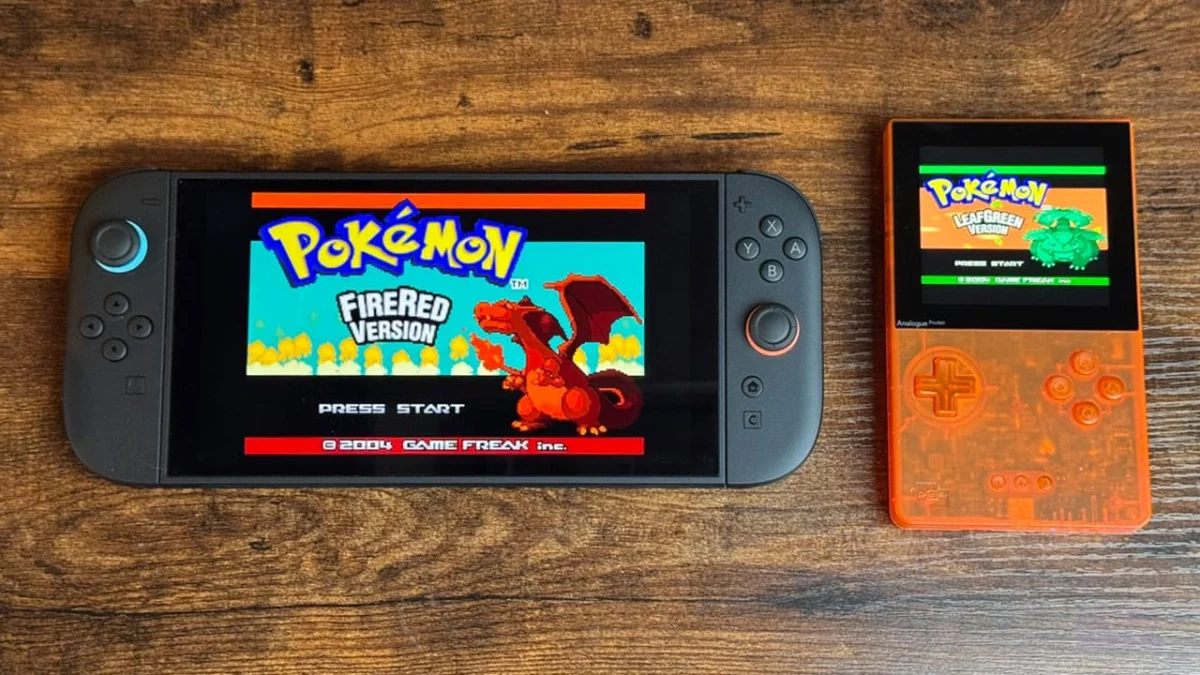
The Pokémon franchise, a global phenomenon that has captivated audiences for decades, continues to evolve with each new generation of games. From its humble beginnings on the Game Boy to its current iteration on the Nintendo Switch, the series has consistently delivered memorable experiences, fostering a deep connection between players and the iconic creatures they collect and train. This comprehensive ranking delves into the most impactful and beloved titles that have defined the Pokémon legacy, examining their innovative features, lasting appeal, and their significant contributions to the gaming landscape.
A Legacy Forged in Pixels and Passion
Since the debut of Pokémon Red and Blue in 1996, the franchise has embarked on an extraordinary journey. What began as a niche role-playing game has blossomed into a multimedia empire, encompassing anime, trading cards, merchandise, and a consistent stream of critically acclaimed video games. The enduring appeal of Pokémon lies in its core loop: exploration, collection, training, and battling. This formula, refined over nearly thirty years, has allowed players to forge unique bonds with their digital companions, creating personalized adventures across diverse and imaginative regions. This list aims to identify the titles that not only perfected this formula but also pushed the boundaries of what a Pokémon game could be.
The Pinnacle of Pokémon Gaming
1. Pokémon HeartGold & SoulSilver (2009)
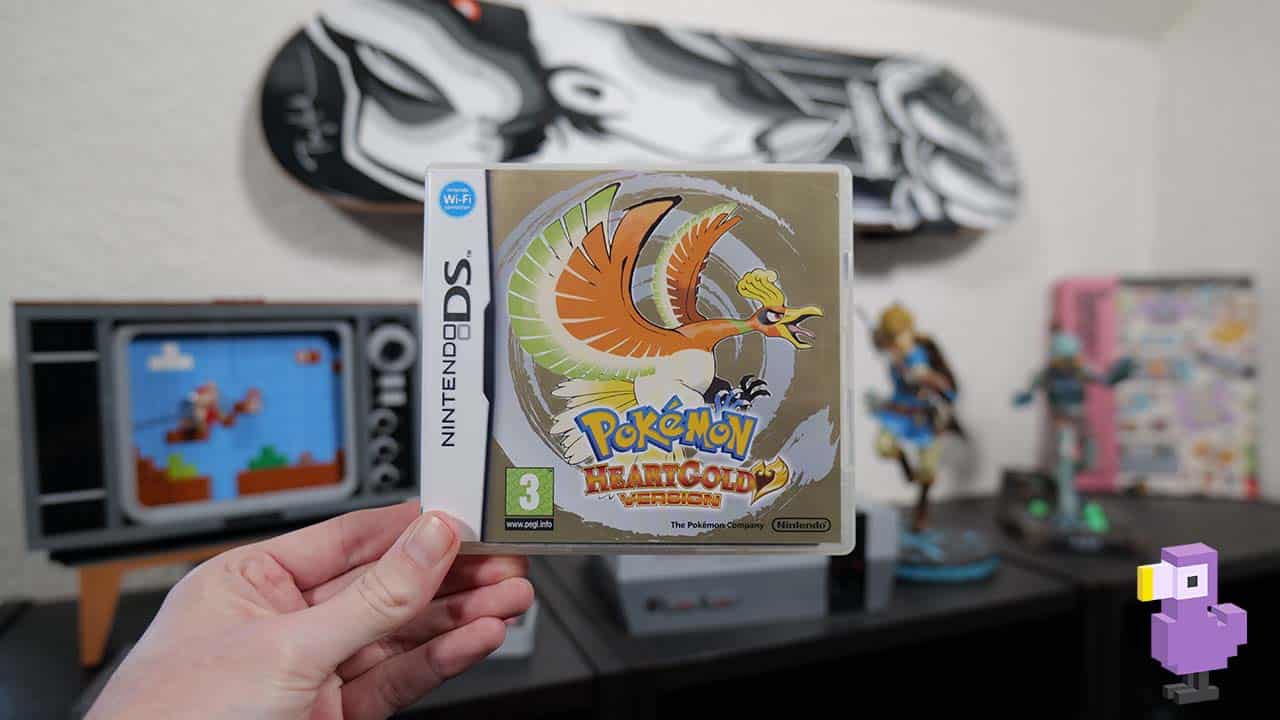
Pokémon HeartGold and SoulSilver, released for the Nintendo DS, stand as a testament to the enduring power of the Johto region. These enhanced remakes of Pokémon Gold and Silver (1999) meticulously captured the spirit of the originals while introducing a wealth of modern enhancements. The dual-screen functionality of the DS was ingeniously utilized, offering a more intuitive interface and immersive visual experience. Key additions included the Pokéwalker accessory, which allowed players to take their Pokémon with them on the go, fostering a sense of constant connection. The inclusion of all 16 gyms from both the Kanto and Johto regions, combined with an expanded post-game, provided an unparalleled amount of content. The visual overhaul, breathing new life into beloved sprites and introducing animated character portraits, further cemented these titles as the definitive way to experience the Johto saga. Their success, reflected in sales figures that saw them become some of the best-selling Nintendo DS games, underscored the demand for high-quality remakes that honor the past while embracing the future.
2. Pokémon FireRed & LeafGreen (2004)

Pokémon FireRed and LeafGreen represent a pivotal moment in the franchise’s history, revitalizing the original Kanto region for a new generation of players on the Game Boy Advance. Released a decade after the groundbreaking Pokémon Red and Blue, these remakes offered a complete graphical and mechanical overhaul. The transition to the GBA allowed for vibrant 16-bit graphics, a significant leap from the monochrome palette of the original. New features, such as the Wireless Adapter for trading and battling, brought connectivity to the forefront. The addition of the Sevii Islands provided an entirely new post-game experience, expanding the world and offering new challenges. The games meticulously recreated the original adventure, ensuring that the nostalgia factor was high for veteran players, while the updated mechanics and presentation made them accessible and engaging for newcomers. Their immense popularity, coupled with their subsequent availability on the Nintendo Switch Online service, has kept them relevant and highly sought after.
3. Pokémon Poképia (2026)

While speculative, the concept of a game like Pokémon Poképia represents a significant evolution in the Pokémon formula. Imagine an experience that blends the core collection and battling mechanics with elements of life simulation and creative sandbox gameplay. A hypothetical Poképia could center around a player character who, perhaps through a unique in-game event, gains the ability to influence the Pokémon world directly. This could involve establishing and managing Pokémon habitats, terraforming landscapes to suit different species, and engaging in unique challenges that test a player’s understanding of Pokémon behavior and ecology. The integration of mechanics seen in games like Animal Crossing and Minecraft could lead to a deeply engaging and personalized experience. The notion of filling a Pokédex not solely through capture but through observation and interaction with Pokémon in their natural environments would offer a fresh perspective. Such a game could foster a sense of community and creativity, allowing players to build and share their unique Pokémon worlds, making it a truly groundbreaking entry in the series.
4. Pokémon Emerald (2004)

Pokémon Emerald, released for the Game Boy Advance, is widely regarded as the definitive version of the third generation of Pokémon games. Serving as an enhanced edition of Pokémon Ruby and Sapphire, Emerald masterfully integrated elements from both titles and introduced new storylines and features that elevated the Hoenn region experience. The game brought together the conflict between Team Magma and Team Aqua, offering a more cohesive narrative that culminated in the appearance of the legendary Rayquaza. The introduction of the Battle Frontier, a sprawling post-game area featuring various challenging battle facilities, provided countless hours of replayability for competitive players. Emerald‘s graphical enhancements, including animated Pokémon sprites and an expanded world map, made the Hoenn region feel more vibrant and alive. Its reputation as a cornerstone of the GBA Pokémon library has cemented its status as a fan favorite and a benchmark for future "third versions" of Pokémon games.
5. Pokémon Sun & Moon (2016)

Pokémon Sun and Moon, launched for the Nintendo 3DS, represented a bold departure from the traditional Pokémon formula. Set in the tropical Alola region, these games eschewed the familiar gym-leader structure in favor of the Island Challenge, a series of trials and Grand Trials that tested trainers in unique and engaging ways. This shift encouraged a deeper exploration of the region’s lore and the natural behaviors of its Pokémon. The introduction of Z-Moves provided a spectacular new combat mechanic, adding a layer of strategic depth to battles. Furthermore, the games placed a significant emphasis on story and character development, presenting a more mature narrative that explored themes of environmentalism and cultural identity. The unique regional forms of existing Pokémon, such as Alolan Vulpix and Alolan Raichu, added a fresh layer of creativity and surprise. Sun and Moon are celebrated for their innovative approach and for pushing the narrative boundaries of the series.
6. Pokémon X & Y (2010)
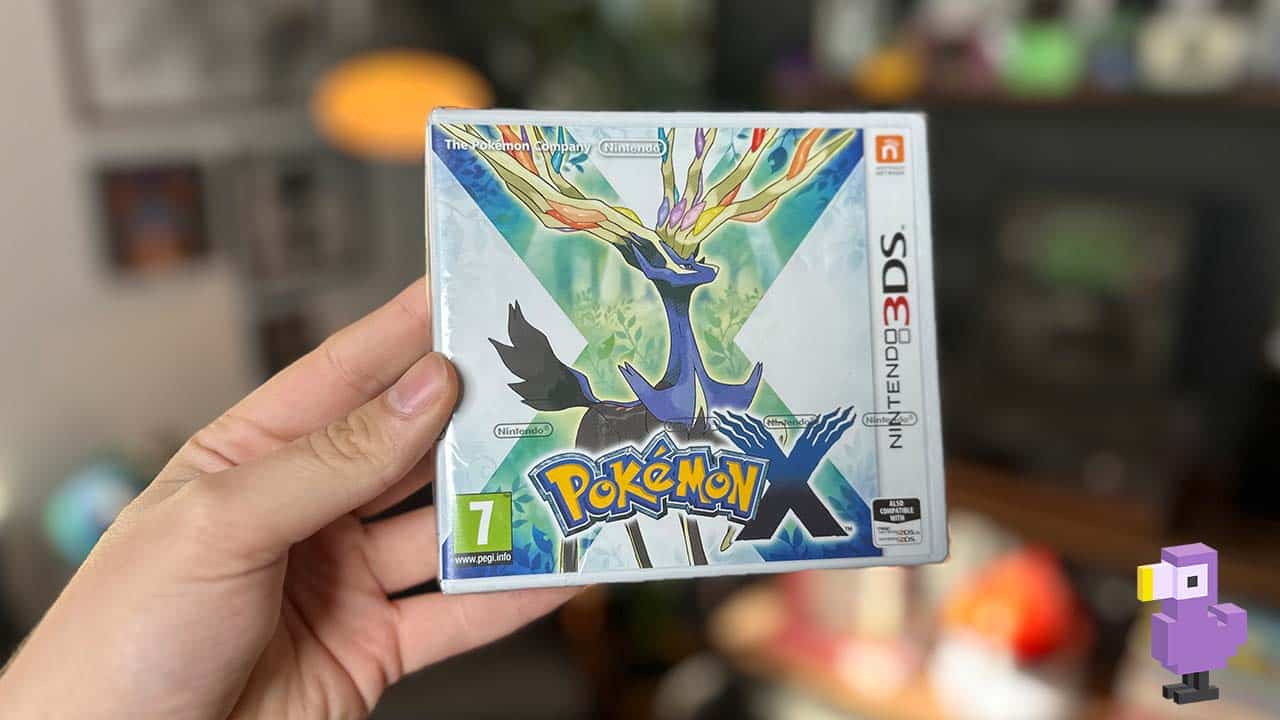
Pokémon X and Y, released for the Nintendo 3DS, marked a monumental leap for the franchise as the first main series titles to feature full 3D graphics. This transition brought the Pokémon world to life with unprecedented detail and immersion. The introduction of Mega Evolutions added a dynamic and visually striking new battle mechanic, allowing Pokémon to temporarily transform into more powerful forms. The Kalos region, inspired by France, offered a visually rich and diverse environment to explore. X and Y also introduced character customization, allowing players to personalize their trainer’s appearance, fostering a greater sense of individual connection to their avatar. The addition of the Fairy-type Pokémon provided a much-needed counter to the dominant Dragon-type, rebalancing the competitive landscape. These titles set a new visual standard for the series and laid the groundwork for future 3D Pokémon adventures.
7. Pokémon Red & Blue (1996)
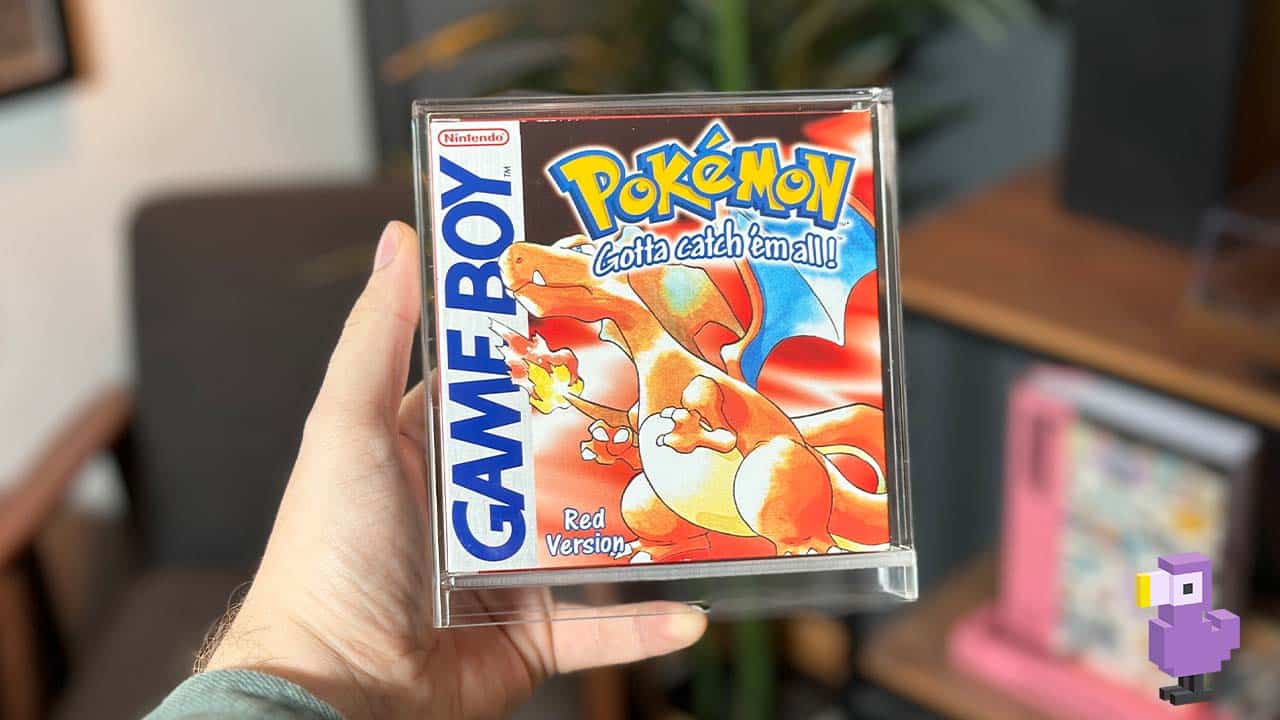
The original Pokémon Red and Blue (released as Red and Green in Japan) are undeniably the genesis of a global phenomenon. These titles for the Game Boy laid the foundational elements of the Pokémon RPG formula: catching, training, battling, and trading. The journey through the Kanto region, the rivalry with Gary, and the quest to become the Pokémon League Champion resonated with millions, sparking a cultural revolution. Despite their rudimentary graphics and simple mechanics by today’s standards, their innovative design and the sheer novelty of collecting and battling hundreds of unique creatures were revolutionary. The introduction of trading via the Game Boy Link Cable was a groundbreaking social feature that encouraged player interaction. Their impact on the gaming industry is immeasurable, as they spawned one of the most successful and enduring media franchises in history.
8. Pokémon Black & White (2010)

Pokémon Black and White, released for the Nintendo DS, are lauded for their ambitious narrative and significant departures from established Pokémon conventions. Set in the Unova region, these games introduced an entirely new roster of 156 Pokémon, intentionally excluding older Pokémon until after the main story was completed. This bold decision created a sense of fresh discovery and challenged players to adapt to new strategies. The storyline delved into more complex themes, exploring the ethics of Pokémon battling through the antagonist group, Team Plasma. The games also featured a more mature and character-driven plot than previous installments. Graphically, Black and White pushed the DS to its limits, showcasing impressive animations and detailed environments. The introduction of the Dream World, an online feature allowing players to interact with their Pokémon outside the game, further expanded the Pokémon universe.
9. Pokémon Crystal (2000)

Pokémon Crystal, released for the Game Boy Color, stands as the definitive version of the second generation of Pokémon games. Building upon Pokémon Gold and Silver, Crystal introduced several key innovations that would become series staples. It was the first main series game to allow players to choose their gender, offering a more personalized player character. The game also featured animated Pokémon sprites during battles, adding a new level of dynamism. The story received an expanded focus on the legendary Pokémon Suicune, giving it a more prominent role and unique questline. The Johto region was further fleshed out with new areas and events, making Crystal feel like a richer and more complete experience than its predecessors. Its status as a highly sought-after collectible for its unique features and its role as the first fully colored Pokémon adventure on a dedicated GBC title solidifies its place in this list.
10. Pokémon Let’s Go, Pikachu! & Let’s Go, Eevee! (2018)
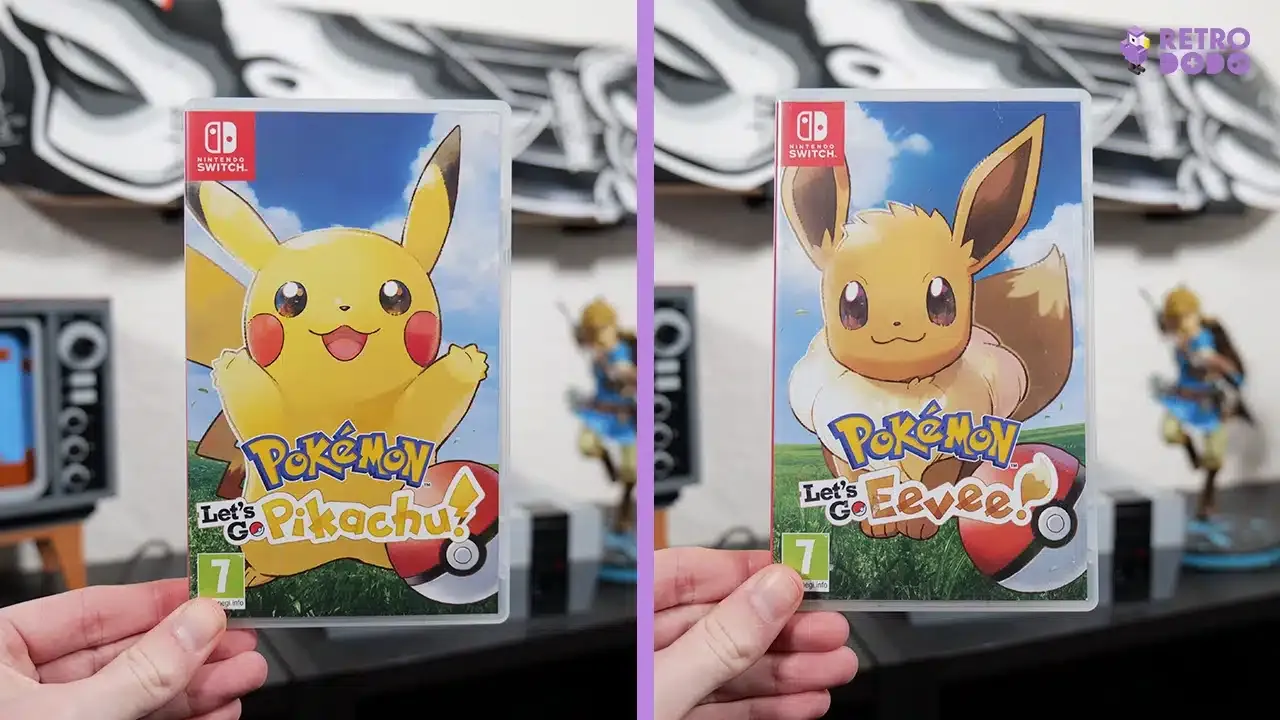
Pokémon Let’s Go, Pikachu! and Pokémon Let’s Go, Eevee! for the Nintendo Switch served as a nostalgic reimagining of Pokémon Yellow while incorporating elements from the massively popular mobile game, Pokémon GO. These titles aimed to bridge the gap between the core RPG experience and the casual appeal of the mobile phenomenon. The catching mechanics were directly inspired by Pokémon GO, utilizing motion controls for a more interactive experience. The games also featured a charming visual style and allowed for direct interaction with your partner Pokémon, Pikachu or Eevee. The inclusion of Pokémon following the player character, a beloved feature from Pokémon Yellow, was also brought back, adding to the game’s charm. These titles were designed to be accessible to newcomers and a delightful return to the Kanto region for long-time fans.
11. Pokémon Ultra Sun & Ultra Moon (2017)
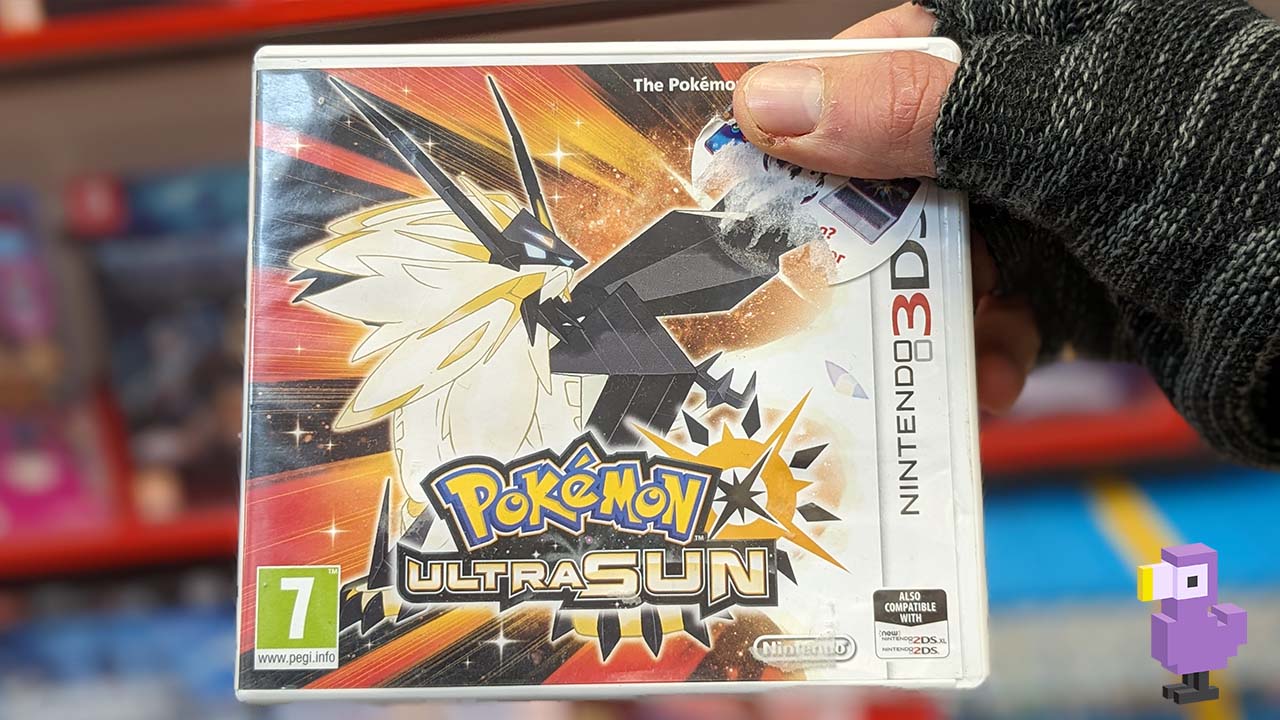
Pokémon Ultra Sun and Ultra Moon, released for the Nintendo 3DS, served as enhanced versions of Pokémon Sun and Moon, offering an expanded narrative and additional content. Set in the Alola region, these titles introduced new storylines centered around the mysterious Ultra Beasts and the legendary Pokémon Necrozma. Players encountered new Ultra Beasts and explored previously inaccessible areas of Alola, including Ultra Space. The games also featured new Z-Moves, new forms for legendary Pokémon, and a revamped storyline that provided a more in-depth and challenging experience. The visual presentation remained impressive, showcasing the capabilities of the 3DS and delivering a polished Pokémon adventure.
12. Pokémon Platinum (2008)

Pokémon Platinum, the definitive version of the fourth generation’s Pokémon Diamond and Pearl, brought significant improvements and new content to the Sinnoh region. Released for the Nintendo DS, Platinum offered an expanded storyline focusing on the Distortion World and the legendary Pokémon Giratina. The game introduced new areas to explore, a revamped Battle Frontier, and updated graphics that enhanced the visual appeal of Sinnoh. The inclusion of more mini-games and side activities provided players with a richer and more engaging experience. Platinum is often cited as one of the most well-rounded Pokémon games, offering a compelling narrative, a vast amount of post-game content, and a polished presentation.
13. Pokémon Diamond & Pearl (2006)

Pokémon Diamond and Pearl, launched for the Nintendo DS, marked a significant milestone for the franchise as the first main series games to feature online connectivity through the Nintendo Wi-Fi Connection. This innovation allowed players to battle and trade Pokémon with others from around the world, fostering a truly global Pokémon community. The games introduced the Sinnoh region, a land inspired by Hokkaido, Japan, and brought 107 new Pokémon into the mix. The introduction of the physical/special split for moves revolutionized battle strategy, adding a new layer of depth. Diamond and Pearl also expanded on side content, with features like Pokémon Contests and the Underground, offering diverse gameplay beyond the main quest.
14. Pokémon Omega Ruby & Alpha Sapphire (2014)
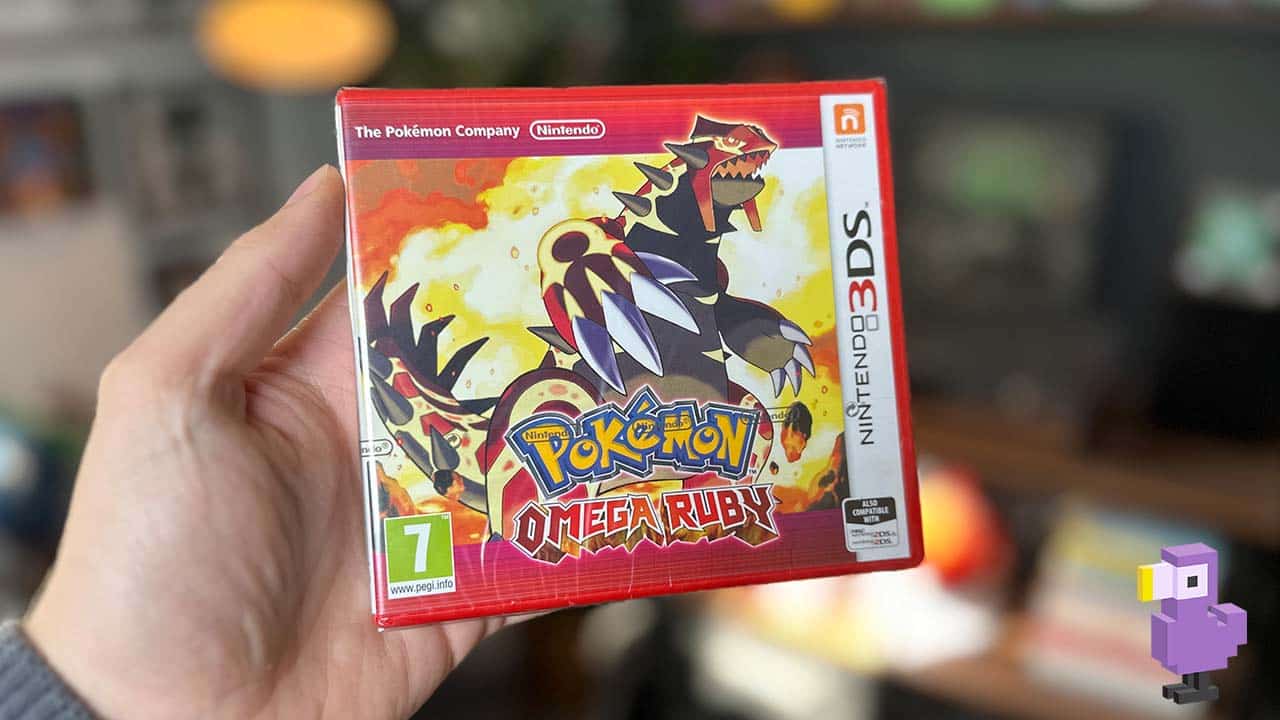
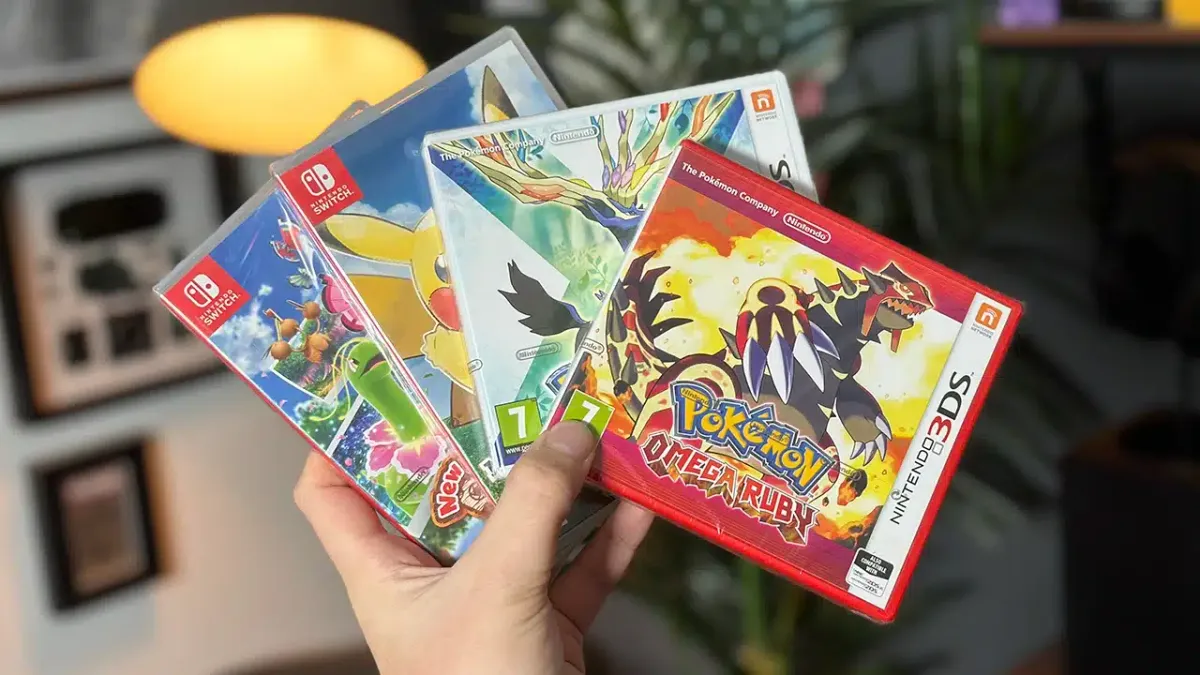
Pokémon Omega Ruby and Alpha Sapphire are enhanced remakes of the original Pokémon Ruby and Sapphire for the Game Boy Advance, released on the Nintendo 3DS. These titles revitalized the Hoenn region with a complete 3D graphical overhaul, stunning character models, and updated game mechanics. The games introduced Mega Evolutions and Primal Reversions, adding powerful new transformations for select Pokémon during battles. The storyline received an expanded focus on the legendary Pokémon Groudon and Kyogre, with a new narrative arc involving interdimensional beings known as "Devon Corporation." The inclusion of the Eon Ticket and the ability to traverse the Hoenn region via soaring on Latias or Latios provided a unique and immersive exploration experience.
15. Pokémon Trading Card Game (1998)

The Pokémon Trading Card Game for the Game Boy Color offered a unique digital adaptation of the wildly popular physical card game. This title provided a novel way to experience Pokémon battles, focusing on strategic card play rather than traditional RPG mechanics. Players engaged in turn-based duels against AI opponents, collecting and building decks of Pokémon, trainer, and energy cards. The game featured a progression system akin to the main series, with players challenging "Club Masters" who acted as gym leaders, culminating in a battle against the "Grand Masters" (equivalent to the Elite Four). Its addictive gameplay loop and faithful representation of the TCG mechanics made it a standout title, offering a different yet equally engaging Pokémon experience.
16. Pokémon Snap (1999) / New Pokémon Snap (2021)

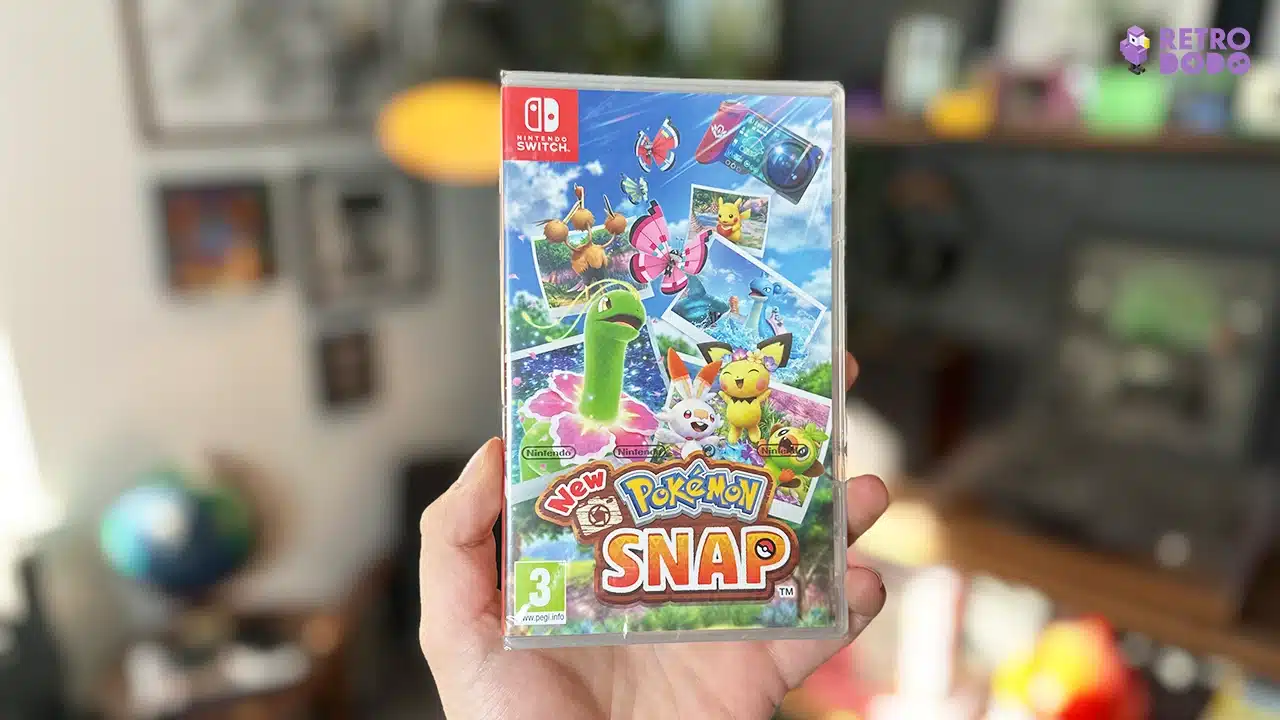
Pokémon Snap and its successor, New Pokémon Snap, offer a refreshing departure from the traditional Pokémon gameplay loop by focusing on photography. In these titles, players embark on an on-rails journey through various natural environments, tasked with capturing the most compelling photographs of Pokémon in their habitats. The original Pokémon Snap for the Nintendo 64 was praised for its innovative concept and its ability to showcase Pokémon in a peaceful, observational context. New Pokémon Snap for the Nintendo Switch built upon this foundation with vastly improved graphics, expanded levels, and a wider variety of Pokémon behaviors to discover and photograph. Both games emphasize patience, timing, and an eye for detail, rewarding players for capturing unique Pokémon interactions and poses.
17. Pokémon Colosseum (2003)
Pokémon Colosseum, released for the Nintendo GameCube, offered a distinct twist on the Pokémon formula by introducing a "Snagging" mechanic. Players assumed the role of a former Team Snagem member who liberates "Shadow Pokémon" from their trainers. This unique premise shifted the focus from capturing wild Pokémon to actively "rescuing" them from nefarious individuals. The game featured a gritty, urban setting and a more mature storyline than previous titles. Battles were primarily double battles, requiring strategic team composition. Colosseum also allowed players to transfer Pokémon from Pokémon Ruby and Sapphire, integrating it into the broader Pokémon ecosystem of the time. Its unique gameplay and darker tone set it apart as a memorable entry in the series.
18. Pokémon Mystery Dungeon: Blue Rescue Team and Red Rescue Team (2005)

The Pokémon Mystery Dungeon series, represented by Blue Rescue Team (GBA) and Red Rescue Team (DS), reimagined the Pokémon world from a completely different perspective. In these games, the player character is transformed into a Pokémon and must embark on rescue missions with a team of other Pokémon. The gameplay features roguelike elements, with procedurally generated dungeons and turn-based combat. The narrative often explores themes of friendship, identity, and the player’s role within the Pokémon world. The series is known for its heartfelt storytelling and its unique take on Pokémon interaction, allowing players to truly embody a Pokémon and understand their struggles and triumphs.
19. Pokémon XD: Gale of Darkness (2005)

Pokémon XD: Gale of Darkness, also for the Nintendo GameCube, expanded upon the concepts introduced in Pokémon Colosseum. Set in the Orre region, the game featured a narrative centered around "Shadow Pokémon," creatures corrupted by dark energy. Players assume the role of a young trainer who must purify these Pokémon and uncover the secrets of the villainous Shadow organization. The game retained the Snagging mechanic and double battles from Colosseum while introducing new Shadow Moves and a more robust story. The visually striking Shadow Lugia served as a compelling antagonist and a highly sought-after Pokémon for players. XD: Gale of Darkness is celebrated for its unique gameplay, engaging story, and its contribution to the darker, more mature side of the Pokémon universe.
20. Pokémon Sword & Shield (2021)

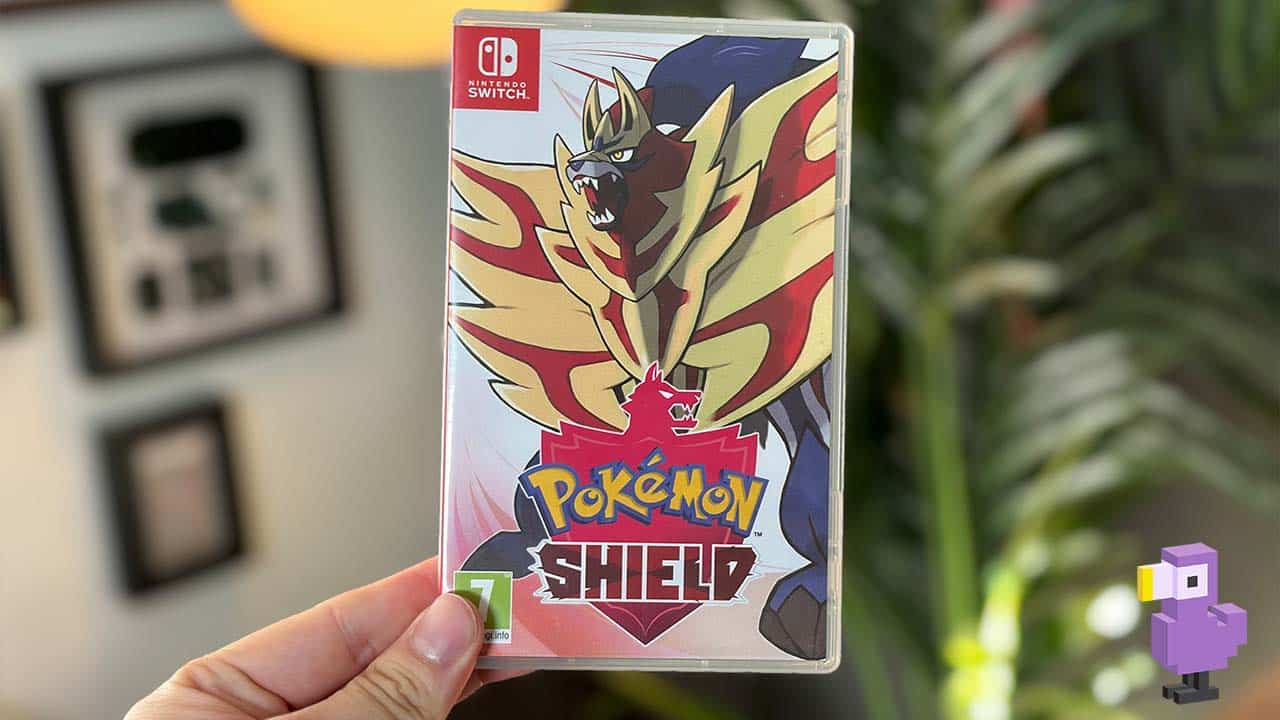
Pokémon Sword and Shield, released for the Nintendo Switch, introduced the Galar region, inspired by the United Kingdom. These titles embraced the series’ transition to a fully 3D console, featuring an open-world "Wild Area" that allowed for free-roaming exploration and dynamic Pokémon encounters. The introduction of Dynamax and Gigantamax transformations added a new layer of spectacle to battles. The games also featured a new region-specific mechanic, the "Max Raid Battles," where players team up to battle powerful Dynamaxed Pokémon. While met with some criticism for certain design choices and technical issues at launch, Sword and Shield offered a vast and engaging Galar region to explore, with a substantial amount of content, including extensive DLC expansions.
21. Pokémon Pinball (1999)
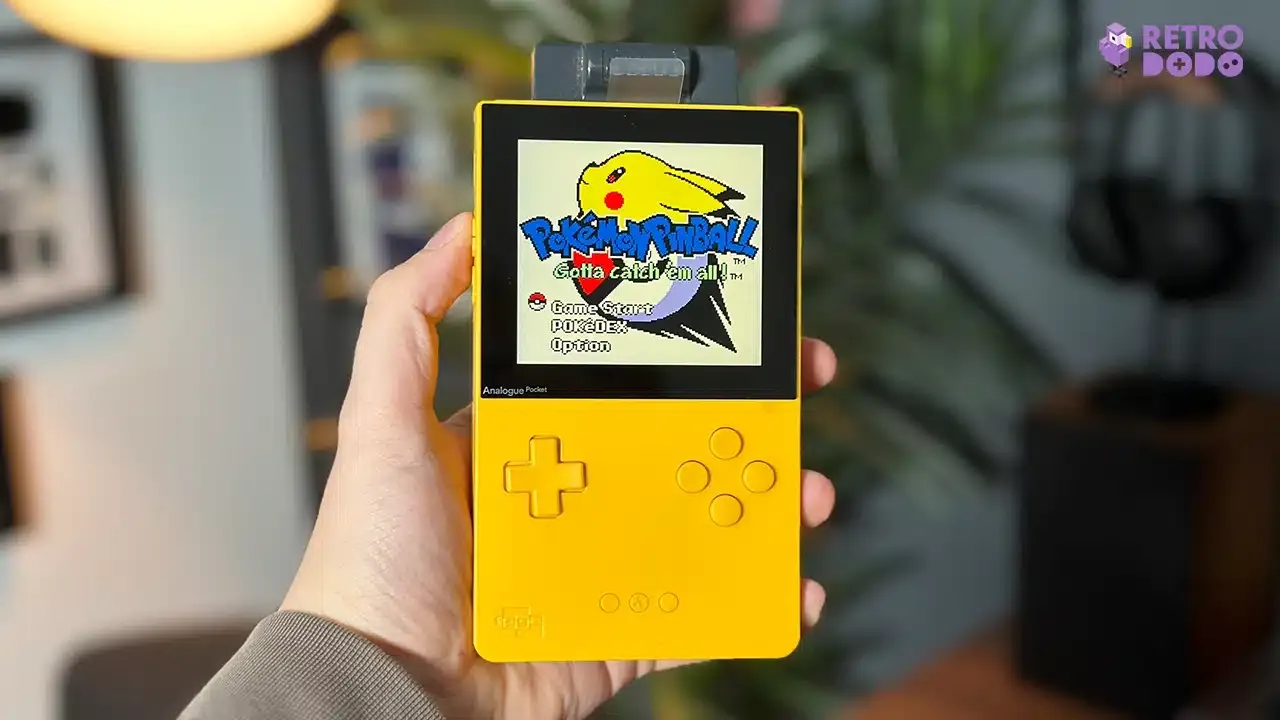
Pokémon Pinball, released for the Game Boy Color, offered a delightful and surprisingly deep take on the pinball genre, infused with Pokémon charm. The game featured two distinct pinball tables, a Red Table and a Blue Table, each themed after elements from the original Pokémon Red and Blue games. Players used their flippers to keep the pinball (a Poké Ball) in play, aiming to capture Pokémon, evolve them, and activate various bonus modes. The game cleverly integrated Pokémon mechanics, such as having to battle wild Pokémon encountered on the table to capture them. Its addictive gameplay, charming presentation, and innovative use of the Pokémon IP made it a standout title in the Game Boy Color library.
22. Pokémon Scarlet & Violet (2022)
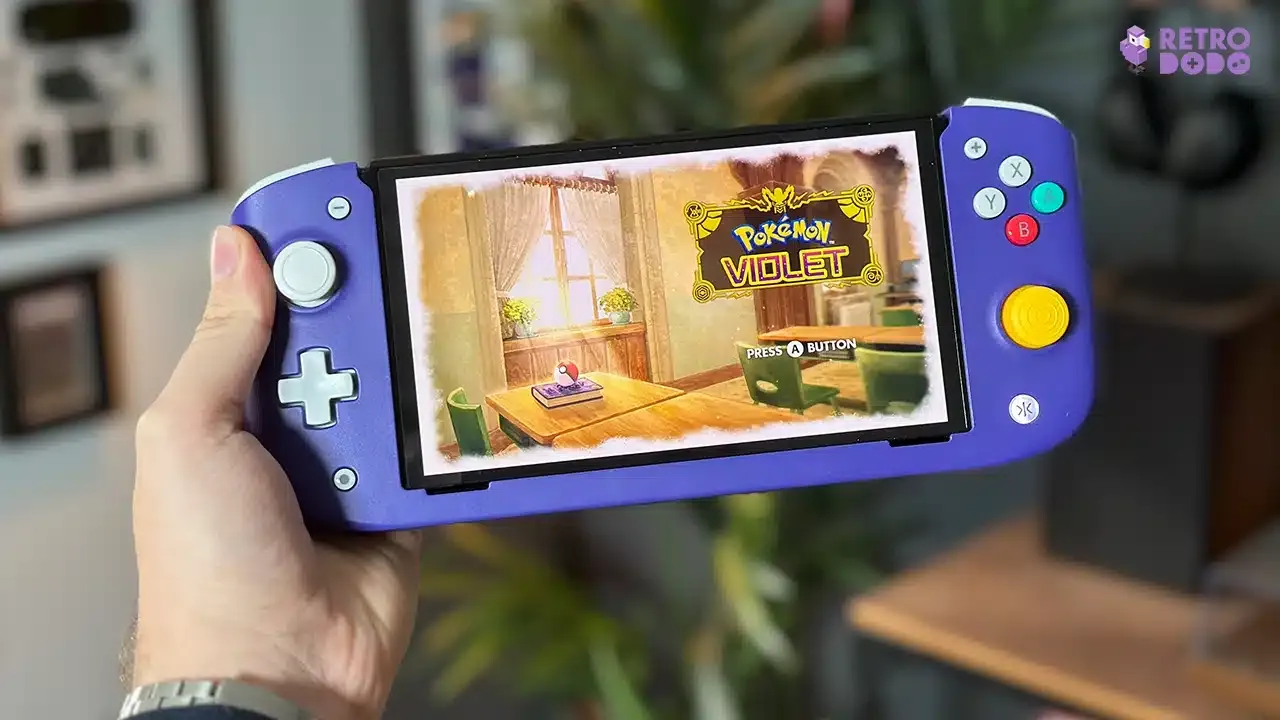
Pokémon Scarlet and Violet, launched for the Nintendo Switch, introduced the Paldea region, a vast open-world environment that allowed for unprecedented freedom of exploration. These titles featured over 100 new Pokémon, including the rideable Koraidon and Miraidon, and introduced the Terastal phenomenon, which allowed Pokémon to change their type and gain unique abilities. The games offered a non-linear approach to progression, allowing players to tackle challenges in any order they chose. Despite initial concerns regarding performance and graphical fidelity, Scarlet and Violet provided a substantial and ambitious Pokémon adventure. The inclusion of DLC expansions, "The Hidden Treasure of Area Zero," further expanded the Paldea region with new areas, Pokémon, and storylines, offering a continued journey for dedicated players.
23. Pokémon Legends: Arceus (2021)
Pokémon Legends: Arceus, released for the Nintendo Switch, represented a radical reimagining of the Pokémon formula, leaning heavily into an open-world action-adventure experience. Set in the ancient Hisui region (the precursor to Sinnoh), the game shifted the focus to exploration, research, and real-time Pokémon catching mechanics. Players were tasked with surveying Pokémon in their natural habitats, completing Pokédex entries through observation and interaction rather than solely through battle. The game featured a more dynamic and challenging combat system, with Pokémon capable of attacking players directly. Pokémon Legends: Arceus was praised for its innovative gameplay, its engaging storyline, and its bold departure from traditional Pokémon conventions, offering a fresh and exciting perspective on the beloved franchise.
The evolution of Pokémon games is a testament to Nintendo’s commitment to innovation and its understanding of what makes the franchise so beloved. From the pixelated beginnings of Kanto to the expansive open worlds of Paldea, each generation has built upon the foundations of its predecessors, offering new adventures, creatures, and ways to connect with the Pokémon universe. This curated list reflects the titles that have not only achieved commercial success but have also left an indelible mark on the hearts and minds of trainers worldwide.








