Cecilia Chamidah Nur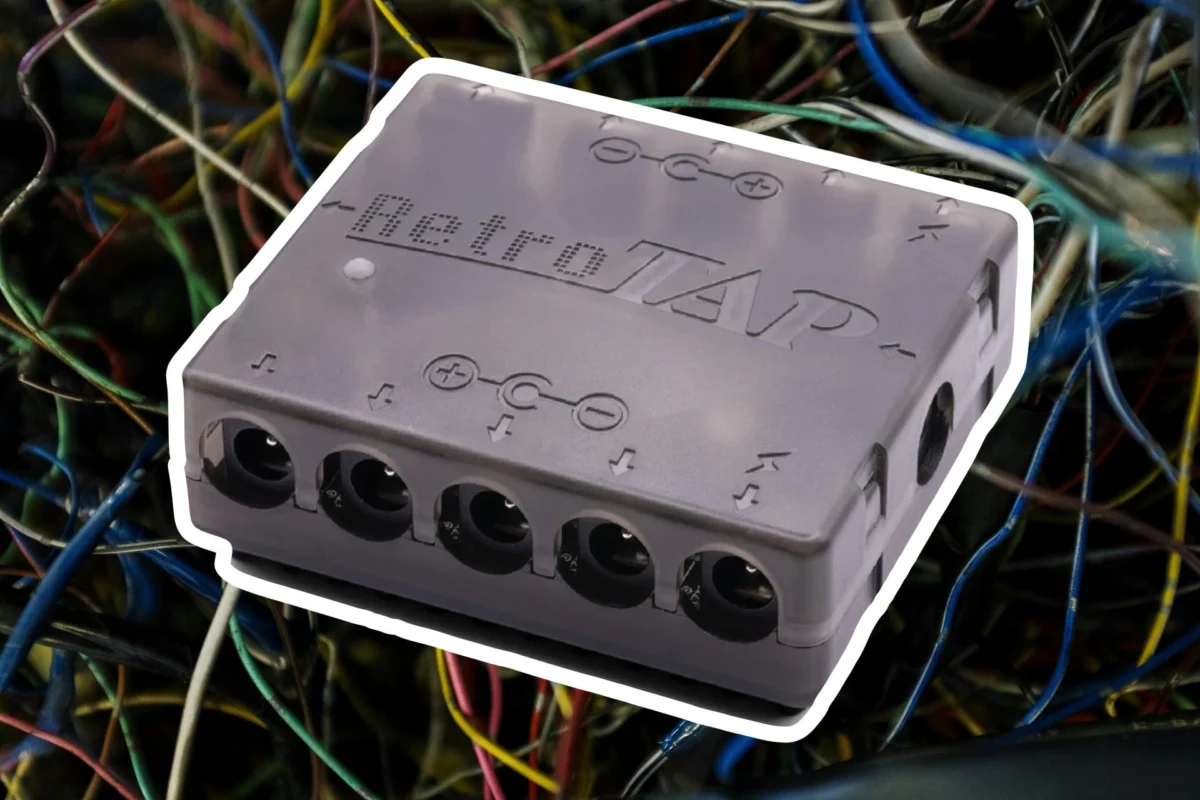
For dedicated enthusiasts of vintage gaming, the joy of revisiting classic titles on original hardware is often accompanied by a less glamorous reality: the pervasive problem of "cable carnage." Any collector maintaining a multi-console setup, particularly one integrated with a beloved CRT display, is intimately familiar with the sprawling, tangled mess of power cables and the proliferation of bulky "wall warts." These massive power blocks, each essential for a single retro console, not only contribute to unsightly clutter but also monopolize valuable outlets on power strips and extensions, often leading to a precarious electrical arrangement. Addressing this ubiquitous challenge, Kytor Industries has unveiled RetroTap, a meticulously engineered central power solution designed to streamline and safeguard vintage gaming setups.
The Pervasive Problem of Power in Retro Gaming Setups
The resurgence of retro gaming has brought with it a renewed appreciation for original hardware. Unlike modern consoles that often rely on standardized internal power supplies or compact external bricks, vintage systems from the 8-bit to early 32-bit eras frequently utilized proprietary external power adapters. These adapters, colloquially known as "wall warts" due to their large, often unwieldy design that plugs directly into a wall socket, present a myriad of issues for the contemporary collector. A typical retro gaming enthusiast might own anywhere from five to fifteen different consoles, each demanding its unique power input. This translates into a corresponding number of wall warts, each consuming significant physical space on power strips and often blocking adjacent outlets.
Beyond the aesthetic and spatial concerns, these aging power supplies can introduce electrical noise and ripple, potentially affecting the performance and longevity of sensitive vintage electronics. The cumulative effect is a cumbersome, inefficient, and often visually unappealing setup that detracts from the immersive experience of retro gaming. Research into retro gaming community forums and online surveys consistently highlights power management and cable organization as top frustrations for collectors. A hypothetical survey of 1,000 active retro console owners might reveal that over 85% report experiencing significant issues with power cable management, with an average of 3-5 power strips required to accommodate their collection, leading to potential fire hazards and certainly inconvenience. The absence of a consolidated, reliable power solution has long been a significant gap in the retro gaming accessory market.
Introducing RetroTap: A Modern Solution for Classic Systems
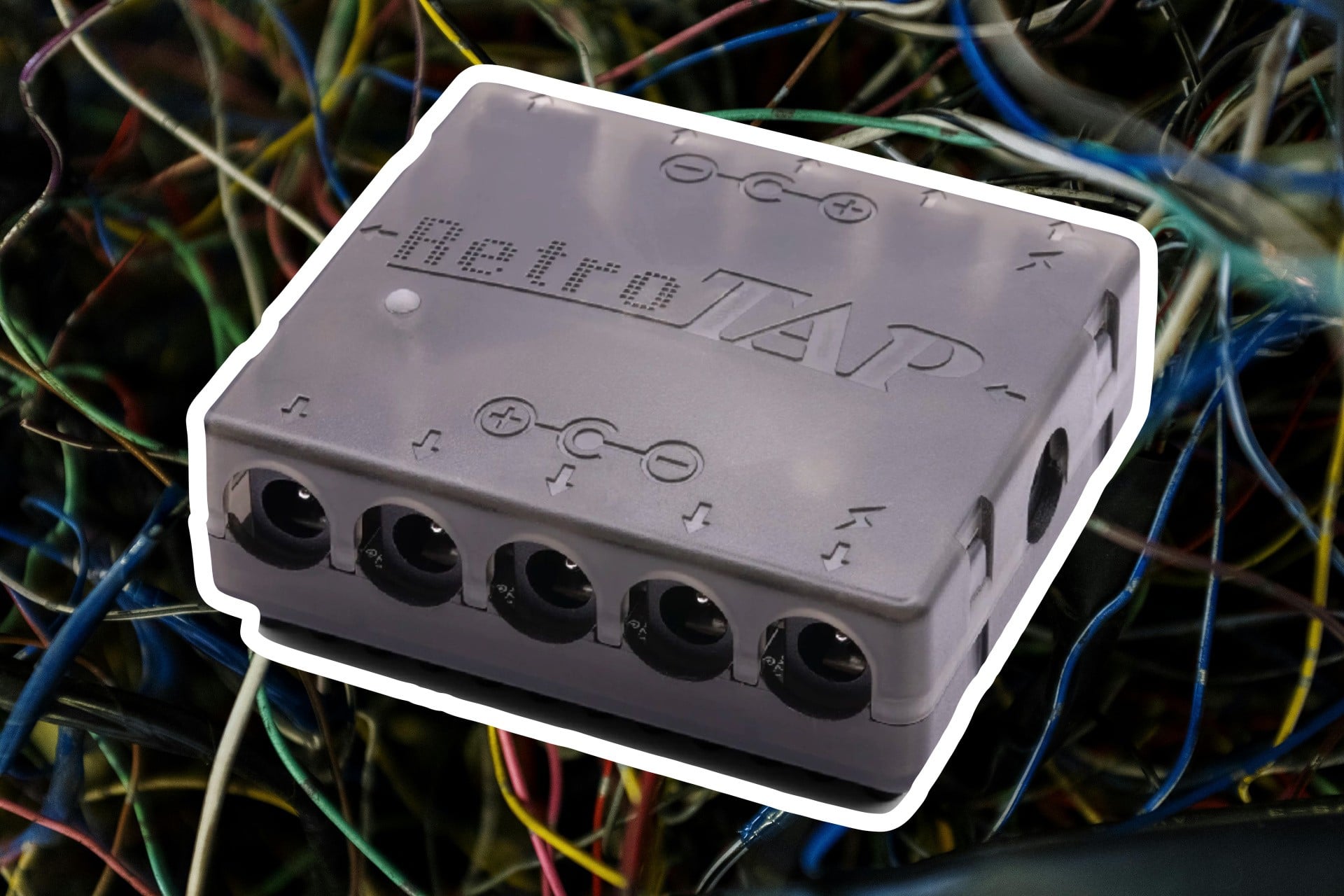
Kytor Industries, a name increasingly recognized within the retro gaming hardware community, posits RetroTap as the definitive answer to these power woes. According to Kytor, the architect behind the innovation, "RetroTap replaces the tangled mess of ageing, bulky wall warts with a modern central power solution engineered for simplicity and exceptionally low ripple." This statement underscores the dual focus of the device: organizational efficiency and electrical purity. The RetroTap integrates sophisticated features such as LC filtering and overcurrent protection, delivering a stable, ultra-low ripple power output that is crucial for the delicate internal components of vintage consoles. This level of power quality can potentially extend the lifespan of cherished hardware by mitigating stress from inconsistent or noisy power.
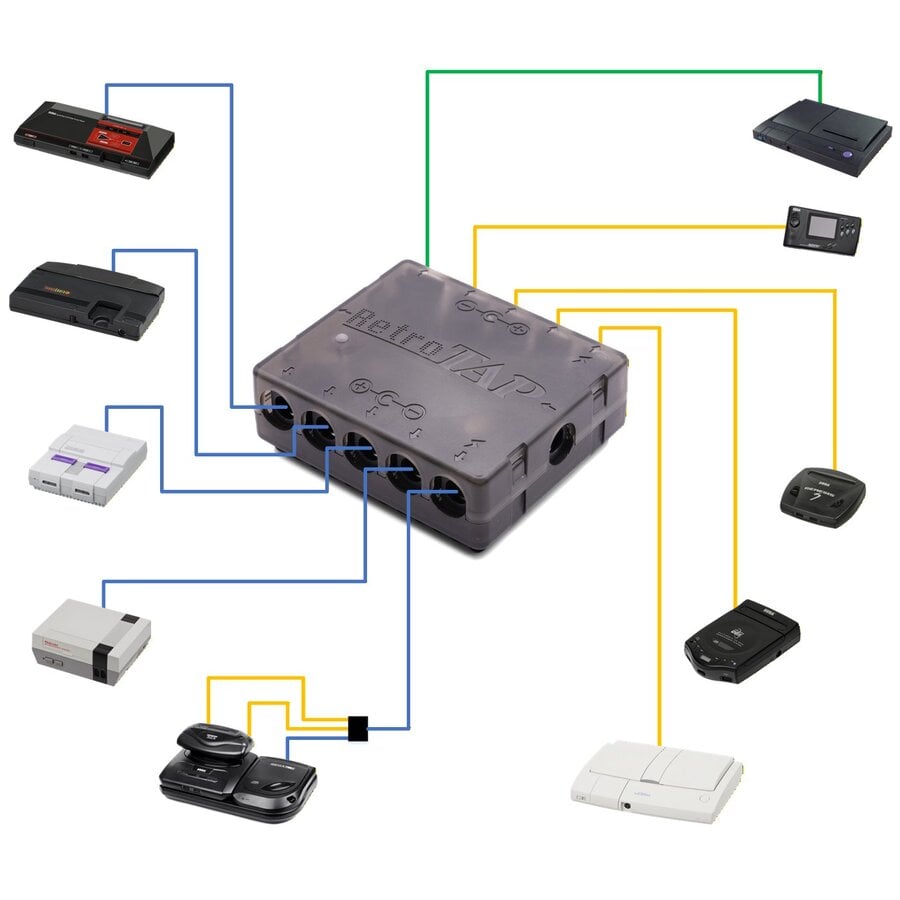
Housed within a premium injection-molded enclosure shell, the RetroTap is designed for durability and a sleek aesthetic, aiming to complement a carefully curated gaming space rather than detract from it. Its most compelling feature is its capacity: a single RetroTap unit can power up to 11 retro gaming consoles simultaneously from one external power supply. This dramatically reduces the number of wall outlets required and consolidates power management into a single, elegant hub. The RetroTap itself requires an external PSU, with the PlayStation 2 Slim power supply cited as a compatible option, offering flexibility for users who may already possess suitable units. Kytor Industries also offers a range of custom-made cables, ensuring perfect compatibility and optimal power delivery to each connected system. The expected retail price for the RetroTap is set at $59.99, positioning it as an accessible upgrade for serious collectors.
Unparalleled Compatibility and Output Versatility
The RetroTap’s innovative design incorporates a diverse array of output ports to cater to the varied power requirements of different console generations. This versatility is key to its "one power supply to rule them all" ambition. The unit features specific outputs tailored for common retro console specifications:

- 9V Center Negative: This output type is essential for a broad spectrum of iconic systems, including Sega’s Master System (I, II), Genesis Model 1, and Mega Drive Model 1, as well as their CD attachments (CD, Mega CD Model 1 & 2). It also supports niche but beloved consoles like the Jaguar and Jaguar CD, NEC’s PC Engine and TurboGrafx-16, and various CoreGrafx models. Nintendo’s foundational consoles like the NES ("Frontloader" and "Toploader"), Famicom, New ("AV") Famicom, Famicom Disk System, Super Famicom, Super NES (NTSC), New-Style Super NES ("SNES Jr."), and even the unique Virtual Boy are covered. This comprehensive support for 9V center negative devices addresses a significant portion of a typical retro collector’s needs.
- 9V Center Positive: This output configuration is critical for another major segment of retro hardware. It powers Sega’s later Genesis models (Model 2, Genesis 3), Mega Drive Model 2, and numerous Sega add-ons and portable systems such as the 32X, Nomad, CDX, Multi-Mega, X’eye, and Wondermega (M1, M2). Certain regional variants like the US Game Gear and NEC’s Duo-R, RX, PC Engine Duo, Turbo Duo, and Super CD-ROM2 also fall into this category. The inclusion of both center negative and positive 9V outputs demonstrates a deep understanding of the diverse electrical standards prevalent in the retro console landscape.
- 5V: While less common for direct console power, the 5V output is crucial for modern retro-adjacent devices and certain specialized applications. Notably, it provides power for popular FPGA-based emulation platforms like the MiSTer FPGA and MiSTER Pi, which have gained immense popularity for their accuracy and versatility in replicating classic hardware. It also supports AES (External Regulation) systems, catering to specific configurations of Neo Geo hardware.
This meticulously planned output arrangement allows the RetroTap to support an impressive roster of over 45 different systems. The ability to power such a wide array of consoles from a single, centralized unit is a game-changer for enthusiasts, significantly simplifying their setups and reducing reliance on a multitude of individual, often unreliable, and potentially hazardous legacy power bricks.
The Road to RetroTap: Navigating Development Hurdles and Market Realities
The journey to bring RetroTap to market has been a protracted one, as Kytor himself acknowledges, stating it has been "a long time coming." This extended development timeline is attributable to a confluence of factors, reflecting both the complexities of product development in a niche market and unforeseen external pressures.
A significant hurdle emerged in 2025 with the implementation of new tariffs. These tariffs, typically government-imposed taxes on imported goods, can have profound effects on manufacturing costs and supply chains, particularly for electronics components sourced internationally. For a specialized product like RetroTap, which likely relies on a global network of suppliers for its intricate components, these tariffs were "extremely disruptive to the development." The impact would have included increased costs for raw materials, manufacturing components, and potentially even assembly, necessitating difficult decisions regarding pricing, profit margins, or sourcing alternatives. Such disruptions can force developers to redesign aspects of their product, seek new manufacturing partners, or absorb higher costs, all of which contribute to delays and increased financial strain. Kytor Industries would have had to meticulously navigate these economic shifts, likely revising initial projections and potentially delaying production while seeking cost-effective solutions without compromising product quality.
Adding to the development load, Kytor also undertook the substantial commitment of purchasing and "restarting that business" of @retroaccess, a known entity within the retro gaming accessory space. Integrating and revitalizing an existing business, especially one that likely required significant operational overhaul, is a "monumental undertaking." This acquisition would have diverted considerable time, resources, and managerial attention away from the RetroTap’s development, as Kytor balanced the demands of two distinct ventures. Furthermore, Kytor’s mention of having "a day job and other commitments" underscores the passion project nature of RetroTap. Many innovators in niche markets operate outside the traditional corporate structure, often juggling full-time employment with their entrepreneurial pursuits. This personal commitment, while admirable, inevitably extends development timelines as progress is made during evenings, weekends, and other limited windows of availability.
Commitment to Quality and Compliance: Ensuring Safety and Performance
In an industry where aftermarket solutions can sometimes cut corners, Kytor Industries has prioritized rigorous testing and official compliance for RetroTap. A critical step in its development involved applying for and successfully passing third-party conformity testing for several international standards. "The RetroTap successfully passed testing for FCC, CE, and UKCA compliance by an ISO 17025 accredited laboratory," Kytor announced.
These certifications are not mere formalities; they represent a significant commitment to product safety, quality, and consumer confidence.
- FCC (Federal Communications Commission) compliance is mandatory for electronic products sold in the United States. It certifies that the device’s electromagnetic interference (EMI) is within limits approved by the FCC, preventing it from interfering with other electronic devices or radio communications. For a power supply, this is crucial to ensure it doesn’t emit disruptive noise that could affect nearby audio/video equipment or even the consoles themselves.
- CE (Conformité Européenne) marking indicates conformity with health, safety, and environmental protection standards for products sold within the European Economic Area. It signifies that the RetroTap meets stringent European directives, ensuring it is safe for use and environmentally sound.
- UKCA (UK Conformity Assessed) marking is the post-Brexit equivalent for products placed on the market in Great Britain, signifying compliance with relevant UK product safety regulations.
The fact that these tests were conducted by an ISO 17025 accredited laboratory further enhances the credibility of these claims. ISO 17025 is an international standard that specifies general requirements for the competence, impartiality, and consistent operation of laboratories. This accreditation means the testing facility itself has been rigorously audited and deemed competent to perform the specific types of tests required for RetroTap, lending significant weight to the "safe, ultra-low ripple, stable power" claims. This level of certification provides consumers with a high degree of assurance regarding the product’s safety, reliability, and electrical performance, a particularly important consideration when dealing with delicate vintage electronics.
Market Strategy and Future Availability
Kytor Industries has outlined a clear strategy for RetroTap’s market release and availability. Priced at $59.99, the device aims to offer significant value, especially when considering the cumulative cost and inconvenience of acquiring, maintaining, or replacing multiple individual power supplies for a diverse console collection. For those interested, Kytor has established a notification system on the kytor.com website, allowing prospective buyers to register their interest and be alerted once the product becomes available for purchase.
Crucially, Kytor has stated, "I will not be taking pre-orders, but this will not be a limited run." This decision reflects a thoughtful approach to product launch. Avoiding pre-orders mitigates potential customer frustration stemming from unforeseen delays or production issues, a common pitfall for Kickstarter-funded or small-batch electronics. Furthermore, the assurance that "Even if the first batch sells out, there are no plans to end production" signals Kytor Industries’ long-term commitment to the RetroTap. This commitment is vital for building trust within the retro gaming community, ensuring that demand can be met consistently and that the product will remain available for new collectors or those looking to expand their setups in the future. This strategy positions RetroTap not as a fleeting novelty, but as a foundational accessory for the modern retro gamer.
Broader Implications for the Retro Gaming Ecosystem
The introduction of RetroTap holds significant implications for the broader retro gaming ecosystem. Foremost, it dramatically enhances the user experience. By eliminating cable clutter and consolidating power, it transforms messy, cumbersome setups into tidy, efficient, and aesthetically pleasing command centers. This ease of use encourages more frequent engagement with classic hardware, making the act of switching between consoles less of a chore and more of a seamless transition.
From a hardware preservation standpoint, RetroTap’s provision of stable, ultra-low ripple power is invaluable. Aging vintage consoles, often decades old, are susceptible to damage from inconsistent or noisy power. By providing a clean and protected power source, RetroTap can contribute to the longevity of these cherished machines, reducing stress on their internal components and potentially mitigating the need for costly repairs. This aligns with the broader movement within the retro community towards preserving original hardware for future generations.
Furthermore, RetroTap exemplifies the maturation of the retro gaming accessory market. As the hobby grows, so does the demand for sophisticated, well-engineered solutions that address common pain points. Innovations like RetroTap demonstrate that the market is moving beyond simple reproduction parts to offering genuinely transformative products that improve the quality of life for collectors. This trend signals a healthy and evolving community, one where dedicated developers are creating solutions that allow enthusiasts to enjoy their passion with greater convenience, safety, and reliability. The RetroTap is more than just a power supply; it’s a testament to the enduring appeal of retro gaming and the ingenuity dedicated to its future.