Edi Durjana
The highly anticipated RetroArch 1.20.0 has officially been released, marking a significant milestone in the evolution of cross-platform emulation and digital preservation. This latest iteration introduces a suite of advanced features designed to elevate the user experience, most notably a revolutionary CRT beam simulation shader leveraging "subframe" capabilities and pioneering illuminance sensor support for Linux, including the popular Steam Deck. The update underscores RetroArch’s unwavering commitment to delivering cutting-edge performance and authenticity without compromising its user-centric, ad-free philosophy.
The new version, available immediately for download across supported platforms, is the culmination of extensive development efforts by the Libretro team and its global community of contributors. RetroArch, an open-source frontend for emulators, game engines, video games, media players, and other applications, has long been a cornerstone for retro gaming enthusiasts. Its unique "libretro" API allows for modular "cores" that provide the emulation logic, offering unparalleled flexibility and compatibility across a vast array of systems. Since its inception, the project has championed the preservation of video game history, providing a unified and highly configurable interface that transcends the limitations of individual emulators.
The Evolution of RetroArch: A Commitment to Preservation and User Experience
RetroArch’s journey began as a proof-of-concept for the Libretro API, evolving rapidly into the sophisticated, feature-rich platform it is today. Its core philosophy revolves around providing a universal wrapper for various game emulators and media players, consolidating numerous disparate projects under a single, intuitive interface. This approach not only simplifies the user experience but also fosters a collaborative development environment where innovations in one core can potentially benefit many. The project’s dedication to being free from in-app advertisements, monetization SDKs, and paywalled features stands in stark contrast to many contemporary software models, reinforcing its mission to prioritize the end-user’s experience above all else. This commitment has fostered a strong, loyal community that actively supports the project through various means, ensuring its continued growth and development.
Historically, RetroArch has consistently pushed the boundaries of what is possible in emulation. Early versions focused on robust multi-platform compatibility and a highly customizable user interface. Over the years, features such as advanced shader support, netplay for online multiplayer, rewind capabilities, and sophisticated input remapping have solidified its position as a premier tool for digital preservation and retro gaming. Each release typically bundles performance optimizations, bug fixes, and expanded support for new hardware and operating systems, reflecting an ongoing iterative process of refinement and innovation. The 1.20.0 update builds upon this legacy, introducing features that address some of the most persistent challenges in accurately replicating vintage gaming experiences on modern hardware.
Revolutionizing Visuals: The Subframe Shader Technology
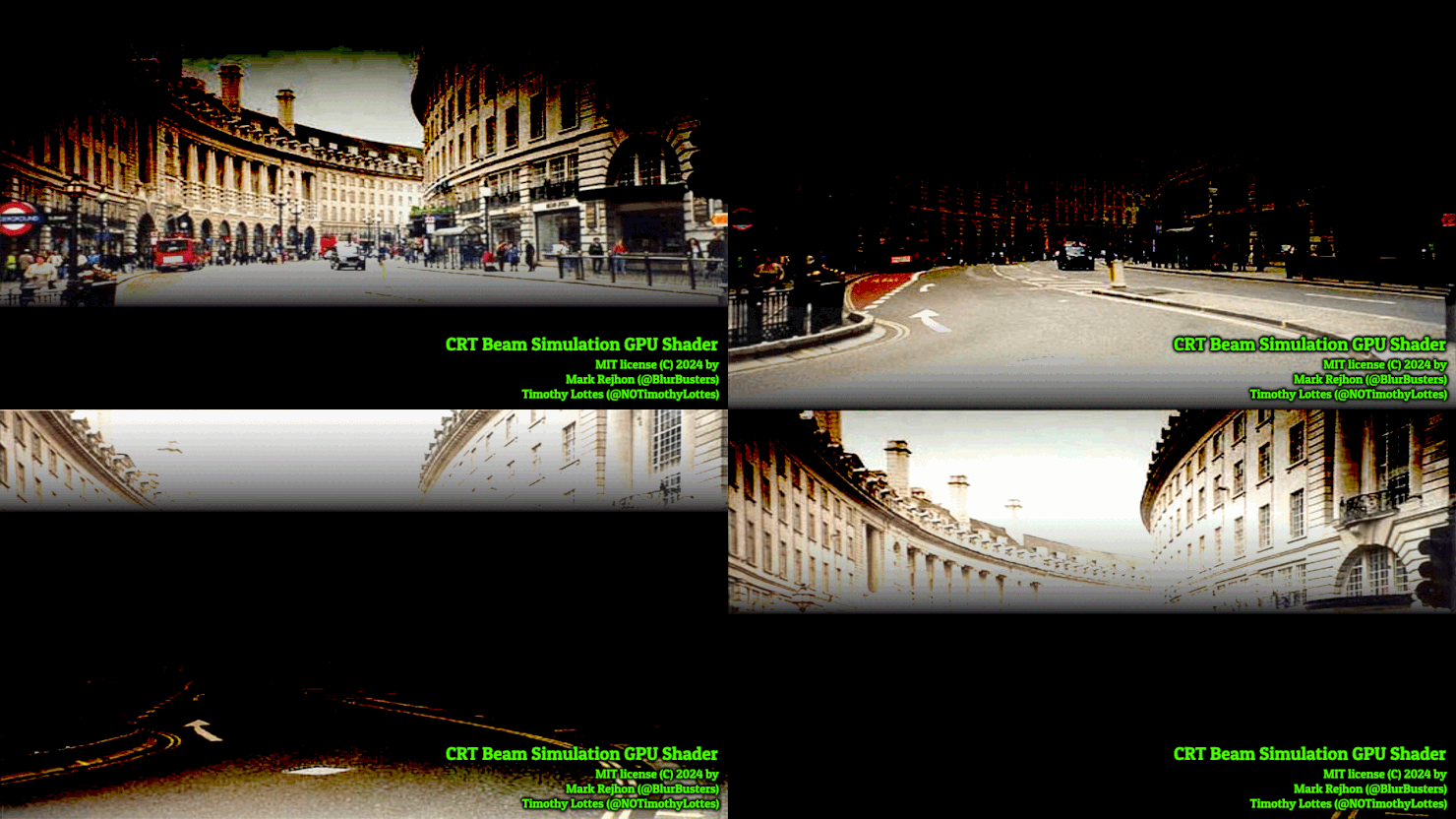
One of the most significant advancements in RetroArch 1.20.0 is the introduction of a sophisticated CRT beam simulation shader, a collaborative effort between Mark Rejhon of BlurBusters and Timothy Lottes, renowned for his original FXAA shader and crt-lottes contributions. This groundbreaking shader leverages RetroArch’s newly implemented "subframe" capabilities to deliver dramatically improved motion clarity on contemporary displays, effectively mitigating many of the drawbacks associated with traditional black-frame insertion (BFI) techniques.
A New Frontier in CRT Simulation
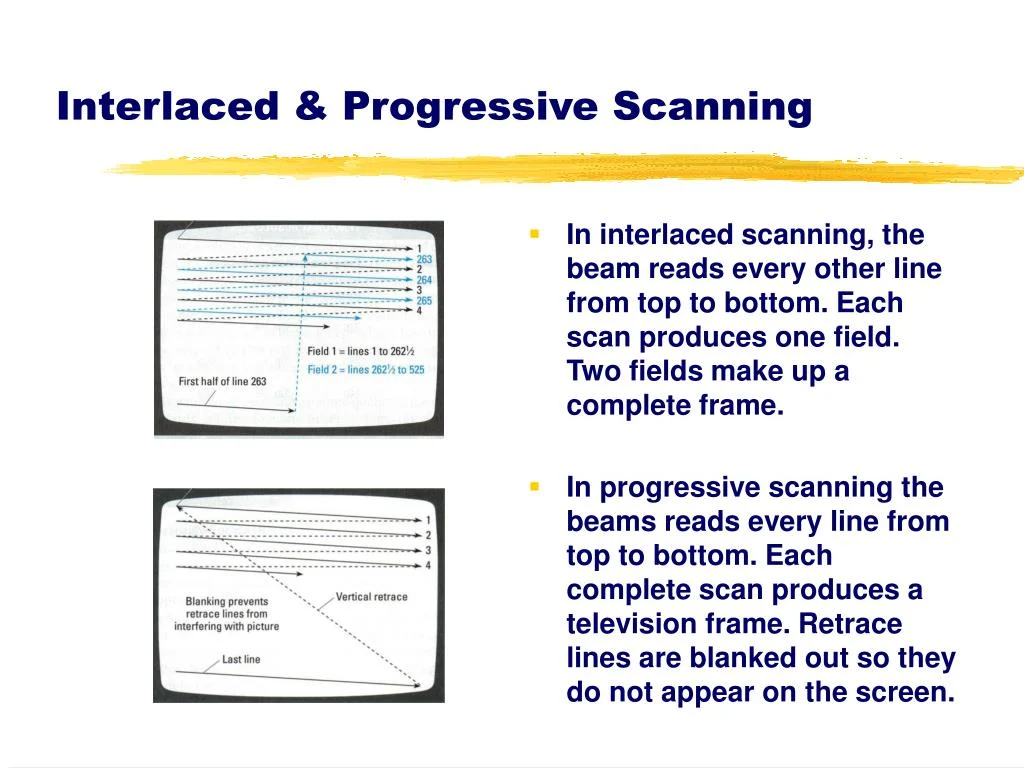
The quest for authentic CRT aesthetics on modern LCD and OLED displays has been a long-standing challenge for retro gaming enthusiasts. Traditional CRT monitors, with their phosphorescent glow and scanning electron beams, produced unique visual characteristics like motion blur, scanlines, and bloom that were integral to the original gaming experience. Modern displays, with their sample-and-hold technology, often render these games with a "stroboscopic" effect, leading to a perceived lack of motion clarity that can detract from the intended visual fidelity.
Black-frame insertion (BFI) has been a common technique to address this by inserting a black frame between each rendered frame, effectively reducing the persistence of vision and simulating the flicker of a CRT. However, BFI comes with significant trade-offs: a noticeable reduction in overall screen brightness, dulled colors, and a heightened risk of image persistence – the temporary retention of an image on the screen, often mistaken for "burn-in," particularly problematic on certain LCD and OLED panels. These issues have limited the widespread adoption and effectiveness of BFI for many users.
The new CRT beam simulation shader bypasses these limitations by utilizing RetroArch’s advanced subframe rendering pipeline. While the specific technical details are explored in a separate, dedicated article, the core concept involves manipulating the display output at a sub-frame level, allowing for more precise control over how each pixel is rendered and refreshed. This enables the shader to emulate the nuanced behavior of a CRT’s electron beam, including its dynamic illumination and decay characteristics, without the crude brightness reduction of BFI. The result is a more fluid and authentic presentation of classic games, preserving the original motion clarity and visual "feel" without sacrificing brightness or color vibrancy, and crucially, without posing a risk to panel longevity.
The involvement of Mark Rejhon, a recognized authority on display motion clarity and founder of BlurBusters.com, brings invaluable expertise to this development. BlurBusters has long been at the forefront of researching and advocating for improved motion performance in displays, providing critical insights into how humans perceive motion on screens. Timothy Lottes, with his extensive background in real-time graphics and shader development, particularly his seminal work on FXAA (Fast Approximate Anti-Aliasing) and his popular CRT-Lottes shaders, further solidifies the technical prowess behind this innovation. Their combined efforts represent a significant leap forward in the quest for perfect retro display emulation, demonstrating the power of collaborative open-source development in tackling complex technical challenges. This feature not only enhances the visual experience for classic titles but also sets a new standard for how display technology can be leveraged to achieve historical accuracy in digital media.
Immersive Gameplay: Real-World Light Sensor Integration for Linux
Beyond visual fidelity, RetroArch 1.20.0 introduces another groundbreaking feature focused on enhancing gameplay authenticity: illuminance sensor support for Linux. This innovation, spearheaded by developer Jesse Talavera, directly addresses a unique challenge presented by certain classic games that integrated real-world environmental factors into their mechanics.
Bringing Sunlight to Emulation
The most prominent example of this ingenious design is the Konami series Boktai: The Sun Is in Your Hand for the Game Boy Advance, and its spiritual successor, Lunar Knights for the Nintendo DS. These games featured a solar sensor built into the game cartridges, requiring players to physically expose their Game Boy Advance or DS console to sunlight to recharge weapons, activate abilities, or progress through certain puzzles. This innovative mechanic, while celebrated for its creativity, posed a significant hurdle for emulation, as there was no native way for a software emulator to interact with real-world light levels. Consequently, players often had to resort to workarounds or simply bypass these mechanics, diminishing the intended gameplay experience.
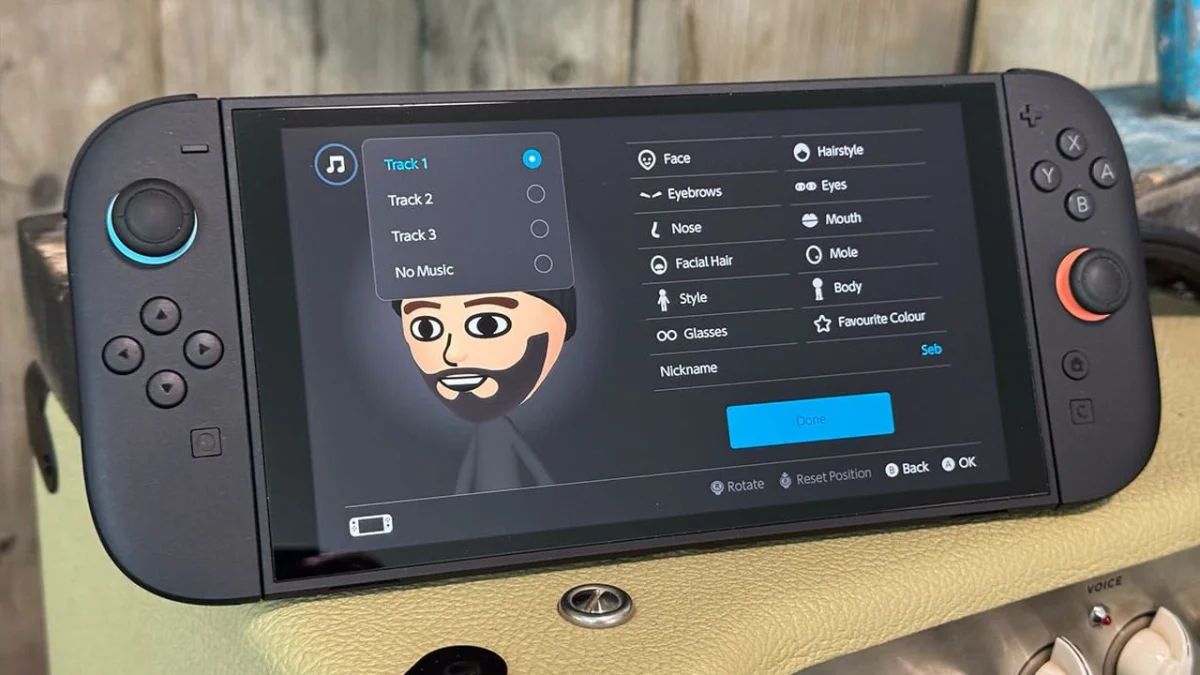
Jesse Talavera’s work directly resolves this long-standing issue. By integrating support for illuminance sensors available on various Linux devices, RetroArch can now translate real-world ambient light data into in-game values. This means players can now experience games like Boktai and Lunar Knights precisely as their creators intended, using actual light to influence gameplay. A compelling demonstration showcased Lunar Knights running on a Steam Deck, with the game’s light-sensitive mechanics responding dynamically as the ambient lighting around the device was adjusted. This not only breathes new life into these classic titles but also serves as a powerful testament to the lengths the RetroArch community goes to preserve and enhance the historical accuracy of gaming experiences.
The integration with the Steam Deck is particularly noteworthy. As a popular portable Linux-based gaming device, the Steam Deck’s built-in sensors make it an ideal platform for this feature, allowing for authentic Boktai gameplay on the go. This development not only offers a niche but deeply significant improvement for specific titles but also paves the way for future hardware integrations. The announcement further teases that the next update for the melonDS DS core will include solar sensor support, alongside plans for camera support across more platforms. This opens up exciting possibilities for emulating other hardware-dependent game mechanics, such as those found in games that utilized the Game Boy Camera or PlayStation Eye. The initiative extends the very definition of game preservation, moving beyond just software emulation to encompass the faithful recreation of original hardware interactions.
Sustaining Innovation: RetroArch’s Community-Driven Model
The continued development and release of significant updates like 1.20.0 are a direct result of RetroArch’s unique operational model. Unlike many commercial software projects, RetroArch is entirely community-driven and relies heavily on the support and contributions of its users. The project proudly operates without in-app advertisements, monetization SDKs, or paywalled features, a philosophy that has earned it immense respect within the open-source and retro gaming communities. This stance is not merely a preference but a core tenet, ensuring that the user’s experience remains pure and unencumbered by commercial pressures.
To sustain its ambitious development roadmap, RetroArch depends on various forms of community support. Financial contributions are crucial, and the project offers several avenues for users to show their appreciation and help fund ongoing work. These include direct donations, support through platforms like Patreon, which provides recurring contributions from dedicated patrons, and more recently, the option to sponsor the project on GitHub Sponsors. These platforms allow individuals and organizations to directly contribute to the developers, ensuring they can dedicate time and resources to refining the software, researching new features, and maintaining compatibility across an ever-expanding ecosystem of hardware and operating systems.
Furthermore, the RetroArch community extends beyond financial backing. The open-source nature of the project means that developers worldwide can contribute code, fix bugs, improve documentation, and provide essential feedback. This collaborative environment accelerates development, enhances stability, and fosters a sense of collective ownership. The sale of official merchandise through the Teespring store also provides an additional revenue stream, allowing enthusiasts to proudly display their support while contributing to the project’s financial health. This multi-faceted approach to funding and community engagement is essential for a project of RetroArch’s scale and ambition, enabling it to remain at the forefront of emulation technology while staying true to its founding principles.
Beyond the Headlines: Comprehensive System Enhancements
While the subframe shader and illuminance sensor support are undoubtedly the standout features of RetroArch 1.20.0, a major release of this magnitude typically encompasses a broad spectrum of other critical improvements. Although the provided changelog was not detailed, such updates invariably include a host of performance optimizations across various cores and platforms, leading to smoother gameplay and more efficient resource utilization. These optimizations can range from minor code tweaks to significant architectural improvements, all aimed at enhancing the overall stability and speed of the application.
Bug fixes are another cornerstone of any major software release. The RetroArch team diligently works to address reported issues, ranging from minor graphical glitches and audio desynchronization to more critical crashes and compatibility problems. These fixes are vital for improving the reliability of the software and ensuring a consistent, frustration-free experience for users across its myriad supported systems.
Furthermore, updates often bring general user interface and user experience enhancements, making the application more intuitive and accessible. This could involve refinements to menu navigation, improved settings organization, or better visual feedback mechanisms. Expanded hardware support, particularly for new input devices, controllers, or display technologies, is also a common feature in these updates, ensuring RetroArch remains compatible with the latest advancements in consumer electronics. The cumulative effect of these seemingly smaller improvements contributes significantly to the robustness and user-friendliness of the entire RetroArch ecosystem, reinforcing its position as a leading solution for digital entertainment and preservation.
Looking Ahead: The Future of Cross-Platform Emulation
The release of RetroArch 1.20.0 serves as a powerful reminder of the ongoing innovation within the emulation community. The introduction of features like subframe shaders and real-world sensor integration not only elevates the quality of retro gaming but also pushes the boundaries of what is considered possible in digital preservation. By meticulously recreating not just the software but also the nuanced hardware behaviors and environmental interactions of classic gaming systems, RetroArch continues to ensure that the rich history of video games remains accessible and accurately playable for future generations.
The implications extend beyond mere nostalgia. Projects like RetroArch play a crucial role in cultural preservation, safeguarding interactive media that might otherwise be lost to time as original hardware degrades and becomes obsolete. The open-source model fosters a global collaborative effort, drawing upon diverse talents to solve complex technical challenges and contribute to a shared cultural heritage. The future promises further advancements, with tantalizing hints of expanded camera support and other sensor integrations, suggesting an ongoing commitment to faithful recreation of all aspects of historical gaming experiences. As technology evolves, RetroArch and the Libretro team remain dedicated to adapting, innovating, and ensuring that the magic of classic gaming endures.
Availability and Community Engagement
RetroArch 1.20.0 is now available for download from the official RetroArch website, accessible via the platforms page at retroarch.com/?page=platforms. Users are encouraged to update their installations to take advantage of the latest enhancements. The RetroArch team extends its gratitude to the entire community for their continued support and belief in the project. For those wishing to contribute to its ongoing success, donation options are available at retroarch.com/index.php?page=donate, including Patreon at patreon.com/libretro and GitHub Sponsors at github.com/sponsors/libretro. Official merchandise can also be purchased from the Teespring store at teespring.com/stores/retroarch, providing another avenue to support this vital initiative in digital preservation and open-source development.