Hartono Sudibyo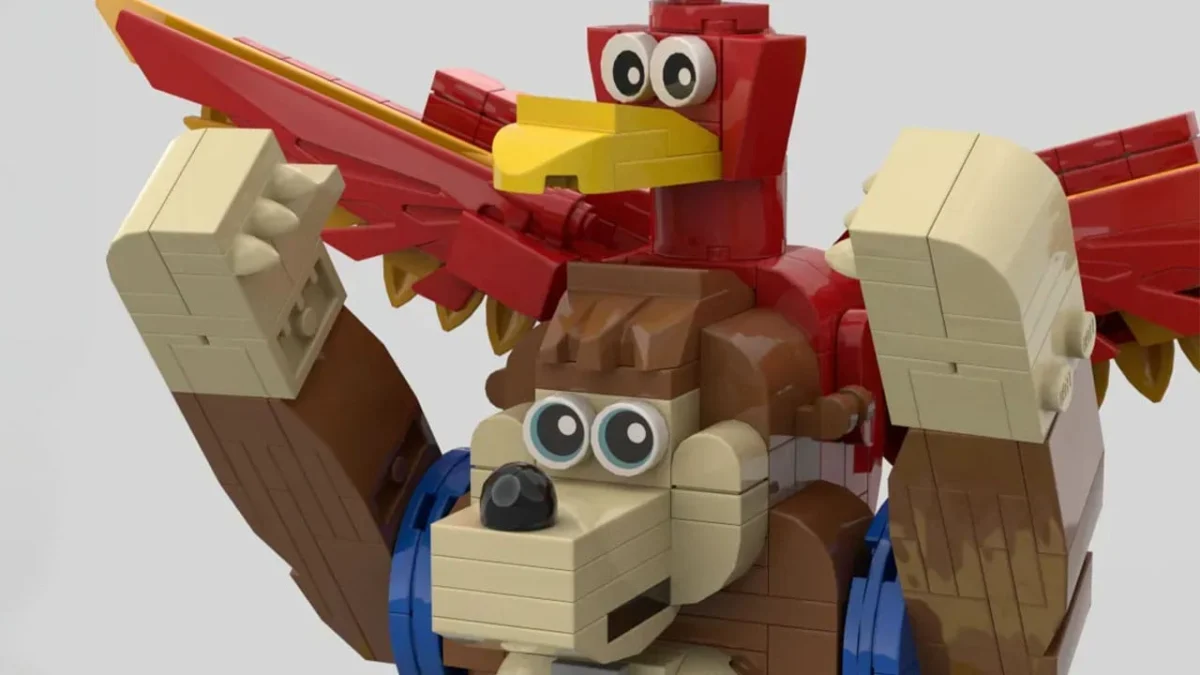
The enduring legacy of the beloved Nintendo 64 title, Banjo-Kazooie, is once again at the forefront of fan discussion, this time with a potential leap into the world of LEGO. A meticulously crafted fan-made LEGO Ideas submission, spearheaded by creator Mike, known online as Avid Builder, has captured the imagination of gamers and LEGO enthusiasts alike. This detailed proposal aims to translate the iconic bear and bird duo into an official LEGO set, a move that has been a long-held aspiration for many fans who have witnessed previous Nintendo franchises receive similar LEGO treatment. The project, which officially launched on March 24th, 2026, is now actively seeking community support to advance through the LEGO Ideas platform, with the ultimate goal of becoming a commercially available product.
The Genesis of a Fan-Favorite Idea
The article, originally published on March 25th, 2026, by Sebastian Santabarbara for Retro Dodo, highlights a personal connection to the Banjo-Kazooie franchise. The author expresses a consistent desire for a LEGO set based on the game, noting the successful integration of other Nintendo properties into the LEGO universe, including Mario and the NES, Link from The Legend of Zelda: Ocarina of Time’s final battle, Mario in his iconic Kart, and even the Game Boy console from Super Mario Land. This recurring thought underscores a perceived gap in LEGO’s offerings for a franchise that holds significant cultural and nostalgic value for a dedicated fanbase.

Banjo-Kazooie, released in 1998 by Rare, is widely regarded as one of the most influential and beloved platforming games of its era. Its vibrant world, charming characters, and innovative gameplay mechanics, particularly the symbiotic relationship between the titular bear, Banjo, and his feathered companion, Kazooie, cemented its place in gaming history. The game’s critical acclaim and commercial success on the Nintendo 64 platform contributed to its status as a definitive title of the 3D platforming genre. The author’s personal anecdotes, recalling childhood memories of playing the game with family and engaging with fan-made content like "Jiggies of Time," further emphasize the deep emotional resonance the franchise holds for its players.
A Detailed Vision for a LEGO Masterpiece
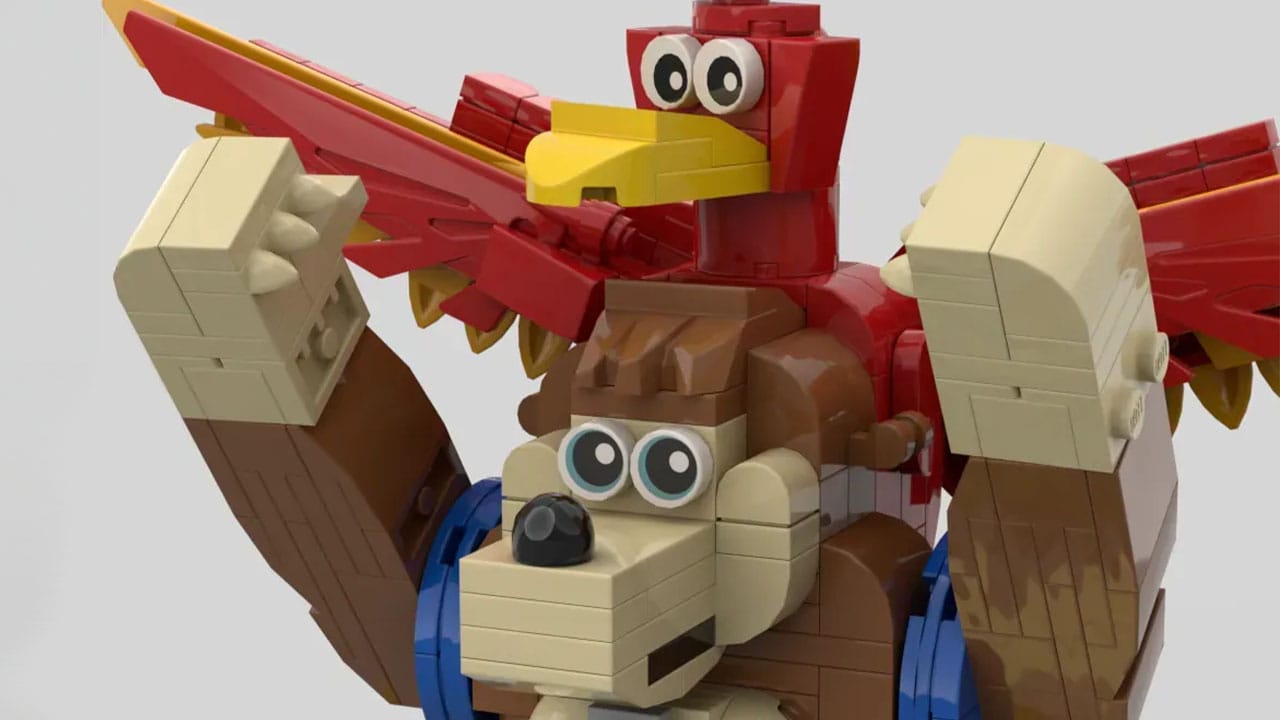
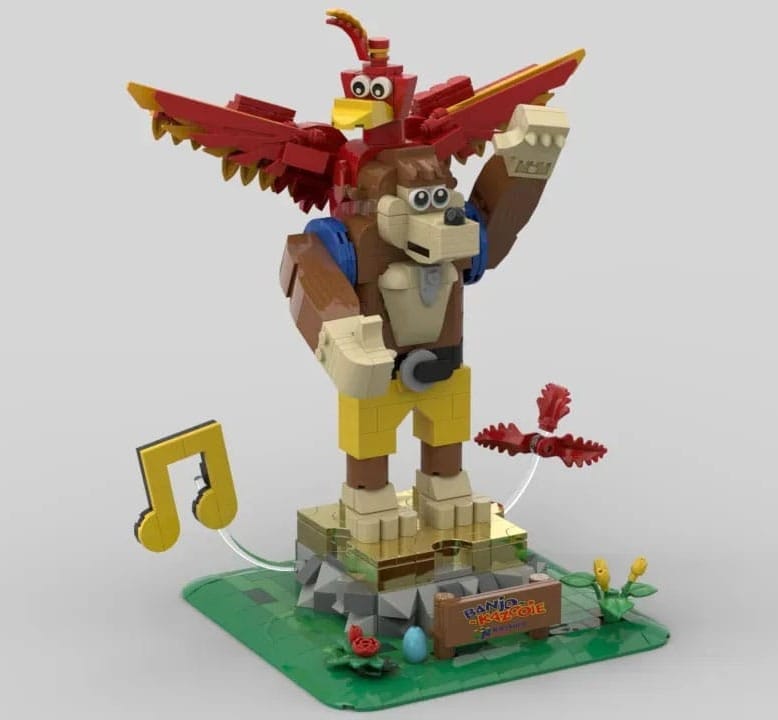
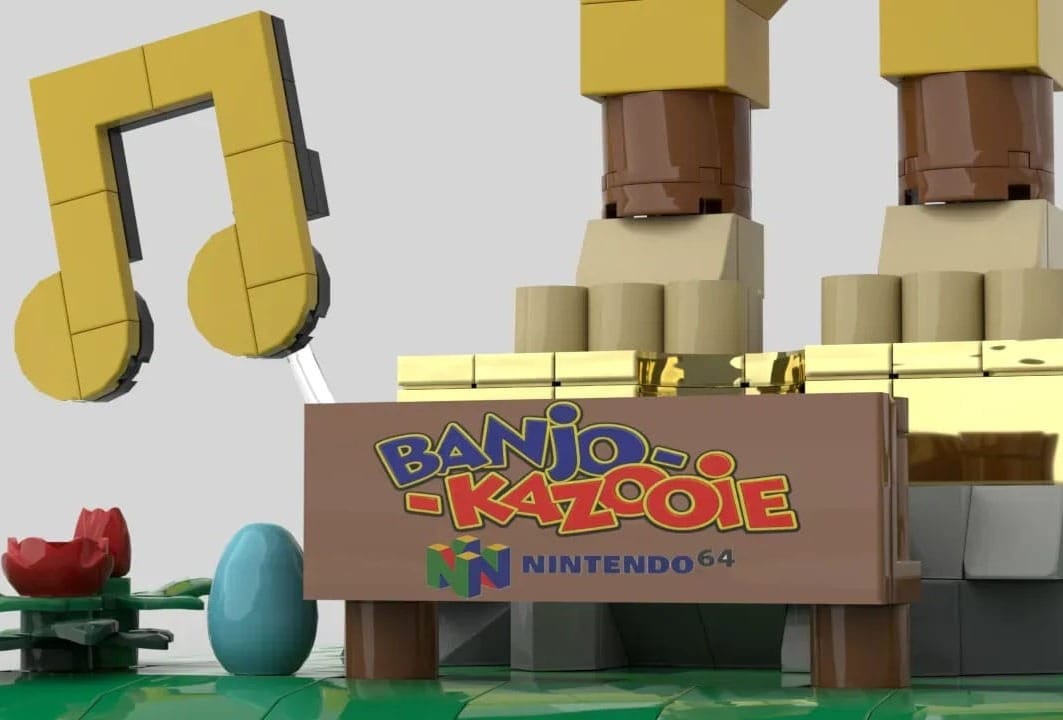
Avid Builder’s LEGO Ideas submission is not merely a concept; it is a fully realized proposal showcasing a significant level of detail and dedication. The proposed set features Banjo and Kazooie constructed from 641 LEGO bricks, meticulously designed to capture the essence of the characters and their world. The visual appeal of the submission is evident in the accompanying imagery, which depicts the duo standing on a prominent Golden Jiggy, a crucial collectible within the game. This inclusion, along with other iconic game elements such as a LEGO brick Musical Note, a Blue Egg, and a set of Red Feathers, demonstrates a deep understanding of the source material and a commitment to fan authenticity.
The articulation of the figures is a key feature of the design. Banjo is depicted with posable arms and hands, allowing for a range of dynamic stances, while Kazooie’s head, wings, and crest are designed to be movable, enabling fans to recreate various poses and in-game moments. The base of the set is described as evoking the rustic charm of Spiral Mountain, Banjo’s home environment, further enhancing the immersive quality of the proposed model. The attention to detail in these elements suggests a design that would appeal not only to collectors but also to those who wish to actively engage with the model through play and display.

The LEGO Ideas Process: A Path to Production
The LEGO Ideas platform operates on a tiered system designed to gauge community interest and assess the viability of fan-submitted concepts. For a project to progress, it must first reach a milestone of 100 supporters within a specified timeframe. Avid Builder’s Banjo-Kazooie set achieved this initial goal shortly after its launch. The next crucial stage involves accumulating 10,000 supporters. This target acts as a significant hurdle, demonstrating broad appeal and demand for the proposed set.
Upon reaching 10,000 supporters, the project enters the review phase. Here, a panel of LEGO designers and product managers meticulously evaluate the submission. This evaluation considers various factors, including market appeal, design feasibility, potential manufacturing costs, and alignment with LEGO’s existing product lines and brand values. If the project successfully navigates this rigorous review process, it is then greenlit for official production, with the potential to be sold in LEGO stores and online retailers worldwide. The timeline for this entire process can vary, but the initial momentum of a project is a strong indicator of its future prospects.
Fan Engagement and the Call to Action
The success of any LEGO Ideas project hinges on the active participation of the fan community. The Retro Dodo article explicitly calls upon readers to lend their support by casting their votes on the LEGO Ideas platform. The article notes that as of its publication, the project had already garnered 62 supporters, with the author personally contributing their vote. This highlights the grassroots nature of the LEGO Ideas initiative, where collective enthusiasm can translate into tangible product development.
The call to action emphasizes that casting a vote is a free and straightforward process. By visiting the dedicated LEGO Ideas page for the Banjo-Kazooie set, fans can contribute to its potential realization. The article stresses that the speed at which the project reaches its 10,000-supporter goal is directly dependent on community engagement. This decentralized model empowers fans to directly influence the creation of new LEGO products, fostering a sense of ownership and investment in the process.
Broader Implications and the Nostalgia Economy
The fervent desire for a Banjo-Kazooie LEGO set speaks to a broader trend within the entertainment industry: the power of nostalgia. In an increasingly saturated media landscape, established franchises and beloved characters from past decades often resonate deeply with audiences who grew up with them. This "nostalgia economy" presents a significant opportunity for companies to leverage existing brand recognition and emotional connections to drive new product development and sales.
The success of previous Nintendo-LEGO collaborations, such as the highly popular Super Mario line, demonstrates the immense market potential for such ventures. The inclusion of iconic characters and worlds from beloved video game franchises into the tangible, creative medium of LEGO appeals to multiple demographics, including adult collectors, nostalgic fans, and younger generations discovering these properties for the first time. A Banjo-Kazooie set, if approved, could tap into this lucrative market, offering a unique collectible that celebrates a significant piece of gaming history.
Furthermore, the LEGO Ideas platform itself serves as a valuable market research tool for The LEGO Group. By observing which fan-made concepts gain traction and achieve high supporter numbers, the company can gain insights into consumer preferences and identify potential new product lines that might otherwise be overlooked. The Banjo-Kazooie proposal, with its strong emotional appeal and detailed design, represents a compelling case study in how fan-driven innovation can contribute to the evolution of a global brand.
Potential Future Developments and Considerations
While the current focus is on gaining community support, the potential approval of the Banjo-Kazooie LEGO set would open up several avenues for future development. Beyond the initial release, LEGO could explore expanding the line with additional characters, environments, or play features, mirroring the success seen with the Super Mario theme. This could include iconic villains like Gruntilda, supporting characters such as Mumbo Jumbo, or even recognizable locations like Mad Monster Mansion or Click Clock Wood.
The success of this project could also encourage further fan submissions for other underrepresented video game franchises. As more iconic characters and worlds are translated into LEGO form, it sets a precedent for other beloved titles to potentially receive similar treatment. This could lead to a diverse range of LEGO sets that celebrate the rich history of video gaming, catering to a wider array of fan interests.
The financial implications for both The LEGO Group and the fan creator are also significant. Successful LEGO Ideas sets can generate substantial revenue for the company, while the fan designer receives a royalty percentage of the sales. This model incentivizes creativity and rewards passionate individuals who contribute to the LEGO ecosystem.
In conclusion, the proposed Banjo-Kazooie LEGO set represents more than just a fan’s dream; it is a testament to the enduring cultural impact of video games and the power of community-driven initiatives. With continued fan support, Avid Builder’s vision has the potential to become a reality, bringing a cherished gaming duo to life in the beloved medium of LEGO bricks and offering a tangible piece of nostalgia for a generation of fans. The journey from concept to shelf is a challenging one, but the enthusiasm surrounding this project suggests a strong possibility of success, echoing the triumphant spirit of Banjo and Kazooie themselves.