
 Hartono Sudibyo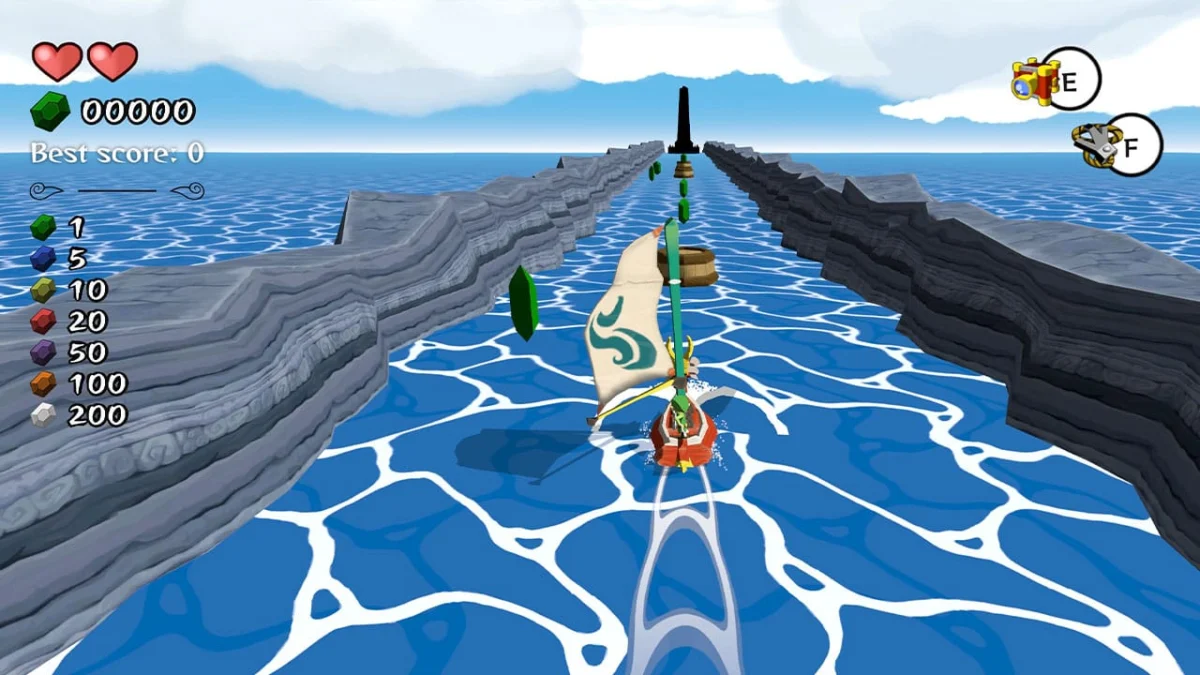
In a remarkable display of technical prowess and fan dedication, developer Robin Payot has resurrected the beloved ocean-faring mechanics of The Legend of Zelda: The Wind Waker in a fully playable, open-source web browser game. This ambitious project, leveraging cutting-edge web technologies, allows players to navigate the vast seas aboard the iconic King of Red Lions vessel directly from their internet browsers, offering a nostalgic journey for fans of Nintendo’s critically acclaimed title. The initiative, updated on March 24, 2026, signifies a significant achievement in democratizing access to cherished gaming experiences through the power of the web.
A Nostalgic Return to the Great Sea
The Wind Waker, originally released for the Nintendo GameCube in 2002, was a polarizing yet ultimately triumphant entry in the Zelda franchise. Its distinctive cel-shaded art style and vast, explorable ocean, punctuated by countless islands and secrets, captivated players. The game’s narrative centered on Link’s journey across the Great Sea to rescue his sister and thwart the plans of the Ganondorf, a reimagined villain from the series’ past. Central to this adventure was the King of Red Lions, a sentient talking boat that served as Link’s primary mode of transportation and a constant companion. The sheer scale of the Great Sea and the freedom it offered players to chart their own course were groundbreaking for the time, contributing to the game’s enduring legacy.
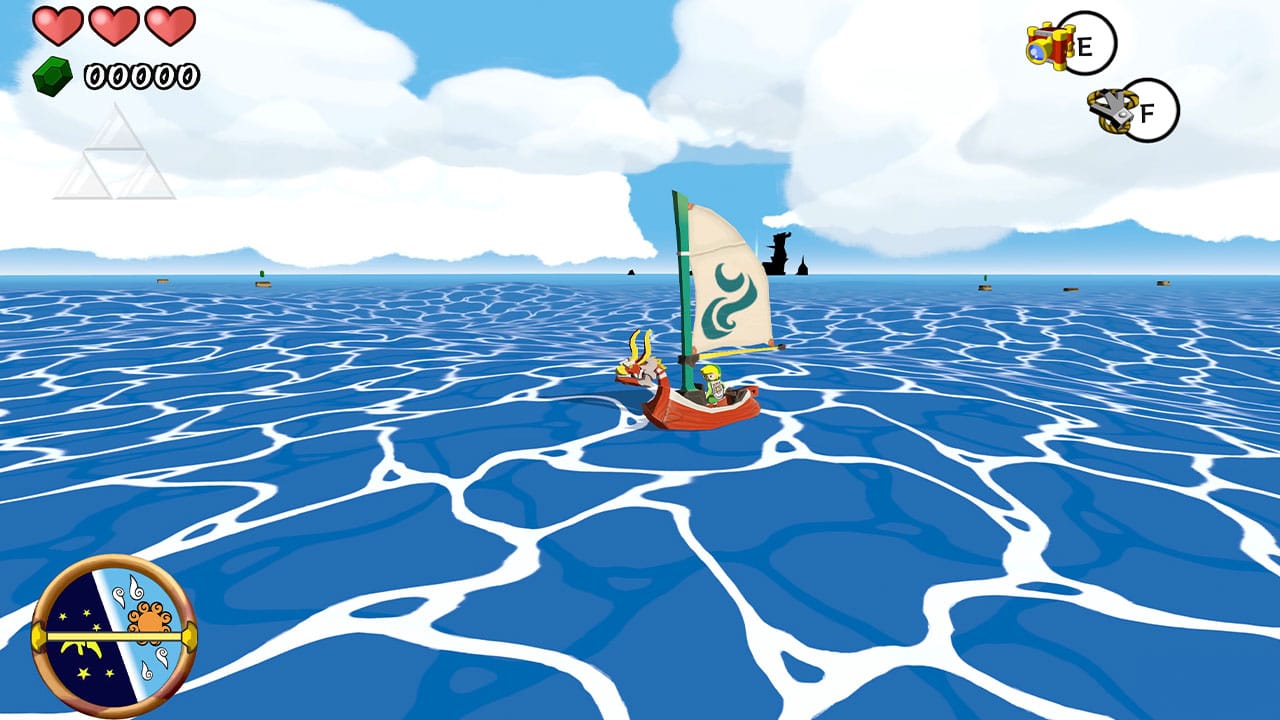
Robin Payot’s browser-based recreation aims to capture the essence of this open-world exploration. The project, which has been in development and saw a significant update to incorporate WebGPU and TSL (Three.js Shading Language), allows users to experience the thrill of sailing the Great Sea without the need for console hardware or dedicated software installation. This accessibility is a key feature, enabling a wider audience to reconnect with a significant piece of gaming history.
Technical Underpinnings and Development Evolution
The development of this web-based Wind Waker experience is a testament to the advancements in web graphics and game development frameworks. The project initially utilized Three.js, a popular JavaScript library for creating and displaying animated 3D computer graphics in a web browser using WebGL. This foundational technology enabled the rendering of the game’s distinctive art style and the intricate details of the King of Red Lions.

The recent update, as highlighted by Payot on March 22, 2026, marked a significant leap forward with the integration of WebGPU and TSL. WebGPU is a modern web API that provides low-level access to the GPU (Graphics Processing Unit), enabling more powerful and efficient graphics rendering compared to its predecessor, WebGL. TSL, a shader language, allows for sophisticated visual effects and optimizations. This upgrade suggests a commitment to pushing the boundaries of what is possible in browser-based gaming, aiming for enhanced performance, visual fidelity, and potentially a smoother gameplay experience.
The tweet from Robin Payot on March 22, 2026, stated: "My old #Threejs #Zelda project now runs on #WebGPU thanks to #TSL ! 🎉🔥🐉 My old #Threejs #Zelda project now runs on #WebGPU thanks to #TSL ! 🎉🔥🐉 Give it a try! ⛵️ [link to game] (Safari will fallback to the old project) [link to tweet image]". This announcement underscores the progressive nature of the project and acknowledges potential compatibility differences across browsers, noting that Safari users would revert to an older, less optimized version. This detail is crucial for managing user expectations and understanding the ongoing development.
Gameplay Modes and Player Experience
The browser game offers two distinct modes, catering to different player preferences:
- Explore the Ocean: This mode mirrors the core exploration loop of The Legend of Zelda: The Wind Waker. Players are tasked with finding the Triforce, a central artifact in the Zelda lore, and are granted the freedom to navigate the vast seascape at their leisure. This mode emphasizes discovery, adventure, and the joy of charting unknown waters, much like the original game. The inclusion of the iconic soundtrack further enhances the immersive experience, evoking powerful memories for long-time fans.
- Rupee’s Game: This mode introduces a more structured, objective-based challenge. Players are tasked with collecting as many rupees as possible within a given timeframe or set of conditions. This gamified approach adds an element of competition and skill, encouraging players to master the sailing mechanics and efficiently gather the in-game currency. The visual of Link and the King of Red Lions actively collecting shimmering rupees is a delightful nod to the series’ established iconography.
Early testing of the game, conducted on Chrome on a Mac, indicated a seamless performance. The developer’s warning regarding Safari’s fallback to an older version is a critical piece of information for users of that browser. This suggests that the WebGPU implementation, while offering superior performance, might not yet be universally supported or fully optimized across all browser engines. The developer’s commitment to providing a functional experience even in fallback scenarios demonstrates a dedication to accessibility.
Broader Implications for Gaming and Web Development
The success and accessibility of Robin Payot’s Wind Waker browser game carry significant implications for both the gaming industry and the broader landscape of web development.

Democratization of Access to Gaming Heritage
Projects like this play a vital role in preserving and making accessible gaming history. As older consoles become obsolete and physical media degrades, digital recreations and emulations become increasingly important for ensuring that future generations can experience these seminal works. By leveraging open-source technologies, Payot’s project not only provides a free and easily accessible way to play but also allows for community contributions and further development, fostering a collaborative spirit around beloved game franchises.
The open-source nature of the project means that its code is publicly available, allowing other developers to learn from it, contribute to its improvement, or even adapt it for their own projects. This transparency and collaborative potential are hallmarks of robust open-source initiatives and can lead to unexpected innovations and expansions of the game’s capabilities over time.
Pushing the Boundaries of Web Technology
The integration of WebGPU signifies a forward-looking approach to web development. As this API matures and gains wider browser support, we can expect to see an explosion of increasingly sophisticated and graphically intensive applications and games running directly in the browser. This development has the potential to blur the lines between traditional desktop applications and web-based services, offering the convenience of accessibility without compromising on performance or visual quality.
The fact that a project of this scope, involving complex 3D graphics and gameplay mechanics, can be rendered and played within a standard web browser is a testament to the rapid evolution of web standards and the underlying hardware capabilities of modern computing devices. This opens up new avenues for game developers, indie studios, and even large publishers to reach wider audiences with less friction.
Fan Dedication and the Power of Community
The creation and ongoing refinement of this Wind Waker browser game are undeniably fueled by the passion and dedication of its creator. Robin Payot’s evident love for the original game, coupled with their technical expertise, has resulted in a project that resonates deeply with fans. This is further amplified by the existence of communities that actively support and promote such endeavors.
The original article also references another fan-made project: LittleJem’s life-size, floating recreation of the King of Red Lions. The mention of this physical creation alongside the digital one highlights the multifaceted ways in which fans express their admiration for The Legend of Zelda and, specifically, The Wind Waker. These diverse expressions of fandom—from digital recreations to tangible builds—collectively underscore the lasting cultural impact of the game. Such community-driven initiatives are invaluable in keeping classic titles alive and relevant in the public consciousness, often inspiring official retrospectives or remakes from the original developers.
Conclusion: A New Horizon for Gaming Accessibility
Robin Payot’s The Legend of Zelda: The Wind Waker browser game represents a significant achievement in fan-made game development and a promising glimpse into the future of web-based gaming. By skillfully leveraging advanced web technologies like WebGPU and Three.js, Payot has not only recreated the beloved sailing mechanics of the original game but has also made it accessible to a global audience. This open-source initiative serves as a powerful example of how dedicated individuals can preserve gaming heritage, push technological boundaries, and foster vibrant fan communities, all while delivering a thoroughly enjoyable and nostalgic experience. As web browsers continue to evolve as powerful gaming platforms, projects like this will undoubtedly pave the way for even more ambitious and immersive interactive experiences to come. The Great Sea, it seems, is now more accessible than ever.








