Cecilia Chamidah Nur
Documenting the Console Continuum: A Deep Dive into "Leaps + Bounds"
At its core, "Leaps + Bounds" embraces the often-debated concept of "console generations" as a practical framework for categorizing the vast landscape of video game hardware. While the precise definition and demarcation of these generations can vary among historians and enthusiasts, the book leverages this structure to present a coherent and chronological narrative. From the nascent days of the Atari Video Computer System (VCS) in the late 1970s, which effectively launched the home console market into the mainstream, through to the sophisticated and interconnected platforms of the current era, such as the Xbox Series X, PlayStation 5, and Nintendo Switch, the book meticulously covers nine distinct periods of console development. This generational approach allows readers to observe the incremental and sometimes revolutionary technological shifts that have defined console gaming, from processor power and graphical capabilities to storage media and control schemes.
The decision to title the book "Leaps + Bounds" aptly reflects the industry’s trajectory. Early generations saw significant "leaps" in capability, often defining entirely new paradigms of play. Subsequent generations, while still innovative, sometimes represented more iterative "bounds," refining existing concepts and pushing boundaries within established technological frameworks. The book chronicles these advancements, highlighting how each new wave of hardware not only improved upon its predecessors but also influenced game design, developer tools, and player expectations.
The Art of Documentation: Adam Rufino’s Illustrative Vision
A standout feature of "Leaps + Bounds" is its reliance on original illustrations by Mexican artist Adam Rufino, a departure from Bitmap Books’ usual practice of featuring bespoke photography. Rufino’s distinctive line drawings imbue each console with a clean, precise aesthetic, allowing for a consistent visual style throughout the 336-page volume. This illustrative choice offers several advantages: it allows for a unified artistic vision that transcends the varying photographic qualities of historical images, provides a fresh interpretation of iconic hardware, and ensures a pristine, uncluttered presentation. Each illustration is rendered with meticulous detail, capturing the unique design elements that define consoles from different eras, from the angular simplicity of early machines to the ergonomic complexities of modern systems.
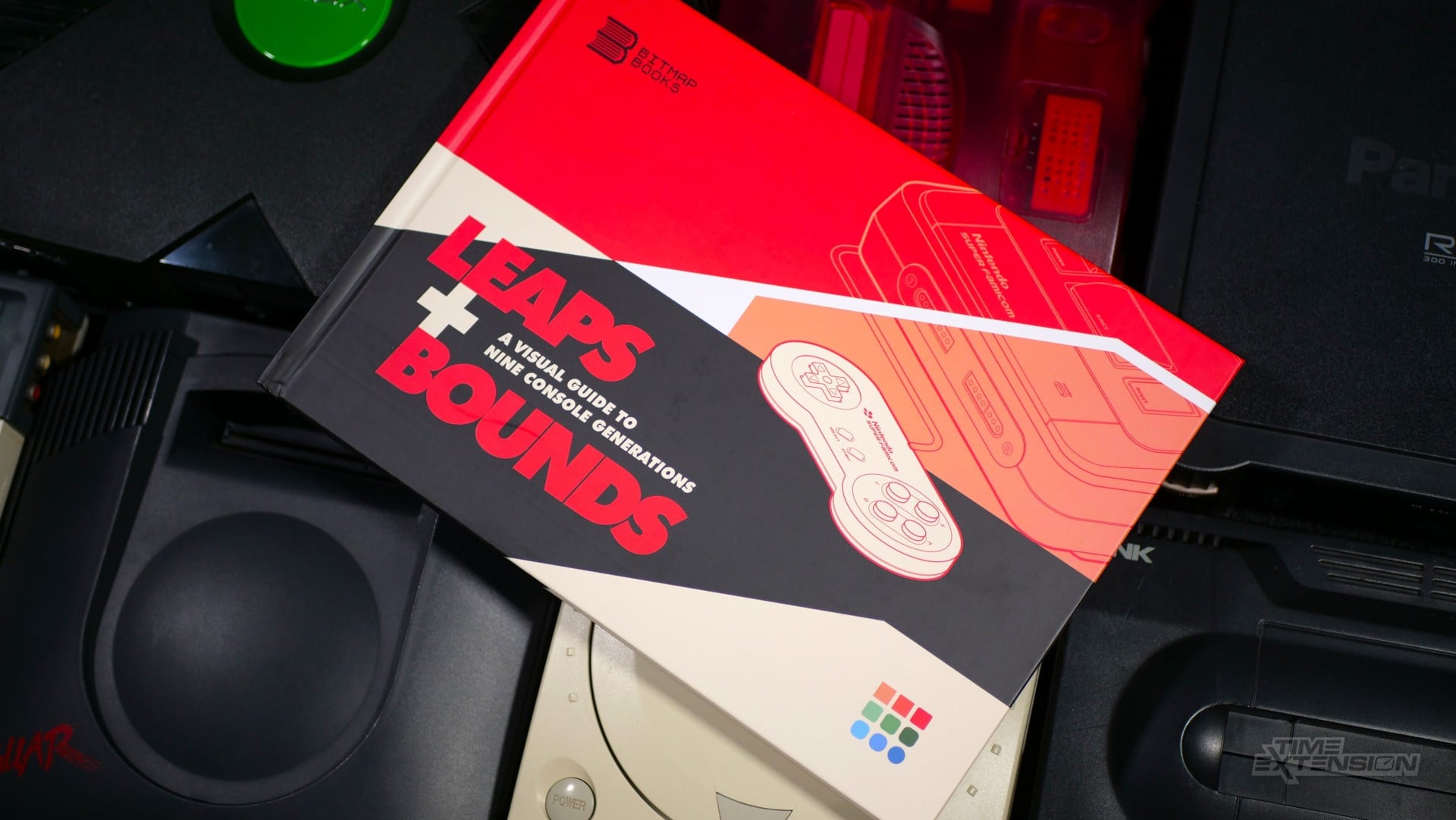
Accompanying Rufino’s artwork are concise yet informative descriptions, technical specifications, and intriguing trivia related to each system. These textual components provide essential context, detailing the console’s release date, developer, key features, and its position within the broader market. Furthermore, the inclusion of screenshots from notable titles associated with each console offers a glimpse into the gaming experiences these machines delivered, anchoring the hardware discussions in their practical application. This multi-faceted approach ensures that "Leaps + Bounds" is not merely a catalog of devices but a narrative exploration of their significance and legacy.
Unearthing the Obscure: A Comprehensive Historical Record
What elevates "Leaps + Bounds" beyond a standard console retrospective is its remarkable commitment to comprehensiveness. The book goes to great lengths to document not only the commercially successful and widely recognized consoles but also the more obscure, failed, and even unreleased hardware. This dedication to a complete historical record is a boon for video game historians and collectors. Examples such as the L600 Entertainment System and the ApeXtreme, consoles that never saw the light of day or had extremely limited releases, are given their rightful place alongside industry titans.
The inclusion of these lesser-known systems underscores the book’s ambition to provide an exhaustive resource. It sheds light on the myriad experiments, innovations, and missteps that characterize the console industry’s volatile history. Many of these unreleased projects represent significant investments of time and resources, often pushing technological boundaries or attempting novel market strategies. Their documentation within "Leaps + Bounds" provides valuable insights into the competitive pressures, technological limitations, and shifting consumer preferences that shaped the gaming landscape. This meticulous approach ensures that even the most seasoned retro gaming enthusiasts will likely discover new facets of console history within its pages.
The Foreword: A Nod to Hardware Authenticity
Adding further weight to the book’s authority is a foreword penned by Christopher Taber, the founder of Analogue. Analogue is a company celebrated for producing high-end, FPGA-based (Field-Programmable Gate Array) console hardware that meticulously recreates the original gaming experience with unparalleled accuracy. Products like the Analogue Nt mini, Super Nt, Mega Sg, and Pocket have garnered immense praise for their commitment to preserving retro gaming in its purest form, free from the compromises often found in software emulation.

Taber’s involvement lends significant credibility to "Leaps + Bounds." His intrinsic understanding and appreciation for console hardware, both from a technological and historical perspective, resonate deeply with the book’s subject matter. His insights into the appeal of original console architecture and the drive to preserve gaming history provide a powerful introduction to the visual journey that follows. The foreword likely explores the enduring fascination with these physical machines, the artistry of their engineering, and their irreplaceable role in shaping interactive entertainment. This endorsement from a figure synonymous with hardware authenticity reinforces the book’s position as a definitive guide.
The Evolution of Console Generations: A Historical Overview
To fully appreciate the scope of "Leaps + Bounds," it is helpful to briefly consider the progression of console generations:
- First Generation (1972-1977): Characterized by dedicated consoles playing a single game (e.g., Magnavox Odyssey, Pong systems). The book likely touches upon the very earliest pioneers that laid the groundwork.
- Second Generation (1976-1983): The era of interchangeable cartridges, programmable consoles, and the rise of arcade ports. The Atari VCS (2600) is the quintessential example, alongside Intellivision and ColecoVision. This generation is where the "console wars" began to take shape.
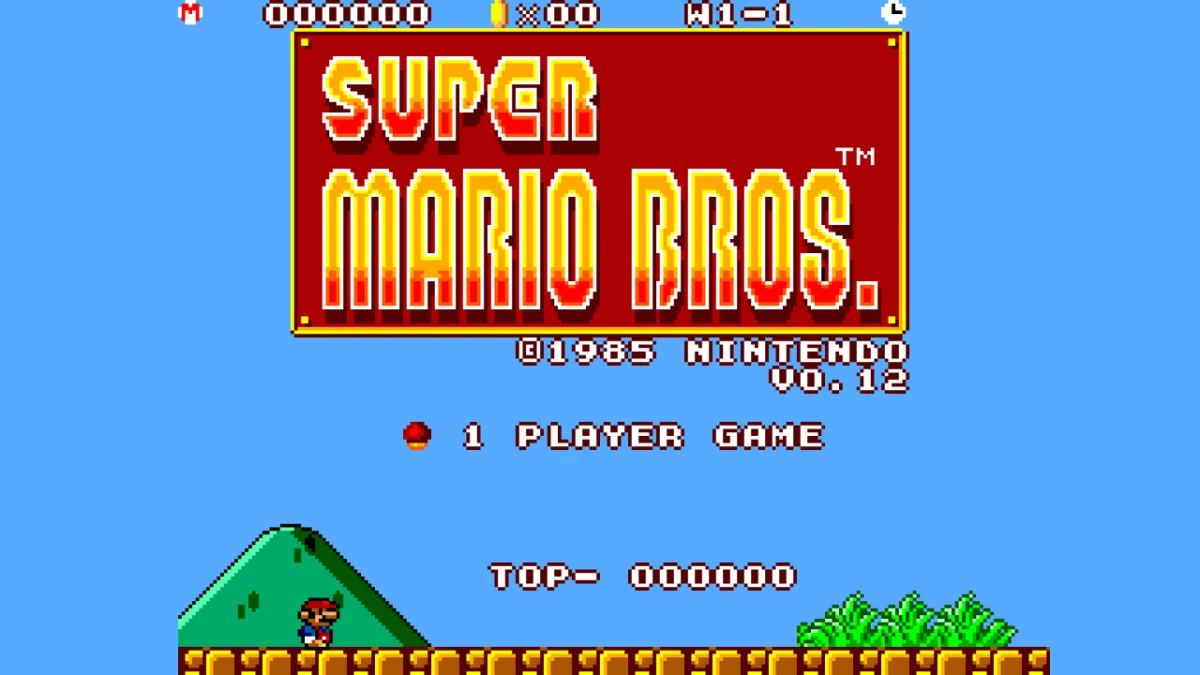
- Third Generation (1983-1990): Often called the "8-bit era," dominated by the Nintendo Entertainment System (NES) and Sega Master System. This period saw the recovery of the video game market after the crash of 1983 and the establishment of many enduring franchises.
- Fourth Generation (1987-1996): The "16-bit era," a fierce rivalry between the Super Nintendo Entertainment System (SNES) and Sega Genesis (Mega Drive). This generation pushed graphical and audio capabilities significantly and popularized new genres.
- Fifth Generation (1993-2001): The "32/64-bit era," marked by the shift to 3D graphics and CD-ROMs. The PlayStation, Nintendo 64, and Sega Saturn were the main contenders, fundamentally changing gaming experiences.
- Sixth Generation (1998-2006): The dawn of online gaming and integrated multimedia capabilities. The PlayStation 2, Xbox, Nintendo GameCube, and Sega Dreamcast defined this period, further solidifying consoles as entertainment hubs.
- Seventh Generation (2005-2013): High-definition graphics, motion controls, and widespread online services became standard. The Xbox 360, PlayStation 3, and Nintendo Wii introduced innovative ways to interact with games and brought gaming to a broader audience.
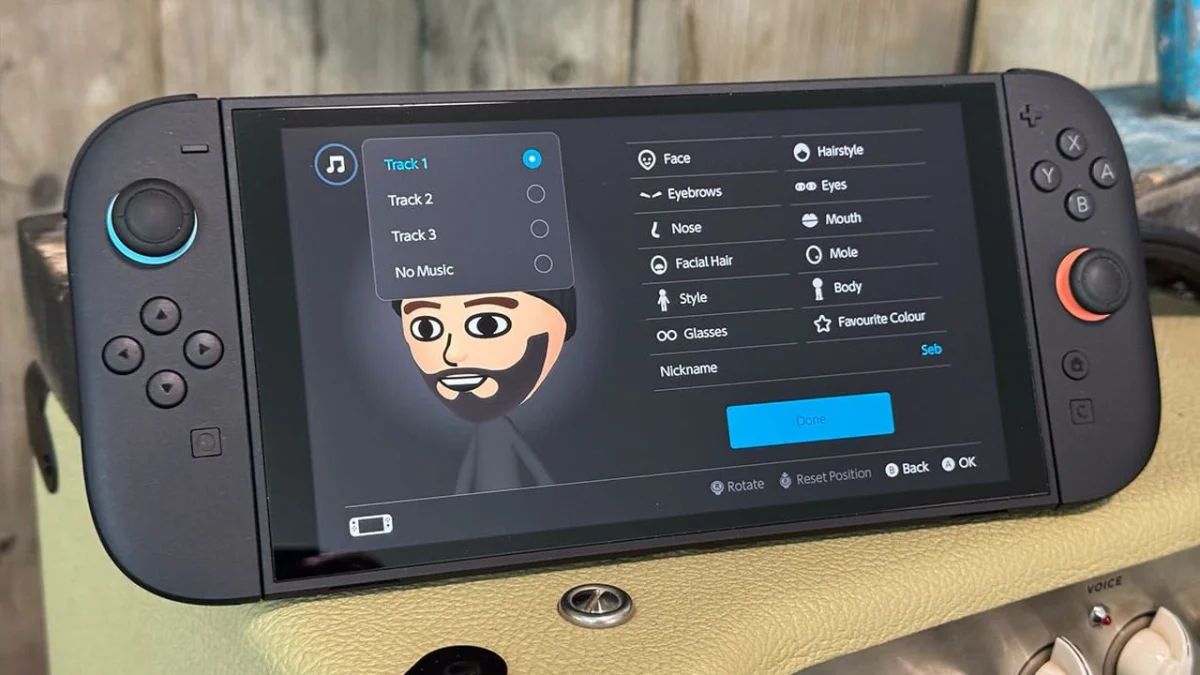
- Eighth Generation (2012-2020): Focus on further graphical fidelity, digital distribution, and social features. The PlayStation 4, Xbox One, and Nintendo Switch (released later in the generation) cemented gaming as a global cultural phenomenon, with the Switch pioneering hybrid portable/home console play.
- Ninth Generation (2020-Present): Characterized by ultra-fast SSDs, ray tracing, and 4K/8K resolutions. The PlayStation 5 and Xbox Series X/S lead this generation, promising immersive experiences and faster load times, while the Nintendo Switch continues to thrive with its unique proposition.
"Leaps + Bounds" navigates these nine generations, providing detailed accounts of the key players, the technological breakthroughs, and the cultural shifts that accompanied each era.
The Publisher’s Pedigree: Bitmap Books and the Legacy of Visual Guides
Bitmap Books has carved out a significant niche in the publishing world by consistently producing high-quality, visually rich books dedicated to video game history. Their portfolio includes acclaimed titles covering specific consoles, developers, and genres, often featuring stunning photography, archival materials, and interviews with industry veterans. The company’s reputation for meticulous research, elegant design, and premium production values makes "Leaps + Bounds" a natural fit within their catalog.
While "Leaps + Bounds" diverges from their typical photographic emphasis, this strategic choice likely stems from a desire to offer something fresh and distinct. The clean, uniform aesthetic provided by Adam Rufino’s illustrations aligns with Bitmap Books’ commitment to visual excellence and readability. The book’s substantial page count (336 pages) and its designation as a "coffee-table classic" speak to its intended audience and its place as both an informative resource and an attractive display piece. This physical quality, combined with its comprehensive content, positions it as a valuable addition to any gaming enthusiast’s library.
Market Reception and Implications
The release of "Leaps + Bounds" enters a robust and growing market for retro gaming merchandise and historical documentation. With millions of players worldwide having grown up with these consoles, there is a strong demand for products that celebrate and preserve this history. The book serves multiple functions:
- Educational Resource: For those new to gaming history, it provides an accessible and engaging entry point.
- Reference Guide: For seasoned enthusiasts, it offers a consolidated, detailed reference with potentially new insights, especially regarding unreleased hardware.
- Collector’s Item: Its high production quality and unique artistic approach make it desirable for collectors of gaming memorabilia.
- Preservation Effort: By meticulously documenting hardware, the book contributes significantly to the ongoing effort to preserve video game history, an often-overlooked aspect of digital cultural heritage.
The clean, illustrated style, as opposed to photography, may also appeal to a broader design-conscious audience, allowing the book to transcend the typical gaming niche and become a conversation starter in any setting. The price point of £32.49 (as noted in the original information) positions it as a premium product, consistent with Bitmap Books’ other offerings, reflecting the quality of its content and production.
In conclusion, "Leaps + Bounds: A Visual Guide to Nine Console Generations" is more than just a book; it is a meticulously crafted historical artifact that celebrates the ingenuity, creativity, and technological progression of the video game console industry. Through its comprehensive scope, unique artistic vision, and authoritative backing, it stands as an indispensable resource for understanding the past, present, and future of interactive entertainment. Its release reinforces Bitmap Books’ position as a leading publisher in the retro gaming space, continuing their mission to document and cherish the rich legacy of video games.