Edi Durjana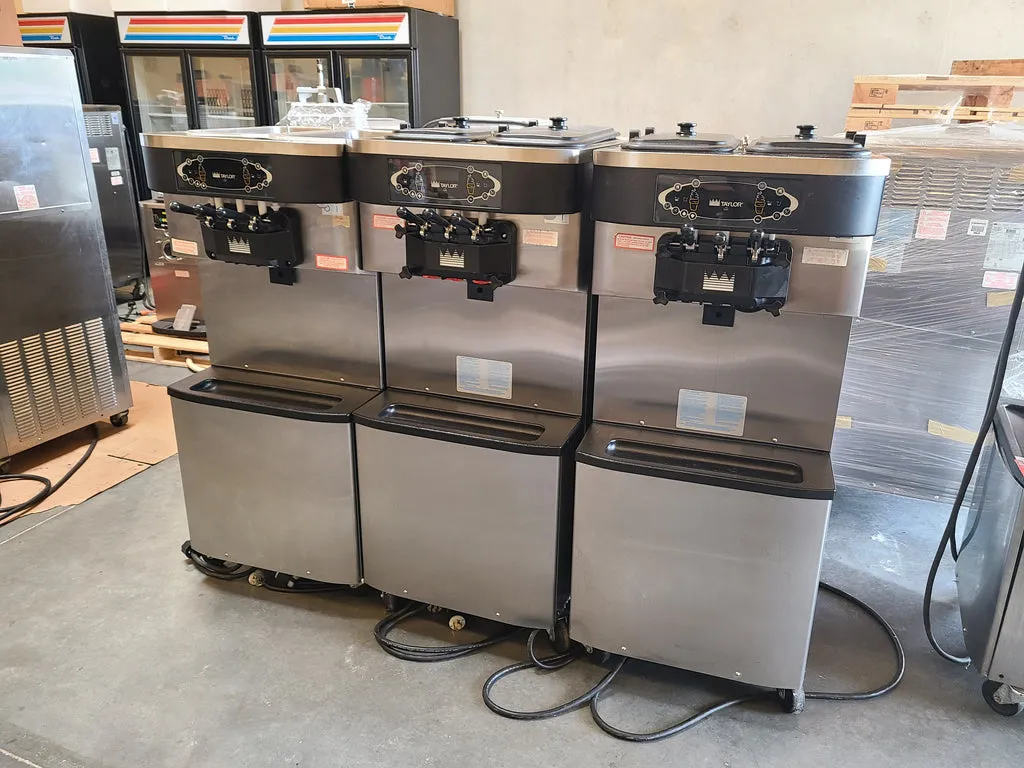
Jesse Talavera, a prominent contributor to the Libretro ecosystem and widely recognized for his work on the melonDS DS core, has officially released McSoftServe, an innovative and highly unusual emulator designed to simulate the operation of Taylor C713 soft-serve ice cream machines. The announcement marks a distinctive expansion of the emulation landscape, moving beyond traditional gaming consoles and computing platforms to encompass a piece of ubiquitous, yet often temperamental, industrial equipment. Available immediately within the RetroArch frontend, McSoftServe promises users a comprehensive and perhaps surprisingly engaging experience with the complexities of a machine that has become a cultural touchstone.
The Genesis of an Unconventional Emulation Project
Talavera’s journey to McSoftServe is rooted in a deep technical curiosity and a proven track record within the emulation community. His previous significant contribution, the melonDS DS core for RetroArch, established him as a skilled developer capable of intricate system replication. This background provided the foundation for tackling a project far removed from the digital realms of video games. The decision to emulate a Taylor C713 machine, rather than another vintage console or computer, stems from a unique intersection of technical challenge and cultural commentary. While the exact timeline of McSoftServe’s development remains private, it is understood to have been a significant undertaking spanning a considerable period, running concurrently with his other projects. Developers in the emulation space often seek out hardware that presents unique architectural or operational puzzles, and the C713, with its blend of electromechanical components, digital controls, and specific operational protocols, presented a compelling target.
Understanding the Taylor C713: An Icon of the Fast-Food Industry
The Taylor C713 is not merely an ice cream machine; it is an industrial workhorse that has profoundly shaped the fast-food landscape, particularly in the United States. Manufactured by the Taylor Company, a subsidiary of Middleby Corporation, these machines are a staple in numerous quick-service restaurants, most notably the global fast-food giant McDonald’s. The C713 is part of a larger series of Taylor soft-serve and shake machines known for their robust construction, capacity for high-volume production, and, paradoxically, their often-cited "maintenance burden."
These machines operate on sophisticated principles, combining refrigeration, mixing, and dispensing mechanisms to produce consistent soft-serve products. Key features include multiple freezing cylinders, heat treatment cycles to ensure food safety (reducing the need for daily manual cleaning), and various sensors and diagnostic systems. Despite their advanced engineering, the C713 series has garnered a reputation for frequent malfunctions, particularly within the context of high-demand fast-food environments. This perception has fueled a popular internet meme and widespread public frustration, often encapsulated by the phrase "the ice cream machine is broken."
The "maintenance burden" referenced by Talavera is multifaceted. While the heat treatment cycle significantly extends the time between full disassembly and cleaning, these machines still require specific, often time-consuming, and precise maintenance procedures. These include regular cleaning of exterior components, calibration checks, and addressing common operational issues such as air filter clogs, low mix levels, or sensor errors. When these procedures are not followed meticulously, or when genuine mechanical failures occur, the machines enter diagnostic modes or shut down, leading to the infamous "broken" status. This complexity makes the C713 an intriguing subject for emulation, as it requires the replication of not just its operational states but also its diagnostic and error-handling protocols.
The Broader Context of Emulation: Beyond Gaming
The release of McSoftServe underscores a growing trend within the emulation community: the exploration of non-traditional hardware. While video game consoles and vintage computers remain the primary focus, developers are increasingly turning their attention to a wider array of digital and electromechanical systems. Projects emulating calculators, specific industrial control units, or even niche medical devices have emerged, driven by a desire for digital preservation, technical challenge, and educational insight.
RetroArch, the platform through which McSoftServe is distributed, serves as a universal frontend for various emulation cores. Its modular architecture, powered by the Libretro API, allows developers to integrate a vast array of emulators and game engines, making it a "Swiss Army knife" for digital entertainment and preservation. The inclusion of McSoftServe within RetroArch highlights the platform’s versatility and the community’s openness to diverse emulation targets. This move signifies that the definition of what constitutes an "emulatable" system is continually expanding, challenging conventional notions and pushing the boundaries of what is considered relevant for digital replication. The motivation often extends beyond mere entertainment to encompass historical preservation, technical understanding, and even a form of digital archaeology, allowing users to interact with and understand complex systems that might otherwise be inaccessible.
Technical Deep Dive: What McSoftServe Offers
While specific features of McSoftServe are promised to be "full of surprises," an informed analysis suggests a rich set of functionalities designed to accurately replicate the Taylor C713 experience. Users can expect a simulated control panel, complete with realistic button inputs, digital display readouts, and indicator lights. The emulator would likely simulate:
- Operational Modes: Replication of dispensing cycles, mix level monitoring, and temperature regulation.
- Heat Treatment Cycle: The complex automated cleaning process that sterilizes the machine’s internal components, a critical feature for food safety and a common source of downtime if interrupted.
- Diagnostic Screens and Error Codes: A crucial aspect of the C713’s "maintenance burden." McSoftServe would likely allow users to trigger or observe various error states (e.g., "HI TEMP," "LOW MIX," "FREEZE UP") and navigate the machine’s built-in diagnostic menus. This could serve as an educational tool for understanding common malfunctions and their corresponding troubleshooting steps.
- Cleaning Procedures: Simulation of the manual cleaning prompts and steps, which, in the real world, require partial disassembly and thorough sanitation. The "surprises" might include interactive mini-games or detailed guides within the emulator to walk users through these often-frustrating processes.
- Ingredient Management: Basic simulation of mix levels, potentially affecting output or triggering "LOW MIX" warnings.
The fidelity of such an emulator would involve replicating the underlying logic of the machine’s embedded control system, including its proprietary firmware. This is a formidable task, requiring reverse engineering or detailed documentation of the machine’s operational parameters. The inclusion of these features transforms McSoftServe from a mere novelty into a potentially valuable tool for training, educational purposes, or simply satisfying a unique form of technical curiosity. It allows users to safely experiment with a system whose real-world counterparts are often locked behind service contracts and operational protocols.
Implications and Future Prospects
The release of McSoftServe carries several significant implications for the emulation community and beyond.
- Redefining Emulation Boundaries: It pushes the envelope of what is considered a viable target for emulation, encouraging developers to look at everyday objects and industrial equipment through a new lens of digital preservation and interactive simulation. This could inspire further projects that tackle other complex, non-gaming hardware.
- Cultural Commentary: By focusing on a machine notorious for its unreliability and maintenance demands, McSoftServe implicitly offers a playful, yet pointed, commentary on the frustrations of modern technology and the hidden complexities of seemingly simple appliances. It transforms a common source of annoyance into an object of study and interaction.
- Educational and Training Potential: For individuals interested in electromechanical systems, industrial controls, or even food service equipment maintenance, McSoftServe could serve as an accessible, risk-free training environment. Users could familiarize themselves with operational procedures, diagnostic codes, and troubleshooting steps without requiring access to a physical machine or risking costly errors.
- Digital Preservation: While not a "classic" piece of computing history, the C713 represents a significant piece of modern industrial design and technological implementation. Emulating it contributes to the broader effort of digitally preserving the operational logic and user experience of a wide range of human-made machines.
- Community Engagement: Such a unique project is likely to spark considerable discussion and interest within the Libretro and wider emulation communities, potentially attracting new developers and users to explore unconventional emulation targets.
While McSoftServe may initially be perceived as a humorous or niche project, its underlying technical ambition and the potential for educational utility are undeniable. It stands as a testament to the ingenuity and diverse interests of the open-source emulation community. Industry observers suggest that projects like McSoftServe highlight the increasingly sophisticated capabilities of modern emulators, moving beyond perfect pixel replication to accurate behavioral simulation of complex real-world systems. As developers like Jesse Talavera continue to innovate, the scope of what can be digitally recreated and interacted with is poised for continuous expansion, offering new avenues for understanding, learning, and even satirizing the technological world around us. The immediate availability within RetroArch ensures a wide audience for this groundbreaking and surprising new core, inviting users to delve into the intricate world of soft-serve machine operation from the comfort of their chosen emulation platform.