Cecilia Chamidah Nur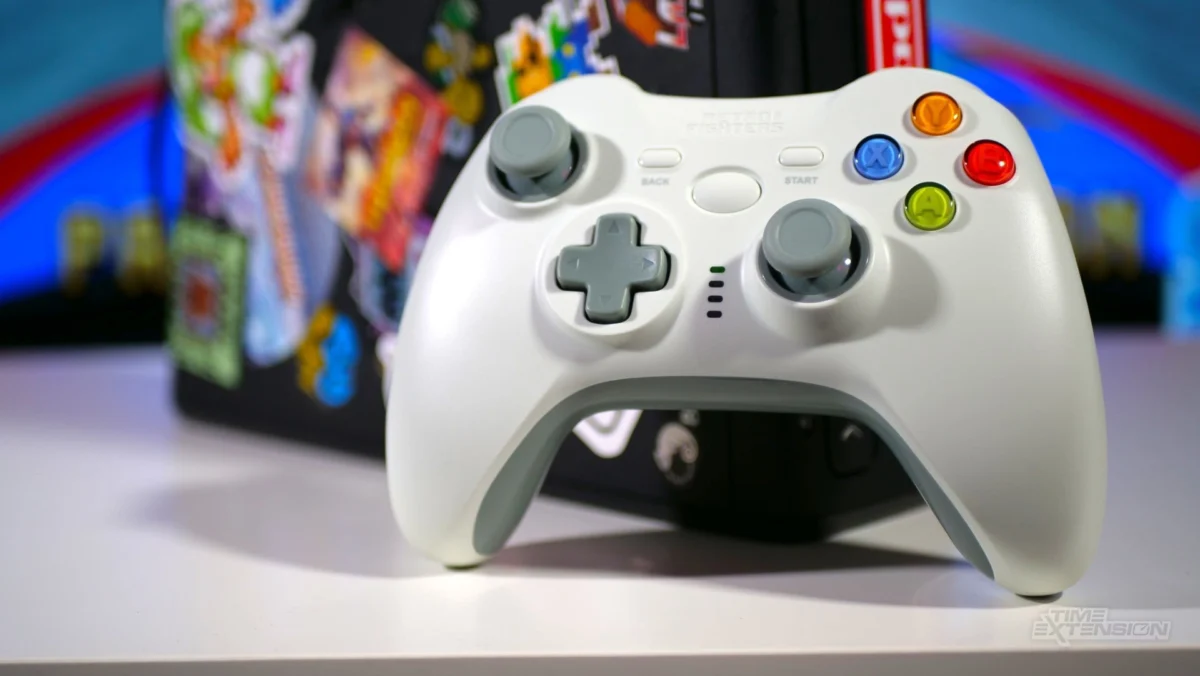
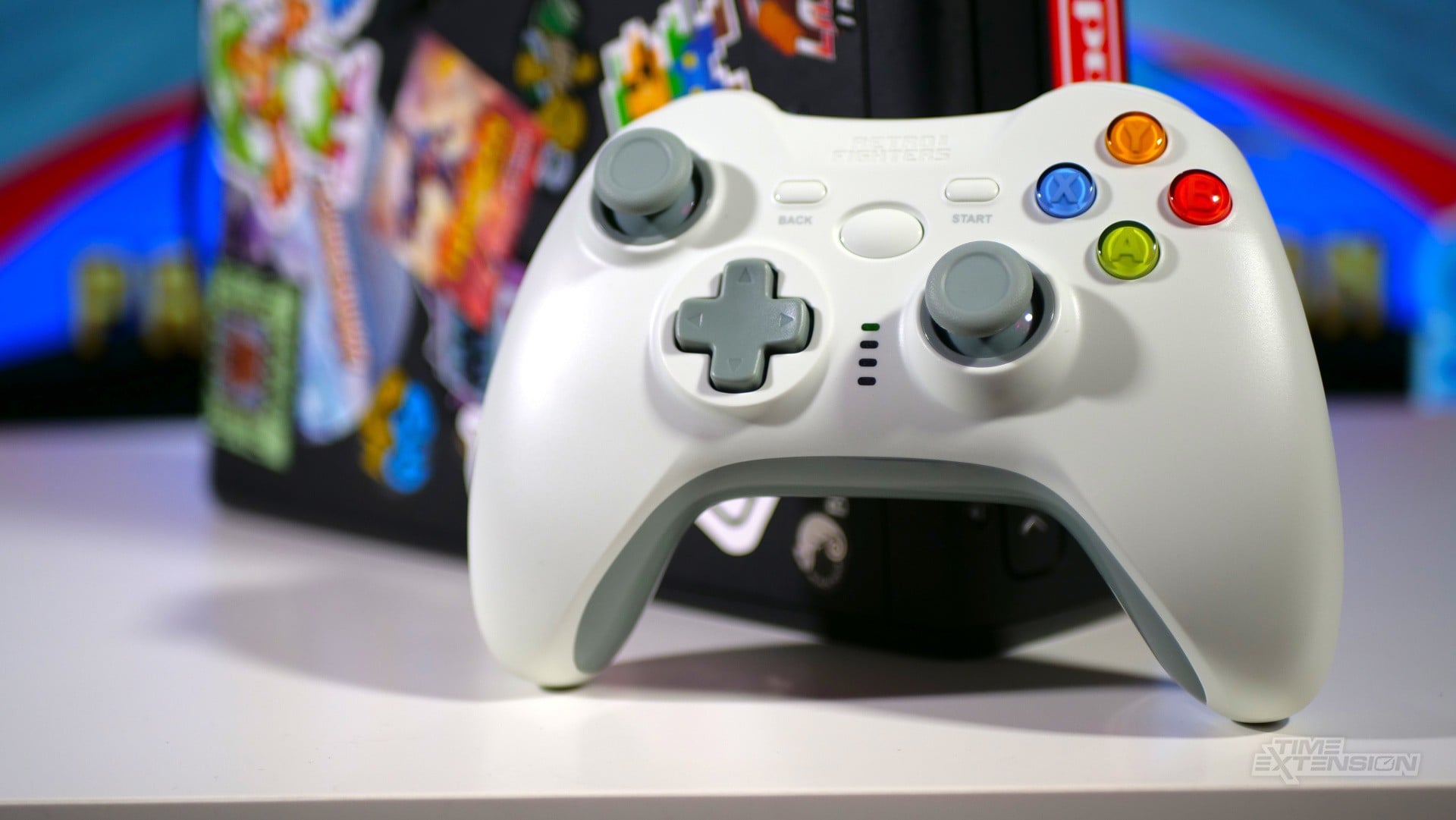
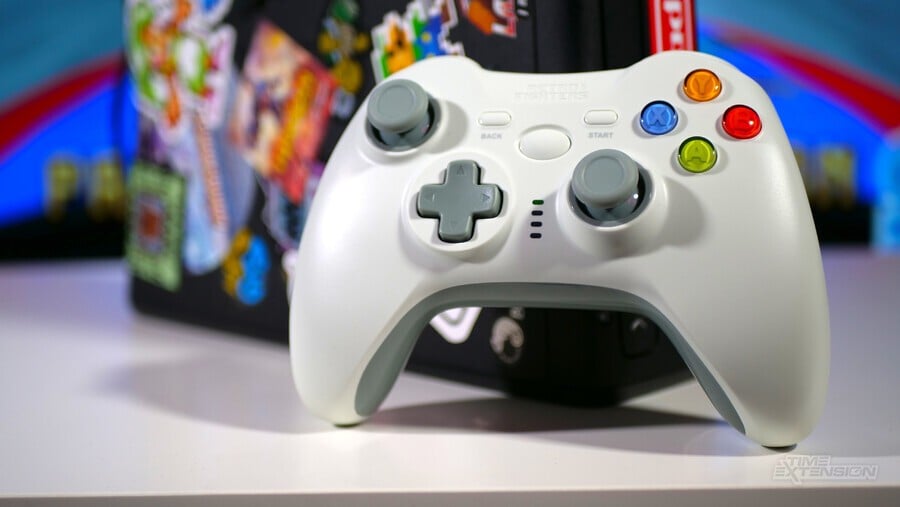
In a significant move for the retro gaming accessory sector, Retro Fighters, a company that has carved out a niche by producing modern, high-quality controllers for beloved vintage consoles, has initiated an equity crowdfunding campaign on the WeFunder platform. The California-based manufacturer, renowned for revitalizing classic gaming experiences through innovative hardware, is seeking to raise $75,000 from its dedicated fanbase and broader investor community. This strategic fundraising effort aims to catalyze the company’s ambitious growth plans, building upon a formidable foundation of over $7 million in revenue and more than 250,000 controllers sold globally. The campaign underscores a growing trend of established, yet independently minded, companies leveraging community support to scale operations and innovate within specialized markets.
The Genesis of Retro Fighters: A Vision for Vintage Gaming
Retro Fighters emerged onto the gaming scene several years ago, driven by a clear mission: to enhance and prolong the lifespan of classic gaming systems by addressing the inherent limitations and wear of original controllers. The company’s founders, avid retro gamers themselves, recognized a pervasive problem within the enthusiast community – while vintage consoles often remained functional, their accompanying input devices frequently suffered from degradation, ergonomic deficiencies by modern standards, or simply lacked contemporary features like wireless connectivity. This insight formed the bedrock of Retro Fighters’ product philosophy: to design and manufacture aftermarket controllers that respect the aesthetic and feel of the originals while integrating significant improvements in ergonomics, durability, and technological advancements.
Their journey began with a focus on consoles like the Nintendo 64, a system celebrated for its groundbreaking 3D games but often criticized for its unconventional, three-pronged controller design. The release of the Brawler64 controller, an ergonomic reimagining of the N64 pad, quickly garnered widespread acclaim. This initial success, likely fueled by earlier crowdfunding efforts (though not explicitly detailed for initial products, "proven track record of successful campaigns" implies such), validated their approach. Following the Brawler64, Retro Fighters expanded its portfolio to other iconic systems, including the Sega Dreamcast with its StrikerDC wireless pad, and the Nintendo GameCube with the BattlerGC Pro, offering wireless and enhanced alternatives to the original WaveBird. Each product release has consistently aimed to solve specific pain points for retro enthusiasts, from improving button responsiveness to providing a more comfortable grip for extended play sessions. This dedication to quality and user-centric design quickly established Retro Fighters as a trusted name among collectors and casual players alike.
Navigating the Retro Gaming Renaissance: The Expanding Niche of Retro Accessories
The timing of Retro Fighters’ emergence coincided with, and has undoubtedly contributed to, a significant resurgence in retro gaming. What was once a niche hobby for dedicated collectors has blossomed into a mainstream cultural phenomenon. Factors contributing to this renaissance include nostalgia for simpler gaming eras, the accessibility of emulation, the rise of content creators showcasing classic titles, and a renewed appreciation for the artistry and challenge of older games. This burgeoning market has created a fertile ground for companies like Retro Fighters.
However, the retro gaming accessory market is not without its complexities. It demands a deep understanding of legacy hardware, a commitment to quality that often surpasses original manufacturing standards, and the ability to navigate intellectual property rights for official licensing where applicable. Retro Fighters has strategically positioned itself at the premium end of this market, eschewing cheap imitations in favor of meticulously engineered products that often carry official licensing, lending credibility and assurance to consumers. The demand for their products is driven by several key factors: the scarcity and increasing cost of original, pristine controllers; the desire for modern conveniences like wireless connectivity and USB compatibility for PC use; and the simple fact that many original controllers are showing their age, suffering from worn-out analog sticks, sticky buttons, or unreliable d-pads. The company’s ability to consistently deliver on these needs has been a critical component of its impressive sales figures.
Market analysis suggests a sustained growth trajectory for the retro gaming sector. Research firms have indicated a compound annual growth rate (CAGR) for the vintage video game market, with accessories forming a crucial sub-segment. While specific figures for retro accessory sales are often bundled, the consistent demand for refurbished consoles, re-released classic games, and high-quality peripherals points to a robust and expanding consumer base willing to invest in their nostalgic pursuits. Retro Fighters’ success, achieving $7 million in revenue and selling a quarter-million units, serves as a compelling testament to the vitality and potential of this specialized market. This revenue generation, averaging approximately $28 per controller sold, indicates a strong perceived value by consumers, willing to pay for superior quality and enhanced functionality over cheaper alternatives or worn-out originals.
Empowering the Community: The WeFunder Initiative
The decision to launch an equity crowdfunding campaign on WeFunder represents a strategic alignment of Retro Fighters’ community-focused ethos with its financial growth objectives. WeFunder, a prominent equity crowdfunding platform, allows unaccredited investors – everyday individuals – to invest in startups and growing businesses. This model differs from traditional Kickstarter-style crowdfunding, where backers typically receive products or perks. On WeFunder, investors acquire a stake in the company, with the potential to see their capital appreciate as the business expands and generates further revenue.
Retro Fighters has set an initial fundraising goal of $75,000, a relatively modest sum for a company with its proven revenue generation, indicating a desire for a targeted capital injection rather than a complete overhaul of its financial structure. This capital is earmarked for accelerating research and development, expanding manufacturing capabilities to meet increasing demand, and potentially securing additional official licenses for future product lines. The company explicitly states on its WeFunder page: "By investing, you’re not just supporting a product, you’re joining a company with a proven track record of successful campaigns, strong fan engagement, and ambitious growth plans." This direct appeal to community members transforms consumers into stakeholders, fostering a deeper sense of loyalty and shared ownership in the company’s future.

Investor benefits associated with the campaign include exclusive perks, which often range from early access to new products and special edition merchandise to direct community access, allowing investors to engage more intimately with the company’s development process. Crucially, the primary incentive is the potential for financial return as the company continues to grow. While equity investments inherently carry risks, Retro Fighters is banking on its established market presence, consistent product quality, and future roadmap for 2026 and 2027 to entice potential investors. The transparency offered by the WeFunder platform also allows potential investors to delve into the company’s financials, business plan, and team, enabling informed decision-making.
From Concept to Console: Retro Fighters’ Journey and Strategic Milestones
Retro Fighters’ journey began roughly a decade ago, identifying a critical gap in the market. The early 2010s saw the retro gaming scene gaining momentum, but accessory options were limited to either increasingly rare and expensive originals or low-quality third-party knock-offs. The company’s initial strategy focused on a meticulous design process, often involving extensive prototyping and community feedback, a methodology that proved instrumental in refining products like the Brawler64.
Key milestones include:
- Establishment (Early 2010s): Formation of Retro Fighters with a vision to revolutionize retro gaming peripherals.
- First Major Product Launch (e.g., 2017-2019 for Brawler64): The introduction of the Brawler64 for Nintendo 64 marked a significant turning point, demonstrating the market’s appetite for high-quality, redesigned classic controllers. This was likely a successful crowdfunding campaign, solidifying their "proven track record."
- Expansion of Product Line (Ongoing): Subsequent releases for Dreamcast (StrikerDC) and GameCube (BattlerGC Pro) showcased the company’s ability to adapt its design philosophy across different console architectures, each time addressing specific ergonomic and functional needs.
- Achieving Scale ($7M Revenue, 250,000 Units): Reaching these impressive figures signifies not just product acceptance but efficient manufacturing, distribution, and effective market penetration. This milestone likely occurred in the recent past, leading up to the current WeFunder campaign.
- Ongoing R&D for Future Products (2026-2027 Roadmap): The mention of a strong product line-up for the coming years indicates continuous investment in innovation and a long-term vision for market leadership.
These milestones collectively paint a picture of a company that has moved beyond the startup phase, demonstrating consistent execution and sustained growth. The $7 million in revenue, accumulated over a relatively short period for a specialized hardware company, speaks volumes about the demand for their products and their effective business model.
Charting the Future: Expansion and Innovation
The capital raised through the WeFunder campaign is critical for Retro Fighters’ future trajectory. The company’s strategic vision extends beyond merely replicating past successes; it aims for continuous innovation and market expansion. The funds will likely be allocated across several key areas:
- Research and Development: Developing new controllers for other vintage systems (e.g., Sega Saturn, original PlayStation, TurboGrafx-16), exploring advanced features (e.g., haptic feedback, customizable button mapping, more robust internal components), and integrating future technologies.
- Manufacturing Scale-Up: Investing in more efficient production processes, potentially reducing per-unit costs and increasing output to meet growing demand, including international markets.
- Licensing Agreements: Pursuing additional official licensing deals with console manufacturers or game publishers to further enhance product legitimacy and appeal.
- Marketing and Distribution: Expanding reach through targeted marketing campaigns, strengthening retail partnerships, and optimizing direct-to-consumer channels.
- Team Expansion: Hiring specialized talent in engineering, design, and marketing to support accelerated growth.
The company’s confidence in its "strong product line-up for 2026 and 2027" suggests a robust internal pipeline of innovations. This forward-looking approach is essential in a market that, while rooted in nostalgia, thrives on modernization and convenience. For instance, future controllers might incorporate universal dongles, enhanced battery life, or even modular components allowing for greater customization. By securing this investment, Retro Fighters positions itself to capitalize on these opportunities and maintain its competitive edge.
Understanding Equity Crowdfunding in the Modern Market
Equity crowdfunding, facilitated by platforms like WeFunder, has emerged as a powerful alternative to traditional venture capital or bank loans for many businesses, particularly those with a strong community following or operating in niche markets. For Retro Fighters, this model offers several distinct advantages:
- Access to Capital: It democratizes investment, allowing the company to tap into a large pool of smaller investors who are often also its most passionate customers.
- Community Engagement: It transforms customers into advocates and stakeholders, deepening brand loyalty and potentially leading to more organic marketing through word-of-mouth. Investors often feel more connected to a company they have a financial stake in.
- Marketing and PR: A crowdfunding campaign itself generates significant publicity, raising awareness not just for the investment opportunity but for the company’s products and mission.
- Strategic Fit: For a company built on serving a dedicated fan base, inviting that base to invest directly aligns with its brand identity.
However, it also presents challenges and considerations for both the company and investors. For investors, equity crowdfunding carries inherent risks. Investments are not guaranteed, and the liquidity of shares can be low, meaning it might be difficult to sell shares quickly. The potential for financial growth is tied directly to the company’s future success, which, while promising for Retro Fighters, is never certain. For the company, managing a large number of small investors requires robust communication and transparency, as well as adherence to regulatory requirements associated with public solicitations. Despite these complexities, the WeFunder model appears to be a fitting choice for Retro Fighters, leveraging its established trust and connection with the retro gaming community.
Industry Implications and Community Engagement
The Retro Fighters WeFunder campaign holds broader implications for the retro gaming industry and the crowdfunding landscape. For the retro gaming sector, it signals a maturity where companies built on niche appeal can attract significant investment and plan for sustained, multi-year growth. It reinforces the idea that retro gaming is not merely a passing fad but a vibrant, economically viable segment of the broader entertainment industry. A successful campaign could encourage other specialized hardware manufacturers or content creators in the retro space to explore similar community-driven funding models.
For the community, this initiative offers a unique opportunity to directly influence the future of a brand they admire. Beyond simply purchasing products, investing allows fans to become active participants in the company’s trajectory, potentially shaping future product development through feedback channels often made available to stakeholders. This deepens the symbiotic relationship between specialized businesses and their dedicated customer bases, fostering an ecosystem where consumer passion directly fuels innovation and expansion.
As the retro gaming market continues its upward trajectory, driven by both nostalgia and a new generation discovering classic titles, companies like Retro Fighters are crucial. They bridge the gap between vintage hardware and modern expectations, ensuring that classic gaming experiences remain accessible and enjoyable for years to come. By inviting its community to invest, Retro Fighters is not just raising capital; it is solidifying a powerful partnership that could redefine how specialized industries grow and thrive in the 21st century. Those interested in becoming part of this unfolding story are directed to the company’s official WeFunder page, where they can explore the investment opportunity and contribute to the future of retro gaming accessories.