Hartono Sudibyo
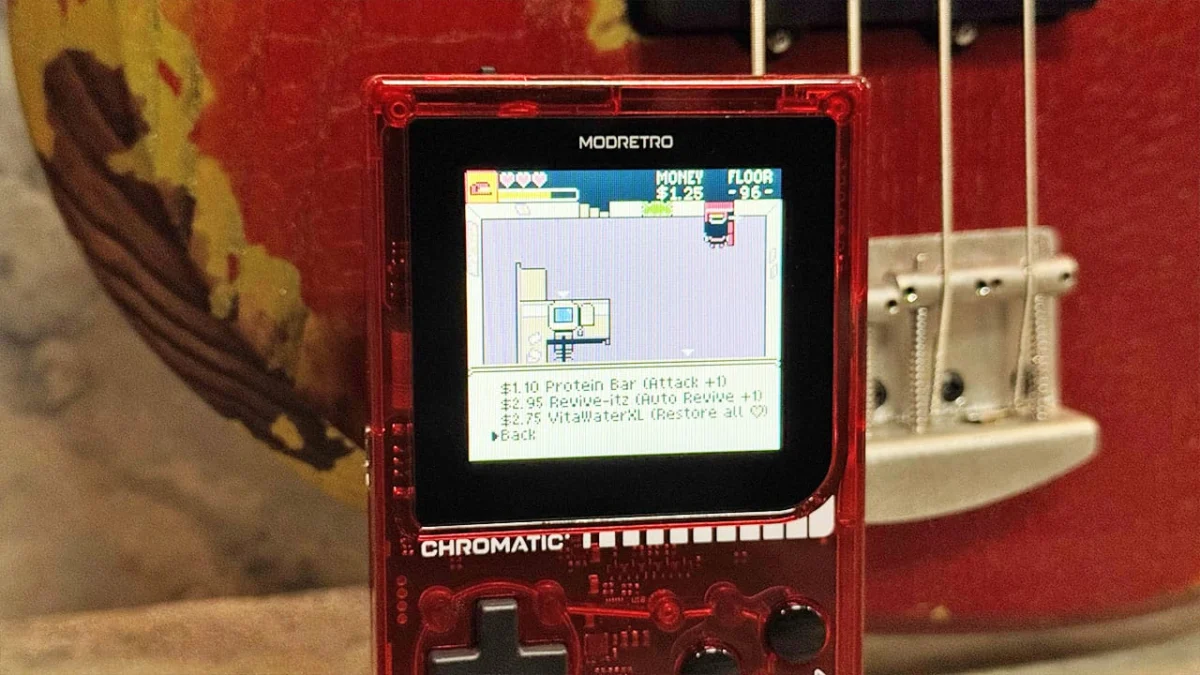
The independent video game development landscape continues to find inspiration in retro hardware limitations, with developer Mike Bedsole officially announcing his latest project, Corporate Rot. Following the critical and commercial reception of his previous title, Kero Kero Cowboy, Bedsole has shifted genres from whimsical amphibian action to a high-intensity, room-clearing survival title framed within the drab confines of a corporate office overrun by the undead. Designed specifically with retro aesthetics and hardware constraints in mind, Corporate Rot blends the fast-paced mechanics of modern roguelikes with the unforgiving design philosophy of classic 8-bit and 16-bit gaming eras.
The announcement of Corporate Rot arrives alongside the launch of a crowdfunding campaign on Kickstarter, where early reception has indicated robust community interest. To allow prospective backers and retro gaming enthusiasts to evaluate the software firsthand, Bedsole has simultaneously released a playable demonstration via the independent platform Itch.io. This dual-release strategy has become a standard industry practice for independent developers seeking to validate gameplay loops and build momentum prior to manufacturing physical cartridges.

Core Gameplay Mechanics and Structural Design
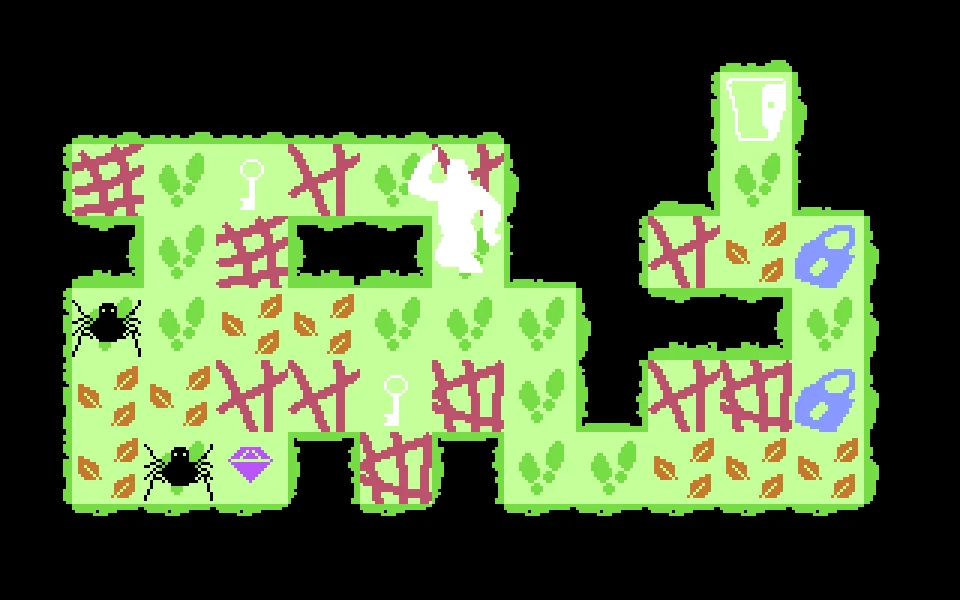
At its core, Corporate Rot is structured around a grueling 100-floor descent through a multi-story corporate building. Players assume the role of an anonymous office worker forced to navigate individual rooms while neutralizing waves of zombie adversaries. Unlike conventional action titles that rely on a persistent inventory of specialized firearms or melee weapons, Corporate Rot forces players to improvise using environmental assets found natively within a standard corporate workspace.
Throughout the sprawling facility, players can utilize everyday office supplies as makeshift weaponry. Confirmed items available for combat include computer monitors, desk lamps, ergonomic office chairs, golf clubs, and heavy-duty staplers. Each weapon features a distinct durability metric, introducing a layer of resource management to the frantic combat encounters. As players strike incoming threats, weapon integrity diminishes rapidly, forcing them to constantly scan subsequent rooms for viable replacements before their current implement shatters.

The title employs a strict permadeath framework, providing players with a finite allocation of three lives per run. The absence of traditional save states, password continuation systems, or mid-game checkpoints positions Corporate Rot firmly within the roguelike tradition, prioritizing player skill, pattern recognition, and tactical adaptability over progressive endurance.
Enemy Variety and Environmental Hazards
Survival within Corporate Rot requires careful study of the diverse mutant workforce inhabiting each floor. The game’s enemy roster is visually and functionally categorized by hierarchical color coding, dictating their offensive capabilities and movement speeds. Green-tinted zombies serve as standard baseline units, while yellow variants exhibit heightened movement speed, requiring precise timing to intercept. Red variants represent the most formidable standard threats encountered in the upper tiers of the office building.

Beyond standard shambling archetypes, players must contend with specialized undead entities that alter standard room-clearing strategies. Certain adversaries utilize computer monitors as defensive barricades, absorbing initial strikes before exposing themselves to counterattacks. Others, appearing after approximately twenty cleared rooms, possess ranged capabilities, spewing corrosive bile that restricts movement and inflicts significant damage.
Resource Management and Procedural Variance
To offset the punishing difficulty curve, players accumulate currency by successfully neutralizing enemies. This capital can be spent at strategically placed vending machines scattered throughout the facility. Available upgrades include permanent augmentations to attack power, defensive resilience, and movement speed. Additionally, vending machines stock critical survival items, including health restorers and automated revival modules. Given the high stakes of permadeath, acquiring auto-revival items remains a primary strategic objective for advanced playthroughs.
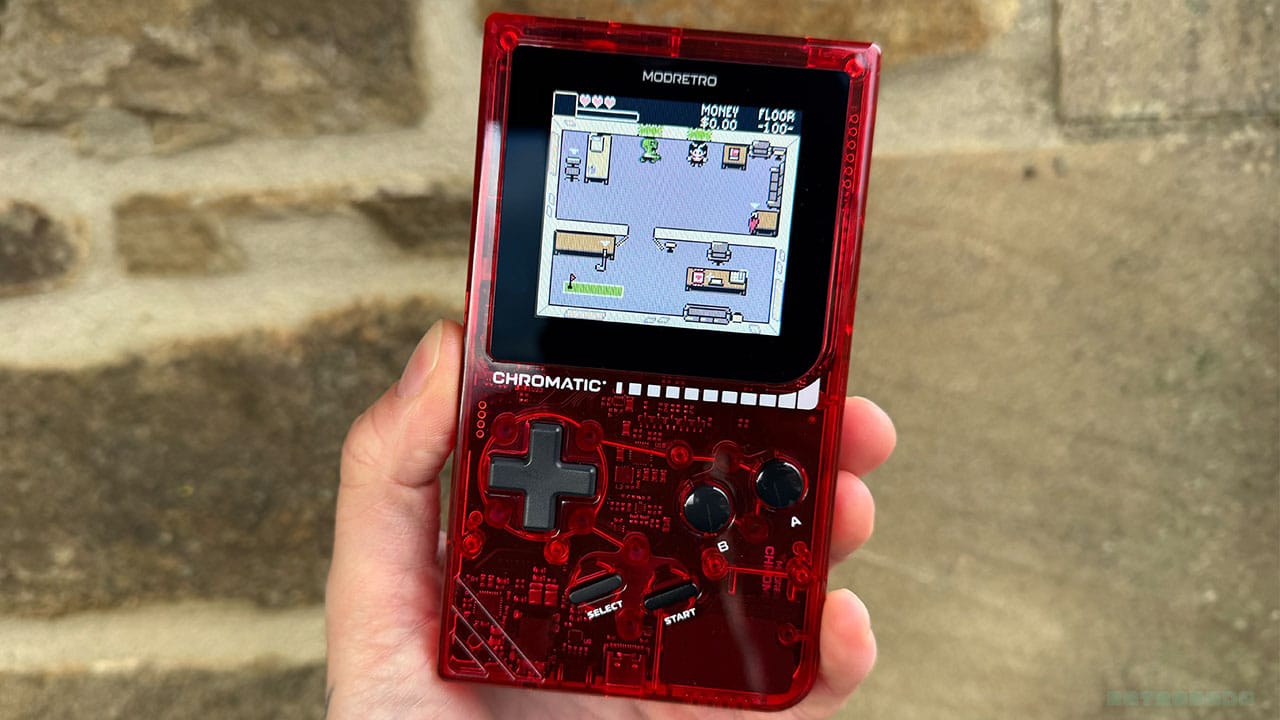
To maintain long-term engagement across multiple attempts, Corporate Rot incorporates procedural variance in item placement and environmental states. Resource availability fluctuates dynamically between sessions. For example, water coolers may occasionally be found depleted, denying the player vital health recovery options, or fully stocked to provide necessary relief. Similarly, executive boardrooms and break areas feature randomized provisions on desks and inside refrigerators—such as caffeinated beverages or confectionery items—each granting distinct, temporary statistical advantages or handicaps at the start of a run.
Crowdfunding Campaign and Industry Context
The commercial viability of retro-focused independent games has experienced a significant resurgence over the past decade, driven largely by targeted crowdfunding platforms and a dedicated demographic of enthusiasts collecting physical media for vintage and modern retro-styled hardware. Mike Bedsole’s transition from Kero Kero Cowboy to Corporate Rot reflects a broader industry trend where solo developers leverage established goodwill to fund physical cartridge releases and digital ROM distributions simultaneously.
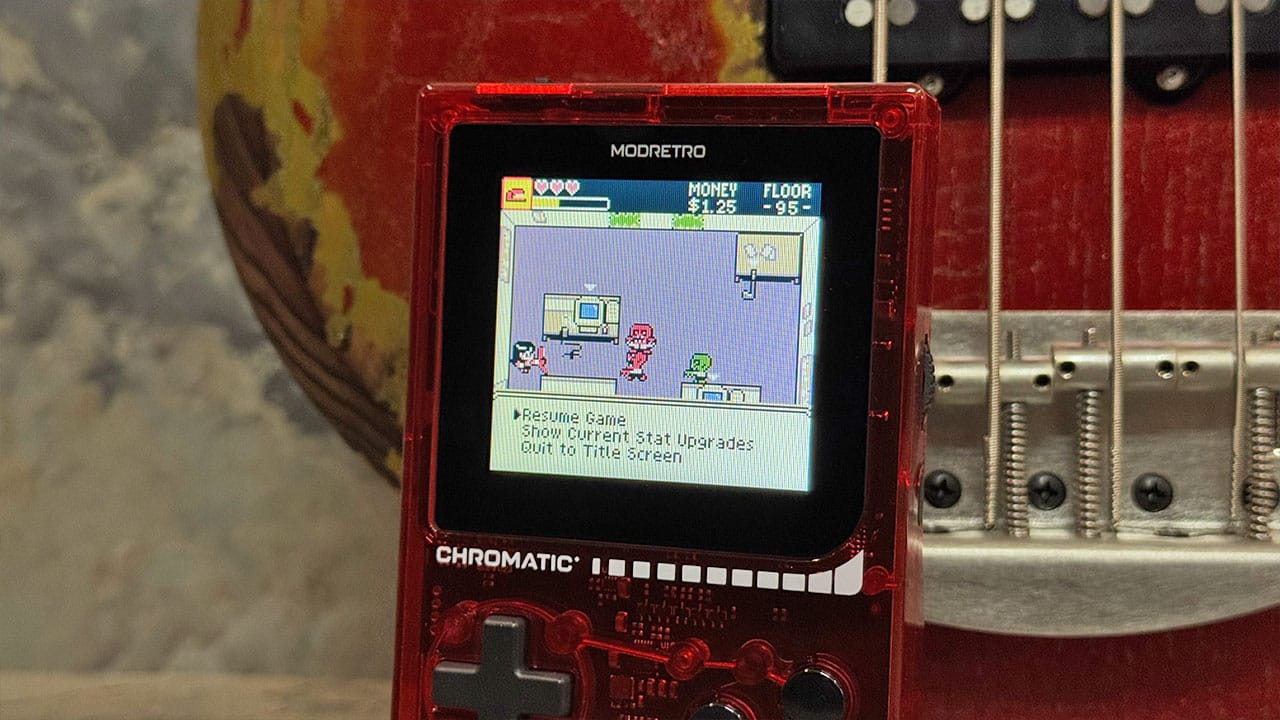
The Kickstarter campaign for Corporate Rot outlines several stretch goals and manufacturing milestones contingent upon meeting its baseline financial objective. While specific fulfillment details depend on the final capitalization of the project, Bedsole has indicated that successfully meeting these financial targets will expand the scope of the final release, potentially introducing additional floors, expanded enemy archetypes, and refined balancing iterations based on feedback gathered from the current Itch.io demonstration.
Broader Implications for the Retro Independent Market
The reception of Corporate Rot highlights the ongoing viability of developing software constrained by retro hardware parameters. By embracing strict design limitations—such as limited color palettes, restricted resolution grids, and minimalist audio design—independent developers can focus intensely on core gameplay loops and tight mechanical responsiveness.
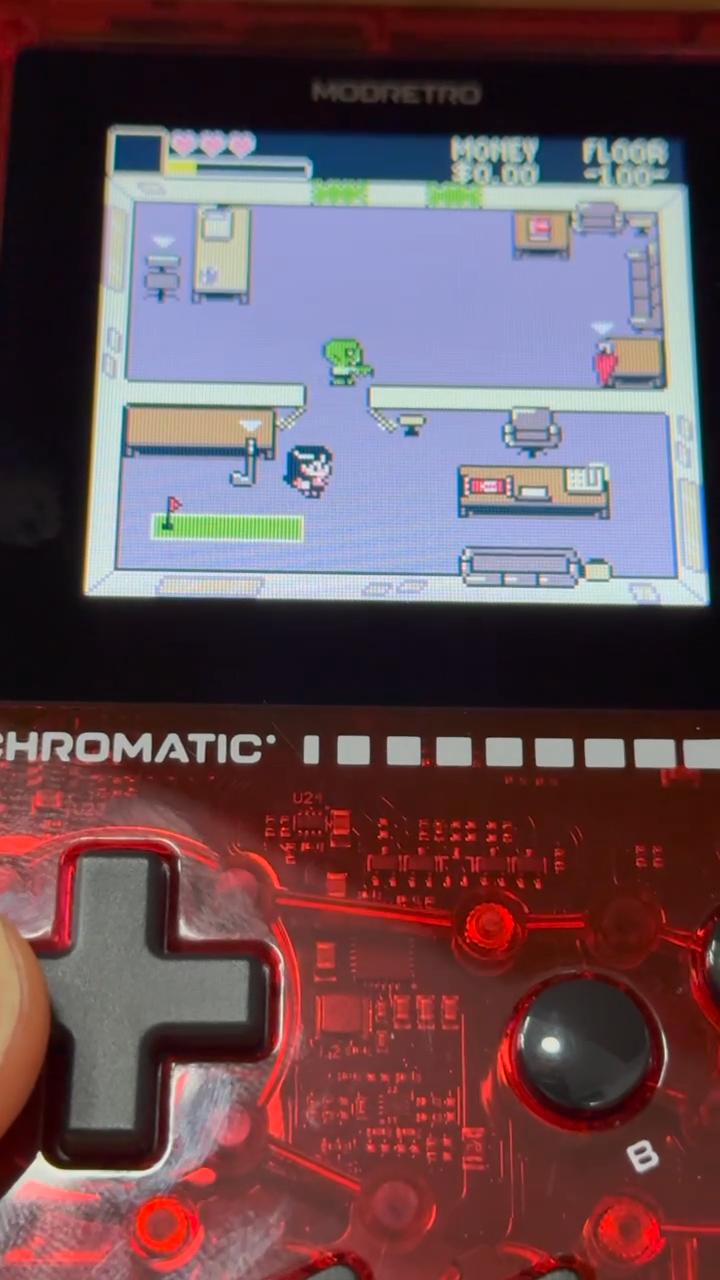
Furthermore, the integration of modern roguelike progression models into classic top-down room-clearing frameworks demonstrates how contemporary game design sensibilities can successfully breathe new life into vintage genres. Titles that enforce high difficulty thresholds combined with randomized loot distribution and permanent failure heavily incentivize replayability, a crucial metric for titles distributed on physical cartridges where post-release software patches are either impractical or impossible.
As the crowdfunding campaign progresses toward its conclusion, the broader independent development community will be watching to see how successfully Corporate Rot translates its early demo enthusiasm into a fully realized 100-floor experience. For retro gaming enthusiasts and fans of unforgiving survival titles, the combination of environmental improvisation, strategic resource allocation, and relentless enemy hordes establishes Corporate Rot as one of the more notable independent projects slated for the retro hardware ecosystem.