Indra Gunadi

The release of Jungle Escape by Annina Games marks a significant addition to the ongoing development scene for the Commodore 64, a platform that, despite being over four decades old, continues to experience a robust resurgence in independent software production. Released on October 26, 2026, the game presents a distinct challenge centered on memory and pattern recognition, tasking players with guiding an escaped gorilla through a treacherous jungle environment. The mechanics rely on the temporary visibility of lethal traps, which briefly appear before camouflaging with the terrain, forcing the player to commit the layout of the environment to memory to ensure safe passage.
The Commodore 64 Development Landscape in 2026
The release of new software for the Commodore 64 is not an isolated incident but part of a wider, organized subculture of retro-computing enthusiasts and independent developers. As of late 2026, the ecosystem surrounding the C64 has transitioned from a niche hobbyist interest into a semi-professional industry. Development tools such as C64 Studio, KickAssembler, and cross-platform compilers have lowered the barrier to entry, allowing developers like Annina Games to produce titles that push the technical boundaries of the MOS Technology 6510 microprocessor.
Data indicates that the C64 remains the most active platform in the 8-bit retro-gaming sphere. According to community-driven distribution platforms, there have been hundreds of new titles released for the system since 2020. This trend is bolstered by the proliferation of flash cartridges, such as the 1541 Ultimate II+ and the Kung Fu Flash, which allow users to play modern digital releases on authentic hardware with ease, effectively eliminating the friction that once existed between modern software development and vintage hardware usage.
Gameplay Mechanics and Design Philosophy
Jungle Escape operates on a "trial-and-error" design philosophy, a staple of classic arcade-era gaming. By requiring the player to memorize trap locations before they disappear, the developer introduces a cognitive challenge that diverges from the twitch-reflex gameplay common in many contemporary platformers.
The aesthetic and functional design of Jungle Escape suggests a focus on the limitations of the Commodore 64’s VIC-II graphics chip. By utilizing sprite-based movement and tile-based backgrounds, Annina Games maintains the smooth performance necessary for the game’s difficulty spikes. The reliance on pattern recognition serves as a core gameplay loop: the initial viewing of the traps provides the information, and the subsequent movement requires the execution of that knowledge. This structure is reminiscent of early memory-based maze games but introduces a thematic narrative layer that provides context to the mechanical requirements.
Chronology of Retro-Software Development
The trajectory of Commodore 64 software development can be segmented into three distinct eras:
- The Commercial Era (1982–1994): The initial lifecycle of the machine, dominated by large publishers such as Epyx, Ocean Software, and System 3. This period established the C64 as a dominant home computing force.
- The Dormant/Preservation Era (1995–2009): Following the discontinuation of the hardware, the scene shifted toward preservation, emulation, and the development of emulators like VICE. The primary output was archival rather than creative.
- The Independent Resurgence (2010–Present): The current era is defined by the democratization of development tools. The emergence of specialized events, such as the Revision demoparty and various C64-specific game jams, has incentivized developers to produce high-quality, original content.
Jungle Escape fits squarely into the current wave of "boutique" releases, where the focus is on tight, replayable mechanics that respect the constraints of the original machine while offering a modern user experience.
Technical Implications of Modern 8-Bit Coding
Developing for the Commodore 64 in 2026 requires a high degree of technical proficiency. Because the hardware is fixed, developers must optimize their code to fit within the 64 kilobytes of RAM available. This necessitates efficient memory management and the use of optimized assembly code.

Industry analysts tracking the retro-gaming market note that the demand for physical media—including cartridges and diskettes—has surged alongside digital downloads. Collectors now frequently seek out "boxed" versions of games like Jungle Escape, which include physical manuals, posters, and sometimes custom-engineered cartridges. This shift toward tangible products has helped fund further development, creating a self-sustaining cycle where new releases can generate enough revenue to support the next project from independent studios.
Market Reception and Community Feedback
While official critical reviews of niche titles are less common in mainstream media, community sentiment within platforms such as PDROMS and various C64 forums remains a reliable metric for engagement. Early feedback regarding Jungle Escape has highlighted the game’s "fair but challenging" difficulty curve.
Members of the C64 development community have observed that titles requiring mental agility—rather than just fast inputs—often see higher levels of engagement. By integrating a "memorize and execute" mechanic, Jungle Escape encourages players to repeat levels, thereby increasing the effective "play time" of the software. This design choice is viewed as a hallmark of well-conceived retro projects that aim to provide a complete experience despite the platform’s technical limitations.
Broader Impact on the Retro-Computing Ecosystem
The sustained interest in platforms like the Commodore 64 has broader implications for digital history. By continuing to produce new software, developers are ensuring that the hardware remains "alive" in the public consciousness. This activity prevents the C64 from being relegated solely to museum displays, instead maintaining it as a functional, interactive medium.
Furthermore, the tools created to facilitate the development of games like Jungle Escape have secondary benefits. Many of the cross-platform development environments created by the C64 community are now being utilized by hobbyists working on other vintage systems, including the ZX Spectrum, the Amstrad CPC, and the Apple II. This cross-pollination of development techniques strengthens the overall retro-computing scene, making it easier for new developers to contribute to the preservation and expansion of these legacy platforms.
Looking Forward: The Future of 8-Bit Titles
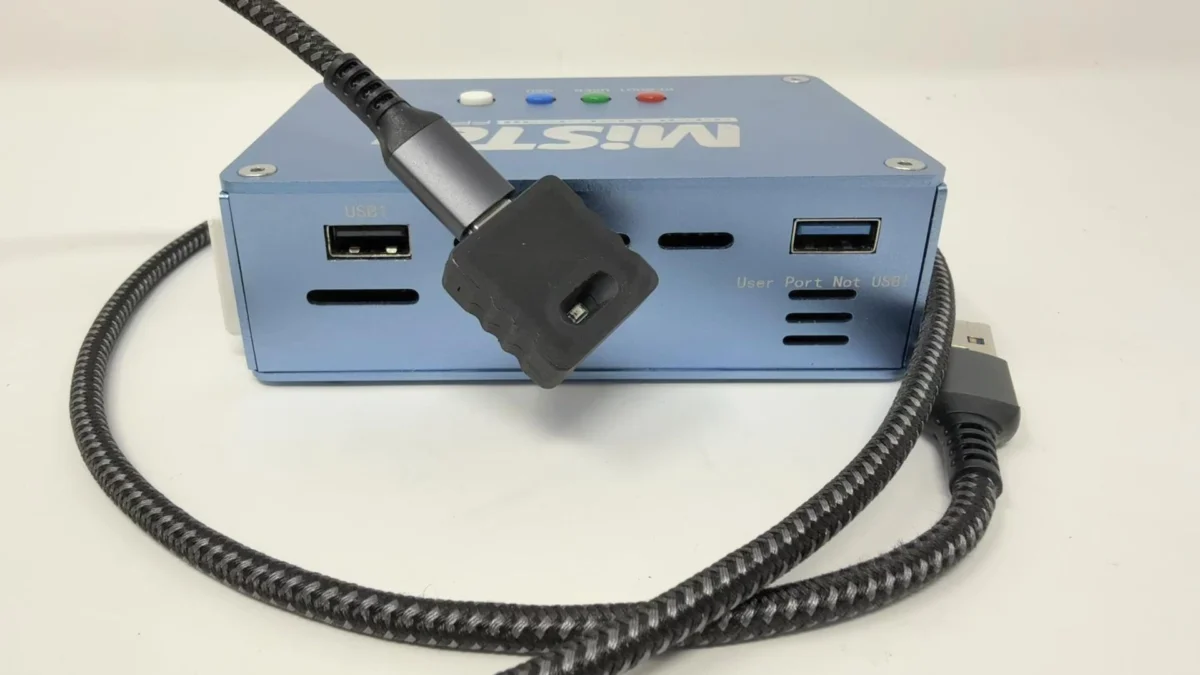
As we look toward the remainder of the decade, it is clear that the appetite for games like Jungle Escape will not wane. With the continued improvement of FPGA (Field-Programmable Gate Array) hardware—such as the MiSTer project—the ability to interact with accurate recreations of C64 hardware is more accessible than ever. These advancements allow players to experience the game as it was intended, with the exact timing and responsiveness that defined the 1980s computing experience.
Annina Games, by contributing to this ecosystem, is part of a collective effort to define the modern legacy of the Commodore 64. The release of Jungle Escape serves as a reminder that creativity is not limited by hardware specifications. Instead, the constraints of the 8-bit era serve as a canvas, forcing developers to find innovative solutions to gameplay problems.
In conclusion, the launch of Jungle Escape is a testament to the longevity of the Commodore 64. Through a blend of classic design tropes and modern accessibility, the game occupies a relevant space in the current gaming landscape. Whether for long-time enthusiasts or new users exploring the system for the first time, such releases provide a window into a unique era of computing that shows no signs of disappearing. As developers continue to refine their craft and the community continues to support these endeavors, the Commodore 64 will undoubtedly remain a focal point of independent software development for years to come.