Retno Hari Mulyono
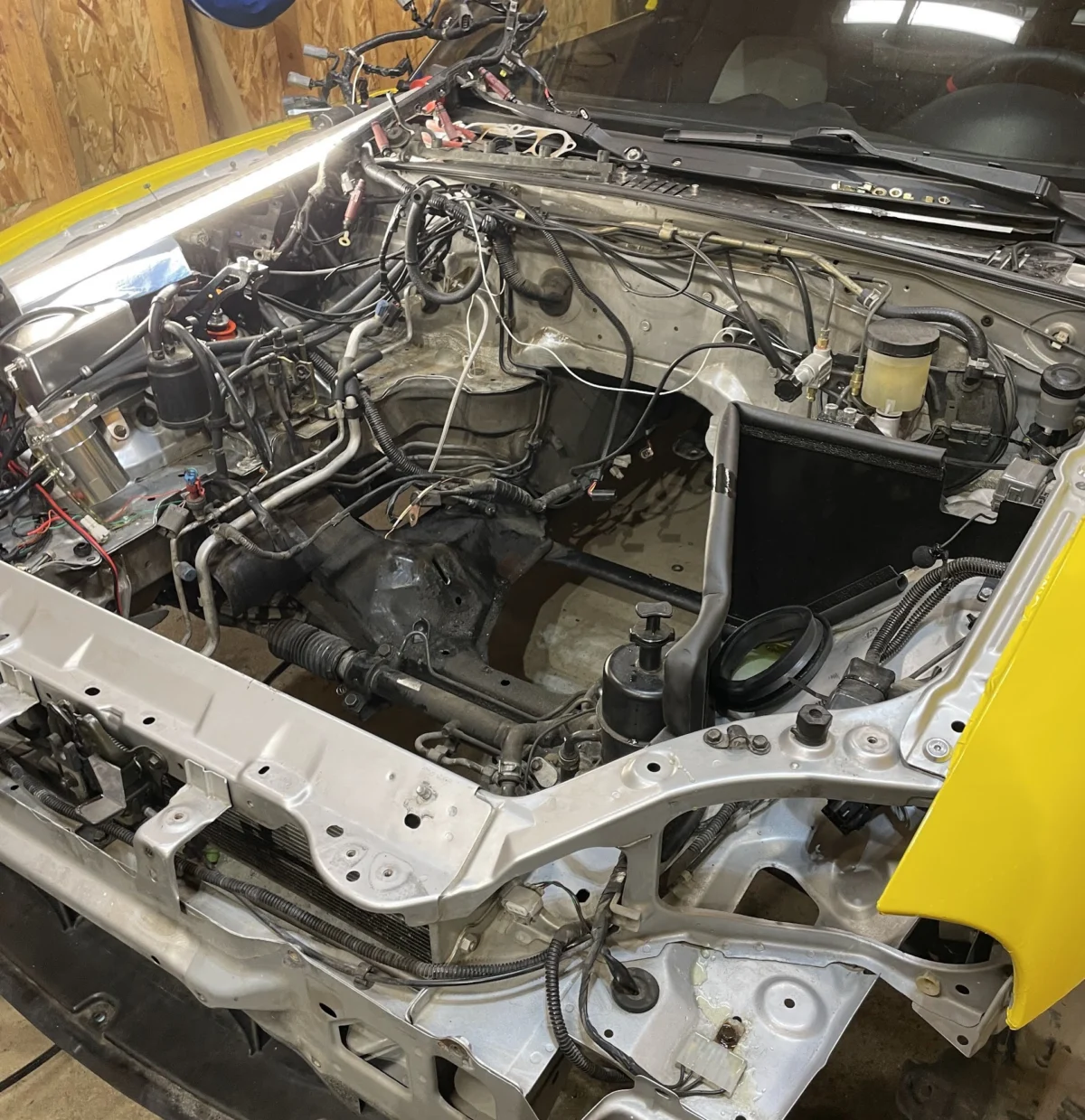
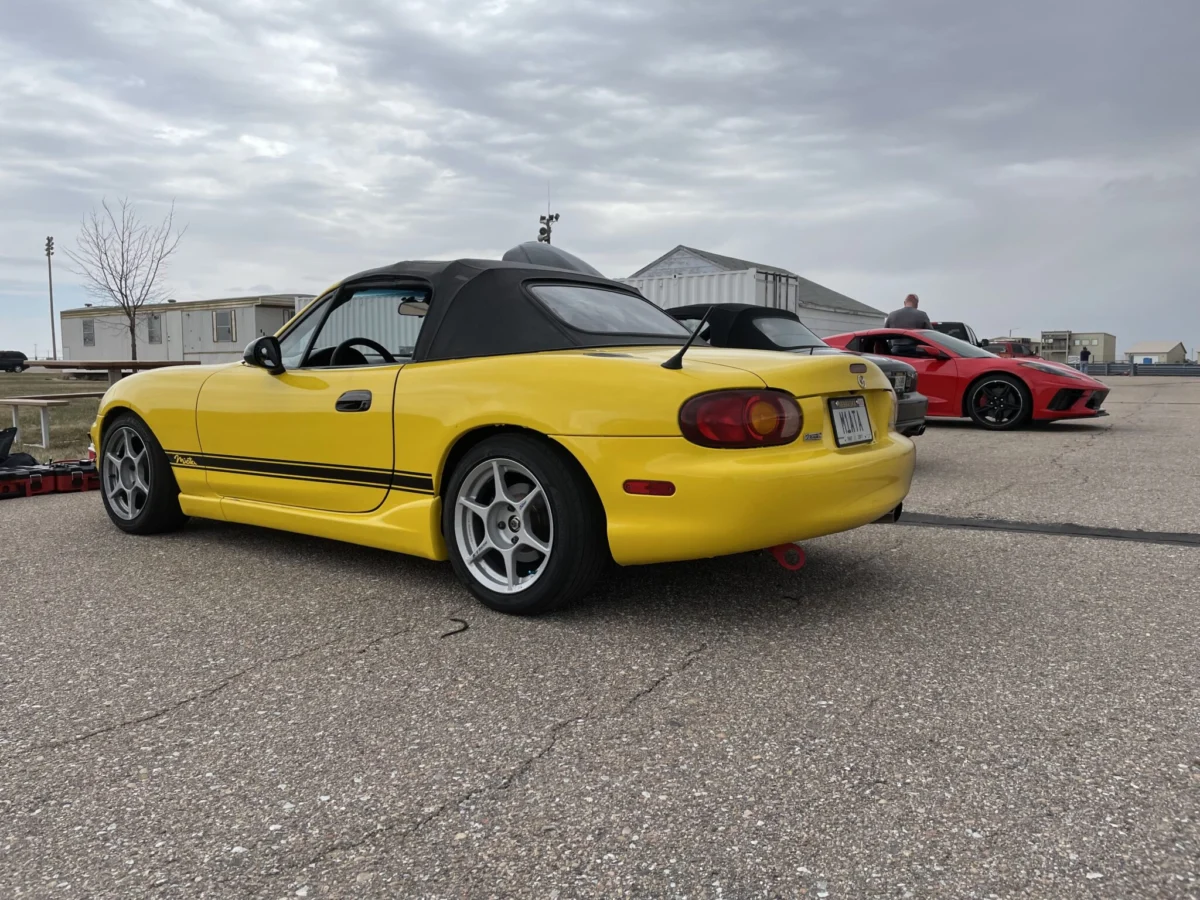
The annual winter maintenance period often serves as a crucial window for automotive enthusiasts to address accumulated mechanical issues, upgrade powertrain components, and prepare vehicles for the upcoming track season. For one Mazda MX-5 Miata owner, the off-season of 2021-2022 presented an opportunity to execute a comprehensive engine-out service on a 2000 NB generation model. What began as a targeted intervention to resolve an escalating rear main seal oil leak evolved into a comprehensive powertrain refurbishment. The project encompassed the installation of a lightweight flywheel, a sport-oriented clutch, an oil pan replacement, a specialized cooling system reroute, and the integration of a European market intake manifold. While the endeavor successfully improved the vehicle’s dynamic capabilities on paper, subsequent post-assembly inspections underscored the persistent challenges associated with aging performance vehicle platforms.
Background and Motivation for Engine Removal
The second-generation Mazda MX-5, commonly designated as the NB and produced from model years 1999 through 2005, utilizes either the B6ZE(V) 1.6-liter or the BP-Z3 1.8-liter inline-four engine. While renowned for their exceptional reliability, balanced handling, and widespread popularity in amateur motorsports, these powerplants are notorious for developing multiple oil leaks as mileage accumulates. Industry analysts and Mazda specialist technicians frequently compare the sealing characteristics of the BP engine architecture to classic British roadsters of the mid-20th century, noting that oil seepage commonly occurs at the valve cover gasket, camshaft seals, front crankshaft seal, oil pan rail, and the rear main seal.
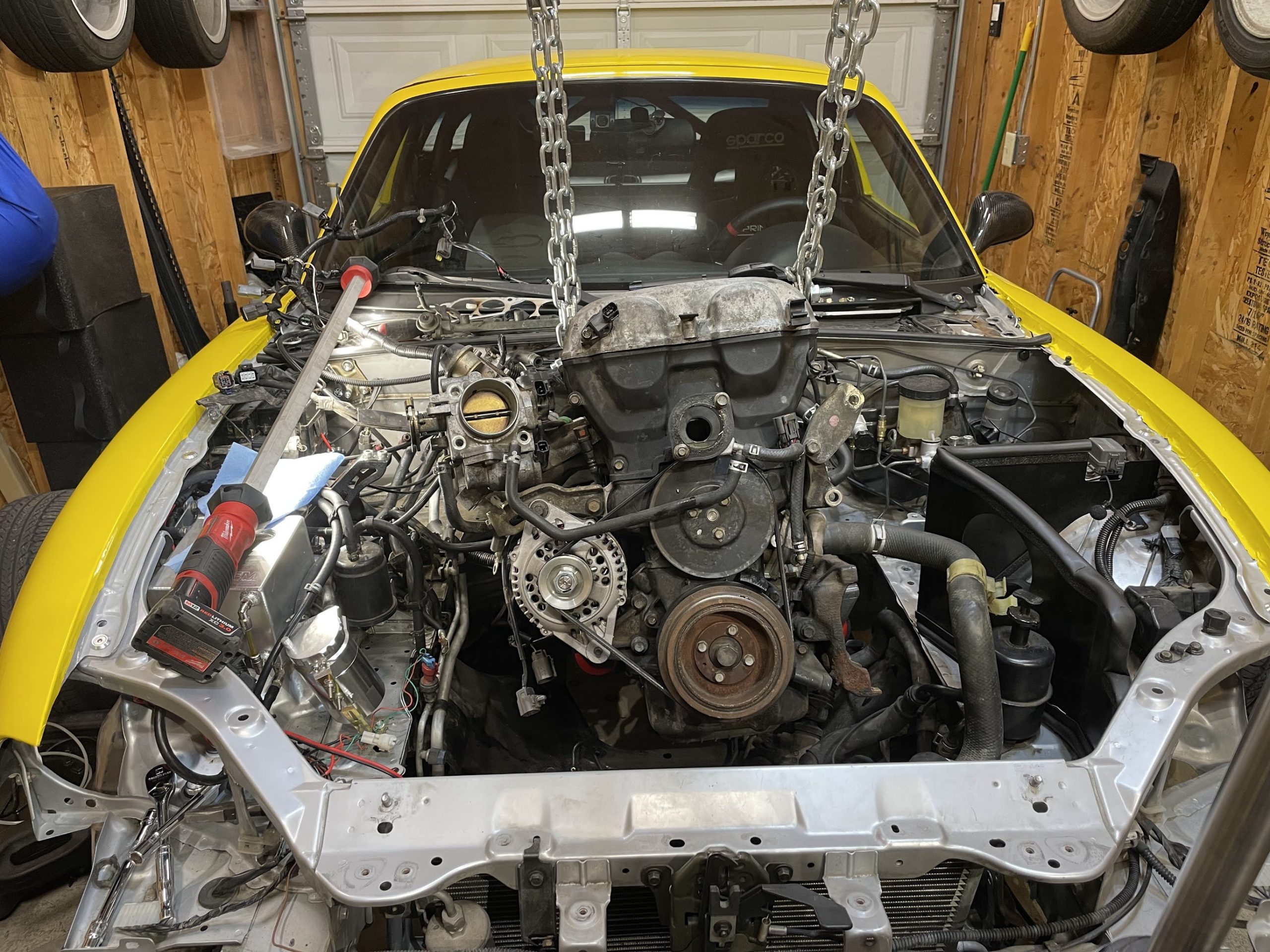
In the case of this specific 2000 NB Miata, a deteriorating rear main seal served as the primary catalyst for the winter overhaul. Although performing an engine removal—frequently referred to in the automotive community as "pulling the motor"—is rarely justified for a single gasket replacement, the accumulation of secondary maintenance requirements tipped the operational cost-benefit analysis. A comprehensive evaluation revealed that executing the planned repairs with the engine remaining inside the chassis would prove significantly more labor-intensive and error-prone than extracting the complete engine and transmission assembly as a single unit from the top of the engine bay.
Chronology of the Winter Overhaul
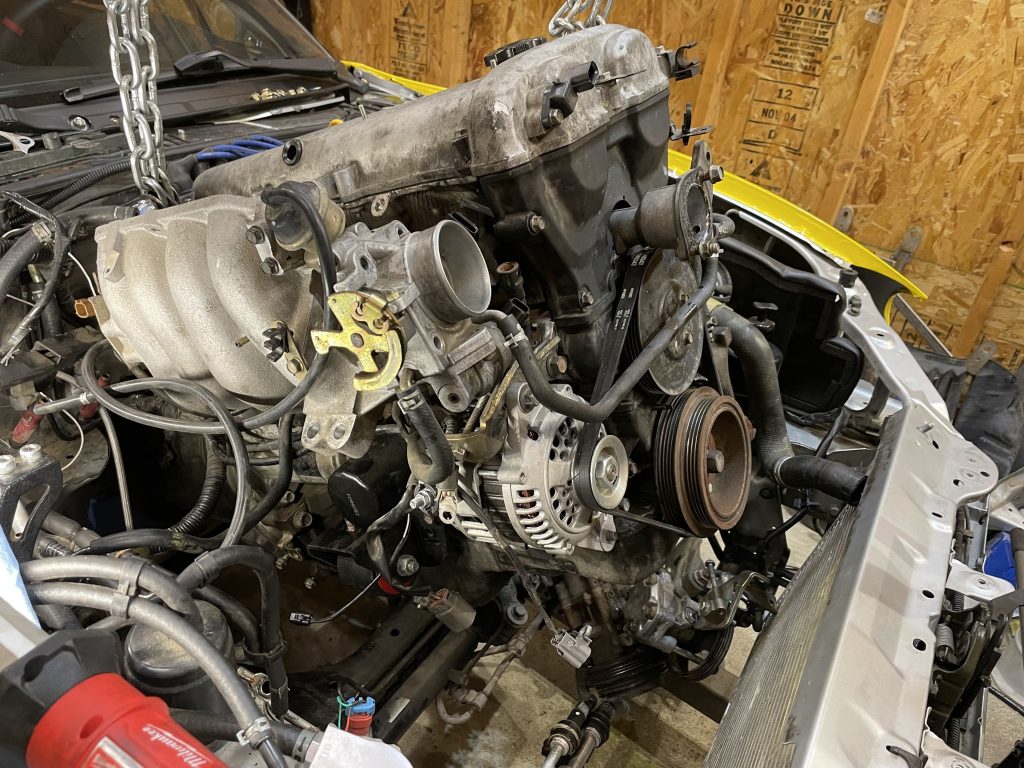
The project commenced in the early winter months, following the conclusion of the previous driving season. The initial phase focused on the systematic disconnection of all ancillary components, electrical wiring harnesses, cooling hoses, and exhaust connections necessary to clear the engine bay. Utilizing a standard hydraulic engine hoist, the complete powertrain assembly—consisting of the 1.8-liter BP engine and the matching five-speed manual transmission—was extracted simultaneously without major obstruction.
With the assembly secured on an engine stand, the restoration work proceeded in distinct mechanical stages:
-
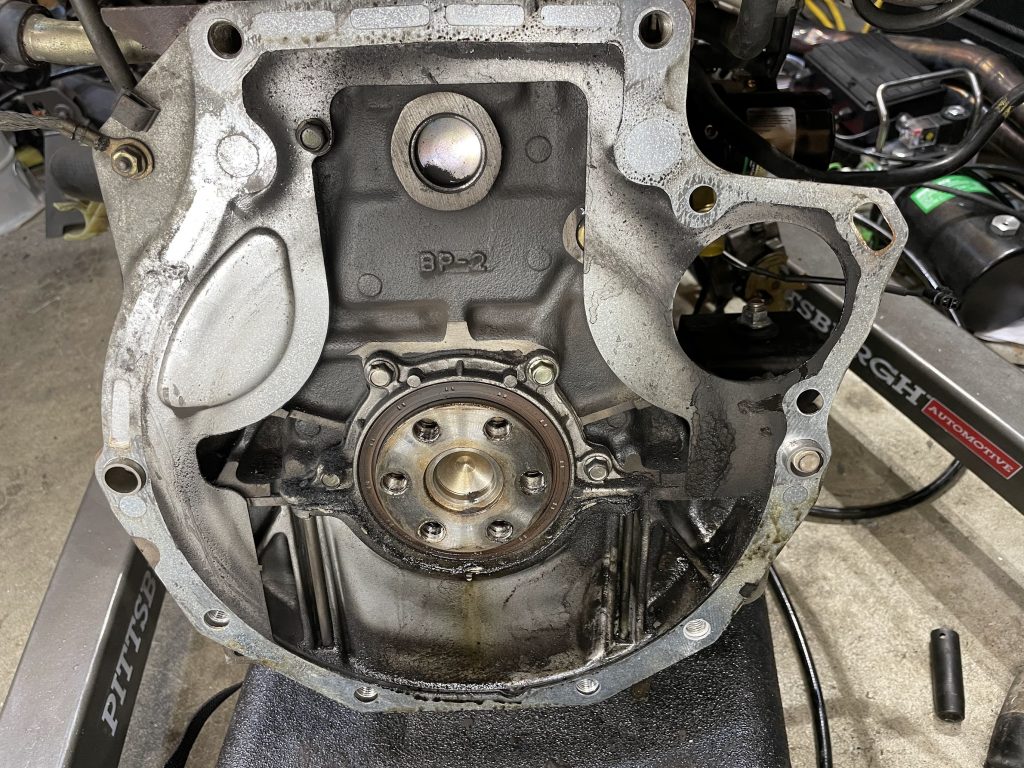
Powertrain Sealing: Technicians and DIY mechanics alike emphasize the necessity of eradicating oil leaks prior to conducting accurate oil consumption diagnostics. The overhaul included the replacement of the rear main seal, camshaft seals, front main seal, and the valve cover gasket. Furthermore, both the input and output shaft seals of the transmission were renewed to preemptively address a minor identified leak at the rear transmission output shaft. To ensure precision, a specialized second-generation rear crank seal installer tool manufactured by Flyin Miata was utilized to seat the rear main seal to the exact factory-specified depth.
-
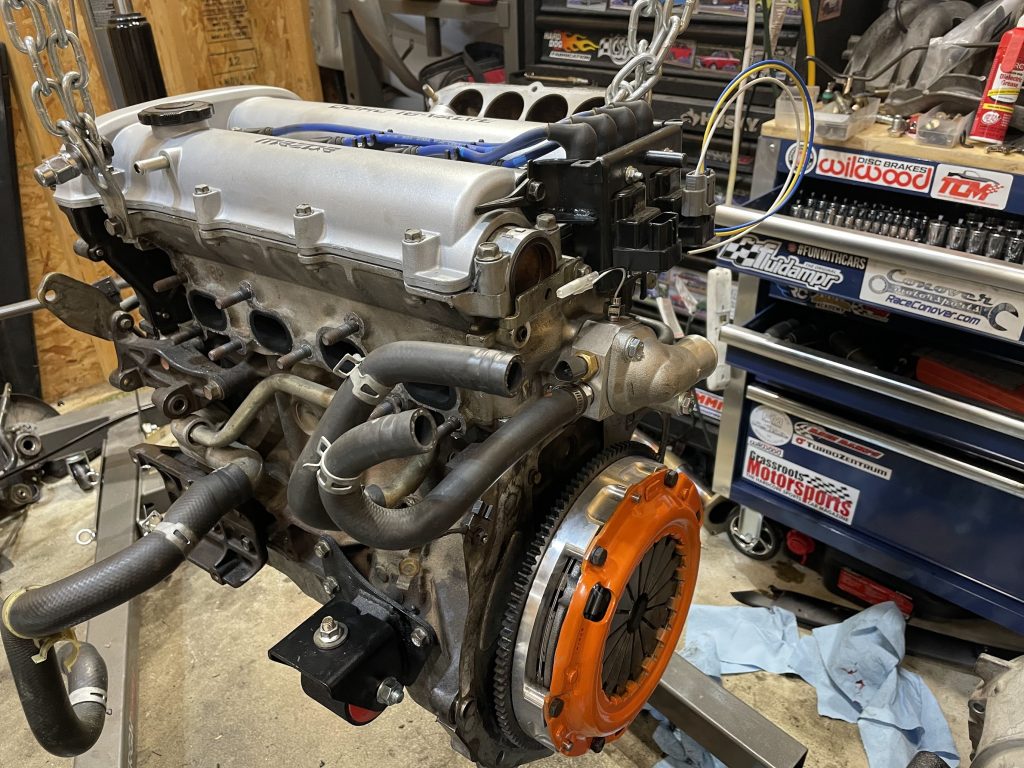
Clutch and Flywheel Replacement: Recognizing the age and undetermined wear state of the factory-installed clutch components, the decision was made to upgrade the driveline. The original assembly was superseded by a Supermiata sport organic clutch paired with a nine-pound lightweight aluminum flywheel. The selection of the organic sport clutch was driven by its capacity to handle potential future power-adder modifications—such as forced induction—while maintaining factory-like street drivability and modulation. The lightweight flywheel was selected to reduce rotational inertia, thereby enabling faster engine rev-matching during aggressive downshifts.
-
Oil Pan Remediation: A persistent mechanical issue involving stripped oil pan drain plug threads, previously mitigated via an aftermarket conical temporary drain plug, required definitive resolution. The engine was fitted with an undamaged, sourced replacement oil pan. The removal process proved intricate due to the presence of an internal baffle plate sandwiched between the engine block and the oil pan, secured by high-strength Room Temperature Vulcanizing (RTV) silicone sealant on both mating surfaces. Careless extraction initially resulted in a minor deformation of the baffle plate, highlighting the necessity of properly separating the components prior to lifting.
-
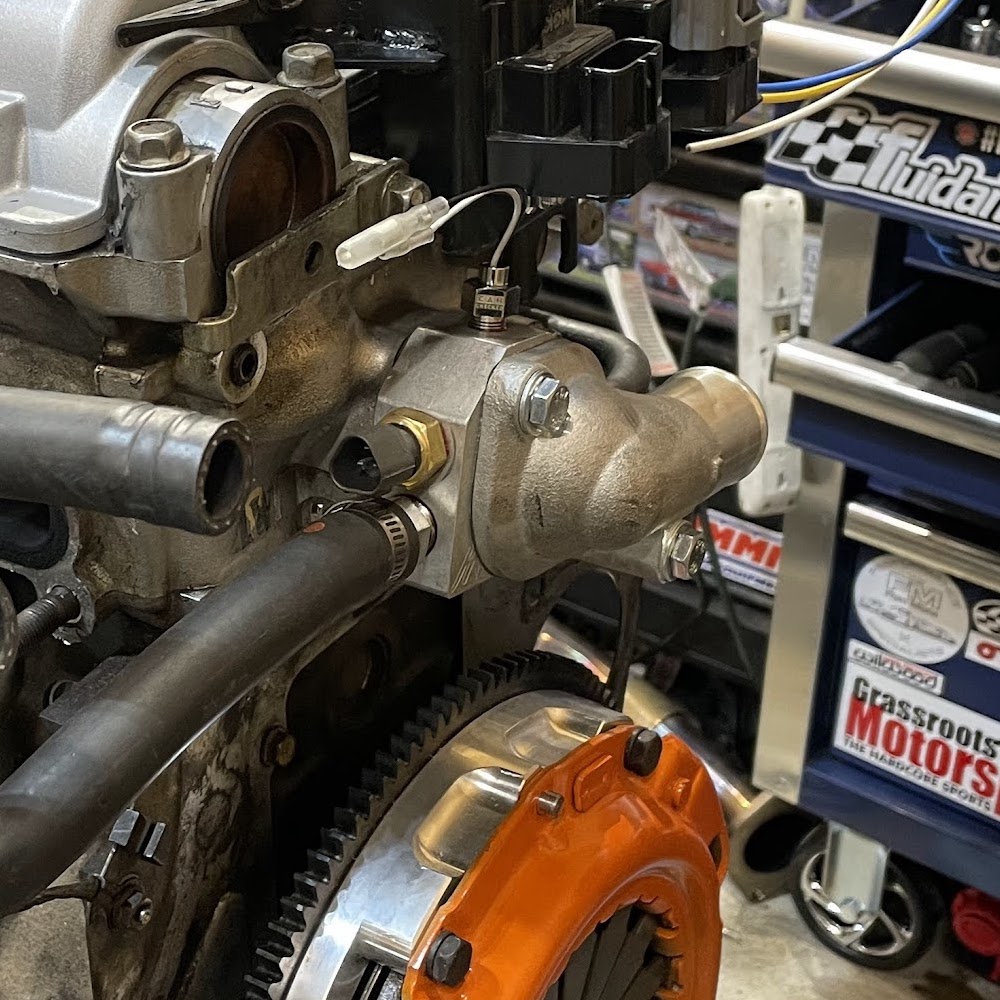
Thermal Management Modification: To mitigate the well-documented thermal inefficiencies of the Mazda BP engine when subjected to high-load track conditions, a Hawley Performance coolant reroute kit was installed. Originally designed for transverse installation in front-wheel-drive Mazda platforms, the B6/BP engine layout places both the water pump and thermostat at the front of the engine bay when longitudinalized in the rear-wheel-drive Miata. This configuration results in disproportionate cooling of the front cylinders relative to the rear cylinders under high-performance operation. The reroute kit relocates the thermostat to the rear of the cylinder head, compelling coolant to flow uniformly across the entire length of the engine block.
-
Intake Manifold Upgrades: The induction tract was modified through the procurement and installation of a European Union Domestic Market (EUDM) / Japanese Domestic Market (JDM) "flattop" intake manifold. Mazda utilized three distinct intake manifold designs across the NB production run, including the Variable Intake Control System (VICS) manifold native to the 2000 model year. The flattop manifold simplifies the induction system by eliminating the need for VICS electronic actuation while optimizing volumetric efficiency at elevated engine speeds, a characteristic advantageous for sustained track driving. Concurrently, the exterior surfaces of the valve cover and the intake manifold were cleaned and refinished in an OEM-style silver aluminum paint to restore aesthetic integrity.
Technical Analysis and Industry Perspectives
Automotive engineering analysts note that while the Mazda NB Miata platform offers exceptional accessibility for hobbyist mechanics, engine-out procedures frequently expose the delicate balance between preventative maintenance and induced complications.
The integration of the coolant reroute, for instance, yielded immediate reductions in operational coolant and engine oil temperatures during standard road testing. However, industry specialists observe that aftermarket reroute kits lacking dedicated high-point bleed valves—such as certain modular configurations—significantly complicate the coolant bleeding process, requiring elevated spill-proof funnels and extended thermal cycles to completely evacuate trapped air pockets from the cooling system.
Similarly, driveline modifications of this magnitude often introduce a mandatory break-in period. Initial post-assembly road tests of the Supermiata clutch revealed a low release point and high initial engagement friction, accompanied by temporary thermal friction odors during the preliminary friction material bedding phase. These characteristics are standard for heavy-duty organic clutch discs paired with lightweight metallic flywheels, stabilizing within approximately 500 miles of mixed driving operation.
Post-Project Performance and Complications
Following the reinstallation of the powertrain assembly and the completion of all subsystem integrations, the vehicle underwent initial road testing to validate mechanical integrity. Total elapsed operational testing reached approximately 500 miles without catastrophic failure of the newly installed driveline or cooling components.
However, subsequent undercarriage inspections revealed a recurrence of minor oil leakage originating from the rear of the engine block. Although the volumetric rate of fluid loss was substantially reduced compared to the pre-overhaul state, the presence of the leak indicated that either the newly installed rear main seal failed to seat perfectly, or an adjacent sealing surface—such as the rear oil seal retainer plate—requires further intervention.
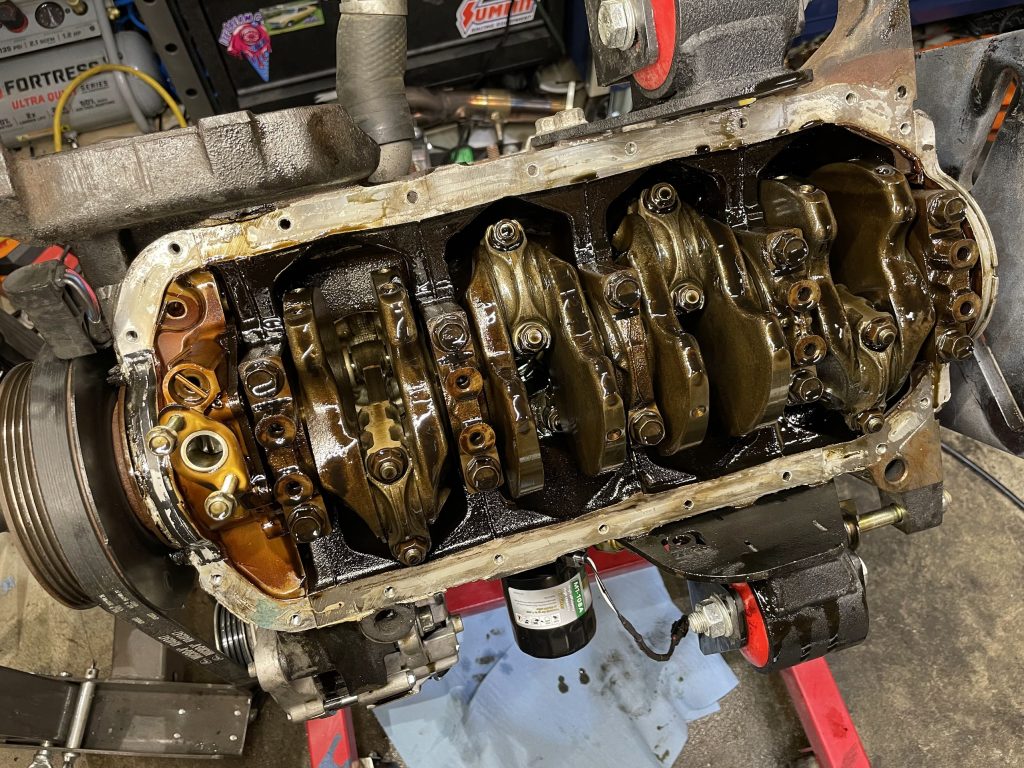
Additionally, a minor thermal expansion crack was identified on the forward flange of the replacement oil pan where it interfaces with the engine block. While positioned above the standard static oil level and successfully mitigated in the short term through the application of high-strength structural epoxy, the defect represents a potential long-term vulnerability.
Broader Impact and Future Outlook
Faced with the prospect of a secondary powertrain extraction to definitively isolate and eradicate the recurring rear-main oil leak, the vehicle’s custodian has elected a strategic contingency approach. Rather than relying solely on immediate corrective teardowns, arrangements have been secured to import a verified, low-mileage BP4W replacement engine from an authorized supplier in the United Kingdom.
This supplementary powertrain acquisition provides operational security, ensuring that the vehicle can remain functional while enabling the complete bench rebuild of either the primary or secondary motor. The strategy reflects common practices within the grassroots motorsports community, where vehicle downtime is actively mitigated through strategic component redundancy.
Future developmental milestones for the project vehicle include a comprehensive retrospective analysis encompassing the first full year of ownership, alongside a detailed technical review of passive and active safety modifications implemented to prepare the roadster for sanctioned track day events.