Hartono Sudibyo
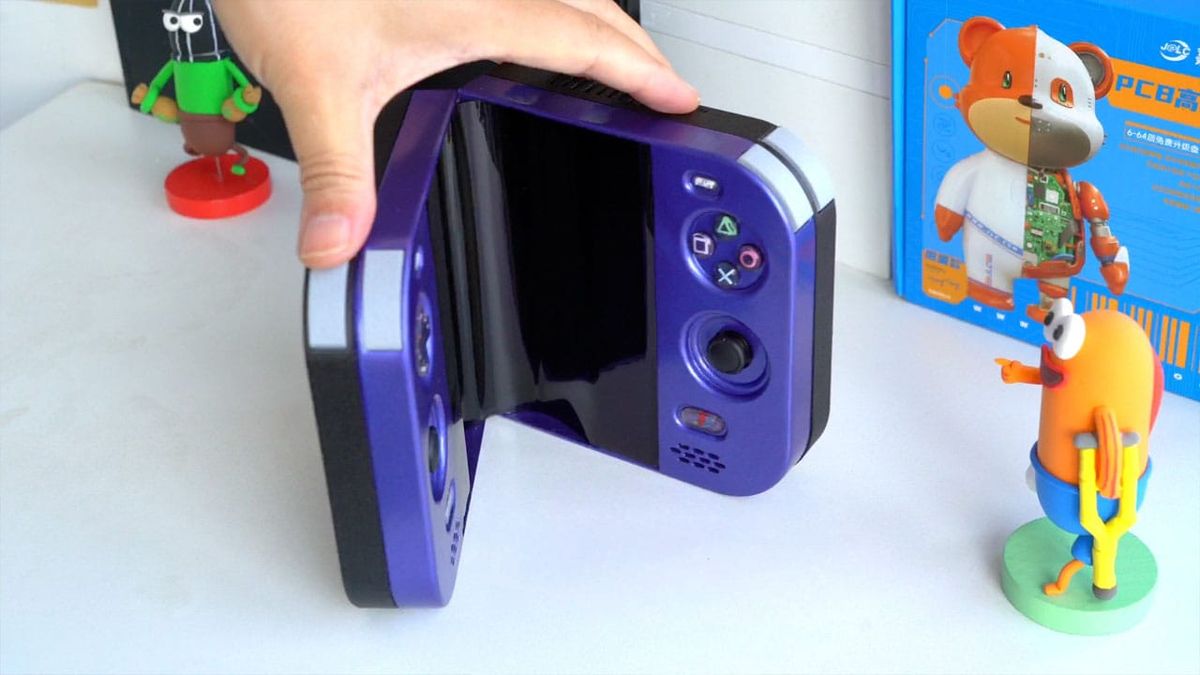
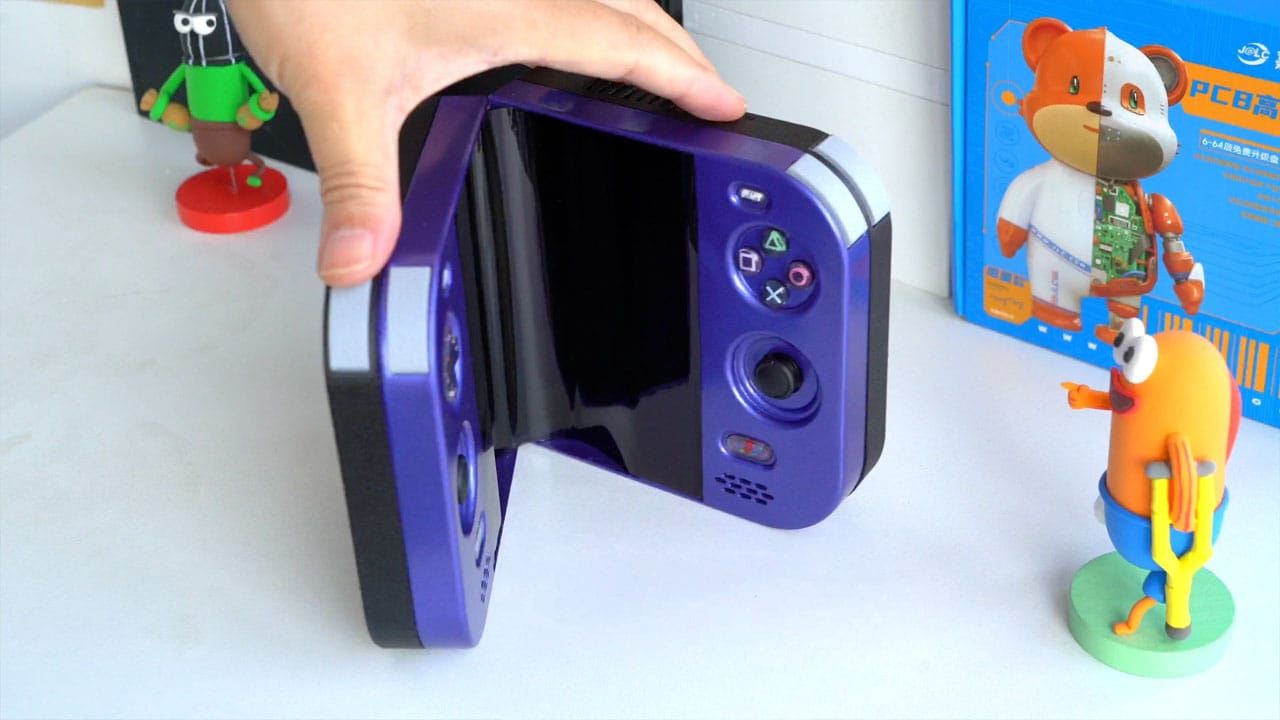
The landscape of portable gaming has witnessed countless hardware modifications and DIY innovations over the years, but few projects capture the imagination quite like the "PlayStation 2 Duo." Developed by hardware enthusiast and maker LCLDIY, this custom creation successfully transforms Sony’s legendary sixth-generation home console into a fully functional, pocket-sized clamshell handheld. By purchasing broken hardware from a flea market, utilizing modern 3D printing techniques, and engineering custom printed circuit boards (PCBs), the creator has demonstrated the expanding capabilities of modern retro-gaming modification. The project, documented extensively on Hackaday.io, bridges the gap between historical consumer electronics and contemporary folding device architecture.
Main Facts and Hardware Architecture
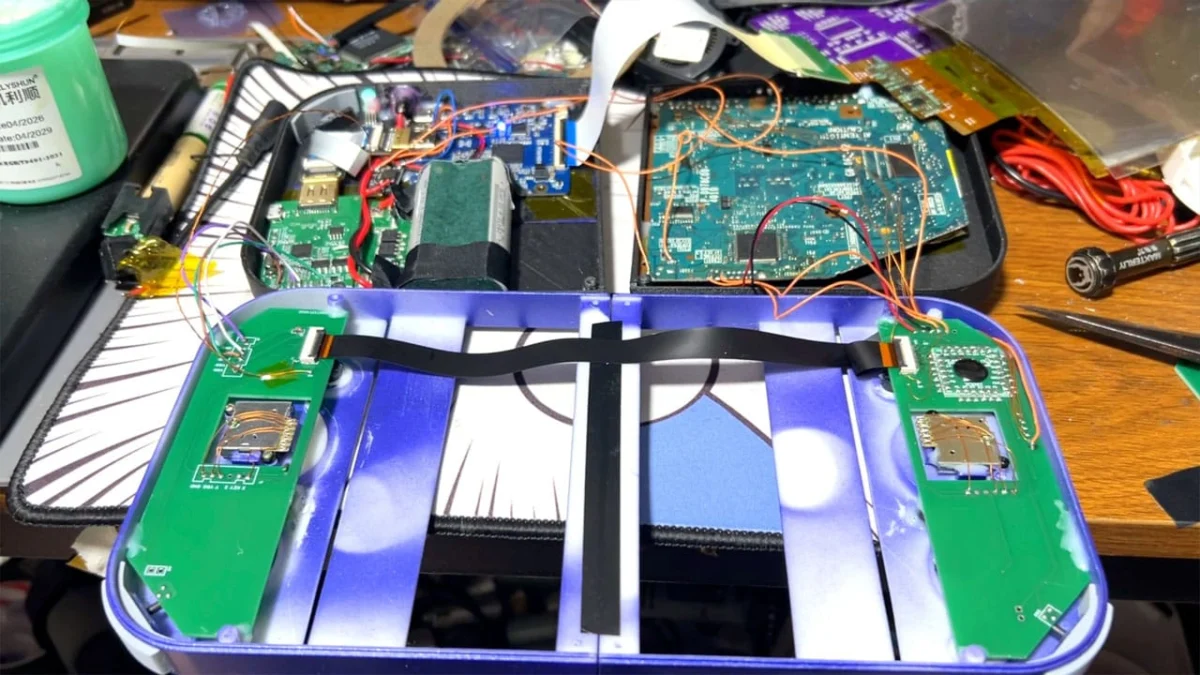
The core of the PlayStation 2 Duo project relies on resourcefulness and precision engineering. The journey began at a local flea market, where the creator acquired three non-functional PlayStation 2 consoles for a modest total of twenty dollars. Because a stock PlayStation 2 motherboard is far too large for any handheld form factor, LCLDIY undertook the intricate task of slicing and dicing the silicon architecture. By cutting down the salvaged motherboards and integrating them into a unified, functional layout, the core processing units and graphics chips of the original 2000s hardware were successfully adapted to run on a miniaturized scale.
Rather than adhering to the traditional slab design common among modern DIY handhelds, the creator opted for a foldable clamshell layout reminiscent of contemporary foldable smartphones and vintage handheld electronics. This design choice required the integration of a specialized foldable LCD screen secured by custom-engineered hinges. To replicate the authentic tactile feedback of the original console, custom-molded buttons were fabricated to fit precisely into the 3D-printed outer enclosure. Furthermore, the device supports wireless controller connectivity, allowing users to transform the handheld into a portable console unit suitable for multiplayer setups or extended desktop play sessions.
Chronology of the Build
The realization of the PlayStation 2 Duo followed a meticulous multi-stage engineering timeline typical of advanced hardware modification projects.
Phase one involved sourcing and diagnosis. By purchasing three broken consoles, LCLDIY established a parts inventory capable of yielding at least one working motherboard and necessary peripheral connectors. Initial testing isolated functional components from damaged units, ensuring that vital chips remained operational before any physical alterations began.
Phase two centered on size reduction and motherboard reconfiguration. Tracing circuit paths and carefully cutting through multilayer boards requires extreme precision to avoid severing critical data lines. Once the motherboard was downsized to fit handheld dimensions, the creator transitioned to computer-aided design (CAD) software.
Phase three involved structural modeling and rapid prototyping. Using a 3D printer, LCLDIY designed a custom clamshell enclosure tailored to house the modified motherboard, a custom power management system, and the folding LCD panel. Designing the hinge mechanism proved to be a critical hurdle, as the enclosure needed to protect the delicate display screen while routing internal ribbon cables securely across the folding axis.

Phase four focused on control integration and software testing. Custom PCBs were etched and soldered to manage the input controls, ensuring low-latency communication with the downsized motherboard. Finally, homebrew software loaders and memory card exploits were configured to allow the system to boot game backups and ISO files efficiently from modern storage mediums, culminating in the fully operational prototype showcased in the project’s video logs.
Supporting Data and Technical Context
The PlayStation 2 remains the best-selling video game console of all time, with lifetime global sales exceeding 155 million units since its launch in March 2000. Its massive software library—comprising over 3,800 titles ranging from critical milestones like Grand Theft Auto: San Andreas and God of War to niche cult classics—has ensured enduring demand for hardware capable of running its unique Emotion Engine architecture.
Historically, porting the PlayStation 2 architecture into a handheld device has presented formidable engineering challenges. Unlike earlier systems such as the Nintendo Entertainment System or the original PlayStation (PS1), the PS2’s Emotion Engine and Graphics Synthesizer processors demand significant electrical power and sophisticated cooling solutions, generating considerable thermal output. Modern community-driven engineering, however, has steadily pushed the boundaries of what is possible. Projects like the PS2 Duo demonstrate how improvements in affordable 3D printing, accessible PCB manufacturing services, and low-profile liquid-crystal display technologies have lowered the barrier to entry for complex hardware mods.
The availability of documentation plays a crucial role in these grassroots hardware movements. By publishing comprehensive schematics, 3D printing files, and PCB layouts on open-source platforms like Hackaday, creators like LCLDIY empower a global community of hobbyists to replicate, refine, and build upon their designs. This open exchange of technical knowledge accelerates the evolution of portable retro-gaming engineering, turning what was once the exclusive domain of industrial manufacturing into an accessible pursuit for garage inventors.
Official Responses and Industry Perspectives
While Sony Interactive Entertainment has not issued an official statement regarding the PlayStation 2 Duo—as the project is a non-commercial, educational, and hobbyist endeavor—industry analysts and hardware preservationists have frequently praised community-driven modifications for their role in cultural preservation. As major hardware manufacturers increasingly phase out legacy digital storefronts and physical media support, grassroots efforts to maintain, repair, and adapt vintage electronics ensure that classic software libraries remain playable on physical hardware.
Retro-gaming hardware experts have noted that projects highlighting component-level repair and repurposing serve a vital educational function in promoting electronics literacy. By breathing new life into discarded electronic waste—such as the twenty-dollar flea-market consoles utilized in this build—such initiatives align with broader sustainability goals within the consumer technology sector, demonstrating that discarded hardware can be creatively upcycled rather than relegated to landfills.
Broader Impact and Implications for Retro Gaming
The creation of the PlayStation 2 Duo underscores a shifting paradigm in the retro-gaming community, where software emulation is increasingly complemented—and occasionally challenged—by authentic hardware miniaturization. While software emulators running on modern smartphones or dedicated emulation handhelds can render PlayStation 2 titles with varying degrees of success, physical hardware mods offer absolute compatibility and tactile authenticity that software approximations struggle to replicate.
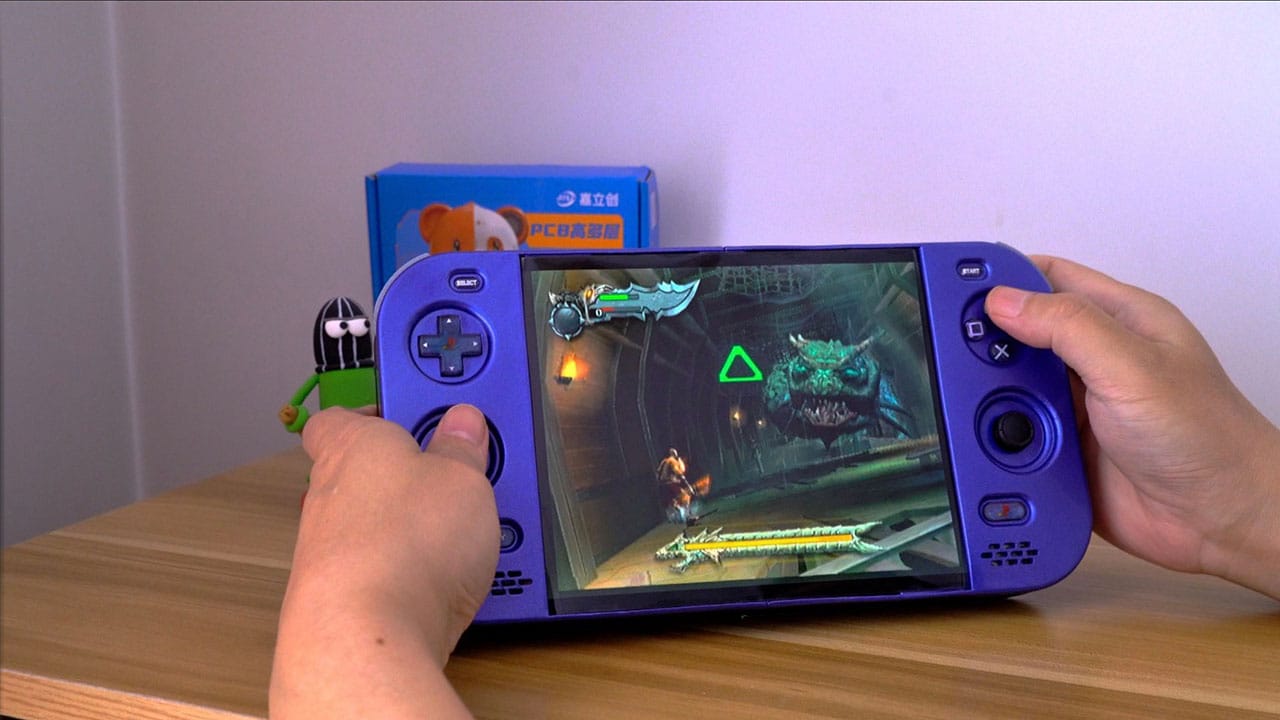
Furthermore, the popularity of clamshell designs in the DIY community reflects consumer nostalgia for folding form factors. As commercial technology markets continue to explore foldable screens and dual-screen configurations, hardware modders are independently applying these innovations to legacy platforms. This crossover between cutting-edge consumer tech trends and vintage gaming culture highlights the enduring creativity of the maker community.
For enthusiasts wishing to attempt similar builds, the release of open-source documentation provides a roadmap for advanced hardware experimentation. While constructing a folding PlayStation 2 requires steady hands, advanced soldering skills, and considerable patience, the existence of projects like the PS2 Duo proves that the limits of portable retro gaming are defined solely by human ingenuity. As communities continue to share resources and refine techniques, the boundaries of what can be engineered in a home workshop will undoubtedly continue to expand.