Arya Paningal

The 42nd annual Pinball Expo took place from October 14th to October 17th, 2026, at the Schaumburg Convention Center in Schaumburg, Illinois, reaffirming its status as the world’s longest-running pinball convention. The event, which has evolved from a niche hobbyist gathering into a significant industry trade show, serves as a critical nexus for manufacturers, game designers, collectors, and casual players. With the industry currently navigating a period of high production costs and shifting consumer demographics, the 2026 edition offered a vital pulse-check on the health of the commercial pinball market.

The event’s logistics were anchored by the adjoining Renaissance Hotel, which has historically functioned as the primary hub for attendees. The integration of the convention center with the hotel, bolstered this year by the introduction of a new multi-floor parking garage featuring a pedestrian footbridge, addressed long-standing concerns regarding accessibility and weather-related convenience for guests. The expansion of local entertainment options, specifically the opening of the Andretti Indoor Karting & Games facility nearby, provided additional infrastructure for the growing number of international and domestic visitors who flock to the Chicago suburbs for the event.

A Chronology of the 2026 Expo
The convention followed a structured four-day itinerary designed to balance professional industry networking with fan-facing activities. Wednesday, October 14th, served as the formal commencement. While the morning was dedicated to exhibitor setup and attendee registration, the evening transitioned into the traditional "Bumper Blast" welcome party. This event, held at the Enterrium entertainment complex in the Woodfield Mall, provided a relaxed environment for early arrivals. Unlike previous years, the 2026 iteration introduced a staggered entry system for international and domestic guests to manage capacity, alongside a tiered credit system for the facility’s extensive collection of machines.

Thursday and Friday were defined by the industry’s most sought-after experiences: the factory tours. On Thursday, attendees were bussed to the Jersey Jack Pinball facility in Elk Grove Village. Guided by key personnel, including game designer Eric Meunier, the tours offered a rare glimpse into the production cycles of modern high-end machines. Despite the recent announcement of Sonic the Hedgehog, the factory floor was primarily focused on the manufacturing and assembly of the Harry Potter title, providing a transparent view of how sub-assemblies—such as the complex moving staircase mechanisms—are integrated into the final product.

Friday marked the turn for Stern Pinball, the industry leader. The tour was notable for the inclusion of the AC/DC Remastered edition. Because this title was not present on the main show floor due to ongoing licensing complexities, the factory tour provided the only window for the public to experience the machine and hear directly from designer John Borg regarding the technical refinements made to the classic layout. Gary Stern, addressing the tour groups, highlighted the strategic pivot the company has made over the last decade, transitioning from a heavy reliance on bar-and-arcade operators to a direct-to-consumer model that now forms the backbone of their revenue.

Industry Landscape and Market Implications
The 2026 Pinball Expo occurred against a backdrop of significant technological and economic shifts. The presence of both established giants like Stern and boutique manufacturers in the main hall illustrated a competitive landscape where innovation is increasingly driven by homebrew developers and custom machine makers.

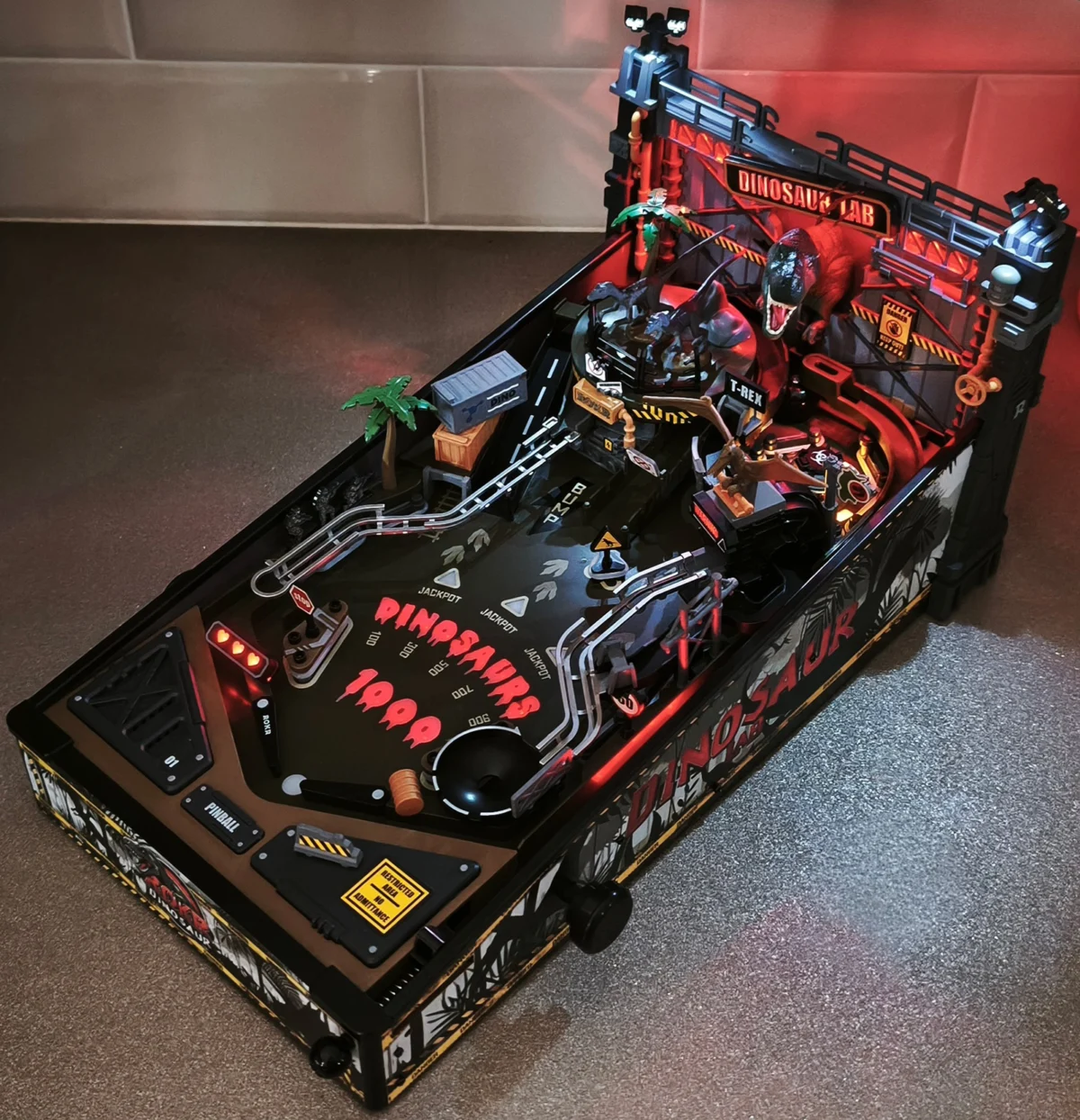
The "Homebrew & Custom Games" area, characterized by its town-square configuration, served as a testament to the democratization of game design. By lowering the barrier to entry for independent creators, the expo has become a breeding ground for experimental playfields and software features that eventually influence mainstream production. Analysis of the hardware present at the show reveals a clear trend toward digital integration, with manufacturers utilizing high-resolution LCD backboxes and increasingly complex lighting systems to maintain player engagement in an era of intense competition from digital entertainment.

The Seminar Circuit: Intellectual Property and Technical Evolution
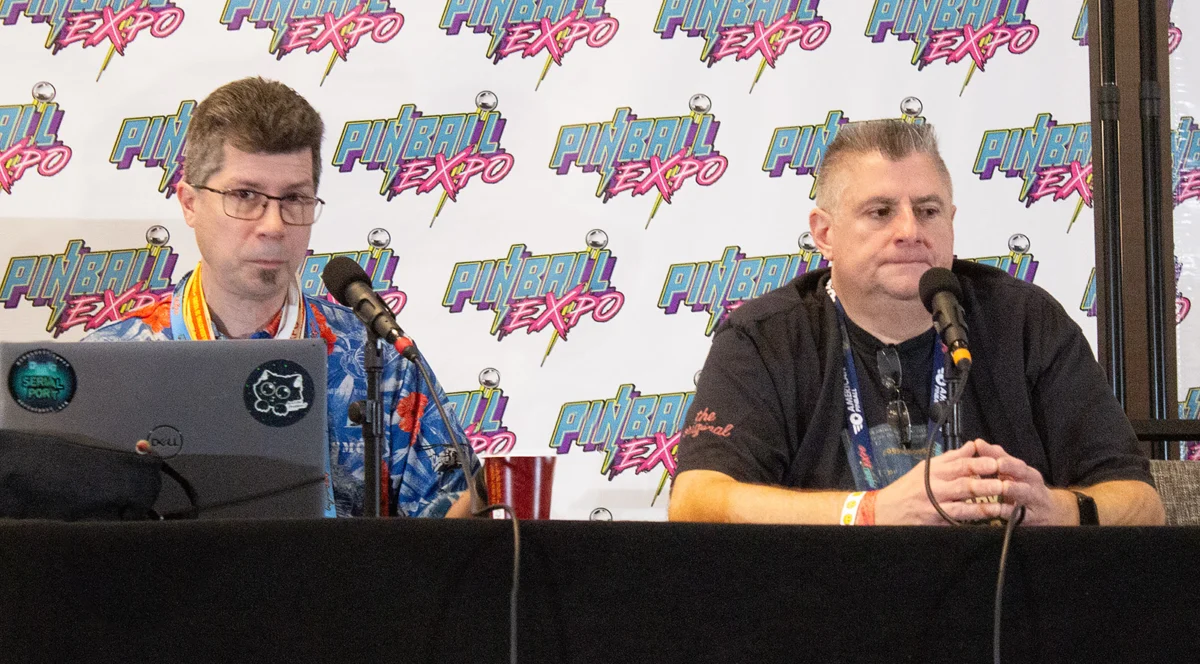
The seminars held in the Schaumburg West room remained the intellectual core of the event. Spanning three full days, these sessions featured panels on art, music, coding, and game design. The shift toward more technical, deep-dive presentations indicates that the audience for pinball is becoming more sophisticated, with a growing demand for transparency regarding the manufacturing process and the legal hurdles of securing intellectual property licenses.

One recurring theme across the 2026 panels was the impact of supply chain resilience on production timelines. Manufacturers were notably candid about the challenges of sourcing electronic components and the necessity of vertical integration to mitigate delays. The ability of companies to maintain steady production—evidenced by the consistent output at both the JJP and Stern facilities—was presented as a key competitive advantage in 2026.

The Autograph Session and Community Engagement
Saturday’s autograph session, held in the Utopia A & B rooms, underscored the celebrity status of industry figures. The event, which saw long queues extending into the lobby, highlighted the unique culture of pinball collecting, where the designer and the artist are viewed with the same reverence as the product itself. For many attendees, the opportunity to have backglasses, playfields, and promotional materials signed is a significant driver of participation, bridging the gap between the corporate manufacturers and the grassroots community.

The demographics of the 2026 expo, while difficult to quantify with precision, showed a continued trend toward an aging but affluent collector base, while simultaneously attracting a younger cohort of competitive players. The tournament rooms, where machines were prepped for both standard and specialized competitions, remained packed throughout the four-day period, suggesting that the competitive "e-sports" element of pinball is a major growth engine for the event.

Future Outlook and Conclusion
The 42nd Pinball Expo concluded on October 17th, leaving behind several indicators of where the hobby is headed. The logistical success of the Schaumburg location, combined with the continued investment from major manufacturers, suggests that the physical exhibition format remains robust despite the digital alternatives available to enthusiasts.

However, the industry faces an inflection point. The success of remasters, such as the AC/DC update, suggests that nostalgia remains a powerful currency, yet the presence of innovative custom machines at the expo highlights a hunger for original themes and mechanics. As manufacturers look toward 2027, the challenge will be to balance these demands while navigating an economic environment that favors premium, high-cost machines.

The Pinball Expo continues to serve as the definitive barometer for the industry. By bringing together the architects of the game and those who keep the hobby alive in their own basements and local arcades, the event ensures that pinball, as both a mechanical marvel and a social phenomenon, remains a vital part of the American entertainment landscape. The insights gained from the 2026 show indicate a resilient, albeit cautious, industry that is successfully leveraging its history to fund its future. Whether the next decade will see a move toward even more complex, technology-heavy cabinets or a return to simpler, more accessible designs remains the central question for the industry’s stakeholders. For now, the enthusiasm displayed in Schaumburg confirms that the "silver ball" still commands a dedicated and growing global audience.