Vera Clarissa
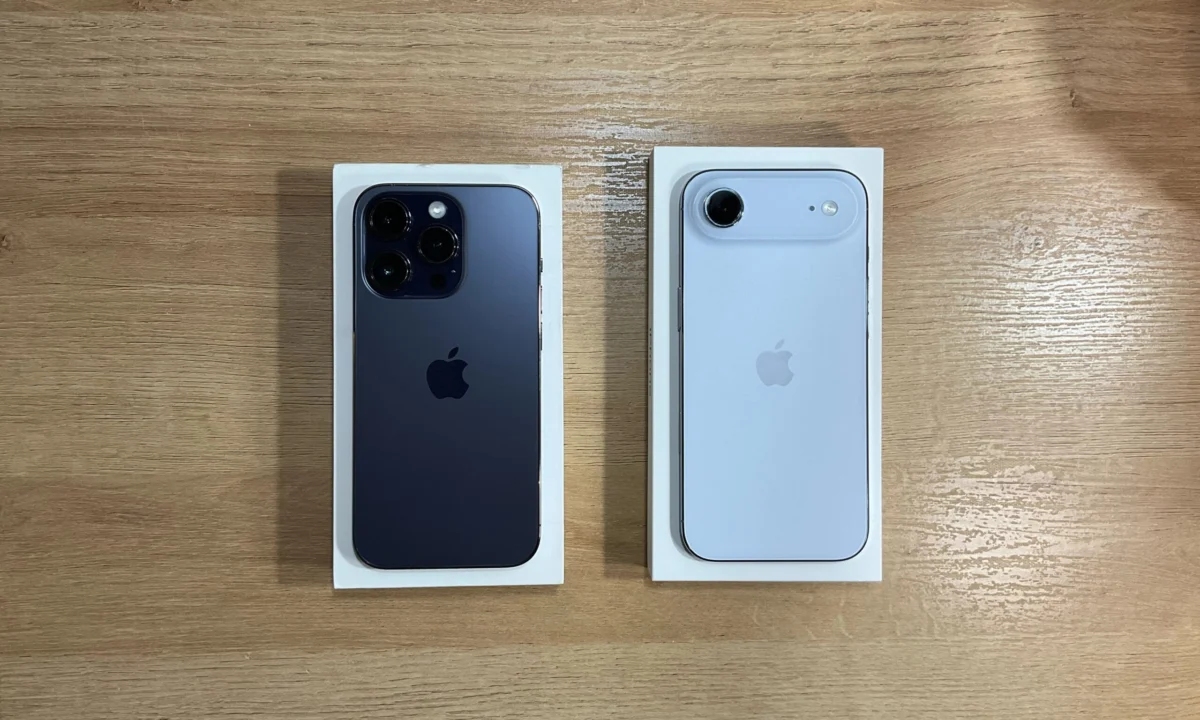
The recent release of the iPhone Duo on October 22, following the mid-September debut of the iPhone 18 Pro and Pro Max, represents a significant departure from Apple’s long-standing tradition of announcing its entire annual smartphone lineup at a single event. This staggered rollout strategy signals a shift in product segmentation, prioritizing specific user demographics over a unified launch cycle. As consumers look toward the Spring 2027 refresh of the iPhone Air and the base model iPhone 17, the market is beginning to see the benefits and limitations of a more fragmented release schedule.

A Departure from Tradition: The 2026-2027 Launch Strategy
For over a decade, Apple utilized the "September Event" as the primary vehicle for introducing its flagship mobile technology. By decoupling the Pro models from the standard and enthusiast-tier devices, Apple is effectively extending the news cycle and allowing supply chain logistics to better accommodate the production demands of the premium "Pro" tier.
Market analysts observe that this approach helps mitigate the "cannibalization" effect, where consumers might otherwise feel overwhelmed by four or five simultaneous device launches. By separating the high-end iPhone 18 Pro series from the more accessible iPhone Duo, Apple provides a distinct market window for each. The upcoming Spring 2027 window for the next iteration of the iPhone Air and iPhone 17 reflects a strategy to maintain consumer interest during the typically quiet fiscal quarter following the holiday season.

The Shift in Hardware Philosophy: From Bulk to Durability
The evolution of iPhone design has moved away from the heavy, industrial aesthetic of the iPhone 14 Pro toward the streamlined, lightweight architecture of current models like the iPhone Air. The transition from the stainless steel chassis of the 14 Pro to the materials utilized in the Air series represents a major shift in how Apple engineers define durability.
Historical data from the 2010s—an era characterized by the iPhone 4, Droid X, and Droid Razr Maxx—reveals a time when device protection was a necessity rather than an accessory. During that period, the high probability of catastrophic hardware failure upon impact necessitated the widespread use of bulky, protective cases like the Otterbox. Today, however, structural rigidity and advanced material science have rendered such enclosures largely redundant for the average user. Modern iPhones possess a level of internal structural integrity that allows for the use of thin, aesthetic cases rather than full-body armor, fundamentally changing the consumer’s relationship with device maintenance.

Comparative Analysis: The Pro Experience vs. The Streamlined Alternative
While the iPhone 14 Pro was once the pinnacle of mobile photography and design, the move toward the current iPhone Air necessitates a re-evaluation of user requirements. The 14 Pro featured a triple-lens system, including a dedicated Ultra Wide lens and superior optical zoom capabilities. Transitioning to a single-lens system, such as the one found on the iPhone Air, requires users to adapt their photographic techniques.
- Imaging Capabilities: The loss of the Ultra Wide lens and the degradation of natural bokeh depth are the primary technical trade-offs for users moving from "Pro" models to single-lens alternatives.
- Computational Photography: Despite the hardware reduction, the A19 Bionic chip provides significant advancements in image processing. The software’s ability to simulate depth and detail often compensates for the lack of optical versatility, though it may not fully satisfy professional-grade requirements.
- Performance Metrics: In terms of raw processing power, the generational leap from the A16 Bionic to the A19 chip is significant. Benchmarks indicate that for standard productivity tasks—such as multitasking, web browsing, and high-intensity applications—the performance gap between the current Pro series and the standard Air models is increasingly narrow.
Battery Lifecycle and Power Management
One of the most critical aspects of the modern smartphone lifecycle is long-term battery performance. Data collected from over 300 charge cycles across a 389-day period on an iPhone Air indicates a remaining maximum capacity of 94%. This performance is facilitated by optimized charging protocols, including the 95% charge limit feature introduced in recent iterations of iOS.

The efficiency of the A19 chipset, combined with refined software power management, allows the iPhone Air to maintain a full day of usage, even with heavy workloads such as video conferencing, high-definition streaming, and gaming. The inclusion of 20-watt fast charging, which restores 50% of the battery in roughly 30 minutes, remains a standard, though the industry is beginning to push for higher wattage support to further decrease downtime.
Strategic Implications of iOS Integration
Apple Intelligence, a centerpiece of the current software suite, has become a point of contention for users prioritizing battery longevity. Initial internal usage data suggests that disabling certain background AI-driven features can yield noticeable gains in daily battery endurance. As iOS 27 nears its full-scale deployment, the debate over the utility of these features versus the cost in power consumption will likely influence user behavior.

The strategy for the 2027 refresh appears to be one of "refinement over revolution." By iterating on the core hardware during the Spring, Apple is ensuring that the software features introduced in the fall have time to mature and become truly integrated into the user experience.
Market Outlook and Consumer Recommendations
For the average consumer, the choice between an iPhone 18 Pro and an iPhone Air is no longer a matter of basic functionality, but of specialized utility. The Pro models serve as tools for power users—creators who require multi-lens flexibility, higher refresh rates, and superior color depth. Conversely, the Air and the forthcoming 17 series target the broader market: users who value portability, structural durability, and efficient, reliable daily performance.

The decision to move away from the bulky designs of the past has been validated by a decade of engineering progress. Modern consumers are increasingly choosing devices that feel like an extension of their daily lives rather than fragile, expensive equipment requiring constant external protection. As the market looks toward the spring of 2027, the focus remains on whether these devices can continue to balance the demands of advanced software, such as Apple Intelligence, with the physical realities of compact, lightweight hardware.
The current trajectory of Apple’s product releases suggests a long-term goal of total synchronization between hardware efficiency and software intelligence. By segmenting the release schedule, the company is not only managing its supply chain more effectively but is also providing consumers with a clearer path to selecting the hardware that best aligns with their specific, real-world needs. Whether this will ultimately lead to a more satisfied user base depends on the consistency of the software experience across these increasingly diverse hardware tiers.