Retno Hari Mulyono
The automotive enthusiast community often views vehicle ownership as a static relationship, yet for dedicated motorsport competitors, a project car represents a dynamic, ever-evolving engineering puzzle. Over a four-year ownership lifecycle, maintaining and developing a track-dedicated 1999–2005 Mazda MX-5 Miata (NB generation) requires balancing mechanical reliability, weight reduction, aerodynamic efficiency, and driver development. Spanning from March 2024 through February 2025, this period marked a significant escalation in chassis preparation, logistical capability, and powertrain experimentation for this particular NB Miata campaign. Throughout these twelve months, the vehicle logged 392 competitive laps across 16 track days, accumulating 12.1 hours of high-performance driving data. This retrospective examines the chronological milestones, mechanical modifications, logistical upgrades, and competitive results that defined the fourth year of ownership.
Spring 2024: Powertrain Upgrades and Thermal Management
The operational year commenced in March 2024 with a major mechanical overhaul: the removal of the factory BP4W engine in favor of a thoroughly prepared, rebuilt BP6D variable valve timing (VVT) motor paired with a six-speed manual transmission. What began as a straightforward engine swap expanded significantly during the teardown phase. Upon discovering suboptimal valve sealing, the builder executed a complete cylinder head rebuild. Further mechanical revisions included a DIY cylinder block hone, the installation of new Original Equipment Manufacturer (OEM) piston rings, aftermarket pistons, and a comprehensive array of supporting hardware designed to maximize volumetric efficiency at high revolutions per minute (RPM).
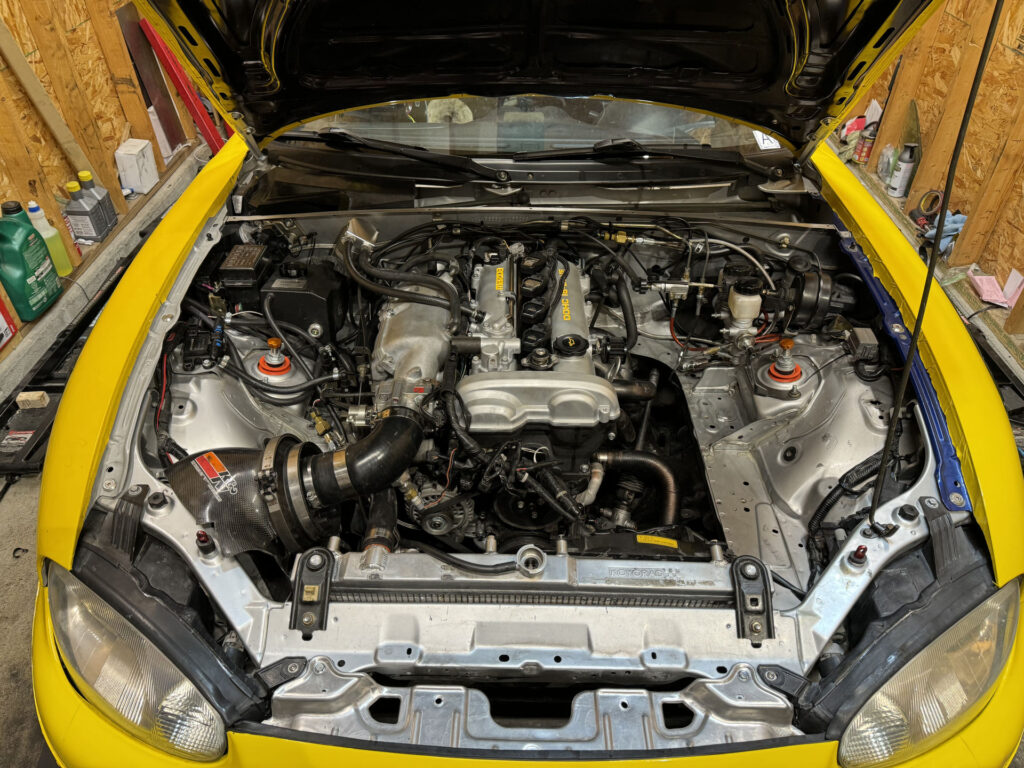
However, competitive motorsport subjects machinery to extreme thermal and mechanical stresses. Less than a month after the installation, during a high-intensity autocross session, sustained operation near the engine’s redline generated excessive cooling system pressure. Lacking anywhere else to escape, the pressurized coolant forced out a core freeze plug, precipitating a minor head gasket failure. While the integrity of the engine block and cylinder head remained largely intact, the compromised head gasket necessitated a tactical fallback. For the remainder of the 2024 racing season, the original BP4W powerplant was reinstalled, though the newly integrated six-speed transmission was retained to improve gear ratios and durability.
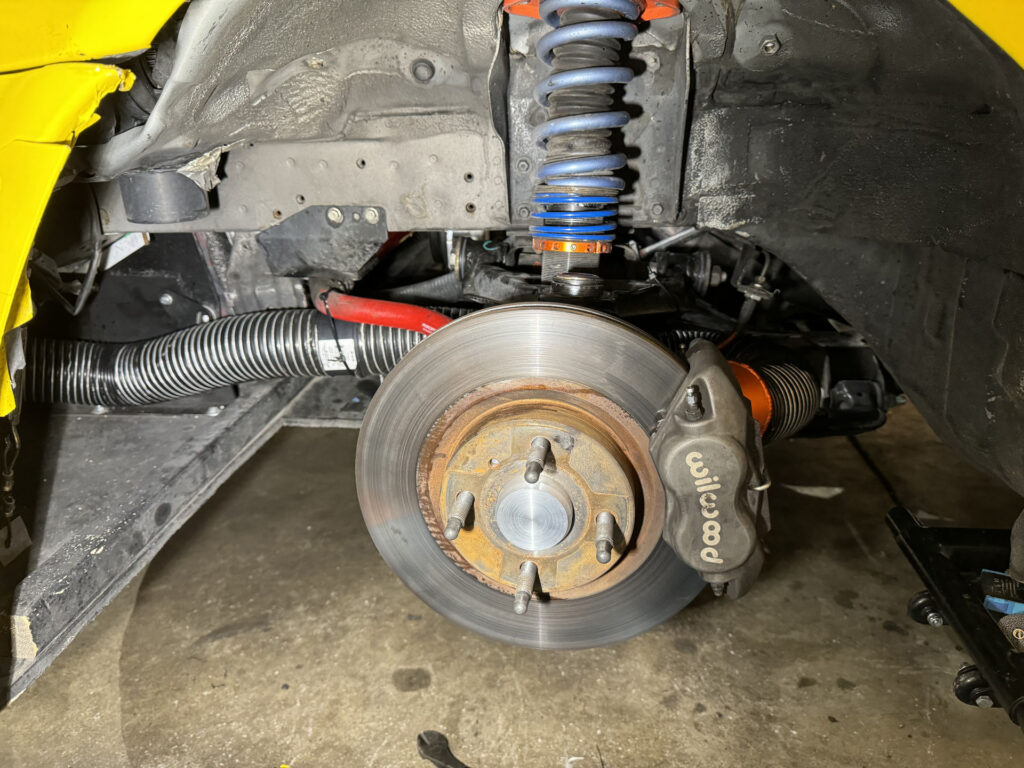
Addressing thermal limitations and durability concerns continued into April 2024 with the integration of specialized brake cooling ducts routed to the vehicle’s Supermiata BX11 brake kit. While the BX11 system provides substantial stopping power, its compact brake pads historically suffered from accelerated wear under heavy track use. Rather than transitioning to a heavier, more complex big brake kit—which often introduces wheel clearance complications and unsprung weight penalties—the engineering focus shifted toward thermal management. By channeling ambient air directly into the rotor assemblies via reinforced hoses joined by central couplers for easy maintenance, pad longevity effectively doubled. This modification mitigated fade during prolonged Time Trials sessions without compromising dynamic handling balance.
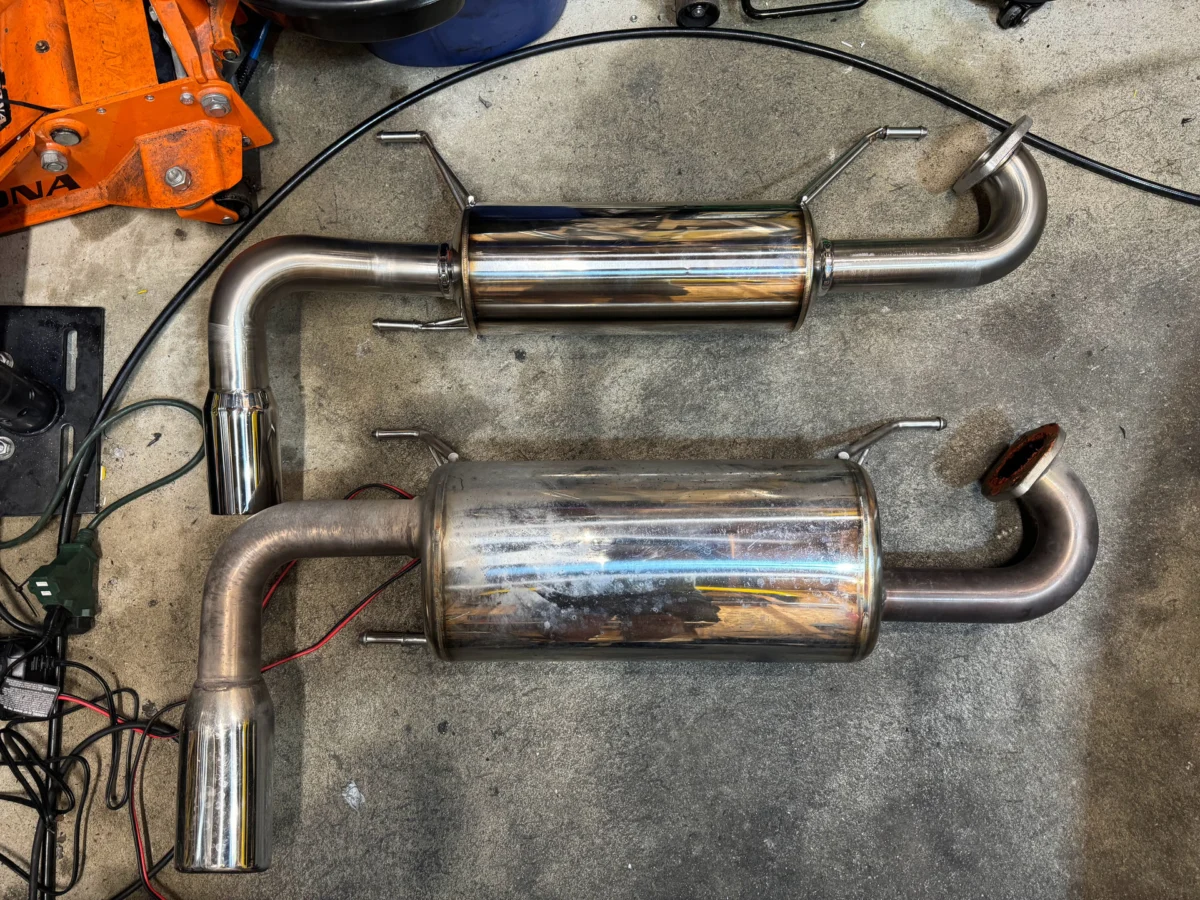
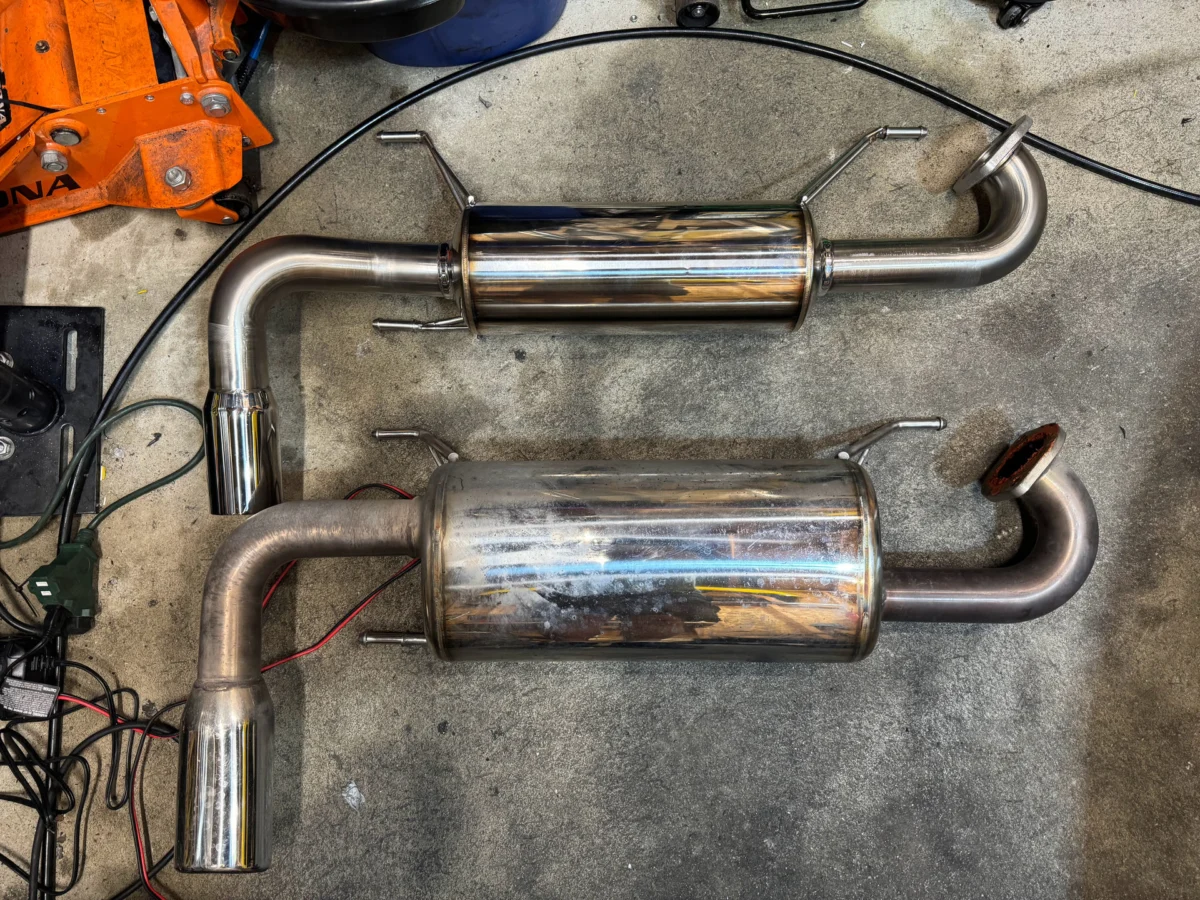
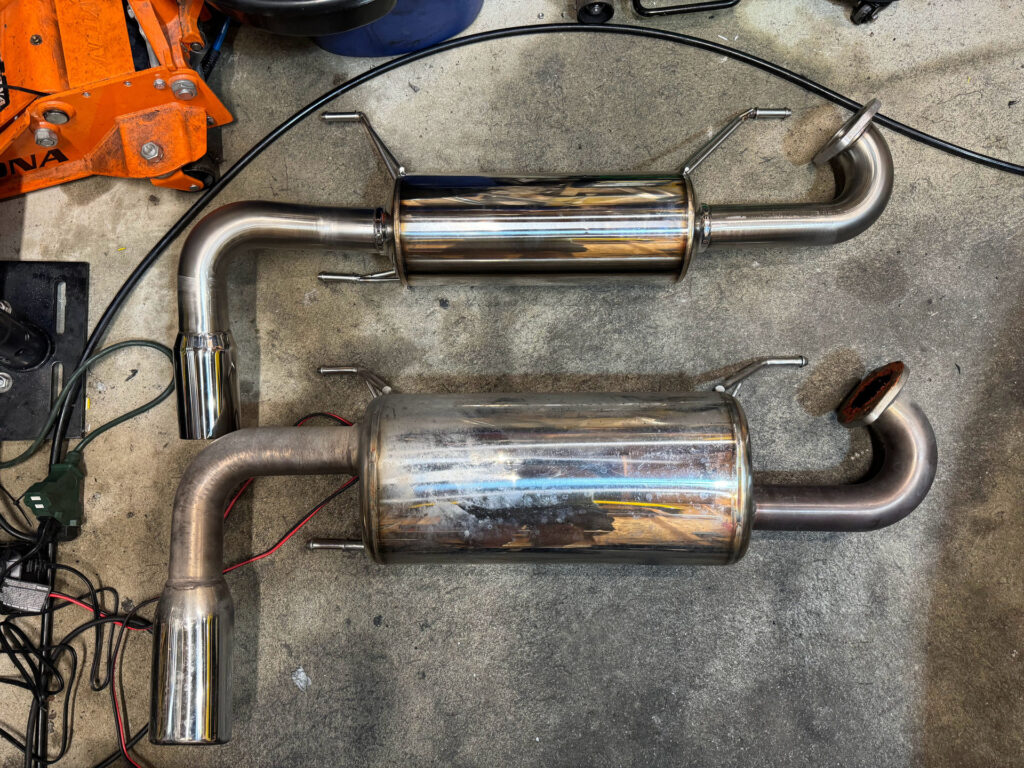
May 2024 brought exhaust system revisions aimed at optimizing power delivery and shedding weight. The previous Racing Beat Power Pulse muffler was unbolted and replaced with a Racing Beat Race Muffler. Paired with an existing Raceland exhaust header and a Racing Beat Race resonated midpipe, the new configuration reduced total vehicle weight while generating a more aggressive exhaust note. Crucially, the decibel output remained within regulatory thresholds enforced by strict track-day noise limits, ensuring compliance at regional motorsport facilities without sacrificing scavenging efficiency.
Summer Chronology: Circuit Racing and Logistical Evolution
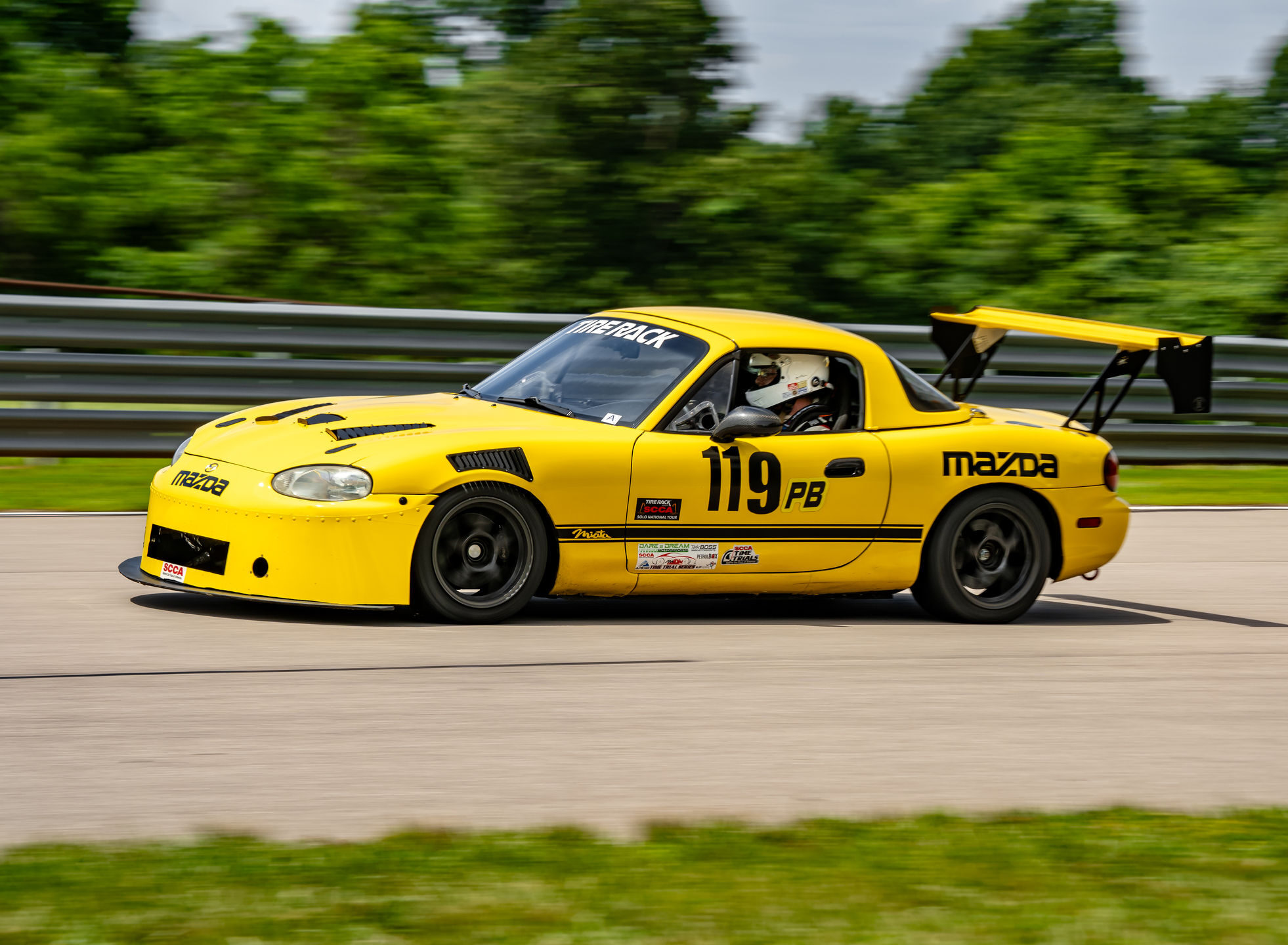
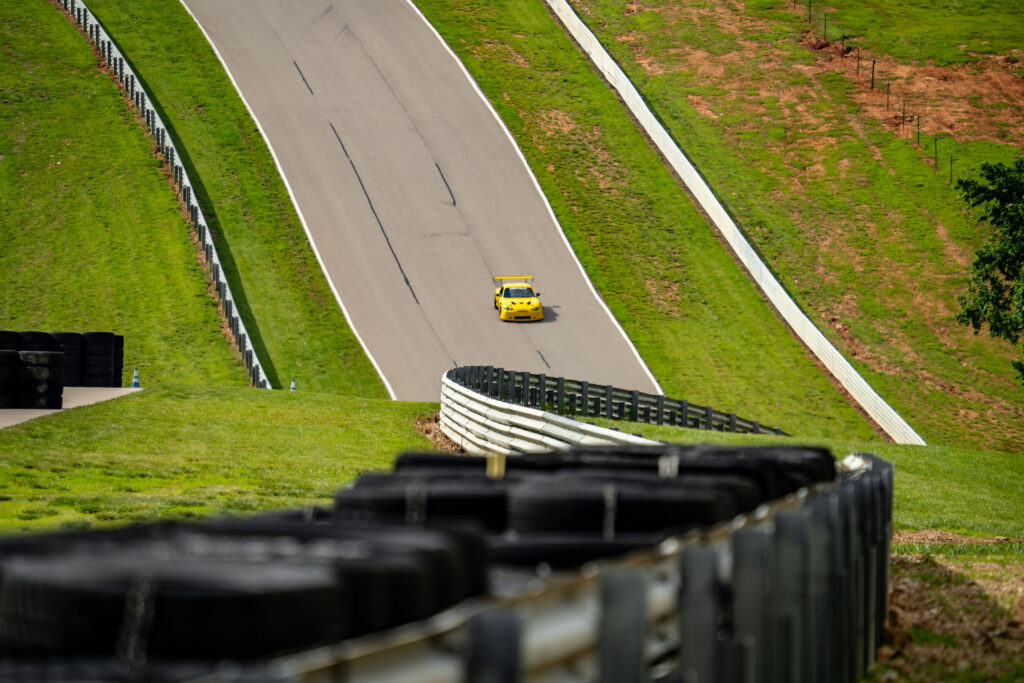
As the competitive season intensified through the summer months, the focus shifted from garage fabrication to on-track execution and logistical transport. June 2024 featured competition at Ozarks International Raceway, a circuit renowned for its severe elevation changes and technical complexity. Repeated data analysis via the vehicle’s Garmin Catalyst telemetry system indicated substantial speed gains over the previous year’s performance benchmarks, though further lap-time reduction remains achievable through increased driver familiarity. Ozarks International Raceway joined Hallett Motor Racing Circuit as a preferred venue due to its demanding technical layout.
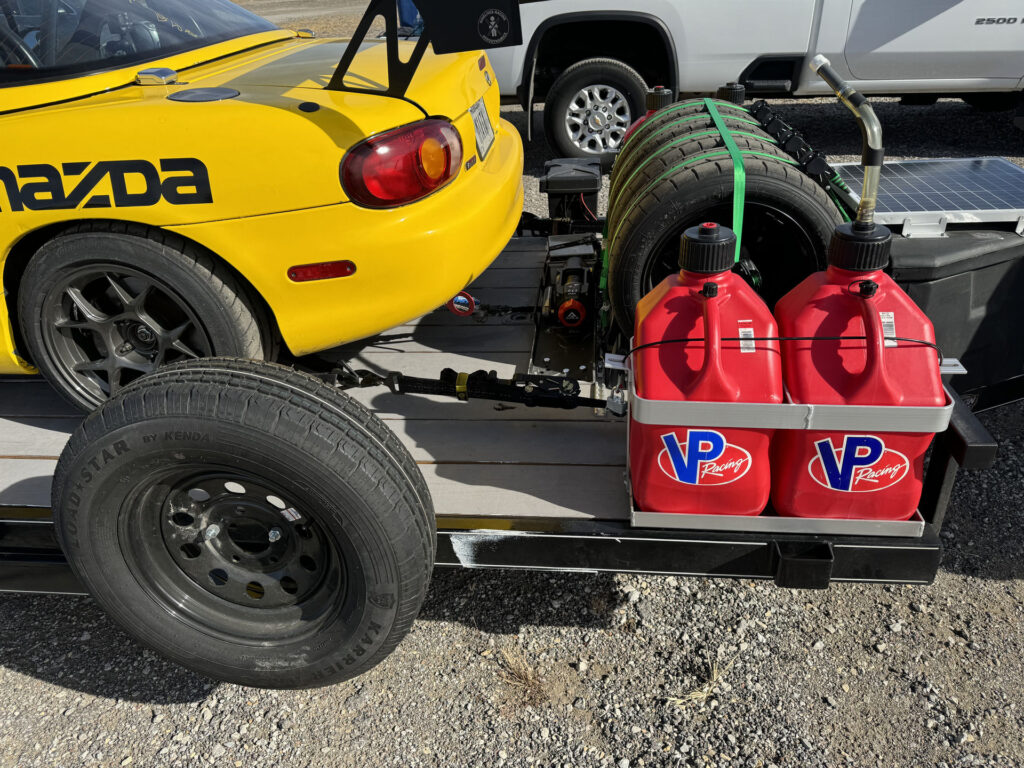
Transporting a dedicated track car over long distances requires robust support infrastructure. In July 2024, logistical operations transitioned from flat-towing via a tire trailer behind the Miata to utilizing a newly acquired light-duty truck and an 18-foot open car hauler. Following a preliminary shakedown tow to I29 Speedway, the truck and trailer combination successfully completed a 900-plus-mile round-trip journey to High Plains Raceway in Colorado. Despite minor maintenance hurdles—such as oil-fouled spark plugs and thermal degradation of a spark plug wire routed too close to the exhaust headers—the truck drastically improved travel comfort, outweighing the approximately doubled fuel expenditure compared to driving the race car to the venue.
Subsequent refinements to the transport ecosystem occurred in October 2024, when the 18-foot open car hauler (featuring a 16-foot flat deck and a 2-foot dovetail) received custom modifications. Upgrades included specialized tie-down points, storage boxes, and electric winch wiring. However, practical challenges emerged regarding vehicle clearance. The fixed-angle dovetail of the trailer proved incompatible with the Miata’s low ride height, causing the front aerodynamic splitter and frame rails to strike the metal deck during loading. Resolving this required removing the front splitter and utilizing custom 2×6 timber ramps to alter the approach angle—a common compromise in low-slung motorsport logistics.
Competitive Dominance at Motorsports Park Hastings
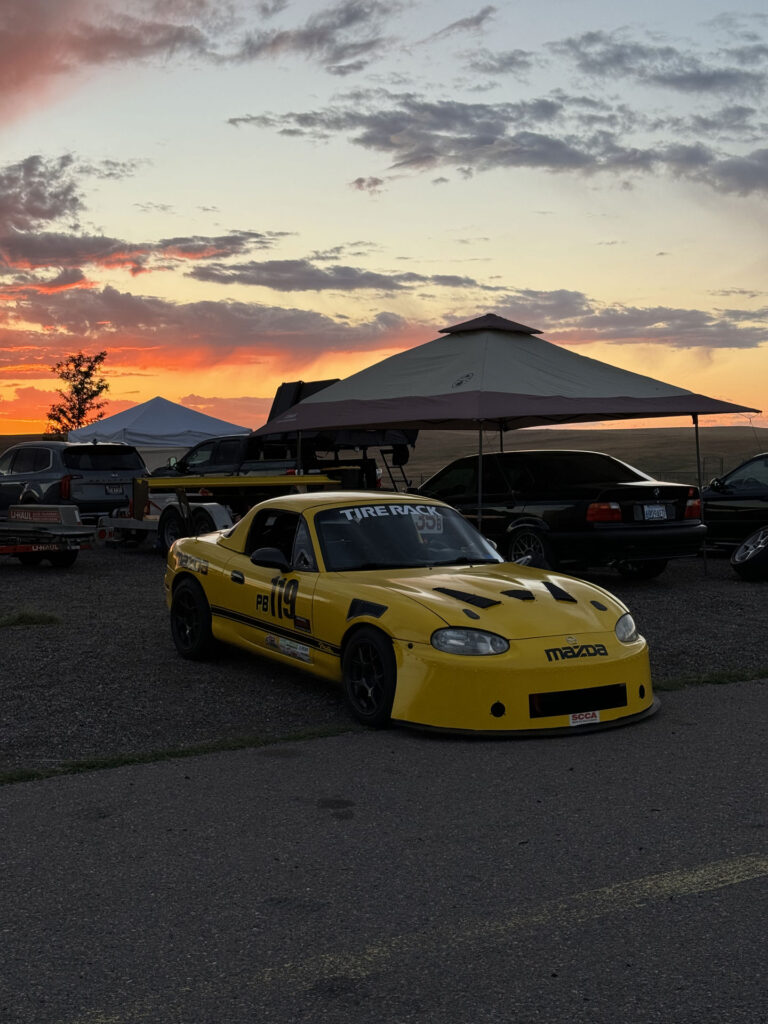
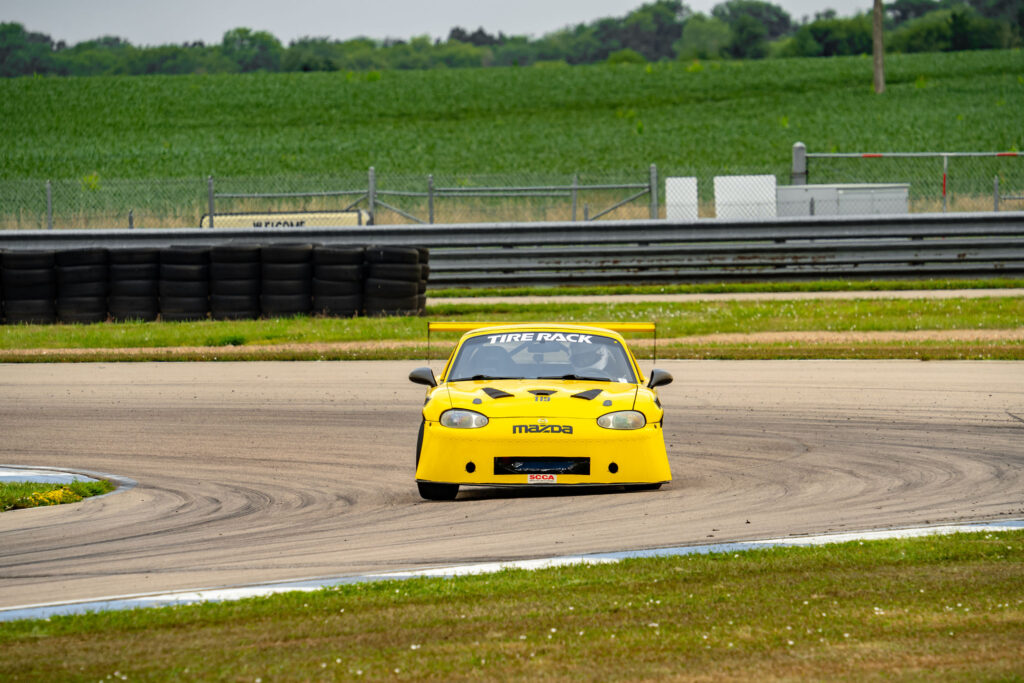
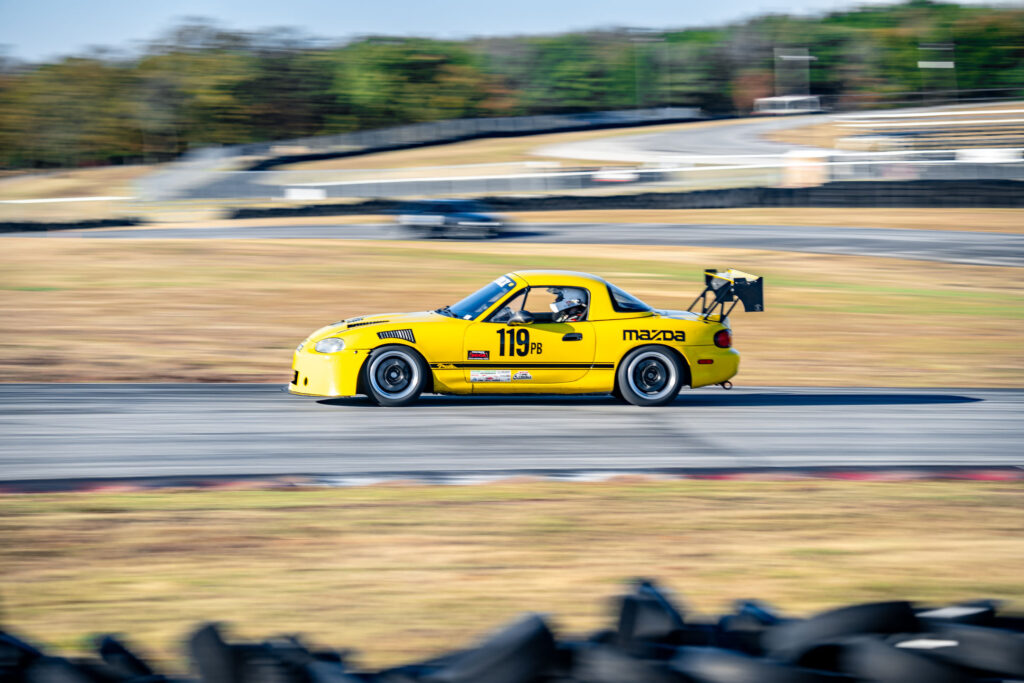
August 2024 marked a high point in competitive performance during the SCCA Time Trials event at Motorsports Park Hastings. Having accumulated significant seat time at the Nebraska facility, the driver leveraged local track knowledge to dominate the competition. The NB Miata secured first place in its class during every session, consistently outperforming competitors in higher-tier classes.
The vehicle recorded a fastest lap time of 1:39.19—representing a 3.59-second improvement over the previous year’s personal best at the track. To contextualize this performance within national sanctioning body benchmarks, this lap time eclipses the NASA Spec Miata track record of 1:40.415 and surpasses the NASA Time Trials 6 (TT6) record of 1:39.625, while falling just short of the competitive NASA Time Trials 5 (TT5) record of 1:34.110. Given that the vehicle’s modification profile positions it between traditional TT6 and TT5 classifications, these empirical figures validate the chassis development trajectory.
Paddock Infrastructure: Truck Bed Camping and Communications
Multi-day motorsport events historically involve overnight tent camping at the track paddock—a cost-effective strategy that nonetheless introduces logistical fatigue during inclement weather setup and teardown. To streamline multi-day event logistics, September 2024 saw the fabrication of a custom sleeping and power platform within the enclosed bed of the support truck.
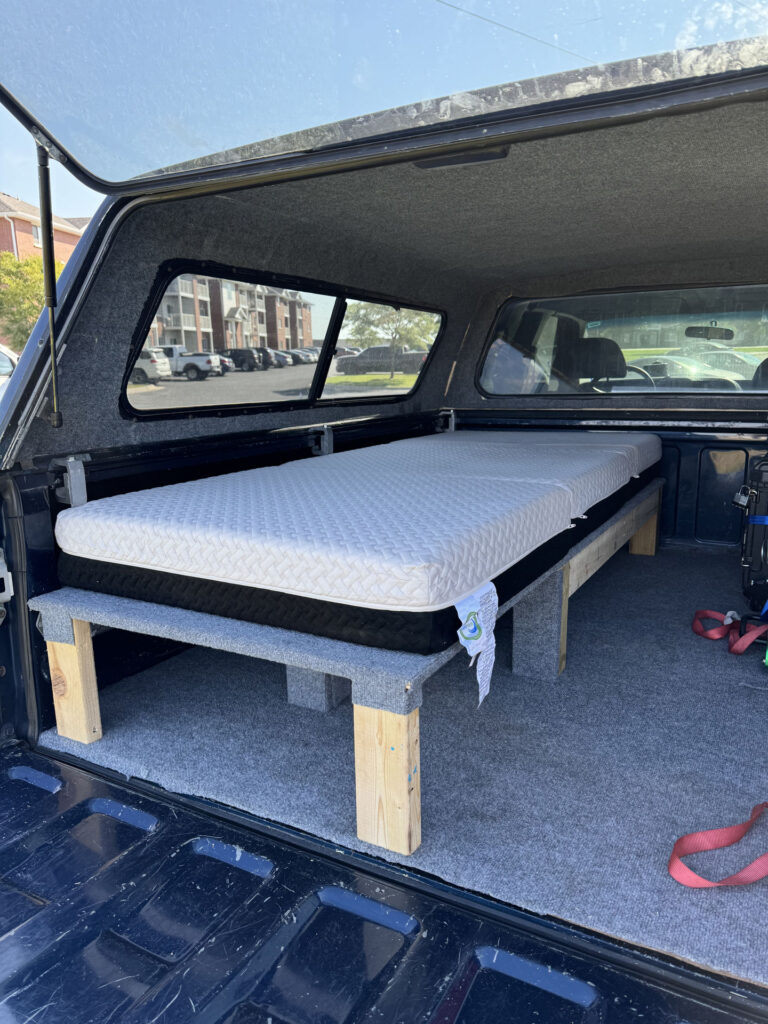
A color-matched camper shell was retrofitted with a MaxxFan Deluxe RV roof vent, roof-mounted solar panels, and an auxiliary deep-cycle battery system to power onboard electronics. Inside the truck bed, a modular wooden platform supporting a tri-fold memory foam mattress (75 by 31 inches) was constructed above the wheel wells. The platform incorporates a removable foot section to preserve cargo space during transit, while the forward two-thirds fold away for gear storage. Successfully tested during cold-weather conditions at Hallett in November, this paddock housing solution significantly reduced setup times and established a foundation for future climate-control installations.
Operational efficiency was further enhanced in February 2025 with the implementation of a dedicated General Mobile Radio Service (GMRS) communications array. During competitive time trials, real-time tactical awareness of class standings and lap times is critical. To bridge the communication gap between the driver on track and pit crew members monitoring live timing data, a hardwired Baofeng UV-5R transceiver was installed within the Miata’s cockpit. Utilizing a steering-wheel-mounted Push-to-Talk (PTT) switch, an NMO roof-mounted antenna integrated into the factory antenna aperture, and an IMSA-compatible helmet wiring harness, the system enables crystal-clear audio transmission. Secondary Baofeng transceivers deployed in the paddock—including a waterproof UV-9G unit—ensure reliable coordination regardless of ambient weather conditions.
Winter 2024–2025: Mechanical Analysis and Power Plant R&D
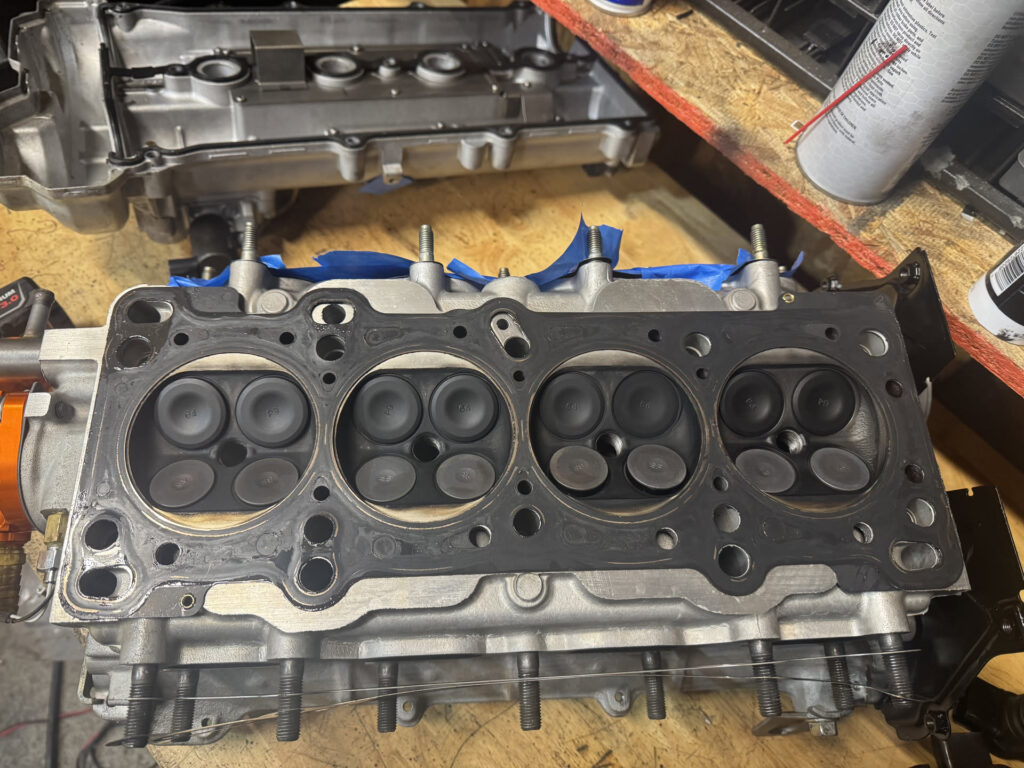
With the competitive season concluding in late autumn, winter months were dedicated to teardown analysis and forward-looking performance engineering. In December 2024, the previously removed VVT engine was disassembled for forensic evaluation. Inspection of the cylinder head revealed minor surface scratches, but no structural fracturing between the coolant jackets and the combustion chambers. Block-level analysis indicated minor thrust-side cylinder wall wear that penetrated the crosshatch honing pattern toward the center of the bores, suggesting potential out-of-round tolerances or suboptimal piston-to-wall clearances. Given that the original BP4W engine continued to perform reliably, the VVT block was shelved in favor of a professionally decked and honed spare block, prioritizing season reliability over speculative horsepower gains.
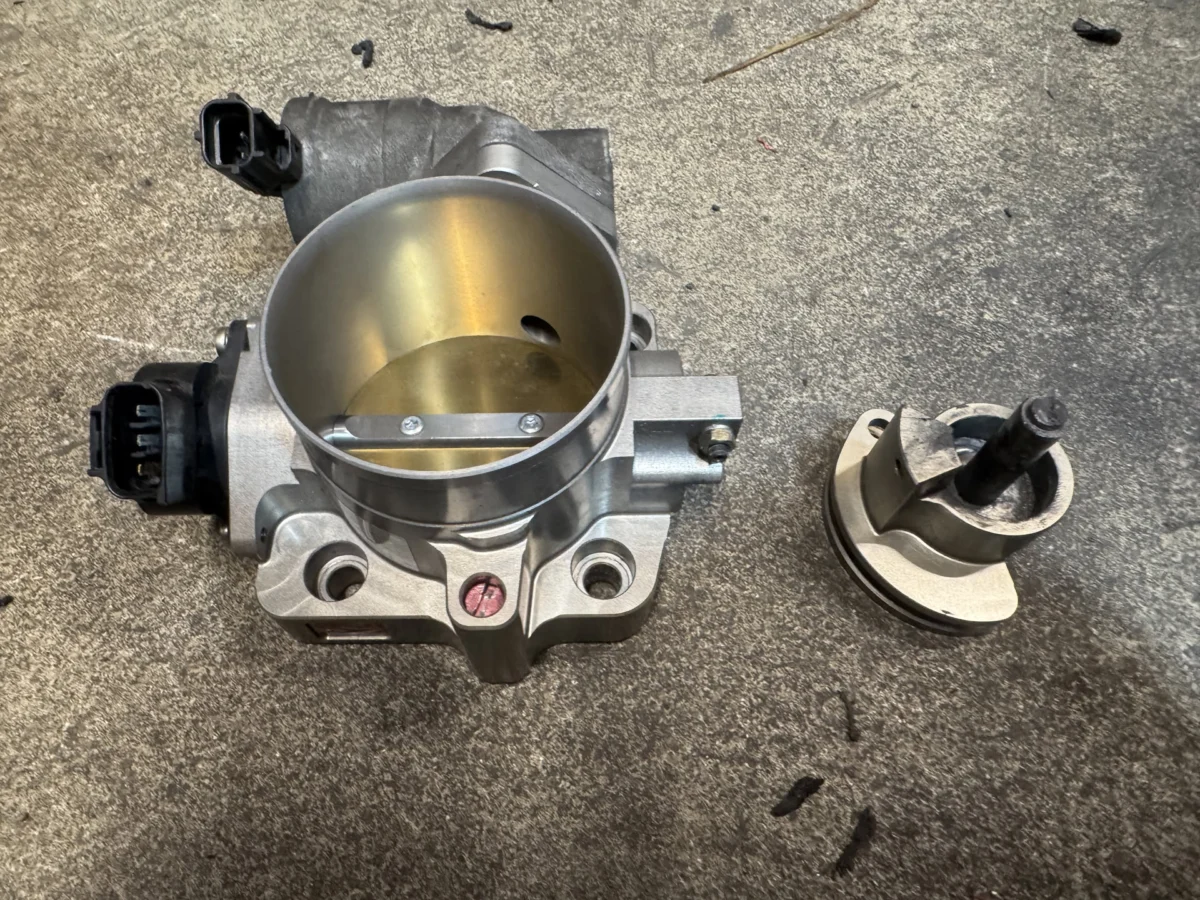
To extract additional top-end power from the existing setup for the upcoming 2025 campaign, January 2025 marked the procurement and installation of a Skunk2 intake manifold, replacing the previously utilized Squaretop manifold. While the Squaretop had proven effective across the mid-range, the Skunk2 plenum design targets sustained volumetric efficiency above 7,000 RPM—a critical operating window for a high-revving track Miata. Anticipated gains of 1 to 4 wheel horsepower at peak RPM will be verified via subsequent dynamometer testing, with the modular nature of the intake system allowing a swift return to the Squaretop configuration should power curves degrade in the lower rev ranges.
Broader Impact and Season Summary
Reflecting on the comprehensive data captured between March 2024 and February 2025, the fourth year of NB Miata ownership demonstrated a maturation of both car and driver. By shifting away from time-consuming autocross events (which yielded minimal seat time relative to event duration) and fully committing to circuit-based Time Trials, the program achieved significant performance milestones. Accumulating 1,023 total recorded laps and 34.6 cumulative hours of telemetry-tracked driving across the vehicle’s lifespan underscores the durability of Mazda’s classic roadster platform when paired with rigorous, methodical engineering oversight. As the car enters the 2025 season with enhanced intake dynamics, optimized cooling, and professional paddock support systems, it stands as a testament to iterative, data-driven amateur motorsport development.