Hartono Sudibyo
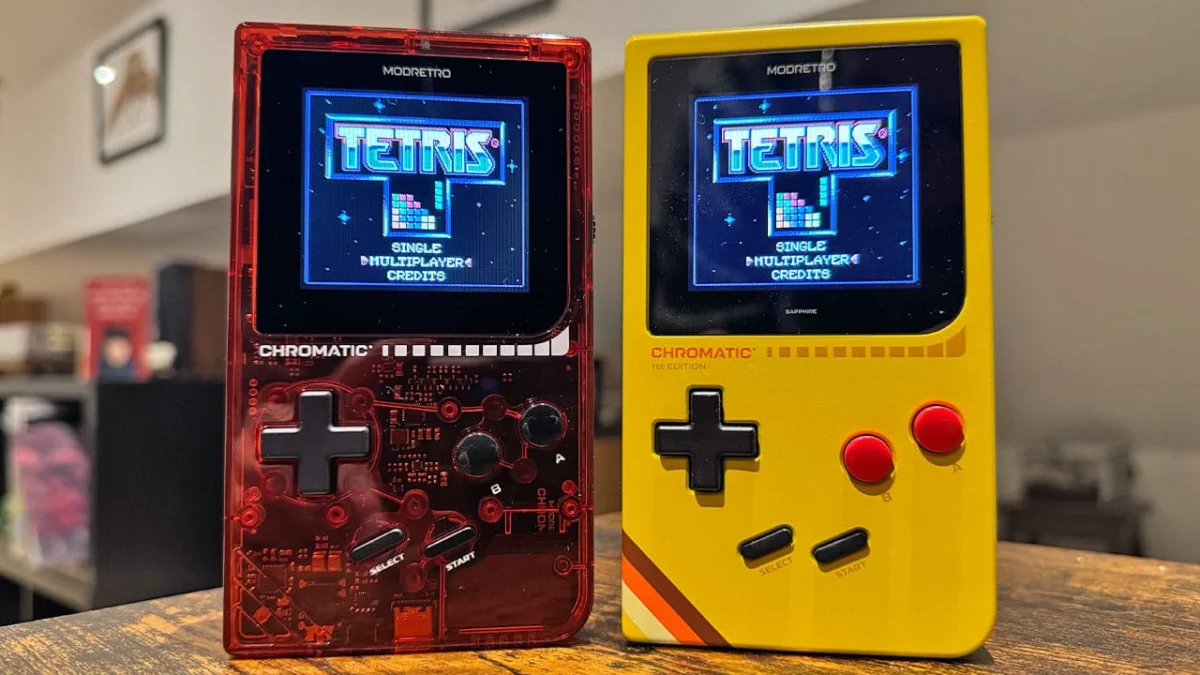
The landscape of retro-inspired portable gaming experienced a significant shift today following the release of Shiny Relay, a novel custom firmware and connectivity solution developed for the ModRetro Chromatic handheld console. Created by developer David Walter under the Shiny Gen banner, the software leverages the Chromatic’s built-in ESP32 Wi-Fi architecture and FPGA hardware to emulate traditional physical link cable functionality over both local and online wireless networks. Furthermore, the firmware introduces unexpected utility to the hardware package by enabling users to flash homebrew titles, custom ROMs, and internet-connected applications directly onto the bundled Tetris cartridge, eliminating the immediate necessity for expensive third-party flash cartridges.
The introduction of Shiny Relay addresses long-standing limitations inherent to retro multiplayer gaming, specifically the reliance on physical, often unreliable interconnect cables. By harnessing modern wireless protocols, the software bridges the gap between vintage gaming practices and contemporary connectivity standards, opening new avenues for community collaboration, multiplayer sessions, and peripheral software integration within the open-source hardware community.
Background and Architectural Integration
The ModRetro Chromatic entered the handheld market with an emphasis on robust build quality, authentic compatibility with legacy cartridges, and modern display technology. Early teardowns and technical analyses of the console revealed the inclusion of onboard wireless components, specifically an ESP32 Wi-Fi chip operating in tandem with the device’s core Field Programmable Gate Array (FPGA). However, out of the box, these networking capabilities remained largely dormant, serving primarily internal diagnostic or future-proofing functions rather than active user-facing features.
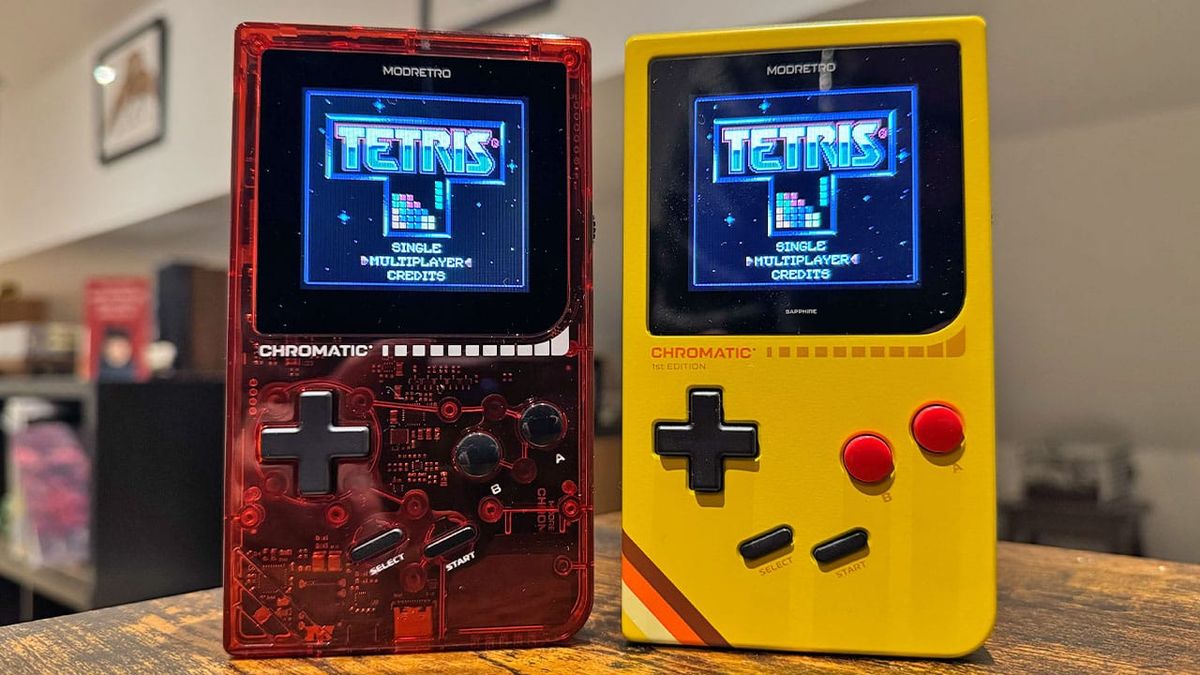
For months following the commercial release of the Chromatic, the open-source development community explored various software avenues to unlock the console’s full potential. Shiny Relay represents the most comprehensive breakthrough in this domain to date. By interfacing directly with the system’s FPGA and Wi-Fi hardware, the firmware creates a localized ad-hoc network layer between participating consoles. To the software running on the cartridges, the connection behaves identically to a traditional physical tether, ensuring zero-latency disruption during critical data exchanges such as Pokémon trading, cooperative gameplay, and competitive multiplayer matches.
The Flash Management System and Tetris Cartridge Utility
Beyond multiplayer networking, one of the most commercially significant features of the Shiny Relay firmware is its advanced cartridge management system. Standard retro handhelds typically require users to purchase specialized, often costly flash cartridges—cartridges equipped with micro SD card slots—to play downloaded homebrew titles, modifications, or alternate software.
Shiny Relay bypasses this barrier by repurposing the officially included Tetris cartridge that ships with every ModRetro Chromatic. Through a straightforward browser-based installation process connected via USB, users can flash custom ROMs, open-source homebrew games, and lightweight internet utilities directly onto the cartridge storage.
Recognizing potential user hesitation regarding overwriting an official, bundled piece of software, the developers incorporated a robust backup protocol. Users are required or strongly encouraged to create a complete digital backup of the original Tetris game before initiating any flashing procedures. Once backed up, the original software can be restored to the cartridge at any time without data loss or corruption. The flashing process itself is remarkably efficient, taking between two to eight minutes depending on the file size and complexity of the transferred data.

Available Homebrew Ecosystem and Web Utilities
Accompanying the firmware launch is a growing repository of compatible software designed specifically for the Chromatic’s hardware constraints and display capabilities. The current ecosystem includes several derivative and homage titles, such as "Shiny Monsters Color" and "Shiny Kart Color," which demonstrate the visual fidelity and processing capacity of the handheld when running custom-compiled code.
In addition to games, Shiny Relay introduces functional internet-connected applications to the platform. Users can install lightweight web utilities that interface with online services to retrieve real-time weather data, view basic maps, and access other text-based information feeds. This transforms the retro gaming device into a rudimentary multi-purpose connected terminal, pushing the boundaries of what enthusiasts traditionally expect from hardware styled after 1990s monochrome and color portable systems.
Installation Protocol and Reversibility
The deployment of Shiny Relay has been designed to be as accessible as possible, utilizing modern web-based flashing tools that operate directly within compatible desktop web browsers. Users visit the dedicated Shiny Relay portal, connect their ModRetro Chromatic via a standard USB cable, and execute the firmware installation sequence without the need to install complex local drivers or command-line developer environments.
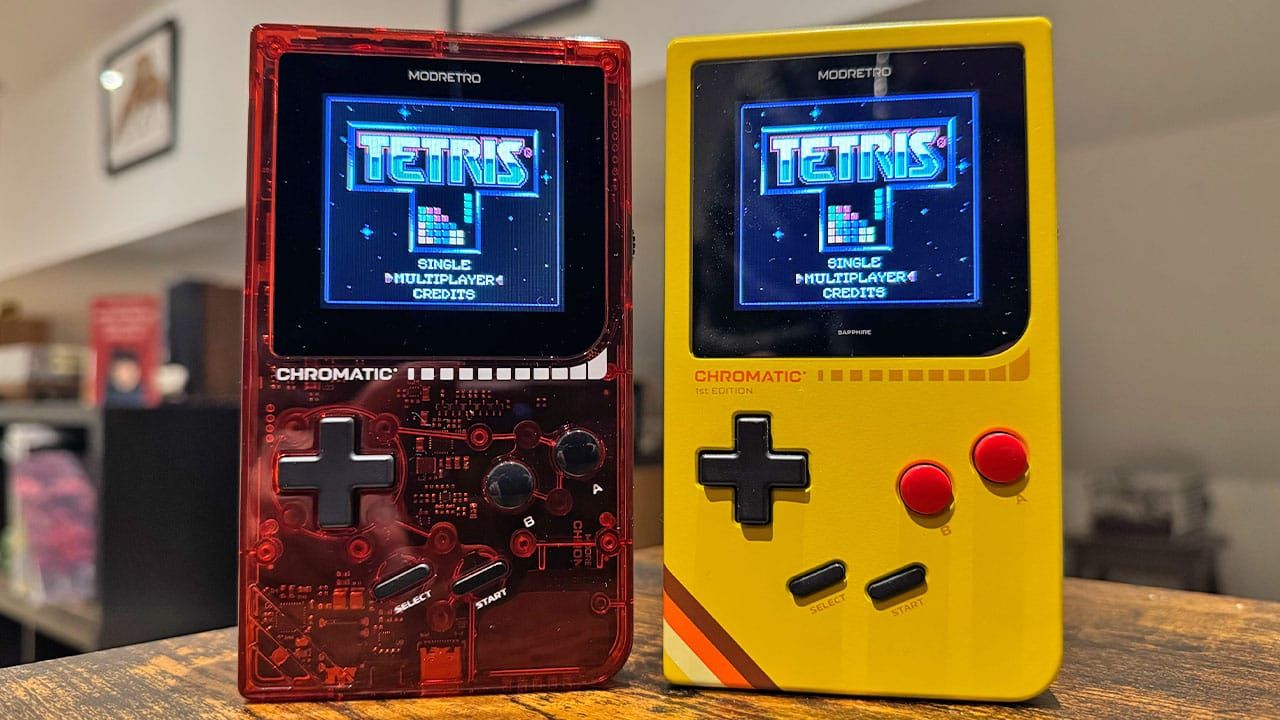
Crucially, the modification is entirely non-permanent and non-destructive. ModRetro provides official firmware updaters on its corporate website, enabling users who experiment with Shiny Relay to easily revert their consoles back to factory-original software settings at any time. This flexibility has mitigated concerns among purists regarding warranty voidance or permanent hardware alteration, encouraging widespread community testing and experimentation.
Broader Industry Implications and Community Reaction
The release of Shiny Relay highlights the enduring vitality of the open-source retro gaming community and the growing trend of modernizing vintage-style hardware through software innovation. By bridging legacy protocols with modern wireless infrastructure, projects like Shiny Relay extend the functional lifecycle of specialized hardware platforms long past their initial commercial lifespans.
Industry analysts note that open-source hardware policies—such as those adopted by ModRetro for the Chromatic—are increasingly vital for fostering active developer ecosystems. While manufacturers provide the physical canvas, community-driven firmware initiatives frequently unlock secondary value propositions that drive long-term consumer interest and hardware adoption.
As the repository of compatible applications and games continues to expand via shinyrelay.com, observers anticipate further developments in community-created networking tools, potentially paving the way for broader online matchmaking, cloud-based save backups, and collaborative homebrew development projects within the retro handheld market.