Edi Durjana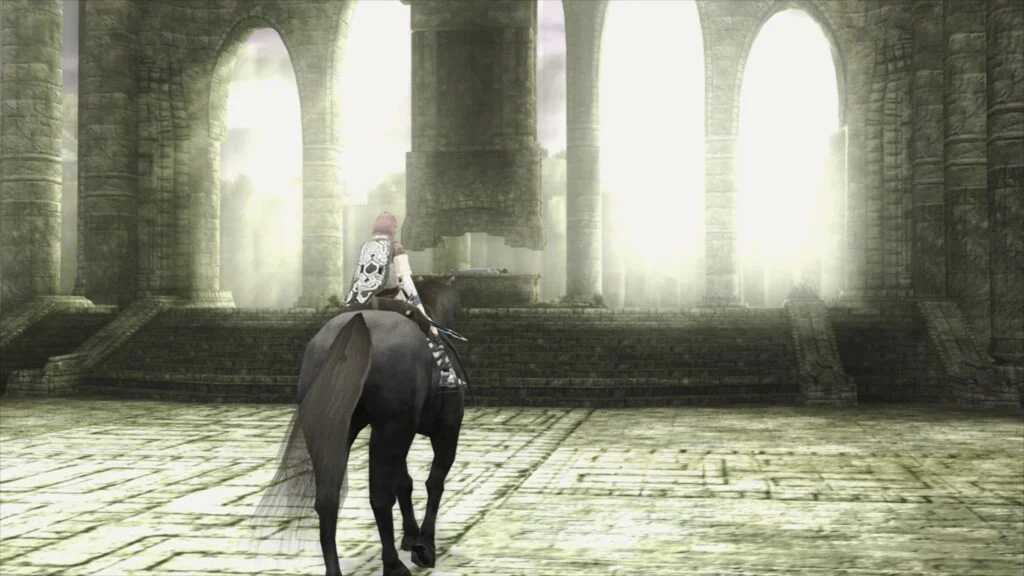
The landscape of video game preservation and emulation has taken a monumental leap forward with the official release of LRPS2, a brand-new, heavily modified PlayStation 2 emulation core custom-built for the Libretro application programming interface. Available now for Windows, Linux, and macOS platforms, LRPS2 represents a radical departure from older, legacy integration models of the past. By leveraging modern code architectures, the new core eliminates the persistent technical drawbacks, compatibility bottlenecks, and maintenance challenges that historically plagued older iterations of PlayStation 2 emulation within the RetroArch ecosystem.
Background Context and Architectural Evolution
For over two decades, emulating the notoriously complex architecture of Sony’s Emotion Engine and Graphics Synthesizer has remained one of the ultimate challenges in software development. While standalone emulators like PCSX2 achieved remarkable maturity and near-universal game compatibility, integrating these complex codebases into libretro-compliant frontends like RetroArch often resulted in performance deficits, outdated underlying code trees, and cumbersome update cycles.
LRPS2 fundamentally changes this paradigm. Developed as a modern, up-to-date derivative of PCSX2 specifically tailored for the Libretro API, the core introduces seamless compatibility with virtually all modern rendering backends associated with the GSdx graphics renderer. Users can now harness Vulkan across Windows, macOS, and Linux, Direct3D 11 and 12 on Windows systems, as well as traditional OpenGL on Windows and Linux environments. This widespread API support ensures that modern hardware can interface efficiently with the emulator, maximizing resource utilization and minimizing frame latency.
The Crown Jewel: ParaLLEl-GS and Compute-Based Emulation
By far the most significant technological breakthrough accompanying the LRPS2 launch is the introduction of paraLLEl-GS. Conceptualized and engineered by prominent emulator developer Themaister—who previously revolutionized Nintendo 64 emulation with the paraLLEl-RDP project—paraLLEl-GS is a ground-up graphics renderer written entirely as a compute program optimized exclusively for the Vulkan graphics API.
Traditional hardware renderers often struggle to match the pixel-accurate behavior of original console hardware without relying on an extensive array of game-specific hacks. ParaLLEl-GS approaches the problem differently by reimagining the PlayStation 2 Graphics Synthesizer through compute shaders. The primary design philosophy behind this renderer is to achieve software-level rendering accuracy while layering modern graphical enhancements on top.
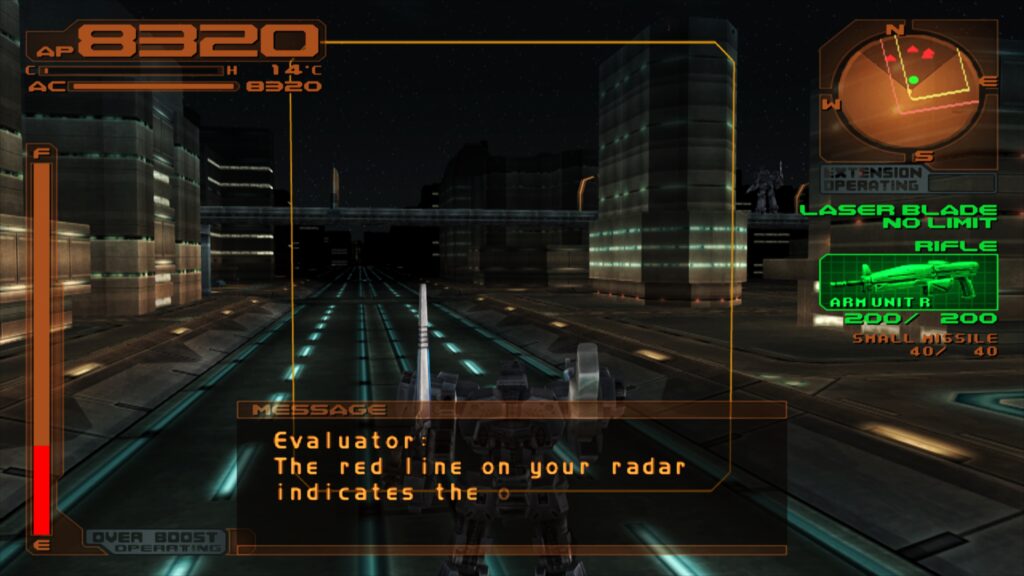
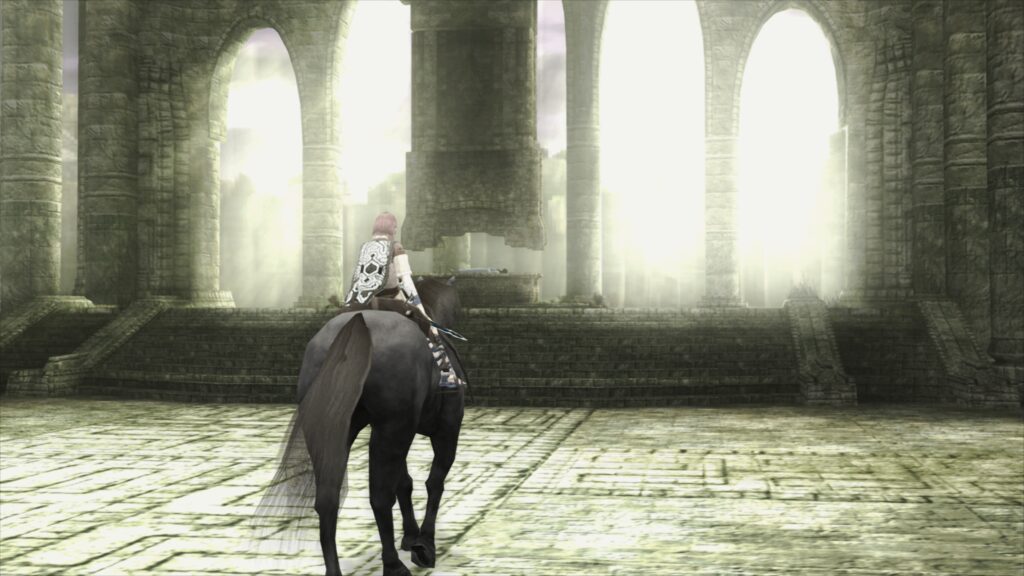
Among its standout features is 16x Supersample Anti-Aliasing (SSAA). When paired with the experimental high-resolution scanout feature, paraLLEl-GS virtually eliminates geometric shimmering, texture aliasing, and jagged edges on three-dimensional models. Furthermore, high-resolution scanout allows users to double the native rendering output, yielding an image quality that frequently surpasses traditional GSdx configurations running at vastly inflated internal resolutions. Crucially, because paraLLEl-GS operates with a high degree of fidelity to original hardware behavior, it requires drastically fewer game-specific compatibility hacks, offering a plug-and-play experience for a wide library of titles.
Platform Availability and Setup Procedures
While LRPS2 brings robust performance to desktop environments, developers have explicitly noted current hardware limitations regarding platform availability. The core is fully supported on x86_64 Linux distributions, Windows, and macOS, but is notably absent from Android, iOS, and ARM-based Linux devices due to architectural and driver-level requirements.
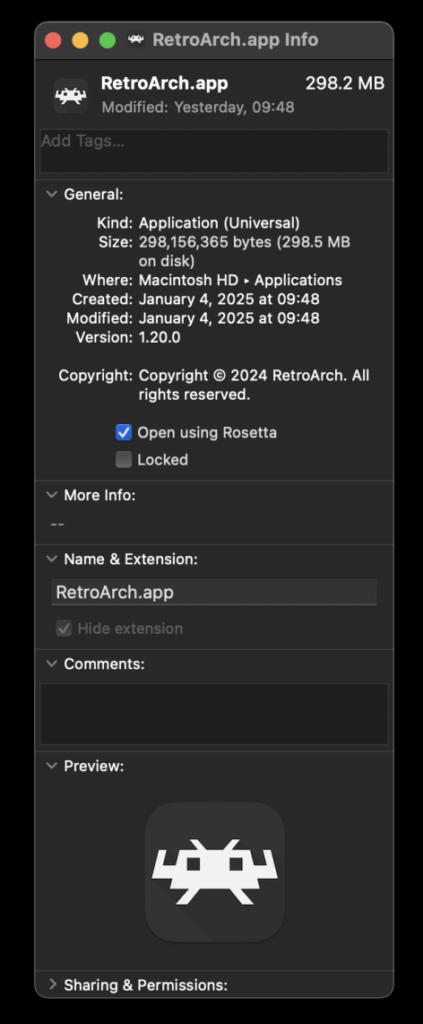
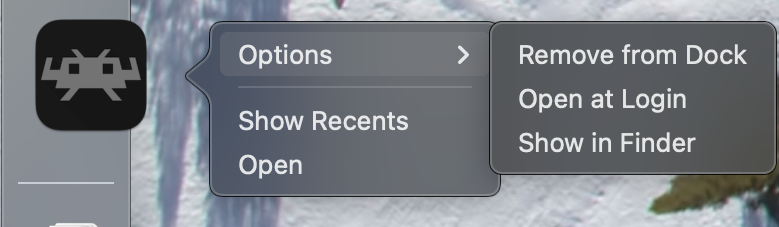
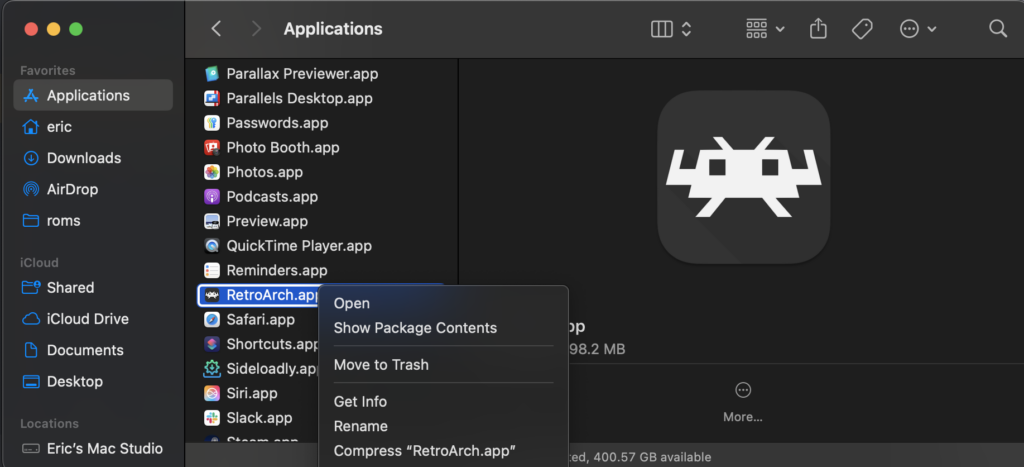
For macOS users running modern Apple Silicon hardware, a specific operational workflow is mandatory. Because the core relies heavily on x86-oriented translation layers, users must configure RetroArch to run under Rosetta. By navigating to the application file within macOS Finder, accessing the "Get Info" menu, and checking the "Open using Rosetta" box, users can successfully initialize the environment required to download and execute the LRPS2 core via the RetroArch interface.
Setting up the core within RetroArch involves a structured multi-step process via the application’s online updater. Users must first update core info files to ensure proper nomenclature appears in the menu. Subsequently, they must download the "Sony – Playstation 2 (LRPS)" core from the Core Downloader and acquire the LRPS2.zip bundle through the Core System Files Downloader. This bundle automatically populates the necessary system directories, generating a "pcsx2" folder containing the GameIndex.yaml file—crucial for applying per-game compatibility hacks—alongside a designated "bios" directory for required PlayStation 2 BIOS files. Supported game formats include uncompressed disc images such as CHD files, while heavily compressed formats like standard ZIP, RAR, or 7z archives are unsupported.
Troubleshooting Common Technical Hurdles
As with any major software release involving complex graphics pipelines, early adopters have encountered specific edge cases requiring configuration adjustments.
Video Driver Conflicts: On Windows systems where Direct3D 11 serves as the default video driver, certain users have reported encountering a black screen accompanied by normal audio playback. Developers recommend switching the global video driver—or applying a core-specific override—to Direct3D 12 to restore visual output.
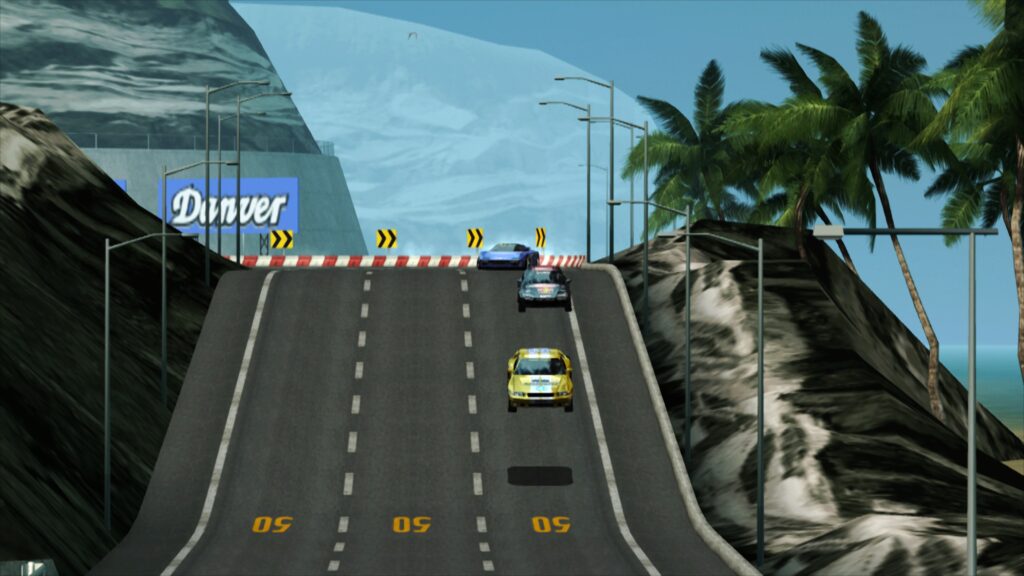
Hardware Limitations on Integrated Graphics: Users attempting to run the compute-heavy paraLLEl-GS renderer on Intel integrated graphics processors (IGPs) will experience significant performance slowdowns. Because Intel IGPs traditionally lack optimized compute shader performance, developers advise falling back to the standard software renderer or the GSdx renderer for integrated hardware, noting that Intel’s newer discrete graphics cards handle the workload without issue.
Vulkan and Software Renderer Crashes: A known issue causes the software renderer to crash when paired with the Vulkan video driver in Linux environments. Developers have acknowledged the bug and recommend temporarily utilizing the "glcore" driver on Linux or Direct3D drivers on Windows until a definitive patch is deployed.
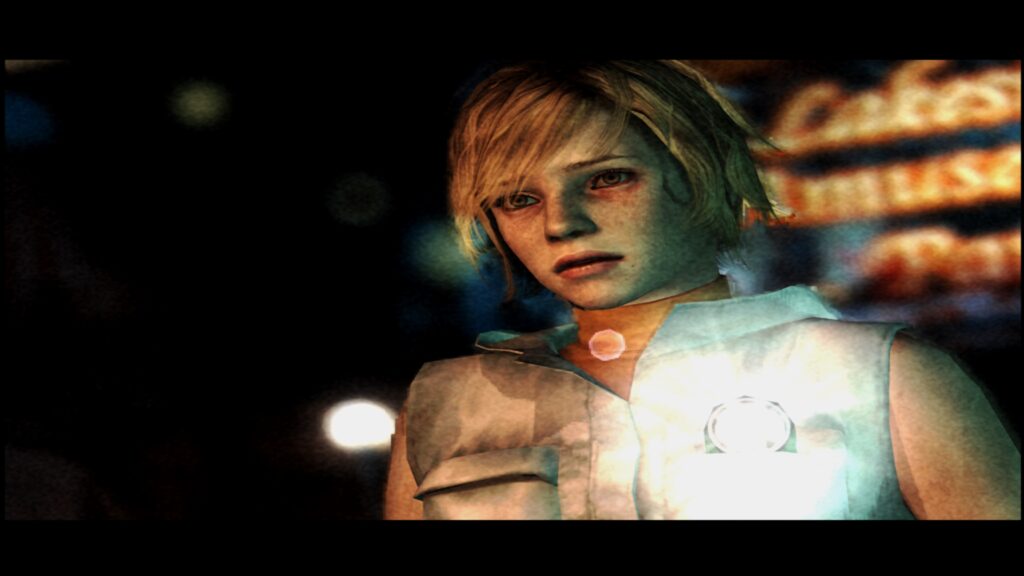
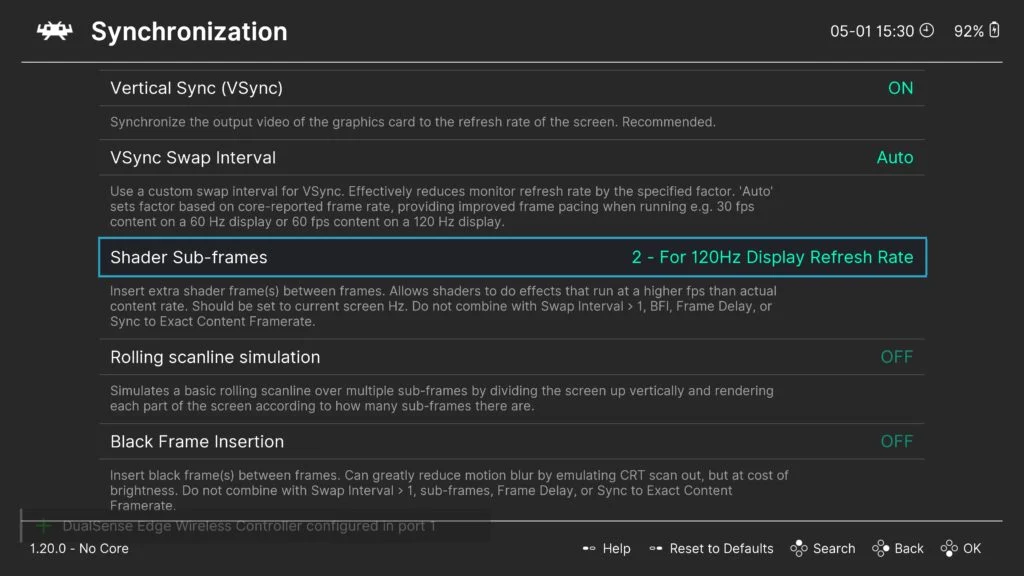
Frame Pacing and Synchronization: To achieve optimal frame pacing, users are encouraged to experiment with the "Sync to Exact Content Framerate" setting located under video synchronization options. For those utilizing Variable Refresh Rate (VRR) displays, disabling VSync within RetroArch while enforcing it via external GPU control panels (such as the NVIDIA Control Panel) can yield smoother visual results, though specific titles such as Fighting Vipers and Sega Rally 1995 may require manual fine-tuning.
Implications for Game Preservation and the Emulation Community
The release of LRPS2 and the continuous refinement of compute-based renderers like paraLLEl-GS signify a mature phase in retro gaming preservation. As original console hardware ages, degrades, and becomes increasingly scarce, software emulation serves as the primary conduit for historical accessibility.
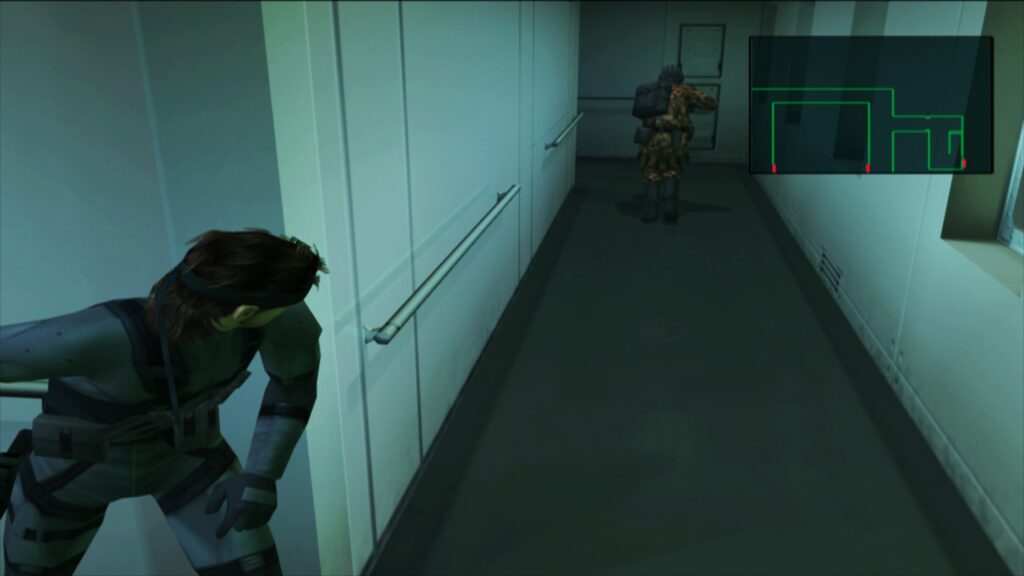
By streamlining the integration of advanced emulation techniques directly into widely adopted frontends like RetroArch, projects like LRPS2 lower the technical barrier for everyday users while offering enthusiasts unprecedented visual fidelity. The shift toward compute-driven rendering architecture points toward a future where emulation relies less on fragile, game-by-game workarounds and more on mathematical accuracy mirrored from the silicon level up. As the LRPS2 internal database expands and developer optimization continues, the core stands to redefine the benchmark for PlayStation 2 software preservation in the digital age.