Hartono Sudibyo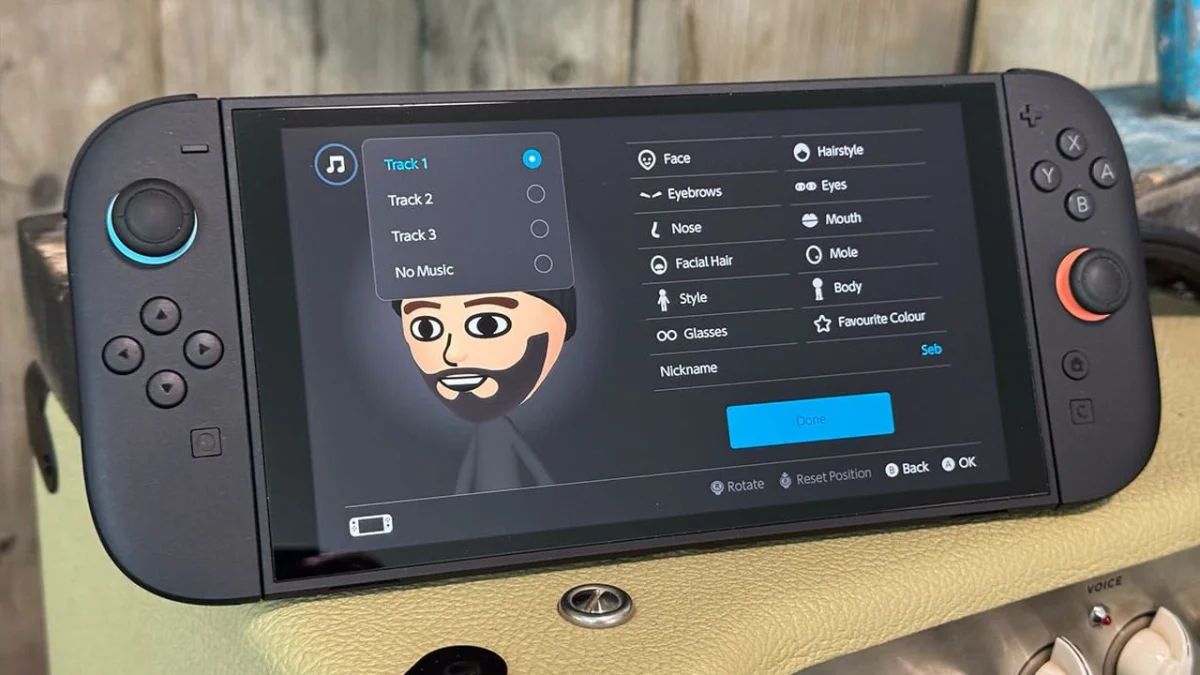
Nintendo has deployed a surprise firmware update for the Nintendo Switch and its successor hardware family, introducing a feature that bridges nearly two decades of company history. Effective immediately, users who update their consoles can access classic background themes from the Mii Maker applications originally launched on the Nintendo Wii, Nintendo 3DS, and Wii U. The unexpected addition has sparked widespread engagement across social media platforms, drawing praise from the gaming community for its focus on retro preservation and nostalgic fan service.
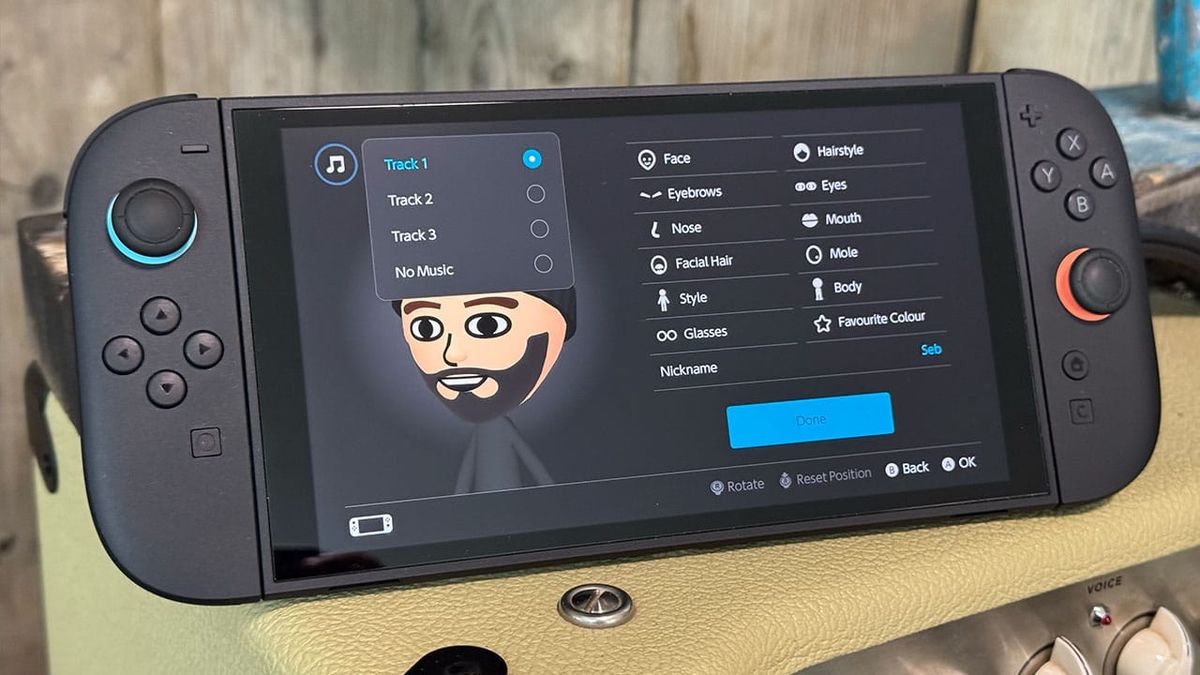
The update, which rolled out quietly during the second week of September 2026, allows players to toggle background audio while constructing or editing Mii avatars within the system settings. Along with the auditory upgrade, Nintendo has streamlined character sharing by integrating expanded QR code functionality, allowing seamless transfers between current-generation hardware and legacy systems including the 3DS and Wii U.
Chronology of the Mii Ecosystem
The evolution of Nintendo’s digital avatar system dates back to the mid-2000s, fundamentally changing how players interacted with console interfaces and multiplayer titles.
- November 2006: Nintendo launches the Wii alongside the Mii Channel, introducing the iconic, upbeat musical themes and polygon-based avatar creation tool to a mass global audience.
- February 2011: The Nintendo 3DS debuts with a portable iteration of the Mii Maker, expanding customization options and incorporating StreetPass functionality to trade characters locally.
- November 2012: The Wii U arrives on the market, featuring a high-definition version of the Mii Maker and the precursor to Miiverse social integration.
- March 2017: The Nintendo Switch launches, incorporating Mii creation deep within system settings but stripping away the dedicated hub applications and signature background music that defined previous generations.
- September 2026: Nintendo issues a surprise system update restoring the classic Wii, 3DS, and Wii U Mii Maker musical themes to the Switch ecosystem, alongside cross-generational QR code compatibility.
Supporting Data and Technical Implementation
While system updates of this nature are typically reserved for security patches and stability improvements, Nintendo occasionally inserts user-experience enhancements that appeal to long-time brand loyalists. The inclusion of three distinct audio tracks allows users to cycle between the signature tunes of the Wii, 3DS, and Wii U eras while utilizing the Mii editor.
Furthermore, the updated QR code generation tool uses standardized encoding protocols that bridge the graphical differences between legacy hardware and modern displays. This cross-compatibility ensures that historical avatar data generated on a dual-screen handheld from 2011 can be accurately parsed and rendered on contemporary high-definition screens. Industry analysts note that maintaining backwards compatibility for peripheral data—even aesthetic assets like avatars—underscores Nintendo’s ongoing strategy to foster cross-generational ecosystem retention.
Community Response and Social Media Impact
Within hours of the firmware release, gaming forums and social networks experienced a surge in user activity centered around the updated Mii Creator. Clips of users showcasing historical avatars, ranging from pop-culture icons to personal caricatures, trended globally on platforms such as X (formerly Twitter) and YouTube.

The immediate virality of the update highlights the enduring cultural footprint left by the Wii generation. For millions of consumers who grew up during the casual gaming boom of the late 2000s, the distinct audio cues associated with character creation evoke a strong Pavlovian response of nostalgia. Content creators and music remixers quickly capitalized on the momentum, generating high-engagement audio loops and retrospectives celebrating the design choices of Nintendo’s hardware past.
Broader Industry Implications and Retro Preservation
From a consumer electronics perspective, the quiet deployment of legacy themes reflects a broader industry trend toward emotional branding and digital heritage. As hardware cycles accelerate and older storefronts—such as the Wii U and 3DS eShops—face sunset protocols, maintaining legacy touchpoints becomes increasingly vital for software developers managing long-established intellectual properties.
While the addition of three background tracks and a QR code scanner does not fundamentally alter the hardware’s processing capabilities or gameplay performance, it addresses a subtle yet persistent user grievance. Since the 2017 launch of the original Switch, purists had noted the absence of the whimsical audio landscape that made the Mii channel feel distinct from standard operating system menus. By rectifying this omission years later, Nintendo demonstrates a willingness to respond to grassroots community sentiment without requiring major product overhauls.
As the video game industry continues to grapple with the preservation of digital history, community-driven updates that celebrate legacy features serve as a vital bridge between past and present platforms. Whether this update signals a broader initiative by Nintendo to integrate legacy elements into future hardware iterations remains to be seen; however, for the millions of users currently customizing avatars to the sound of 2006-era chiptunes, the update successfully delivers a welcome dose of corporate goodwill and retro comfort.