Cecilia Chamidah Nur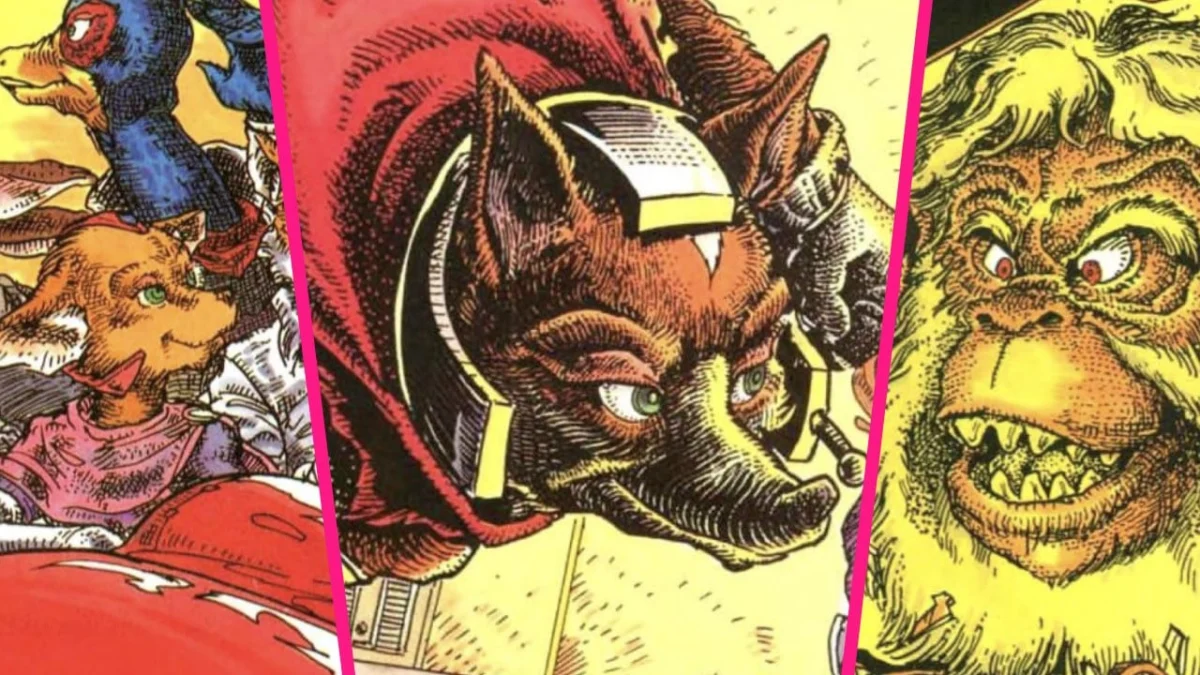
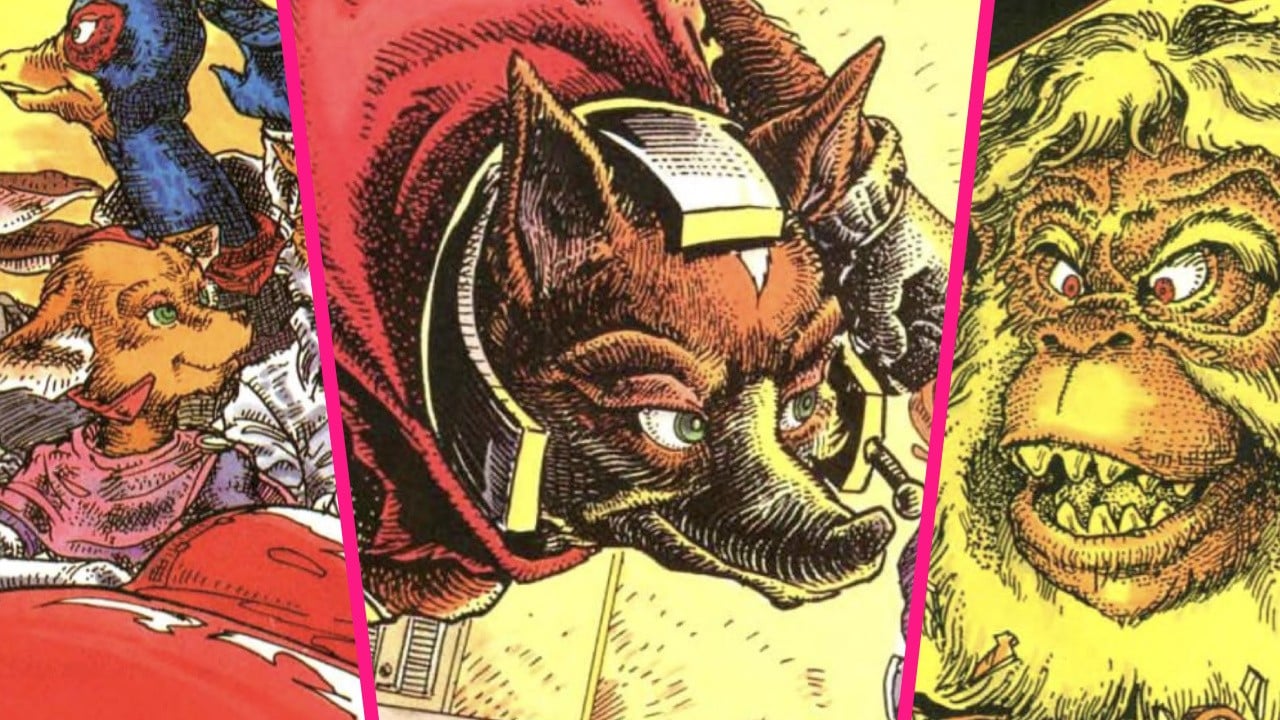
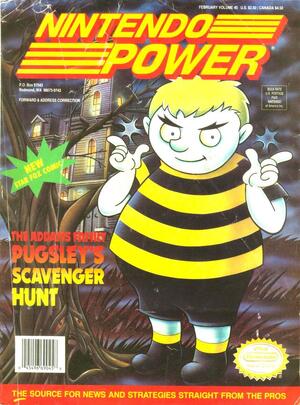
For many North American gamers who came of age in the 1990s, the monthly arrival of Nintendo Power served as the definitive chronicle of the industry’s golden era. While European readers often engaged with Nintendo via localized publications like Nintendo Magazine System, the influence of the American flagship magazine extended far beyond mere tips and strategy guides. A pivotal component of its editorial identity was the inclusion of original comic book content, which provided narrative depth to franchises that were otherwise limited by the technological constraints of early 8-bit and 16-bit hardware. Among these contributions, the Star Fox comic, serialized in 1993 and illustrated by Benimaru Itoh, stands as a landmark of video game expanded media. Its role in shaping the lore of the franchise—from the introduction of Fara Phoenix to the tragic origins of the antagonist Andross—has left a lasting imprint on the series’ canon, despite the original game’s relative lack of explicit storytelling.
The Genesis of Nintendo Power Comics
The decision to integrate comics into Nintendo Power was not merely a stylistic choice; it was a strategic initiative spearheaded by Nintendo of America’s leadership. Records from the era and interviews with former executives indicate that Minoru Arakawa, then-president of Nintendo of America, was deeply influenced by the immense success of weekly manga publications in Japan, such as Shonen Jump. Observing the high level of engagement these publications fostered among Japanese youth, Arakawa sought to replicate this communal reading experience in the United States.
Initially, the magazine utilized the Howard & Nester strips to bridge the gap between technical gaming advice and narrative engagement. Howard Phillips, the face of the Nintendo fan club, and the fictional, brash Nester served as archetypes: the wise mentor and the quintessential player. By 1991, following Phillips’ departure to LucasArts, the magazine transitioned toward more complex narrative adaptations. The inclusion of the Battletoads comic in 1991 marked a shift in editorial direction, signaling that the magazine would henceforth serve as a conduit for world-building, rather than just a utility for player success. This trajectory culminated in the collaboration with renowned manga author Shotaro Ishinomori for The Legend of Zelda: A Link to the Past, setting a high standard for artistic and narrative quality that Benimaru Itoh would later inherit for Star Fox.
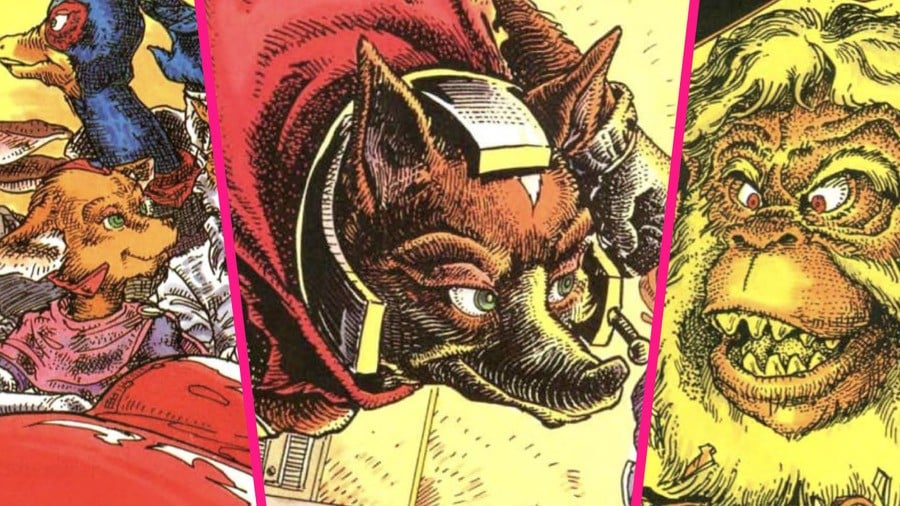
Benimaru Itoh and the Artistic Vision of Star Fox
Benimaru Itoh, a versatile illustrator with a history in puzzle design and commercial art, was uniquely positioned to adapt the abstract polygons of the Super Nintendo’s Star Fox into a cohesive graphic novel format. His approach was defined by a rejection of the "game manual" style of storytelling. Instead, Itoh sought to synthesize distinct artistic influences—specifically the scratchboard techniques of American sci-fi illustrator Virgil Finlay and the visionary aesthetic of Jean "Mœbius" Giraud.
The collaboration required Itoh to navigate the creative vacuum left by the original game’s minimalist script. When tasked with the adaptation, Itoh was given significant creative autonomy by Shigeru Miyamoto. This freedom allowed for the introduction of foundational elements that would eventually be codified into the official Star Fox lore. Key contributions included:
- Planet Papetoon: Conceived as a homage to stop-motion pioneer George Pal, this setting established Fox McCloud’s humble beginnings as a scavenger, providing a necessary "hero’s journey" framework that was absent from the arcade-style gameplay.
- Fara Phoenix: Introduced as a pilot and a figure of emotional significance, Fara provided the necessary character dynamics to elevate the story beyond a simple mission-based narrative.
- Andross’s Motivations: By providing Andross with a backstory rooted in the trauma of losing his adoptive parents to the Cornerian military, Itoh introduced the concept of the "sympathetic antagonist," a trope common in Japanese manga but relatively rare in American console games of the early 1990s.
Chronology of Influence
The legacy of these creative decisions is evidenced by their persistence in subsequent software iterations. The following timeline outlines the evolution of these concepts:
- 1993: The Star Fox comic debuts in Nintendo Power, introducing Papetoon, Fara Phoenix, and the G-Diffuser technology.
- 1994: Itoh adapts Super Metroid for Nintendo Power, effectively canonizing the existence of Samus Aran’s home planet, K-2L.
- 1995: Itoh joins Creatures Inc., contributing to the burgeoning Pokémon franchise, which would define the next decade of Nintendo’s global strategy.
- 1997: The release of Star Fox 64 incorporates terminology and world-building concepts—such as the G-Diffuser and references to Fox’s history—that were first articulated in the 1993 comic.
- 2001–2012: Itoh continues his association with Nintendo through advisory roles at HAL Laboratory, contributing to titles such as Kirby: Nightmare in Dream Land and Kirby Air Ride.
Analytical Perspectives: The "Gakuya Ochi" Effect
Itoh’s technique of embedding cultural references—often referred to in Japan as "gakuya ochi" (inside jokes or backstage humor)—served as a precursor to the modern "Easter egg" culture. By incorporating subtle nods to the Commodore Amiga, the Beatles, and Robin Hood, Itoh imbued the Star Fox comic with a meta-textual depth that rewarded attentive readers.

From an industry perspective, the success of the Star Fox and Super Metroid comics demonstrated that players were eager for immersive narrative experiences. This proved that a brand could be successfully extended across disparate media platforms, a concept that would later become the standard for the modern "transmedia" strategies employed by Nintendo and other major publishers. By treating the game’s lore as an evolving document rather than a fixed set of assets, Itoh and the editors of Nintendo Power created a blueprint for how to cultivate a dedicated, long-term fanbase.
Broader Implications and Legacy
The impact of the Nintendo Power comics extended far beyond the pages of the magazine. By providing a narrative backbone to games that were otherwise defined by technical achievements—like the Super FX chip in Star Fox—these comics ensured that the characters were viewed as more than just polygons.

The professional transition of Benimaru Itoh from a freelancer to a foundational member of Creatures Inc. underscores the high value Nintendo placed on the creative talent that populated its magazine. His work helped establish the "Nintendo style" of storytelling: accessible, yet layered with hidden details that encouraged exploration.
Today, as the industry reflects on the role of legacy media in the digital age, the Star Fox comic serves as a reminder of the power of serialized narrative. While Nintendo Power ceased publication in 2012, the concepts introduced by Itoh remain integral to the Star Fox mythos. The persistence of elements like the G-Diffuser and the history of Papetoon indicates that even the most "experimental" comic book adaptations can become permanent fixtures in a franchise’s history, proving that when handled with care, expanded media does not merely accompany a game—it defines it.