Ganda Hendra Perkasa
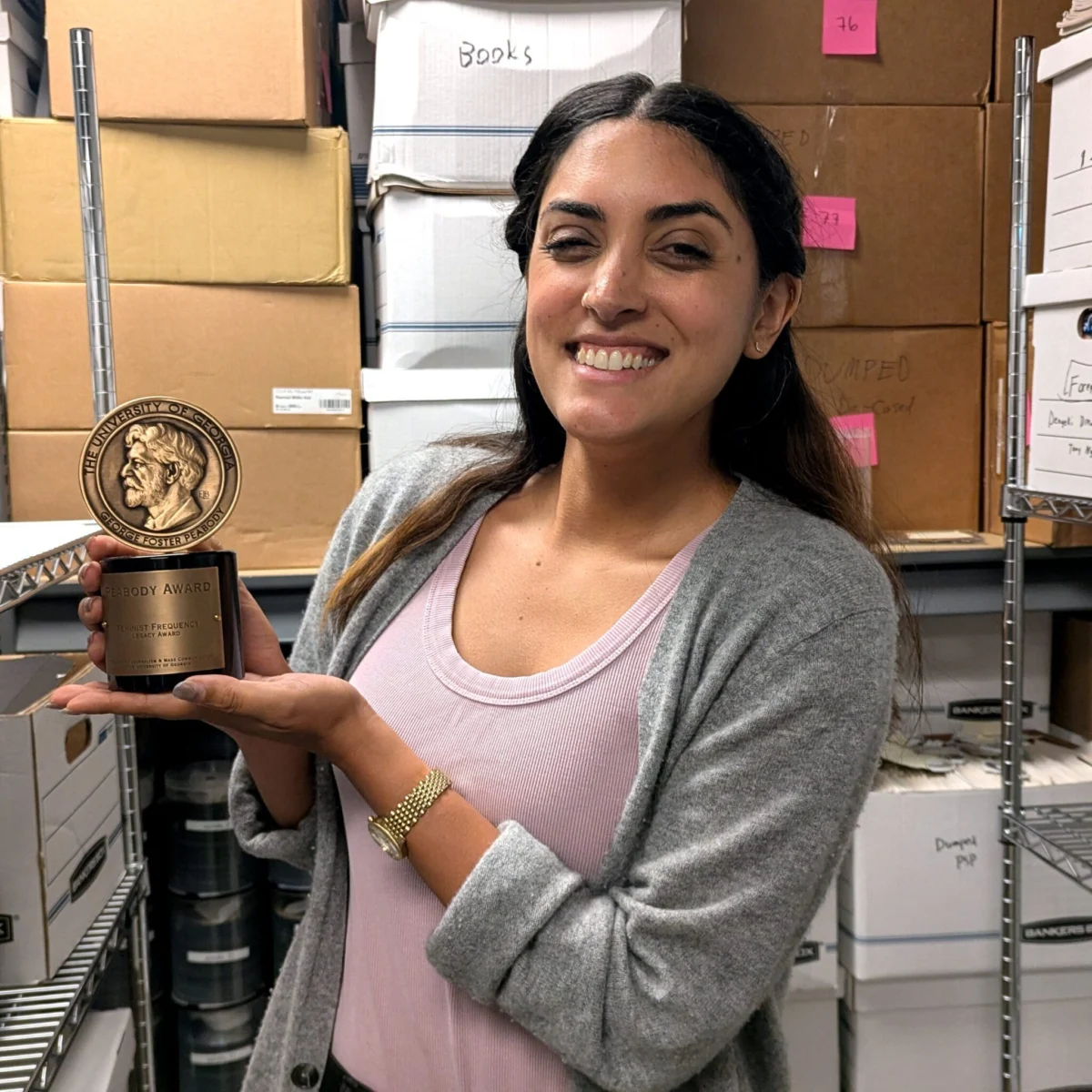
The Video Game History Foundation has officially entered a new phase of institutional growth, marked by key staffing additions, significant archival acquisitions, and a robust retrospective of its public engagement efforts for the first quarter of 2026. In the latest installment of the organization’s flagship audio broadcast, the Video Game History Hour, leadership outlined a series of strategic milestones designed to fortify the non-profit group’s long-term preservation capabilities. Among the primary announcements is the appointment of Meera Swanson as the organization’s inaugural Development Director, a role created to spearhead fundraising and institutional expansion as the foundation seeks to scale its digital and physical preservation pipelines.
The structural evolution of the Foundation arrives at a critical juncture for interactive entertainment preservation. As classic hardware degrades and historical documentation vanishes from corporate archives, organizations dedicated to safeguarding video game history face mounting operational pressures. By establishing a dedicated development department under Swanson’s guidance, the Foundation aims to secure sustainable revenue streams, expand philanthropic partnerships, and enhance its capacity to rescue perishable historical media before it is lost permanently.
Leadership Expansion and the Vision for Institutional Growth
The integration of Meera Swanson into the executive team represents a calculated effort to transition the Video Game History Foundation from a grassroots archival initiative into a mature, resilient cultural institution. During her introductory appearance on the podcast, Swanson detailed her professional background in non-profit management and resource mobilization, articulating a comprehensive vision for the newly formed development department through the remainder of 2026 and beyond.
Swanson emphasized that modern digital preservation requires not only technical expertise in data recovery and physical conservation but also robust financial backing to support climate-controlled storage, specialized hardware maintenance, and public accessibility initiatives. "Preserving the artifacts of interactive history is an urgent race against time, physical decay, and corporate volatility," Swanson noted during the broadcast. Her strategic roadmap for the year includes cultivating major donor relationships, expanding foundation grants, and fostering community-driven support models that engage enthusiasts and scholars alike.
The creation of the Development Director role reflects a broader trend within the digital heritage sector. As academic institutions, libraries, and independent foundations recognize the cultural significance of video games—an entertainment medium that generated over $180 billion globally in recent years—the demand for professionalized fundraising and institutional infrastructure has intensified. Industry analysts suggest that dedicated development leadership will allow the Foundation to pursue larger-scale acquisitions and potentially expand its physical footprint to accommodate growing collections of source code, hardware prototypes, and ephemeral print media.
Major Archival Acquisitions and Rare Historical Additions
Complementing the organizational restructuring, Phil, representing the Foundation’s curation and archiving division, unveiled a diverse array of new collections added to the repository during the first quarter of 2026. These acquisitions span multiple eras of interactive entertainment history, capturing both the commercial mainstream and the behind-the-scenes discourse of the industry’s formative decades.
Among the standout additions is a significant expansion of the GamePro CD collection. Originally distributed alongside or independent of the prominent print magazine in the 1990s and early 2000s, these compact discs frequently contained multimedia demos, exclusive video footage, patches, and promotional materials that are difficult to access on modern operating systems. Preserving these digital artifacts ensures that researchers can study how video game journalism and marketing intersected during the pivotal transition from 16-bit consoles to the CD-ROM era.
In addition to consumer-facing media, the Foundation secured an invaluable set of speaker audio cassettes originating from the second annual Computer Game Developers Conference (CGDC). Founded in 1988 by Chris Crawford and other industry pioneers, the CGDC served as the premier technical and creative crucible for early personal computer game developers. These newly cataloged audio recordings feature primary-source discussions, technical post-mortems, and philosophical debates among the engineers and designers who laid the groundwork for modern game development. Recovering and digitizing these audio tapes provides historians with unfiltered access to the challenges faced by early programmers working under severe hardware limitations.
Rounding out the Q1 acquisitions is a comprehensive archiving initiative focused on Neopets The Official Magazine. Launched during the height of the website’s cultural ubiquity in the 2000s, the publication captured a massive demographic of younger internet users and serves as a vital artifact of early web-integrated media ecosystems. By preserving these physical print runs, the Foundation ensures that future generations can examine how virtual pet communities and early internet subcultures were commercialized and presented in print format.
Public Engagement and Media Outreach Analysis
While physical and digital acquisitions form the backbone of the Foundation’s mission, public outreach remains a critical component of its strategy to raise awareness about the fragility of interactive history. During the Q1 recap, co-host Robin delivered a comprehensive review of the Video Game History Hour podcast’s performance over the opening months of 2026, analyzing listener metrics, audience feedback, and thematic resonance.
The podcast has established itself as an authoritative audio platform within the gaming community, frequently featuring deep-dive interviews with veteran developers, legal scholars specializing in digital preservation and copyright law, and archival specialists. Robin highlighted episodes from the current year that resonated most strongly with the audience, noting a high level of engagement surrounding discussions on the legal barriers to game preservation, such as the Digital Millennium Copyright Act (DMCA) exemptions and corporate abandonment of intellectual property.
Industry observers note that public-facing educational initiatives are vital for shifting the cultural perception of video games from disposable toys to legitimate cultural artifacts. By utilizing the podcast format to demystify the archival process, the Foundation cultivates an informed constituency capable of advocating for legislative reforms—such as expanded library and archive exemptions for online multiplayer titles—that facilitate lawful digital preservation.
Operational Chronology and Timeline of Recent Milestones
The announcements made during the Q1 2026 update are the culmination of a systematic multi-year growth trajectory for the Video Game History Foundation. Understanding the sequence of these developments illustrates the organization’s strategic evolution:
- 2017-2019 (Foundational Phase): Established primarily as an advocacy and rescue initiative, focusing on rescuing physical magazines, developer notes, and unreleased software from commercial dumpsters and closing studios.
- 2020-2022 (Expansion and Media Launch): Launched the Video Game History Hour podcast to disseminate research findings directly to the public and build a dedicated supporter base via platforms like Patreon.
- 2023-2025 (Institutional Scaling): Began formal partnerships with academic libraries, secured grants for targeted hardware preservation, and increased the volume of digitized archival materials made available to researchers.
- Q1 2026 (Professionalization and Strategic Growth): Appointed Meera Swanson as Development Director to establish a formal fundraising department; acquired rare CGDC audio cassettes and expanded the GamePro CD and Neopets magazine archives.
This chronological progression demonstrates a deliberate shift from reactive salvage operations to proactive, institutionally secure preservation protocols.
Broader Impact and Implications for the Digital Preservation Sector
The structural and archival updates implemented by the Video Game History Foundation carry significant implications for the broader digital heritage and museum sectors. According to data from the Internet Archive and various preservation alliances, a staggering percentage of classic video games—often estimated by the Video Game History Foundation’s own past studies to exceed 80% of titles released in North America—are currently out of print and commercially unavailable, existing in a legal and technical gray area.
Institutions like the Foundation operate under severe resource constraints, often relying entirely on philanthropic donations, grants, and modest subscription models to fund complex data extraction processes, such as dumping EPROM chips, repairing degraded magnetic tape, and reverse-engineering proprietary disk formats. By introducing professional development leadership under Swanson, the Foundation sets a precedent for how specialized cultural heritage organizations can achieve financial stability without compromising their core educational and preservation mandates.
Furthermore, the acquisition of specialized primary sources like the CGDC audio cassettes addresses a persistent gap in technology historiography. While consumer-facing magazines and finished software are frequently preserved by collectors, the iterative, conversational history of how engineers solved complex rendering, memory management, and networking problems is often lost when corporate records are discarded. By making these audio artifacts accessible—and discussing their historical context on widely distributed public platforms—the Foundation bridges the gap between academic research and public interest.
Availability and Access Information
The complete Q1 2026 recap episode of the Video Game History Hour, featuring Meera Swanson’s full introduction and the detailed breakdowns of Phil and Robin’s archival and media reviews, is currently available to the public.
Listeners can access the broadcast through multiple channels. Patrons supporting the organization via its official Patreon page gain early access to episodes one day prior to public release for contributors at the $5 tier and above. The podcast is also hosted on Spotify, Apple Podcasts, and directly through the official Video Game History Foundation website at gamehistory.org.
As the Foundation moves further into 2026, the newly established development department under Meera Swanson will begin rolling out targeted fundraising campaigns and membership initiatives aimed at sustaining these ambitious preservation efforts for future generations of historians, researchers, and enthusiasts.