Hartono Sudibyo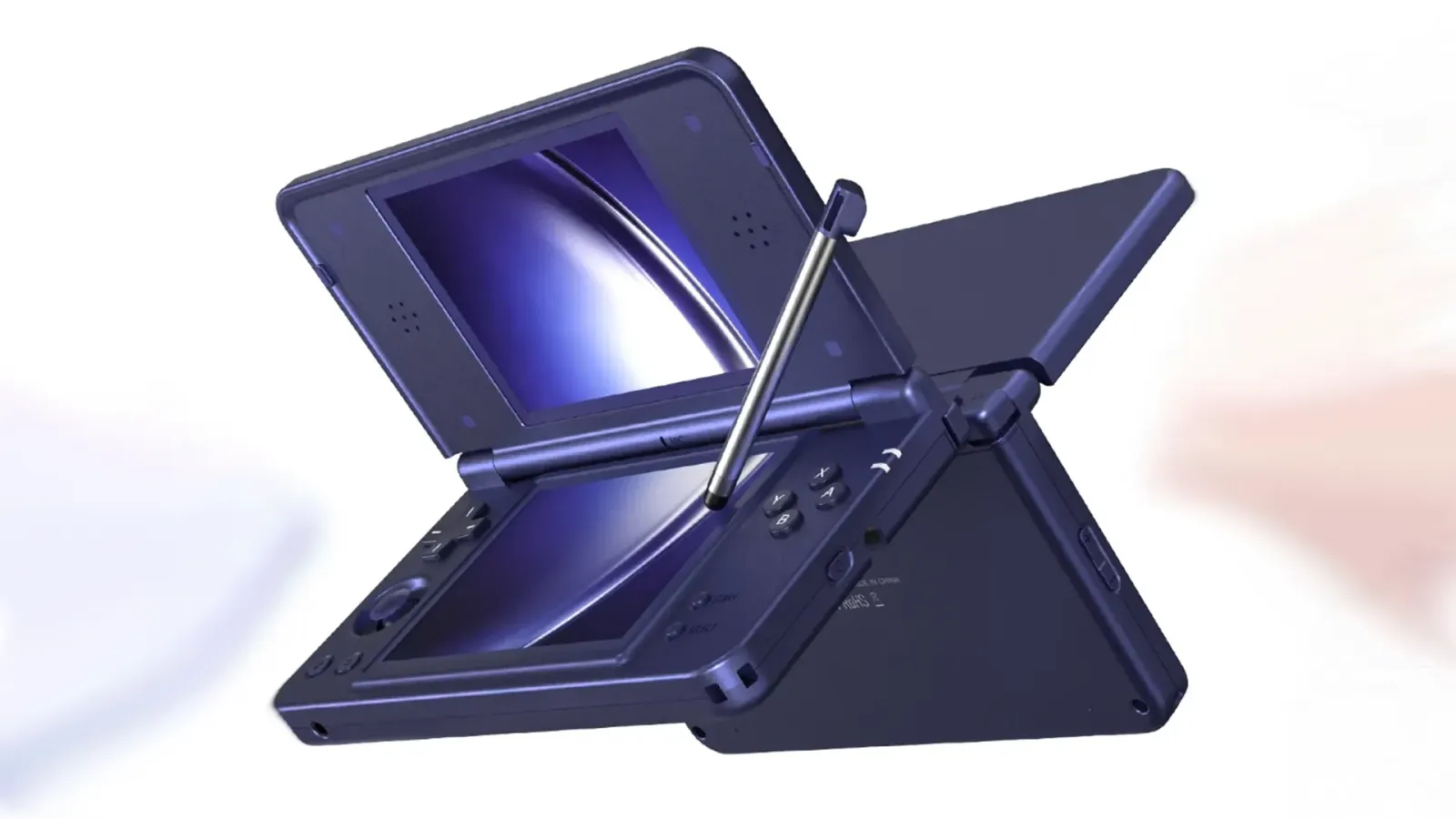
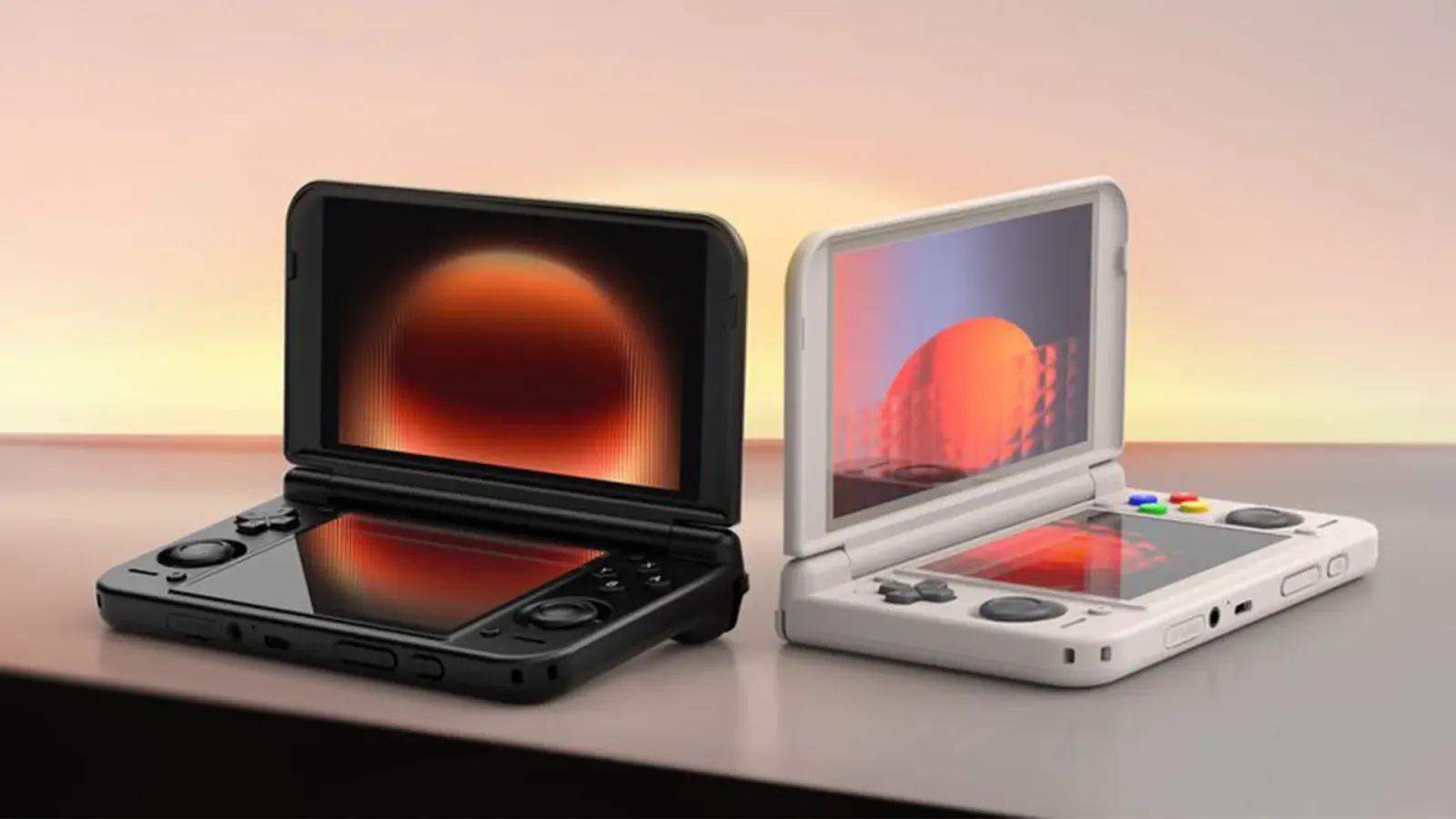
The portable emulation and retro gaming landscape is currently experiencing a profound structural shift toward dual-screen form factors, and manufacturers are moving swiftly to capture market share. Following weeks of industry speculation, teasers, and competitive product reveals from rival firms, hardware manufacturer ANBERNIC has officially confirmed both the pricing and the global launch schedule for its upcoming emulation console, the ANBERNIC RG DS Plus. Positioned aggressively within the sub-$100 portable gaming segment, the device aims to democratize access to dual-screen emulation—particularly for library catalogs native to legacy handheld systems such as the Nintendo DS and Nintendo 3DS—without imposing a heavy financial burden on consumers.
The announcement arrives amid a flurry of competing hardware releases in the retro gaming community. Industry observers have noted that 2026 is rapidly solidifying its reputation as the definitive year of the dual-screen handheld. Earlier in the same week, competing manufacturer Retroid opened pre-order channels for its Pocket Duo series, a dual-screen device offered in multiple configurations. Simultaneously, leaks and exclusive first-look imagery regarding the Yoniq Duo have underscored a broader trend across the industry: manufacturers are no longer relying solely on traditional single-screen vertical or horizontal layouts. Instead, they are engineering multi-display hardware to satisfy enthusiast demand for seamless, native-style dual-screen emulation.
Official Pricing Structure and Promotional Launch Windows
In a strategic move designed to appeal to budget-conscious consumers and capture early adopters, ANBERNIC has priced the standard retail model of the RG DS Plus at $94.99. This sub-$100 threshold is widely regarded by industry analysts as a critical psychological barrier for handheld emulation devices, separating casual buyers from dedicated enthusiasts. By keeping the baseline cost under one hundred dollars, ANBERNIC positions the console as an accessible entry point into sophisticated multi-display portable gaming.
Furthermore, the manufacturer has structured an early-bird incentive for consumers prepared to purchase the device immediately upon release. Those who secure a pre-order during the initial launch window will be eligible for a discounted promotional price of $84.99. Purchases at both price points will be conducted exclusively through ANBERNIC’s official web storefront. To accommodate its growing international consumer base, the company has confirmed that fulfillment will be managed via dual shipping hubs located in China and the United States. This logistical framework is expected to significantly reduce transit times and mitigate customs delays for buyers residing in North America.
Global Launch Schedule and Availability Timeline
The official sales campaign for the ANBERNIC RG DS Plus is scheduled to commence on September 15, 2026, at precisely 03:00 AM Pacific Daylight Time (PDT). Because hardware releases of this nature frequently trigger high traffic volumes and limited initial inventory allocations, international buyers have been advised to coordinate their local time zones accordingly to secure the promotional pricing tier.
To assist consumers worldwide in tracking the launch window, ANBERNIC’s coordinated rollout translates across major global time zones as follows:
- North America (East Coast): September 15, 2026, at 06:00 AM EDT
- North America (West Coast): September 15, 2026, at 03:00 AM PDT
- United Kingdom: September 15, 2026, at 11:00 AM BST
- Central Europe: September 15, 2026, at 12:00 PM CEST
- Japan: September 15, 2026, at 07:00 PM JST
- Australia (Sydney): September 15, 2026, at 08:00 PM AEST
At launch, the console will be made available in three distinct colorways designed to cater to varying aesthetic preferences: Coral Pink, Matte Black, and Metallic Blue. Crucially, ANBERNIC has confirmed that all three color options will retail at the exact same base price, avoiding the practice of charging premiums for specific popular hues.

Chronology of the Dual-Screen Handheld Boom
The emergence of the ANBERNIC RG DS Plus cannot be viewed in isolation; it represents the culmination of a multi-year technological progression within the Chinese open-source emulation hardware market. For over a decade, portable emulation devices predominantly utilized single displays, forcing developers and software designers to map dual-screen games onto a single screen with toggle overlays, side-by-side scaling, or picture-in-picture windows. While functional, these workarounds compromised the authentic user experience intended by developers of classic dual-screen systems.
The transition toward dedicated dual-screen hardware began gathering serious momentum in early 2025, as chipset efficiency improved and LCD manufacturing costs for smaller panels decreased. By mid-2026, consumer demand reached a critical mass.
- Early August 2026: Initial rumors and conceptual leaks surface regarding multiple manufacturers developing clamshell and dual-screen form factors to address the emulation community’s long-standing requests.
- Late August 2026: Industry insiders exclusively publish real-world imagery of competing devices, such as the Yoniq Duo, confirming that dual-screen technology has moved past the conceptual prototyping phase.
- Early September 2026: Retroid officially announces pre-order dates for the Pocket Duo, triggering a competitive cascade of product announcements across the sector.
- Mid-September 2026: ANBERNIC formally unveils the technical specifications, regional launch times, and aggressive sub-$100 pricing strategy for the RG DS Plus.
Hardware Design and Technical Expectations
While full independent benchmarking is pending the arrival of comprehensive media review units, industry analysts have constructed a clear picture of what the RG DS Plus is designed to achieve. Dual-screen devices present unique engineering challenges, particularly regarding thermal management, battery longevity, and weight distribution. Powering two separate displays simultaneously requires optimized system-on-chip (SoC) architecture capable of rendering complex graphical user interfaces and maintaining stable frame rates across demanding emulation profiles without draining the internal battery cell prematurely.
ANBERNIC’s decision to adopt a sub-$100 pricing structure implies the use of a cost-effective, proven ARM-based processor rather than bleeding-edge silicon. Consequently, industry consensus suggests that the device will comfortably handle emulation for legacy 8-bit, 16-bit, and 32-bit consoles, alongside specialized dual-screen systems up to the fifth and sixth generations of handheld gaming. Heavier emulation workloads—such as select PlayStation 2 or high-end GameCube titles that require intensive CPU power—may be secondary to the device’s primary design focus, which centers heavily on optimized dual-screen performance.

Market Implications and Competitive Analysis
The entry of the ANBERNIC RG DS Plus into the budget portable market is expected to exert downward pricing pressure on competing manufacturers. For years, specialized form factors commanded significant financial premiums due to lower manufacturing economies of scale. By successfully bringing a dual-screen device to market below the $95 threshold—and dropping it to $84.99 for early buyers—ANBERNIC is signaling that multi-display handhelds are transitioning from niche luxury novelties into mainstream consumer electronics.
This aggressive pricing strategy forces competitors like Retroid and emerging brands to closely re-evaluate their profit margins and go-to-market strategies. Consumers stand to benefit directly from this heightened market competition, as manufacturers race to offer superior build quality, better software optimization, and more ergonomic designs at increasingly accessible price points.
As review units make their way to independent testing laboratories and retro gaming publications over the coming week, critical questions regarding real-world battery endurance, hinge durability, software ecosystem stability, and screen quality will be answered. For now, prospective buyers have a tightly defined window to weigh their options ahead of the September 15 global launch.