Hartono Sudibyo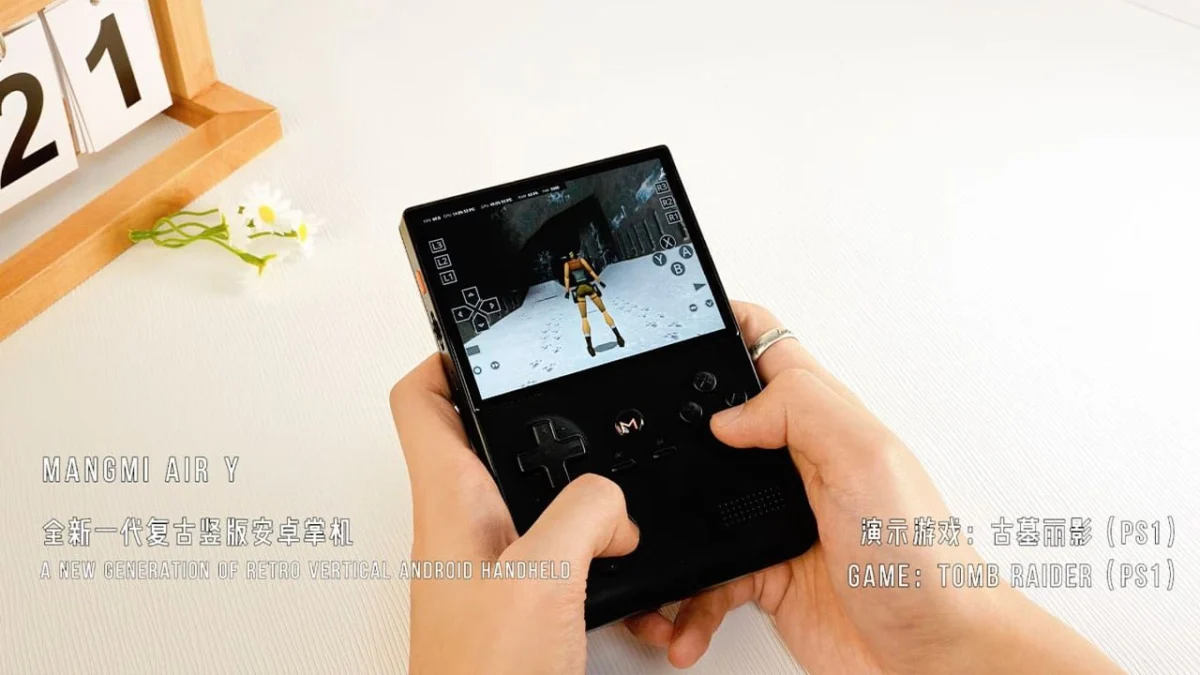
The handheld gaming landscape is constantly evolving, with manufacturers striving to deliver powerful and portable devices capable of emulating a vast library of classic consoles. Mangmi, a company that has steadily built a reputation for its innovative retro gaming hardware, is poised to make a significant impact with its upcoming Air Y model. Having previously garnered acclaim for devices like the Air X, Mangmi’s latest offering aims to redefine the vertical Android handheld experience, a segment of the market that has seen considerable interest from enthusiasts seeking a compact yet capable emulation solution. Early footage and specifications suggest the Air Y is not just an iteration but a leap forward, particularly in its ability to tackle more demanding emulated systems.
A Closer Look at the Mangmi Air Y’s Hardware and Emulation Capabilities
Mangmi has positioned the Air Y as a device that "redefines the vertical Android handled." This bold claim is supported by its internal specifications, which appear to be a significant upgrade from many existing devices in its class. The core of the Air Y’s performance lies in its processor, a Qualcomm Snapdragon 865 CPU. This is a powerful chipset that has already proven its mettle in various mobile devices and has demonstrated strong emulation capabilities in other handhelds. Notably, the Air Y shares this processor with the Pocket Max, another device known for its robust performance.
The implications of the Snapdragon 865 are substantial for emulation. This processor is well-equipped to handle demanding systems like the PlayStation 2 (PS2) and GameCube. While the initial footage released by Mangmi focuses on games from older generations such as the PlayStation 1 (PS1), Dreamcast, PSP, and Game Boy Advance (GBA), the underlying hardware suggests a much broader scope of compatibility. The company has previously showcased PS2 games running on the Air X, and with the Air Y utilizing the same core processor architecture, similar, if not superior, results can be anticipated. This opens the door for a vast library of beloved PS2 titles to be enjoyed on a portable, vertical form factor.
Visuals and User Experience: A Focus on Display and Aesthetics
Beyond raw processing power, the user experience on a handheld device is heavily influenced by its display and overall design. The Mangmi Air Y appears to excel in this regard. The device features a 4.2-inch touch display, which, based on initial impressions, offers a vibrant and crisp visual output. Mangmi’s previous product, the Air X, was praised for its display quality, and the Air Y seems poised to continue this trend. The 4.2-inch screen size is particularly well-suited for a vertical handheld, providing ample screen real estate for classic games without feeling overly cumbersome.
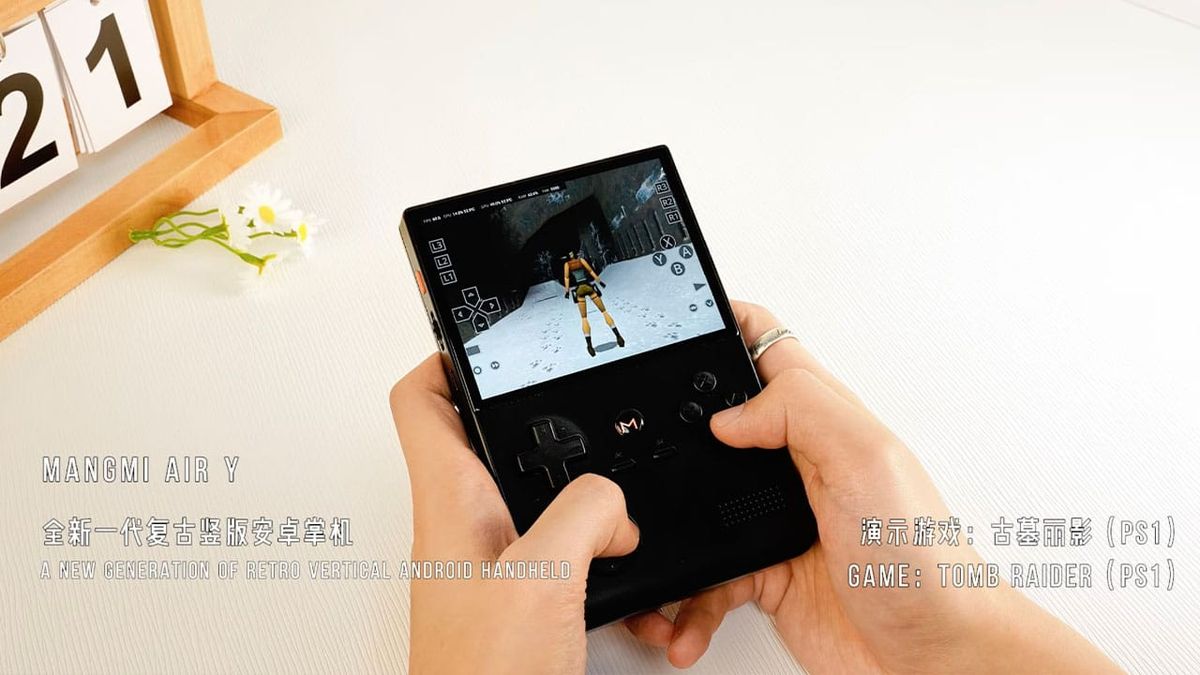
The visual fidelity of emulated games is crucial for an authentic retro gaming experience. Footage showcasing titles like Tomb Raider, Crazy Taxi, and Castlevania: Symphony of the Night running on the Air Y indicates a high level of graphical accuracy and smooth performance. The clarity and color reproduction of the display seem to bring these classic titles to life, offering a nostalgic yet visually pleasing experience. The inclusion of touch controls further enhances usability, allowing for more intuitive interaction with games that might have originally relied on touch input or menu navigation.
Chronology of Development and Anticipation
While specific launch dates and detailed development timelines are often proprietary information for manufacturers, the progression of Mangmi’s product line offers a chronological context. The company has been steadily releasing devices that push the boundaries of handheld emulation. The success and positive reception of the Mangmi Air X likely provided valuable insights and momentum for the development of the Air Y.
The announcement of the Air Y, followed by the release of gameplay footage, has generated significant anticipation within the retro gaming community. This anticipation is fueled by the prospect of a highly capable vertical handheld that can emulate a wide range of consoles. The gradual reveal of the device’s capabilities, from its processor to its display and emulation performance, has allowed enthusiasts to track its development and build excitement for its eventual release. The focus on demonstrating classics from various eras—PS1, Dreamcast, PSP, and GBA—in the initial gameplay showcases suggests a strategic approach to highlight the device’s versatility.
Emulation Performance: A Deeper Dive into Specific Consoles
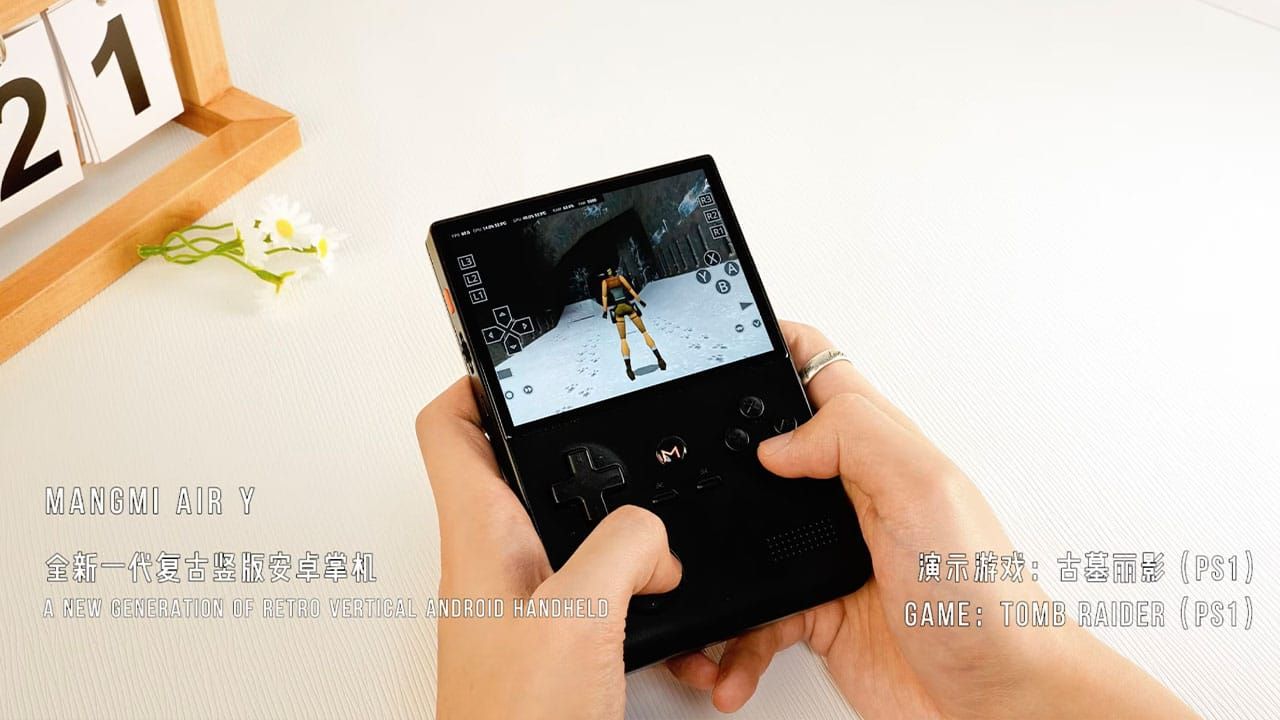
The released gameplay footage offers concrete evidence of the Air Y’s emulation prowess. The performance of PS1 and PSP titles is particularly noteworthy. Games like Tomb Raider and Castlevania: Symphony of the Night on the PS1 are known for their iconic soundtracks and detailed 3D environments, which the Air Y appears to handle with ease. The fluid frame rates and accurate rendering suggest that the Snapdragon 865 is more than capable of emulating this generation of consoles flawlessly.
PSP emulation, often a benchmark for handheld gaming devices, also looks promising. The footage demonstrating games like God of War: Ghost of Sparta highlights a smooth gameplay experience. The subtle inclusion of a thin black border to accommodate the aspect ratio difference between the PSP’s native screen and the Air Y’s display is a thoughtful design choice that minimizes visual disruption. Given that Ghost of Sparta ran well on the Air X, its strong performance on the Air Y is not entirely surprising, but it reinforces the device’s capabilities. Furthermore, the mention of the Air Y Pro model, which likely offers even more processing power, suggests the potential for even higher fidelity PSP emulation and the possibility of upscaling for an even more refined visual experience.

The ability to emulate GBA games, such as Pokémon FireRed, is another significant draw. These games are beloved by millions and are known for their accessibility and engaging gameplay. The Air Y’s display, combined with its processing power, should make for an ideal platform to revisit these classics. Similarly, Dreamcast emulation, represented by titles like Crazy Taxi, is a testament to the device’s ability to handle more complex 3D environments and gameplay mechanics from that era.
Market Positioning and Competitive Landscape
The retro handheld market is a competitive space, with numerous manufacturers vying for consumer attention. Companies like Trimui have established a strong presence with their own range of affordable and capable devices. The Mangmi Air Y appears to be positioned as a premium offering within the vertical Android handheld category, aiming to surpass existing options in terms of performance and features.
The comparison to Trimui, as hinted in the original article, suggests Mangmi’s ambition to significantly outperform its competitors. By offering a device with a powerful processor like the Snapdragon 865, Mangmi is setting a high bar for emulation performance, particularly for more demanding systems like the PS2. This focus on raw power, combined with a refined user experience and a quality display, could indeed position the Air Y as a leading contender, potentially drawing users away from other brands. The inclusion of a touch display also broadens the appeal, catering to a wider range of gaming preferences.
Broader Implications for the Retro Gaming Community
The advent of devices like the Mangmi Air Y has far-reaching implications for the retro gaming community. It democratizes access to a vast and rich history of gaming by making it more portable and accessible than ever before. For many, these devices offer a chance to relive cherished childhood memories or discover classic titles they may have missed.
The increasing power and affordability of emulation hardware mean that a significant portion of gaming history is now within reach of a broad audience. This fuels renewed interest in classic games, potentially leading to increased preservation efforts and a greater appreciation for the evolution of video game design. Moreover, the development of these devices encourages innovation within the emulation software scene, as developers strive to optimize their emulators for the latest hardware.
The availability of devices capable of running PS2 and GameCube games on a handheld form factor also raises questions about the future of retro gaming preservation. As original hardware ages and becomes more fragile, emulation provides a vital means of ensuring that these games remain playable for future generations. Companies like Mangmi, by developing powerful emulation devices, play an indirect but crucial role in this ongoing effort.
Future Outlook and Where to Find More Information
As the Mangmi Air Y approaches its release, further details regarding its pricing, availability, and specific software optimizations are eagerly awaited. Interested consumers are encouraged to visit the official Mangmi website for the most up-to-date information on their product range and upcoming releases. The company’s commitment to innovation and its track record with previous devices suggest that the Air Y will be a compelling option for retro gaming enthusiasts looking for a powerful and versatile vertical handheld. The ongoing development and potential for future software updates also hint at a device that can evolve and improve over time, further enhancing its value proposition. The retro gaming community will undoubtedly be watching the Air Y’s launch with keen interest, anticipating its performance and impact on the market.