Hartono Sudibyo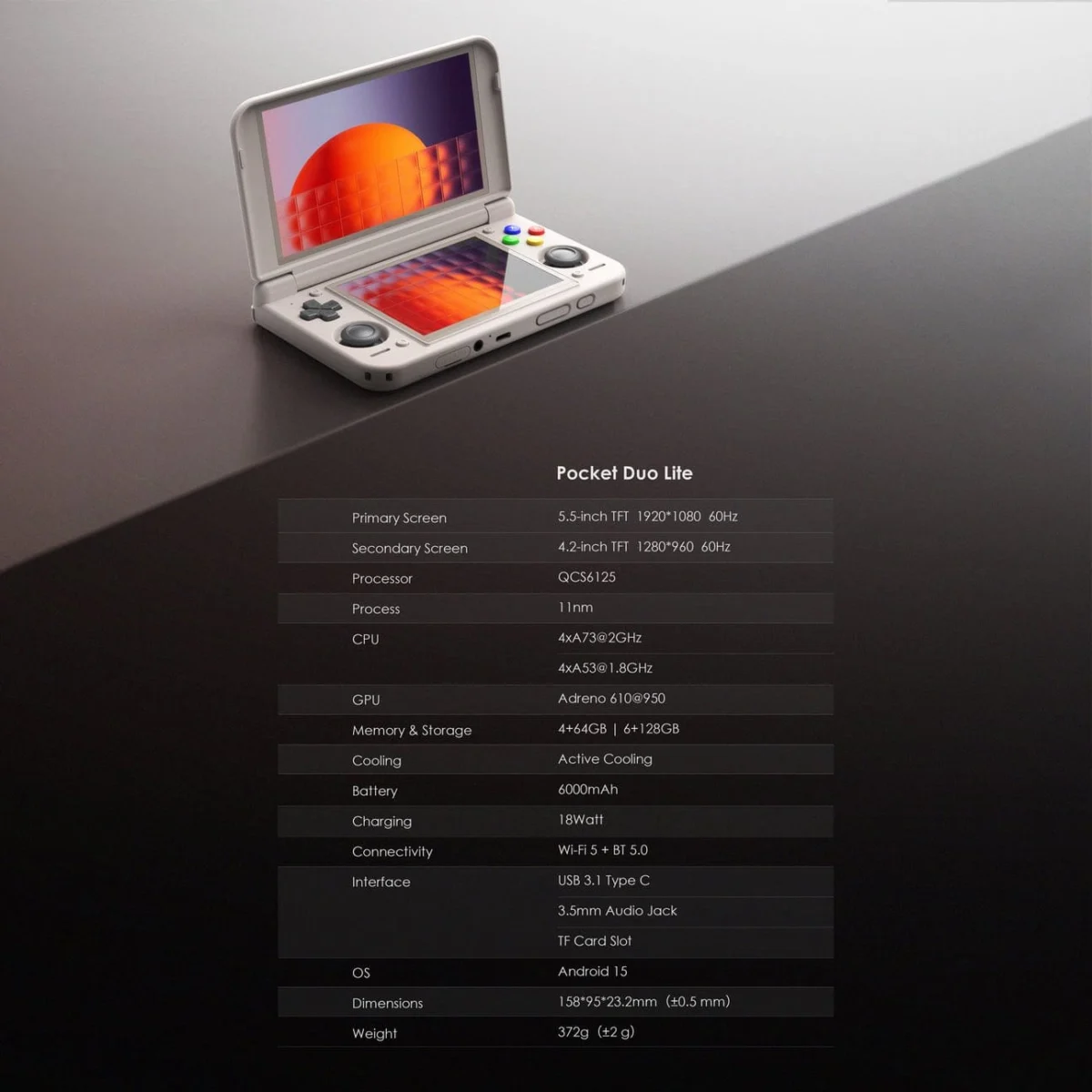
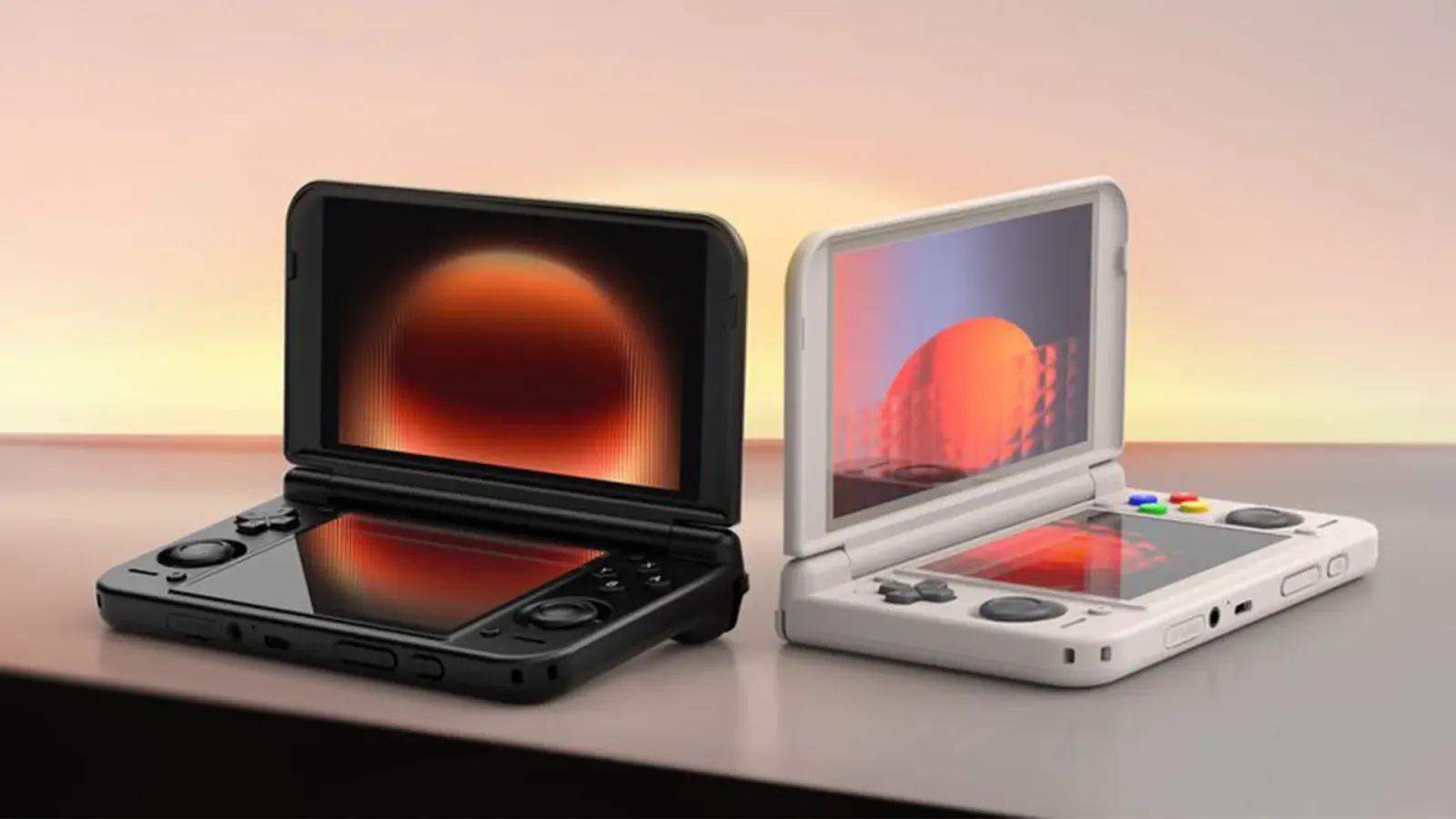
The full hardware specifications for Retroid’s highly anticipated dual-screen handheld lineup, consisting of the Retroid Pocket Duo and the Retroid Pocket Duo Lite, have officially been disclosed to the public, offering a comprehensive look at the internal components powering these upcoming devices. The leak, originating via industry tracker Retro Gaming Consoles on the social media platform X, arrives mere hours after Retroid initially published pricing details for the dual-screen duo. This rapid succession of announcements has provided the retro gaming community with a clearer picture of how Retroid intends to capture market share in the burgeoning dual-screen emulation sector.
By dividing the upcoming product line into a standard model and a more budget-conscious "Lite" variant, Retroid is adopting a tiered market strategy. This dual-pronged approach not only caters to consumers with varying budgetary constraints but also strengthens the brand’s competitive positioning alongside related hardware families, such as the AYN Thor produced by its parent company. As retro handheld enthusiasts eagerly anticipate hands-on performance evaluations, the newly released technical data sheet offers significant insight into the capabilities of both systems, particularly concerning high-end emulation for platforms like the Nintendo GameCube, Nintendo 3DS, and Sony PlayStation 2.
Chronology of the Announcement
The unfolding of information regarding the Retroid Pocket Duo series has followed a tightly compressed timeline characteristic of modern consumer electronics leaks and reveals.
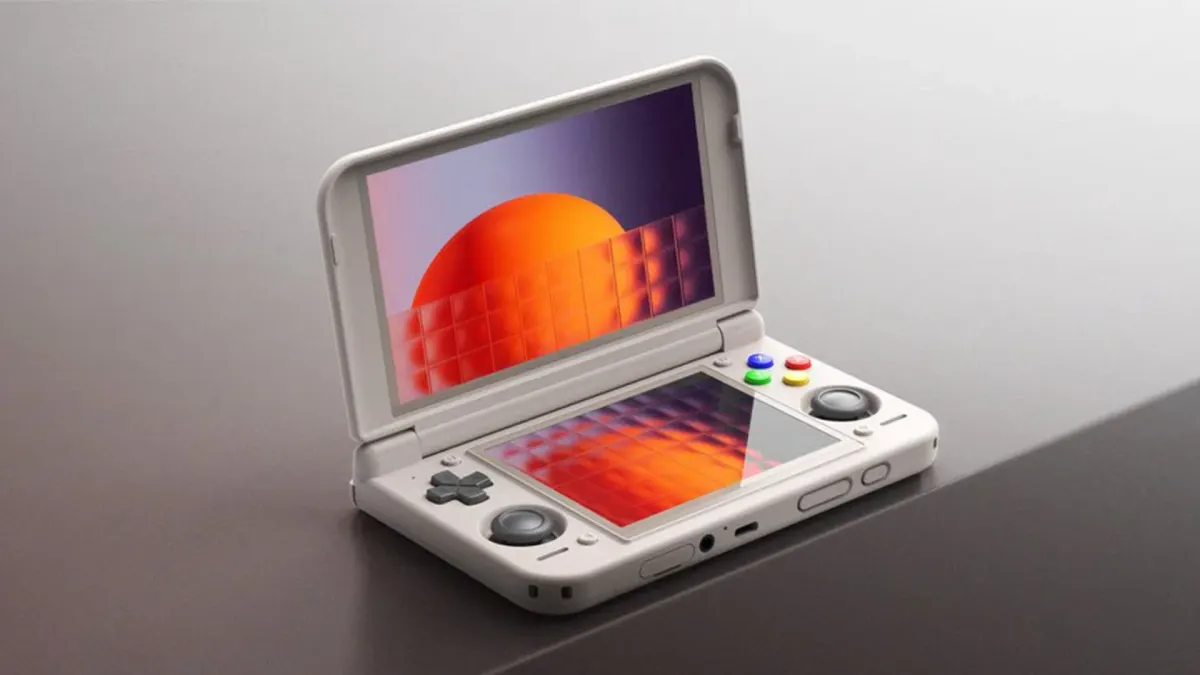
The sequence began with industry speculation regarding Retroid’s development of a multi-screen platform designed to mirror the form factor popularized by vintage Nintendo handhelds and dual-display homebrew setups. On the morning of September 10, 2026, initial details concerning the retail pricing structure of both the Retroid Pocket Duo and the Retroid Pocket Duo Lite were made public by the manufacturer, generating considerable discussion across enthusiast forums and dedicated gaming publications.
Just hours following the pricing disclosure, the complete specification sheets for both units surfaced online through industry insiders and tracking accounts on X. This rapid sequence indicates a coordinated, albeit compressed, marketing rollout by Retroid as the company prepares official pre-order windows and shipping dates. Independent reviewers and media outlets have noted that while the pricing and hardware configurations are now substantially clear, the ultimate validation of the devices will depend on physical unit testing, performance benchmarks under load, and software optimization once review samples are distributed.
Hardware Specifications and Comparative Analysis
The hardware differentiation between the standard Retroid Pocket Duo and the Duo Lite highlights Retroid’s intention to target distinct user segments within the retro emulation community.
The Retroid Pocket Duo is positioned as the flagship offering in this dual-screen ecosystem. Engineered to handle demanding sixth-generation and seventh-generation console libraries, the standard Duo is projected by hardware analysts to successfully emulate complex systems including the Sony PlayStation 2. Achieving reliable emulation for the PlayStation 2 architecture typically requires robust processing architecture, advanced graphical rendering capabilities, and sophisticated thermal management to prevent throttling during extended play sessions.

Conversely, the Retroid Pocket Duo Lite is configured as an accessible, cost-effective alternative. While omitting certain high-end hardware components and premium architectural features found in its counterpart, the Lite model is targeted at consumers seeking competent emulation of platforms such as the Nintendo GameCube and the Nintendo 3DS. Emulating the dual-screen layout of the 3DS natively on a clamshell or dual-display portable hardware configuration requires precise screen synchronization and processing overhead, making the Duo Lite an intriguing prospect for enthusiasts interested in specific library titles without paying flagship prices.
Detailed technical charts released by Retro Gaming Consoles outline the specific component pairings, memory allocations, and display metrics for both models, though comprehensive verification of thermal output and battery efficiency remains pending until physical units undergo rigorous third-party testing.
Market Context and Industry Implications
The introduction of the Retroid Pocket Duo series occurs within a rapidly evolving landscape of portable emulation hardware. Over recent years, the market has transitioned from simple single-screen devices capable of running retro 8-bit and 16-bit titles to sophisticated Android- and Linux-based handhelds capable of handling complex 3D graphics libraries from the turn of the century.
The decision to focus specifically on a dual-screen design is a calculated strategic move. By accommodating the unique requirements of dual-screen software—most notably titles developed for Nintendo’s handheld lineage—Retroid is carving out a specialized niche that standard single-screen vertical or horizontal handhelds cannot service without awkward screen scaling or overlay mapping.
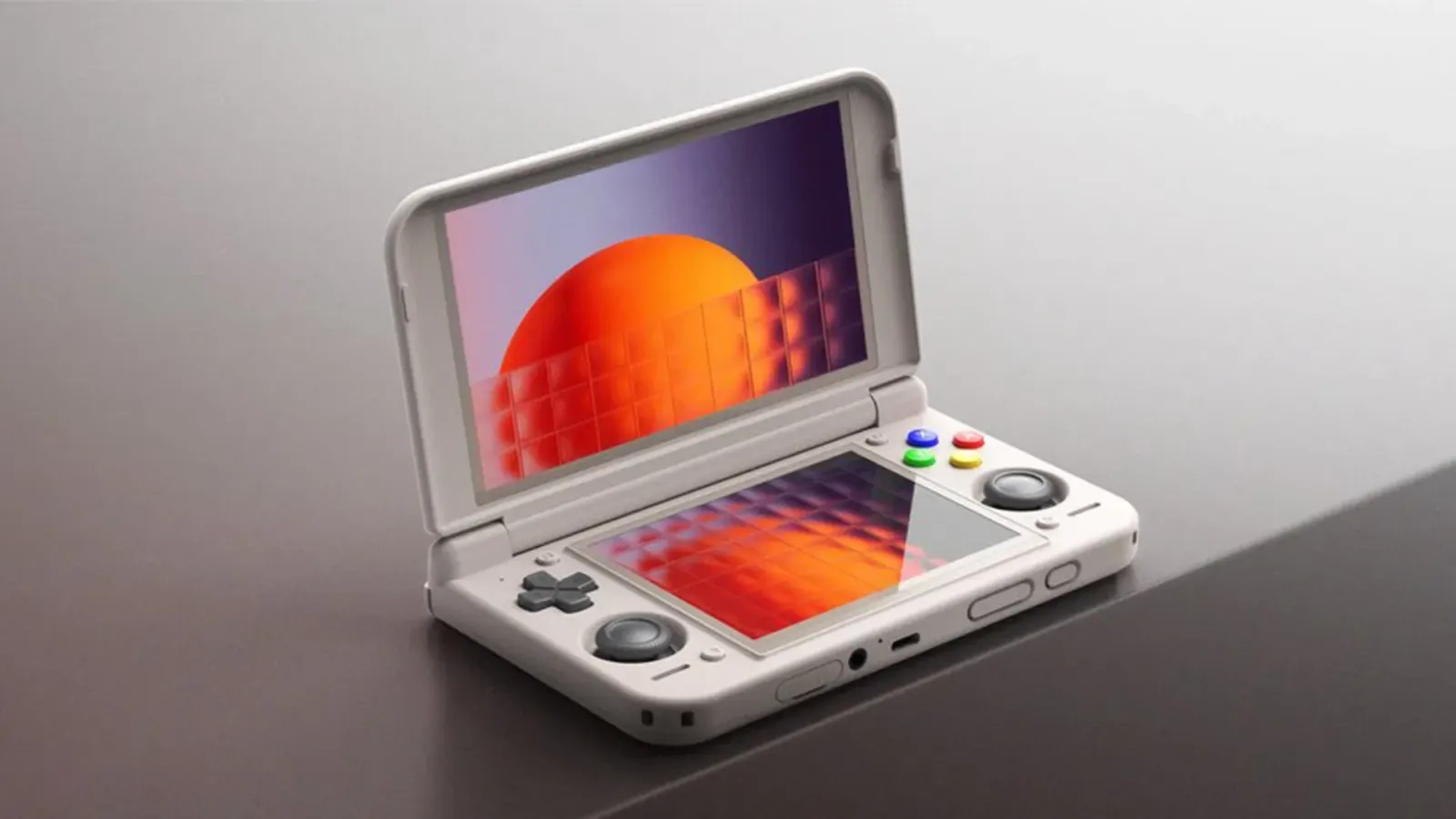
Furthermore, Retroid’s market positioning is bolstered by its corporate affiliation with AYN, another prominent name in the high-performance retro handheld space known for devices like the AYN Thor. By coordinating product lines and target price points across these related brands, the corporate entity can effectively hedge its bets against competing manufacturers while offering consumers a spectrum of devices tailored to precise emulation thresholds. This minimizes internal cannibalization of sales while maximizing total market capture among consumers looking for premium build quality and advanced emulation features.
Analyst Outlook and Consumer Reception
Initial reception within the retro gaming community has been largely positive, tempered by the standard caveat that hardware specifications on paper do not always translate to flawless software performance. Emulation of complex architectures like the PlayStation 2 and GameCube relies heavily on software maturity—specifically the optimization of emulators such as AetherSX2 variants or Dolphin—alongside hardware driver support from chipset manufacturers.
The pricing strategy revealed earlier in the day, combined with the newly published specifications, suggests that Retroid is aiming for aggressive price-to-performance ratios. If the Retroid Pocket Duo Lite can successfully deliver stable GameCube and 3DS emulation at its competitive price point, it could become a dominant entry-level recommendation for users entering the dual-screen handheld market. Meanwhile, the standard Pocket Duo will likely appeal to enthusiasts demanding uncompromising performance and superior build specifications.
As the industry moves closer to official pre-orders and consumer shipping dates, attention will turn toward independent benchmarks, battery life evaluations under intensive workloads, and the overall ergonomic comfort of the dual-screen housing. Until physical units reach reviewers and the consuming public, the Retroid Pocket Duo series remains one of the most closely watched hardware developments of the current portable gaming cycle.