Ganda Hendra Perkasa
The first update of the year for the Video Game History Hour podcast, Episode 159, heralds a significant expansion for the Video Game History Foundation with the announcement of Meera Swanson as its new Development Director. This strategic appointment signals a new phase of growth and operational enhancement for the non-profit organization dedicated to preserving and celebrating the history of video games. Alongside this major personnel news, the episode provides a comprehensive overview of the Foundation’s recent collection acquisitions and a reflective look at the podcast’s journey thus far.
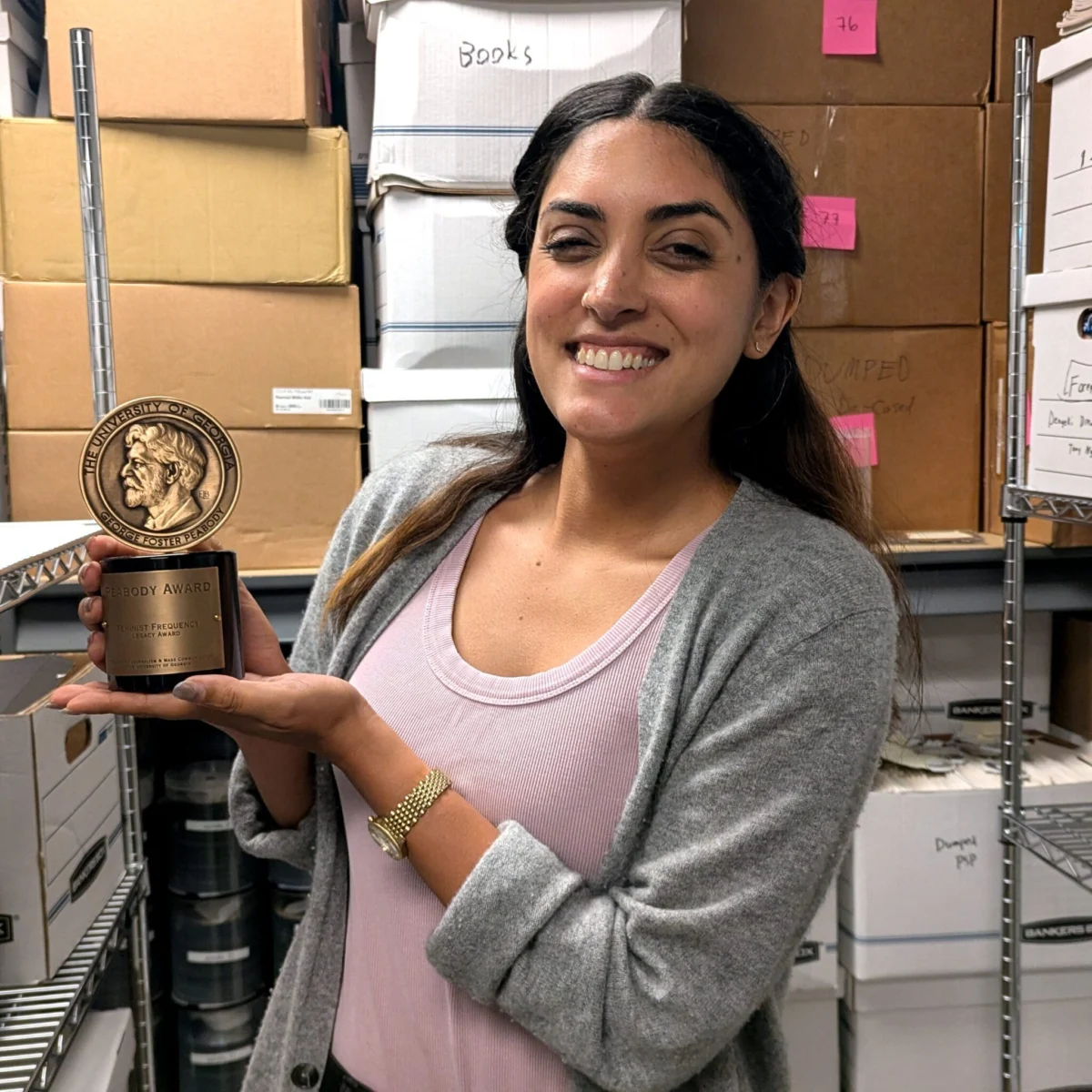
Meera Swanson Appointed Development Director, Charting a Course for Future Growth
The introduction of Meera Swanson as Development Director marks a pivotal moment for the Video Game History Foundation. This newly established department is poised to bolster the organization’s fundraising, partnership, and programmatic outreach efforts. Swanson brings a wealth of experience in non-profit management and development, with a background that will be instrumental in securing the resources necessary to further the Foundation’s mission.
In her introductory remarks on the podcast, Swanson articulated a clear vision for the Development Department’s role in the coming year. Her focus will be on building robust relationships with individual donors, corporate sponsors, and philanthropic institutions, all while ensuring the sustainability of the Foundation’s critical preservation work. "My goal is to create a framework that not only supports our current initiatives but also allows us to dream bigger and tackle more ambitious preservation projects," Swanson stated. "We are at a crucial juncture where the digital nature of many video games presents unique preservation challenges, and a strong development arm is essential to meeting those head-on."
The establishment of a dedicated Development Director role underscores the increasing demands placed upon the Video Game History Foundation. As the volume of historical video game materials grows and the understanding of their cultural significance deepens, so too does the need for structured financial and operational support. This appointment is a proactive step towards ensuring the Foundation is equipped to meet these evolving needs and to expand its impact.
A Surge in Archival Acquisitions: Preserving the Tangible and Intangible Legacies of Gaming
Episode 159 also shines a spotlight on the substantial additions to the Video Game History Foundation’s archives. Phil, a key figure in the Foundation’s archival efforts, detailed several significant new collections that have recently been cataloged and made accessible. These acquisitions represent a diverse range of artifacts, from the physical media of a bygone era to the spoken narratives of game development pioneers.
Among the most notable additions is a significant expansion of the GamePro CD collection. GamePro magazine, a prominent publication during the 1990s and early 2000s, served as a crucial touchstone for gamers, offering reviews, previews, and industry news. The addition of its CD-ROM component archives is invaluable for understanding the interactive and multimedia aspects of gaming magazines from that period, often containing shareware, demos, and multimedia content that provided a glimpse into the evolving digital landscape. The Foundation’s ongoing commitment to archiving such materials ensures that future researchers will have direct access to the primary sources that shaped the gaming zeitgeist of the CD-ROM era.
Further enriching the archives are speaker audio cassettes from the 2nd ever Computer Game Developers’ Conference. These recordings capture invaluable firsthand accounts from some of the earliest and most influential figures in the computer game industry. The Computer Game Developers’ Conference, which began in 1983, was a seminal event for fostering collaboration and knowledge sharing among developers at a time when the industry was nascent and rapidly evolving. Access to these cassette recordings provides a unique auditory window into the challenges, innovations, and nascent philosophies that guided the development of early computer games. The sonic texture of these recordings, from the cadence of the speakers to the ambient sounds of the conference, can offer researchers subtle but significant insights into the atmosphere and priorities of the time.
Adding a touch of contemporary nostalgia and a unique slice of internet culture, the Foundation has also incorporated Neopets The Official Magazine into its archives. Launched in 2000, Neopets quickly became a global phenomenon, a virtual pet website that captivated millions of players. The existence of an official magazine signifies the game’s immense popularity and its transition from an online experience to a broader cultural touchstone. Archiving this magazine provides a tangible record of how a groundbreaking online phenomenon was marketed, discussed, and integrated into the lives of its young audience, offering insights into early digital communities and the business models that supported them.
These recent acquisitions underscore the Video Game History Foundation’s multifaceted approach to preservation. It recognizes that history is not solely contained within code or digital files but is also embedded in the physical artifacts, promotional materials, and spoken testimonies that accompany the creation and consumption of video games. The meticulous cataloging and preservation of such diverse materials are crucial for providing a comprehensive and nuanced understanding of video game history.
Podcast Reflections: Connecting with the Audience and Charting Future Content
Robin, a key voice on the Video Game History Hour, offered a reflective overview of the podcast’s performance and audience engagement during the first part of the year. The podcast, which airs bi-weekly, has become a vital platform for disseminating the Foundation’s work and engaging with the wider gaming community.
Robin highlighted specific episodes and themes that have resonated most strongly with listeners. This feedback is invaluable for shaping future content and ensuring that the podcast remains relevant and engaging. The analysis of listener engagement often points to a deep appreciation for personal narratives from game developers, deep dives into specific consoles or game genres, and explorations of the cultural impact of gaming. The ability to connect historical artifacts with compelling human stories is clearly a winning formula.
"It’s always incredibly rewarding to see which stories and interviews connect with our audience," Robin shared. "This year, we’ve seen a particular interest in the human element behind game development – the challenges, the triumphs, and the sheer passion that drives creation. We’re committed to continuing to bring these voices and stories to the forefront."
The podcast’s availability across multiple platforms, including Patreon, Spotify, and the Foundation’s website, ensures broad accessibility. Early access on Patreon at the $5 tier and above offers a tangible benefit for dedicated supporters, reinforcing the symbiotic relationship between the Foundation and its patrons. This tiered access model, common in the non-profit and independent media space, allows for direct financial support while fostering a sense of community among the most engaged followers.
The Broader Significance of the Video Game History Foundation’s Work
The announcements made in Episode 159 of the Video Game History Hour are indicative of a growing awareness of video game history as a legitimate and vital field of study and cultural preservation. The Video Game History Foundation, through its archival efforts and public outreach via the podcast, plays a crucial role in this emerging landscape.
Supporting Data and Context:
- Volume of Games: The sheer volume of video games produced since the inception of the medium makes comprehensive preservation a monumental task. It is estimated that hundreds of thousands of unique video game titles have been released across all platforms globally. The Foundation’s work in acquiring and preserving physical media like magazines and audio cassettes complements digital preservation efforts, which face challenges like format obsolescence and data degradation.
- Cultural Impact: Video games are no longer a niche hobby but a dominant form of entertainment, influencing art, music, film, and social interaction. The global video game market is projected to reach over $200 billion in annual revenue by 2023, demonstrating its significant economic and cultural footprint. Preserving the history of this industry is essential for understanding its evolution and its impact on society.
- Archival Challenges: The digital nature of modern games presents unique preservation hurdles. Unlike physical media that can be stored and maintained, digital games often rely on specific hardware, software, and online infrastructure that can become obsolete. The Video Game History Foundation’s work in documenting and preserving the context surrounding these games, including magazines, developer notes, and conference recordings, provides a crucial layer of historical understanding that transcends the game’s playable state.
Timeline of Key Developments:
- 1970s-1980s: The nascent years of the video game industry, characterized by arcade games and early home consoles. Events like the first Computer Game Developers’ Conference (1983) mark early efforts at industry cohesion.
- 1990s: The rise of CD-ROM technology, the proliferation of gaming magazines like GamePro, and the emergence of massively popular online games like Neopets (launched 2000).
- 2000s-Present: The digital revolution, the dominance of online gaming, and increasing recognition of the need for formal video game preservation. The establishment and growth of organizations like the Video Game History Foundation.
- 2023/2024 (Current Period): The ongoing expansion of the Video Game History Foundation’s archives, the strategic appointment of a Development Director, and continued engagement with its audience through the Video Game History Hour podcast.
Analysis of Implications:
The appointment of Meera Swanson as Development Director is a strategic move that signifies the Video Game History Foundation’s maturation as an institution. A dedicated development department is crucial for securing the long-term financial health and operational capacity of any non-profit. This will enable the Foundation to:
- Expand Preservation Efforts: With increased funding, the Foundation can acquire rarer artifacts, digitize more at-risk materials, and potentially establish dedicated preservation facilities.
- Enhance Research and Accessibility: Development funds can support the cataloging, research, and public access initiatives, making the archives more usable for scholars, developers, and the general public.
- Develop Educational Programs: A stronger financial footing can lead to the creation of educational resources, workshops, and exhibitions that further the understanding of video game history.
The continued growth of the Foundation’s collections, as evidenced by the new acquisitions highlighted in the podcast, demonstrates a commitment to preserving the tangible and intangible elements of gaming history. The inclusion of materials like the GamePro CD collection and the Neopets magazine underscores the importance of documenting not just the games themselves, but also the cultural context, media, and communities that surrounded them.
The Video Game History Hour podcast serves as a vital conduit, bridging the gap between the Foundation’s archival work and its audience. By reflecting on listener engagement, the Foundation can tailor its content to meet the evolving interests of the gaming community, fostering greater support and participation.
In conclusion, the recent update from the Video Game History Hour paints a picture of a dynamic and growing organization. With new leadership in development, a continually expanding archive of invaluable historical materials, and a well-received podcast that engages its audience, the Video Game History Foundation is solidifying its position as a critical guardian of video game history. Their work is not merely about collecting old cartridges or magazines; it is about preserving a significant and evolving aspect of human culture, ensuring that the stories, innovations, and impact of video games are understood and appreciated for generations to come.
Contact Information:
For inquiries or to support the Video Game History Foundation:
- Email: [email protected]
- Website: gamehistory.org
- Patreon: patreon.com/gamehistoryorg