Cecilia Chamidah Nur
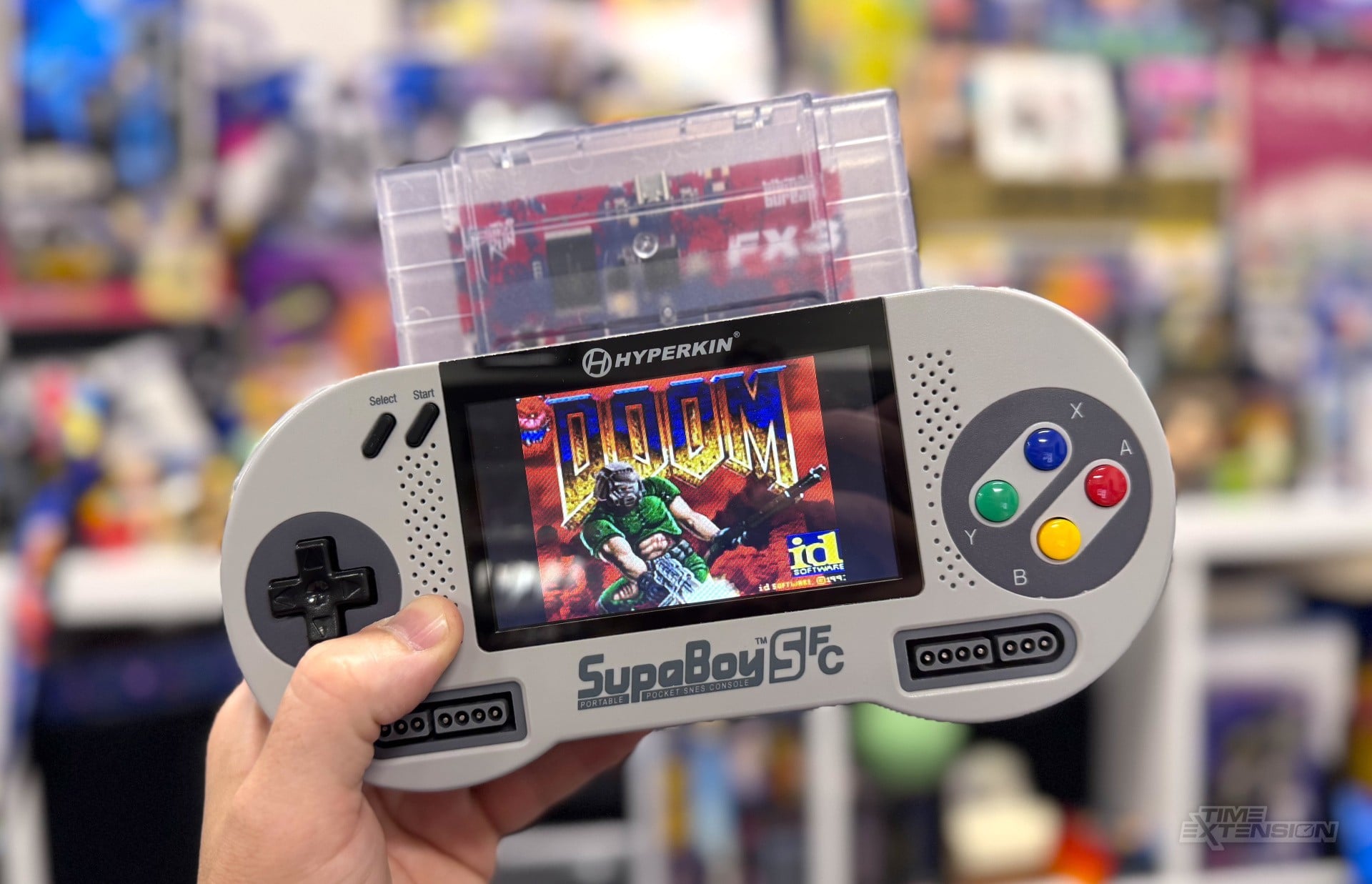
Hyperkin, a prominent player in the retro gaming hardware market, has officially announced the impending re-release of its popular SupaBoy portable Super Nintendo Entertainment System (SNES) clone. Slated for launch this fall, the updated handheld will arrive in two distinct aesthetic variations: ‘Crimson’ and ‘Prime,’ both encased in a transparent plastic shell, appealing to both long-time enthusiasts and a new generation of retro gamers. This move underscores Hyperkin’s continued commitment to serving the robust and growing market for classic gaming experiences on modern, portable platforms.
The Enduring Appeal of the Super Nintendo Entertainment System
The Super Nintendo Entertainment System, or SNES, launched in North America in 1991, holds an indelible place in video game history. As the successor to the wildly successful NES, it quickly established itself as a technological marvel of its era, boasting advanced graphics capabilities, superior sound, and a library of games that pushed the boundaries of interactive entertainment. Titles like The Legend of Zelda: A Link to the Past, Super Metroid, Chrono Trigger, Super Mario World, and Final Fantasy VI are not merely games but cultural touchstones, frequently cited on "greatest games of all time" lists. Their intricate gameplay mechanics, memorable characters, and innovative design continue to resonate with players decades later.
The SNES era represented a golden age for many gamers, characterized by fierce competition with Sega’s Genesis and a rapid evolution of game design. The console sold nearly 50 million units worldwide, leaving an enduring legacy that fuels a significant portion of the modern retro gaming market. This deep-seated nostalgia, combined with the timeless quality of its software library, creates a persistent demand for hardware that can faithfully replicate the SNES experience, whether through original hardware, official re-releases, or third-party clones and emulators. Hyperkin’s SupaBoy line directly taps into this demand, offering a convenient, portable solution for reliving these cherished memories.
Hyperkin’s Legacy in Retro Hardware Development
Hyperkin has carved out a unique niche in the gaming industry by specializing in peripherals and consoles that bridge the gap between classic gaming and contemporary convenience. Established in 2009, the Los Angeles-based company quickly gained recognition for its range of retro-focused products, from replacement controllers and cables for vintage systems to multi-console devices like the RetroN series. Their philosophy centers on making classic games accessible to a broader audience without requiring original, often expensive and delicate, vintage hardware.
The company’s journey has been marked by both innovation and the inherent challenges of developing hardware for an enthusiast market. They have consistently experimented with different approaches, including software emulation, hardware-on-a-chip solutions, and even FPGA (Field-Programmable Gate Array) technology in some of their more premium offerings. This iterative development process is evident in the SupaBoy line, which has seen several revisions since its inception. Hyperkin’s commitment to the retro market, despite occasional production delays or technical hurdles, positions them as a significant facilitator of gaming preservation and nostalgia.
A SupaBoy Timeline: Evolution of a Portable Classic
The SupaBoy’s history is a testament to Hyperkin’s ongoing effort to perfect a portable SNES experience. The concept of a handheld device capable of playing original SNES cartridges directly on the go was revolutionary at its initial announcement.
-
Original SupaBoy (Announced 2011, Released 2012): The first iteration made waves for its audacious premise. It allowed users to insert their physical SNES and Super Famicom cartridges into a handheld unit, complete with a built-in screen and controls. While groundbreaking, early reviews noted areas for improvement, particularly regarding screen quality and battery life. It was a proof of concept that demonstrated the viability and demand for such a device.
-
SupaBoy S (Released 2016): Responding to user feedback, Hyperkin released the SupaBoy S. This revision aimed to address some of the original model’s shortcomings, notably offering an improved screen with a slightly larger display and enhanced color reproduction. It also introduced a switch for aspect ratio adjustment (4:3 or 16:9), catering to different preferences, and improved battery performance. The "S" model refined the initial vision, making it a more compelling product for dedicated retro fans.
-
SupaBoy SFC (Released 2018): The most recent predecessor to the newly announced models, the SupaBoy SFC, continued the trend of refinement. This version often featured further tweaks to the screen and internal components, though the core "system on a chip" (SoC) architecture remained consistent. The primary design difference of the SFC model often revolved around aesthetic choices, sometimes incorporating design elements more reminiscent of the Japanese Super Famicom console. Despite these improvements, some reviews, including those from industry outlets, continued to highlight the display as an area that could benefit from further enhancement, often described as "pretty fuzzy" compared to modern handheld displays.
The upcoming ‘Crimson’ and ‘Prime’ models represent the fourth major iteration of the SupaBoy, suggesting that Hyperkin has gathered further insights and potentially implemented additional refinements based on user experience and technological advancements over the past six years since the SFC model. The transparency of the casing for both new designs is a notable aesthetic departure, evoking a retro-futuristic vibe popular in the late 90s and early 2000s, often seen in devices like the Game Boy Color or Nintendo 64.
Technical Considerations: SoC vs. FPGA Emulation
At the heart of any retro gaming hardware lies the method by which classic games are brought to life. Hyperkin’s SupaBoy line, including these new re-releases, operates on a "system on a chip" (SoC) approach. This method involves a modern integrated circuit designed to mimic the behavior of the original SNES hardware through software emulation running on a dedicated chip.
-
System on a Chip (SoC) Emulation: This is a cost-effective and common method for creating retro gaming devices. An SoC contains all the necessary components—CPU, GPU, memory, and often a software-based emulator—on a single chip. While highly versatile and relatively inexpensive to produce, the accuracy of SoC emulation can vary. Software emulation, by its nature, is an interpretation of the original hardware’s behavior. This can sometimes lead to minor inaccuracies in timing, sound, or visual presentation, which discerning purists might notice. The "fuzzy" display issue noted in previous SupaBoy models could stem from the scaling algorithms used by the SoC to adapt the SNES’s native resolution to the handheld’s display, or from limitations in the display panel itself.
-
FPGA (Field-Programmable Gate Array) Solutions: In contrast, FPGA-based retro consoles, such as those produced by Analogue, aim for a much higher level of hardware accuracy. FPGAs are reconfigurable integrated circuits that can be programmed to behave like the original SNES hardware at a transistor level. This "hardware recreation" method offers near-perfect accuracy in terms of timing, video output, and audio fidelity, often indistinguishable from original hardware for the vast majority of users. However, FPGA solutions are significantly more complex and expensive to develop and manufacture, typically resulting in higher retail prices for consumers.
Hyperkin’s continued use of the SoC approach for the SupaBoy suggests a strategic decision to balance cost, production volume, and accessibility. While not achieving FPGA levels of accuracy, SoC-based devices are generally more affordable, making them attractive to a broader market segment that prioritizes portability and convenience over absolute hardware fidelity. The challenge for Hyperkin with these new models will be to optimize the SoC and display integration to minimize previous visual artifacts and deliver a more polished experience within this cost-effective framework.
Design Philosophy: ‘Crimson’ and ‘Prime’ Aesthetics
The introduction of the ‘Crimson’ and ‘Prime’ designs is a deliberate nod to the rich aesthetic history of Nintendo’s 16-bit era, tapping into the powerful currents of nostalgia that drive the retro gaming market.
-
‘Crimson’ Design: This variant is explicitly stated to evoke memories of the Famicom’s iconic color scheme. The Famicom, Nintendo’s Japanese predecessor to the NES, was famous for its distinctive red and white plastic casing, often accented with gold. This design choice speaks directly to fans of Japanese retro gaming culture, a significant and passionate segment of the global retro community. It represents a connection to the roots of Nintendo’s success and offers a vibrant, eye-catching alternative to more subdued color palettes.
-
‘Prime’ Design: The ‘Prime’ model, conversely, draws inspiration from the PAL (European/Australian) and Japanese SNES button colors. While the North American SNES featured purple accent buttons (two dark, two light), the PAL and Japanese Super Famicom consoles utilized a multi-colored button scheme, typically incorporating red, yellow, green, and blue. This vibrant palette is highly recognizable and cherished by fans of those regions, and often preferred by collectors globally for its more playful and classic appearance. The ‘Prime’ design likely replicates this beloved button aesthetic, pairing it with the transparent casing for a modern yet nostalgic look.
The overarching decision to clad both designs in transparent plastic casing is another strategic aesthetic choice. Transparent electronics enjoyed a significant trend in the late 1990s and early 2000s, popularized by devices like the translucent Game Boy Color, Nintendo 64 controllers, and various consumer electronics that proudly displayed their internal workings. This design choice allows users a glimpse into the device’s circuitry, creating a sense of mechanical fascination and a tangible connection to the hardware itself. It also aligns with a modern retro aesthetic, where visible components are often seen as a mark of authenticity or a celebration of engineering. This blend of historical color schemes with a popular retro-futuristic casing material aims to deliver a product that is both familiar and fresh.
Market Dynamics and Competitive Landscape
The retro gaming hardware market is experiencing a significant boom, driven by generational nostalgia, the rising cost and fragility of original hardware, and a desire for convenient ways to play classic titles. This market is highly diverse, encompassing a wide range of products from high-end FPGA consoles to budget-friendly emulation handhelds.
Hyperkin’s SupaBoy occupies a unique space within this landscape. It differentiates itself from general-purpose emulation handhelds (like those from Anbernic, Miyoo Mini, or Powkiddy) by focusing specifically on the SNES and utilizing physical cartridges. This appeals to purists who prefer the tactile experience of inserting a cart, as well as collectors who own extensive libraries of original games.
The competitive landscape includes:

- High-End FPGA Devices: Companies like Analogue produce premium consoles (e.g., Analogue Pocket, Super Nt) that offer unparalleled accuracy through FPGA technology. These devices typically come at a higher price point but cater to a segment of the market that demands perfection.
- Multi-System Emulation Handhelds: Numerous Chinese manufacturers offer portable devices capable of emulating dozens of systems, often at very affordable prices. These devices are popular for their versatility but typically rely on software emulation, with varying degrees of quality and accuracy.
- Official Mini Consoles: Nintendo itself has released the SNES Classic Mini, a compact, pre-loaded console offering official emulation. While popular, these are limited in their game selection and lack portability.
- DIY Solutions: Raspberry Pi-based setups and custom firmware on existing handhelds also represent a significant portion of the market, catering to users with technical know-how.
The SupaBoy’s re-release positions Hyperkin to capitalize on the sustained demand for a dedicated, physical-cartridge-playing portable SNES. By offering new aesthetics, Hyperkin aims to refresh its product line and attract new buyers, potentially expanding its market share in the face of diverse competition. The transparent designs might also appeal to a younger demographic less familiar with the original SNES but drawn to retro aesthetics.
Anticipation and User Expectations
The announcement of the new SupaBoy models has undoubtedly generated interest within the retro gaming community. Key areas where users will be scrutinizing the new versions include:
- Display Quality: The most consistent criticism of previous SupaBoy models was the "fuzzy" or sub-optimal display. With advancements in LCD technology over the past six years, there is a strong expectation that Hyperkin will have upgraded the screen to offer sharper images, better color accuracy, and improved viewing angles. A crisp display is paramount for faithfully rendering the pixel art of SNES games.
- Battery Life: Portability is a core feature, and extended battery life is crucial for long gaming sessions on the go. Improvements in power efficiency and battery capacity will be highly welcomed.
- Build Quality and Ergonomics: The tactile experience of a handheld device is vital. Users will be looking for robust construction, comfortable button layouts, and responsive D-pads and action buttons. Any enhancements to the plastic quality or button mechanisms will be noted.
- Audio Output: High-quality audio, whether through the built-in speakers or a headphone jack, is essential for experiencing the SNES’s renowned soundtracks and sound effects.
While Hyperkin has not yet detailed specific technical improvements over the 2018 model, the market’s evolution and user feedback strongly suggest that such enhancements would be a significant selling point. The decision to re-release the device implies confidence in addressing previous limitations or at least offering a compelling aesthetic update.
Hyperkin’s Broader Product Strategy: Delays and Future Prospects
The re-release of the SupaBoy ‘Crimson’ and ‘Prime’ models comes amidst other significant developments in Hyperkin’s product pipeline, illustrating the complexities of hardware development and market demands.
-
Mega 95 Delay: Hyperkin recently faced the challenge of delaying the release of its portable Genesis clone, the Mega 95. In an official statement, the company expressed regret, noting, "We were hoping to have a better update than this," acknowledging the frustration of consumers awaiting the device. Hardware development often encounters unforeseen obstacles, from supply chain disruptions and component shortages to manufacturing challenges and rigorous quality control requirements. These delays are not uncommon in the electronics industry but highlight the difficulty in bringing new products to market, especially in a specialized niche.
-
Potential N64 Handheld: Looking further ahead, Hyperkin has also hinted at the possibility of developing a handheld Nintendo 64 (N64) console. They have stated that such a project "could potentially be on the way, but it won’t be anytime soon." This ambition underscores Hyperkin’s long-term vision to tackle more technically demanding retro systems. Emulating the N64 accurately in a portable form factor presents significant challenges due to its unique architecture, 3D graphics, and the complexities of its controller. A successful N64 handheld would be a major achievement, requiring substantial investment in R&D and overcoming considerable technical hurdles related to performance, battery life, and display.
The simultaneous activity around the SupaBoy, Mega 95, and potential N64 handheld suggests a multi-pronged strategy by Hyperkin to dominate various segments of the portable retro gaming market. The SupaBoy re-release might be a more straightforward product update compared to the entirely new Mega 95 or the highly ambitious N64 project, allowing Hyperkin to maintain market presence and generate revenue while navigating the development of more complex devices.
Implications for the Retro Gaming Community
The re-release of the SupaBoy has several positive implications for the retro gaming community:
- Enhanced Accessibility: For new collectors or those without original SNES hardware, the SupaBoy offers an accessible entry point into playing physical cartridges without the need for a CRT television or complex adapter setups. Its portability further enhances this accessibility, allowing classic games to be enjoyed anywhere.
- Preservation of Physical Media: In an increasingly digital world, devices like the SupaBoy champion the continued use of physical game cartridges. This supports the preservation of gaming history in its original form and caters to collectors who value physical media.
- Nostalgia Market Reinforcement: The continued success and evolution of products like the SupaBoy demonstrate the enduring power of nostalgia in consumer electronics. It validates the commercial viability of catering to players who grew up with these systems, as well as attracting younger gamers interested in classic titles.
- Choice and Diversity: By adding new aesthetic options and potentially technical refinements, Hyperkin contributes to the diversity of choice available to consumers, allowing them to select a device that best fits their preferences for design, functionality, and price point.
In conclusion, Hyperkin’s re-release of the SupaBoy portable SNES in ‘Crimson’ and ‘Prime’ designs is a strategic move to reinvigorate one of its flagship products. By blending nostalgic aesthetics with the promise of modern enhancements, Hyperkin aims to solidify its position in the competitive retro gaming market. While the specific technical upgrades remain to be fully detailed, the company’s track record and the evolving demands of the retro community suggest a renewed effort to deliver a compelling, cartridge-playing portable SNES experience this fall, further fueling the vibrant world of classic gaming.