Hartono Sudibyo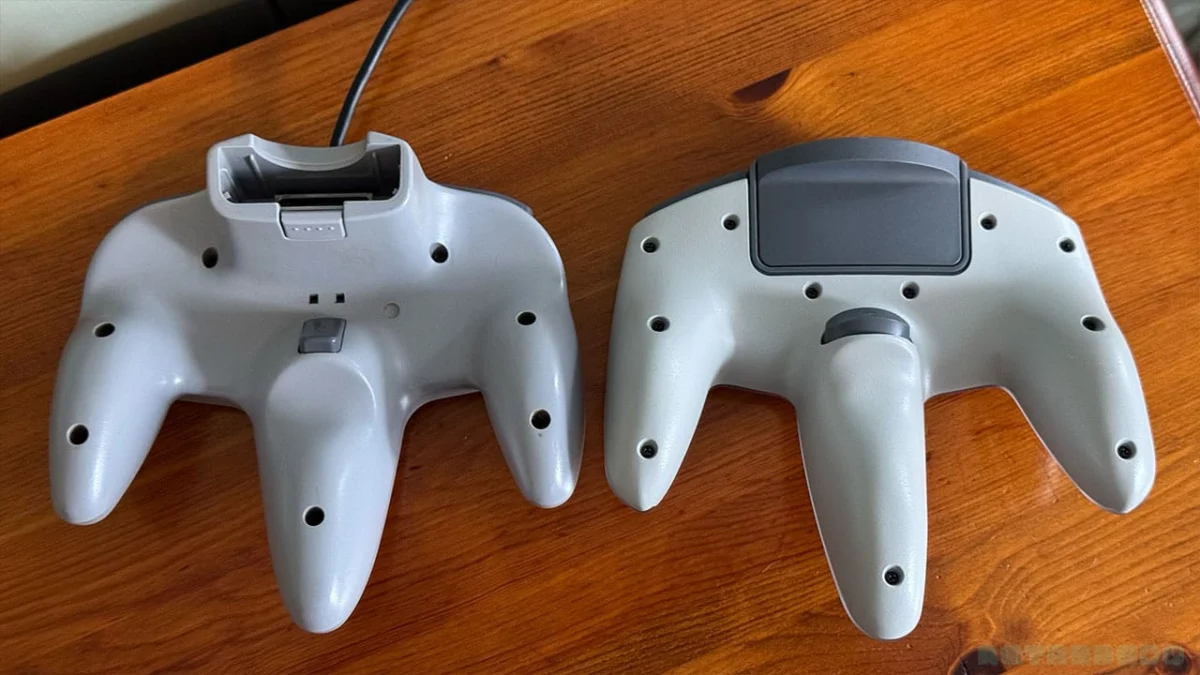
The enduring appeal of retro gaming hardware continues to fuel innovation, with manufacturers striving to bridge the gap between cherished childhood memories and modern gaming expectations. ModRetro, a company known for its commitment to revitalizing classic gaming experiences, has entered this arena with its M64 controller, a device designed to evoke the tactile sensations of the Nintendo 64’s iconic gamepad while incorporating contemporary upgrades. This review delves into the M64 controller’s design, functionality, and its place within the evolving landscape of retro-inspired peripherals.
A Legacy Reimagined: The N64 Controller’s Enduring Influence
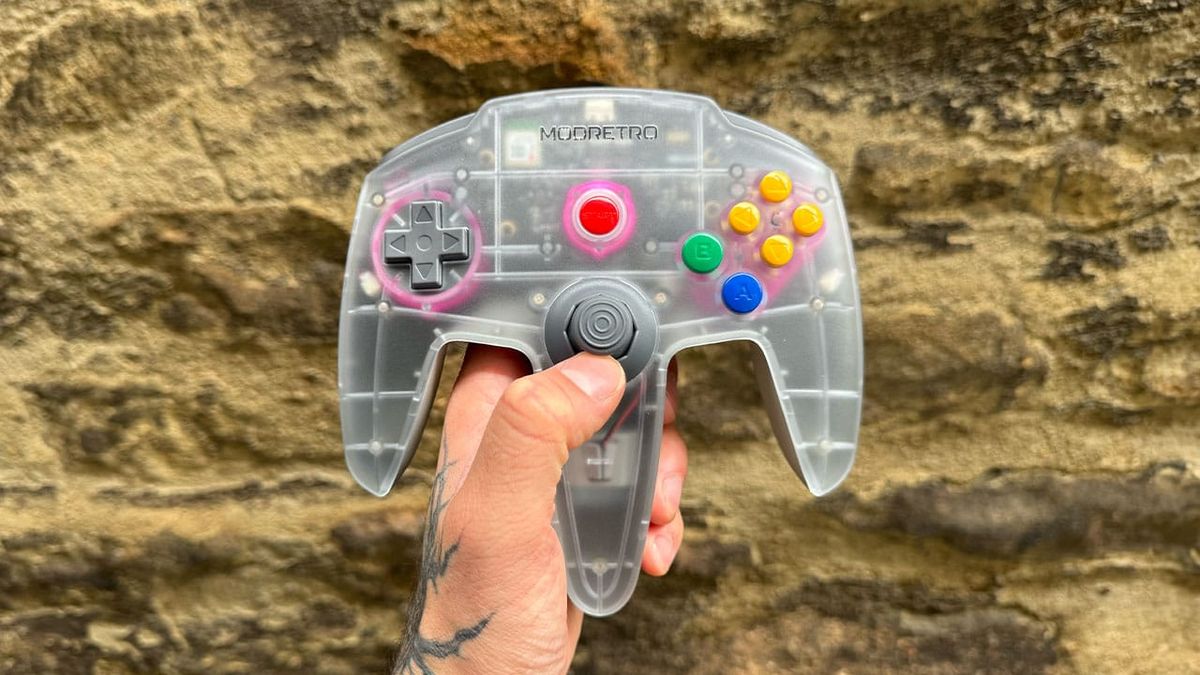
The Nintendo 64, launched in 1996, was a pivotal console in the transition to 3D gaming. Its unique "trident" controller, while initially polarizing, became synonymous with groundbreaking titles like Super Mario 64, The Legend of Zelda: Ocarina of Time, and GoldenEye 007. For many, the controller’s distinctive grip and analog stick formed an indelible part of their gaming identity, etched into their muscle memory. The ModRetro M64 controller aims to tap directly into this deep-seated nostalgia, offering an experience that feels both familiar and remarkably improved.
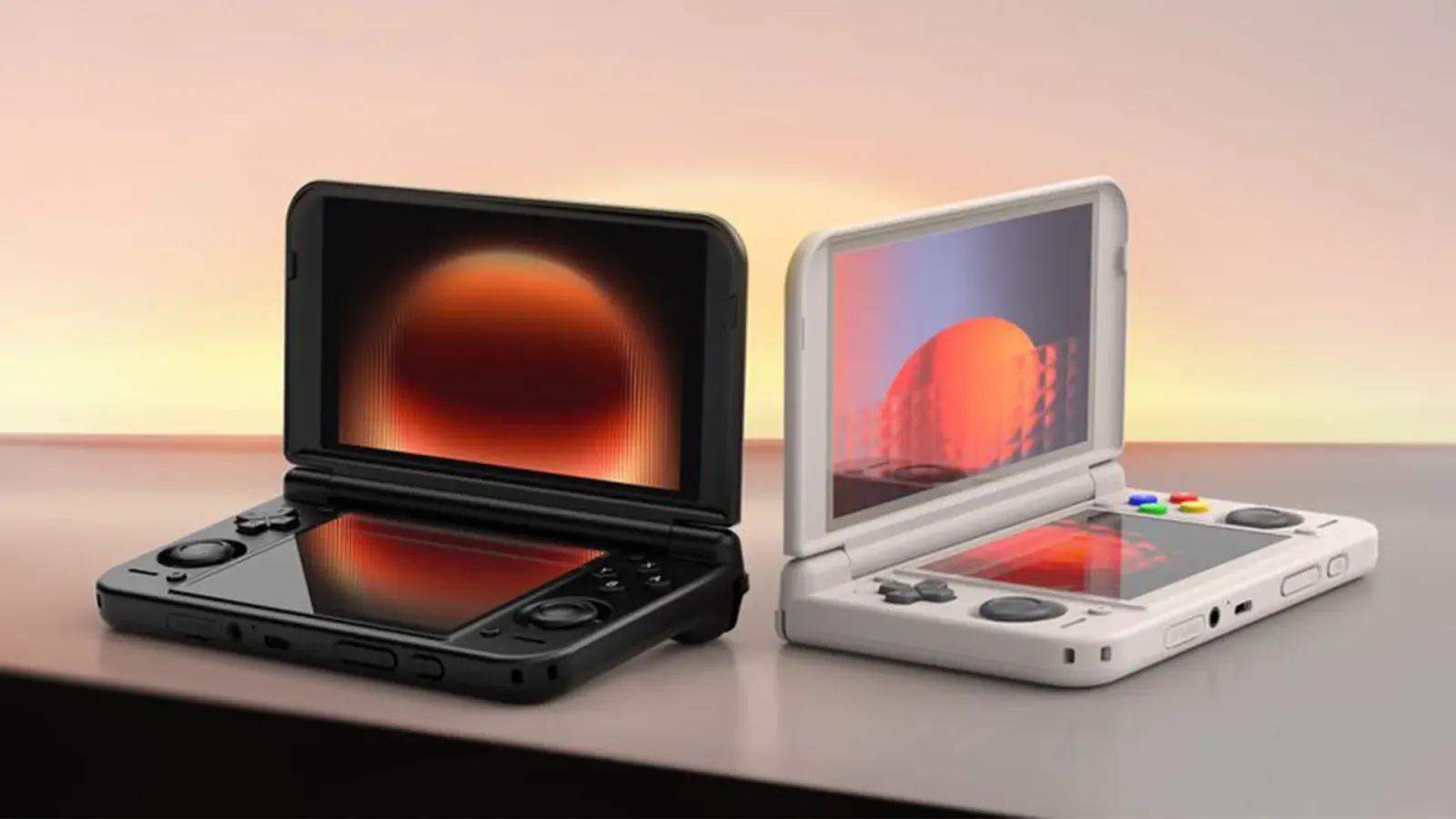
ModRetro’s previous offering, the ModRetro Chromatic, was lauded as a "Game Boy to end all Game Boys," presenting a perfected iteration of Nintendo’s handheld classic. This philosophy of enhancing and elevating beloved retro hardware appears to be the driving force behind the M64 controller. The company’s approach suggests a profound understanding of what made the original N64 controller so memorable, while also acknowledging its inherent limitations.
Design and Ergonomics: Familiarity Meets Refinement
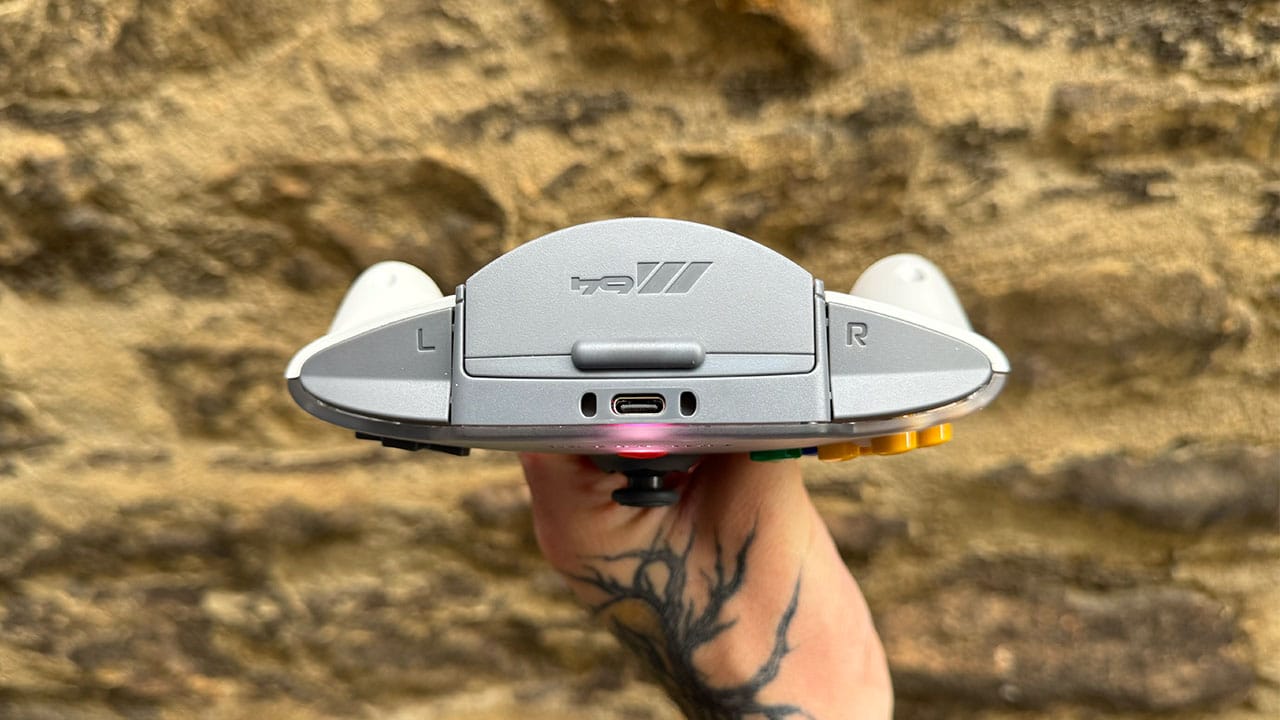
At first glance, the M64 controller retains the unmistakable silhouette of its N64 predecessor. This adherence to the original trident shape is a deliberate choice, signaling ModRetro’s dedication to authenticity. However, closer inspection reveals a host of subtle yet significant enhancements. The inclusion of an aluminum backplate immediately lends the controller a premium feel, adding a satisfying heft that distinguishes it from the original’s lighter plastic construction. This added weight contributes to a more balanced and grounded experience, particularly during intense gaming sessions.
ModRetro claims the aluminum backing enhances grip, a crucial factor for extended play. While subjective, the material certainly feels robust and provides a reassuring solidity. The controller weighs approximately 30 grams more than an Xbox Pro Controller, positioning it as a substantial yet manageable peripheral. This thoughtful integration of premium materials addresses common criticisms of the original N64 controller, which, while comfortable for many, could sometimes feel less durable or substantial compared to contemporary gamepads.
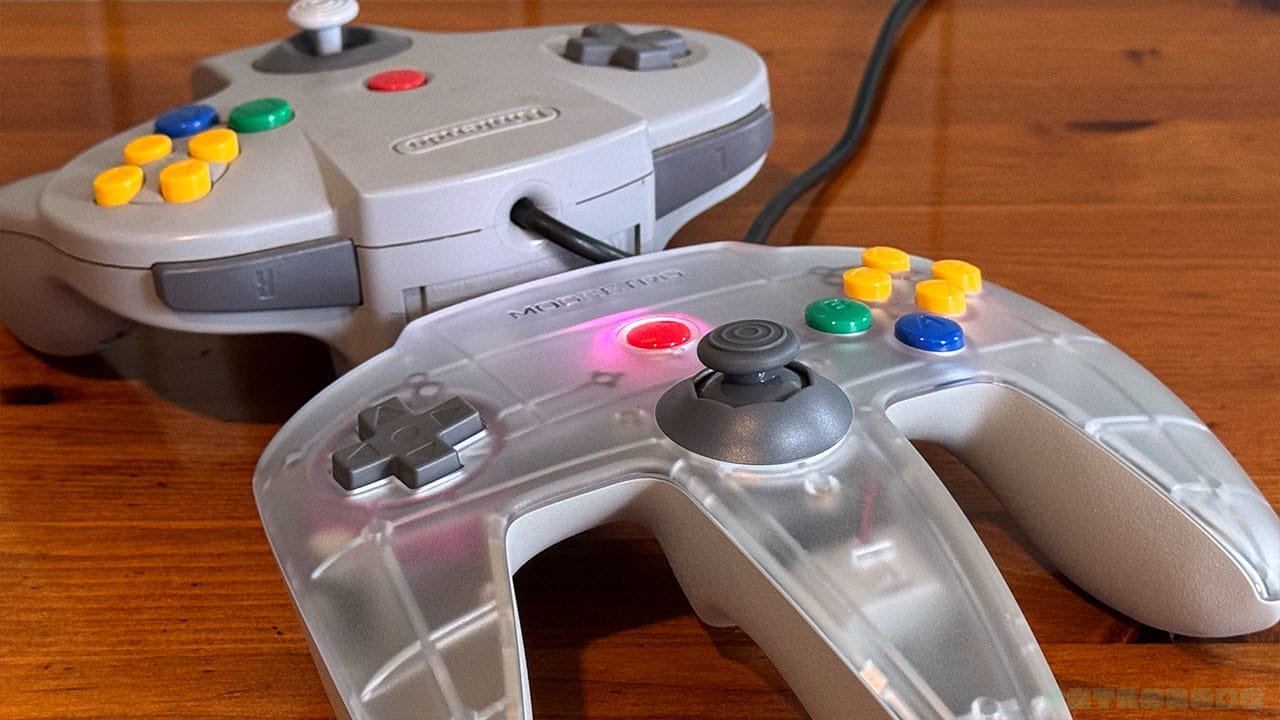
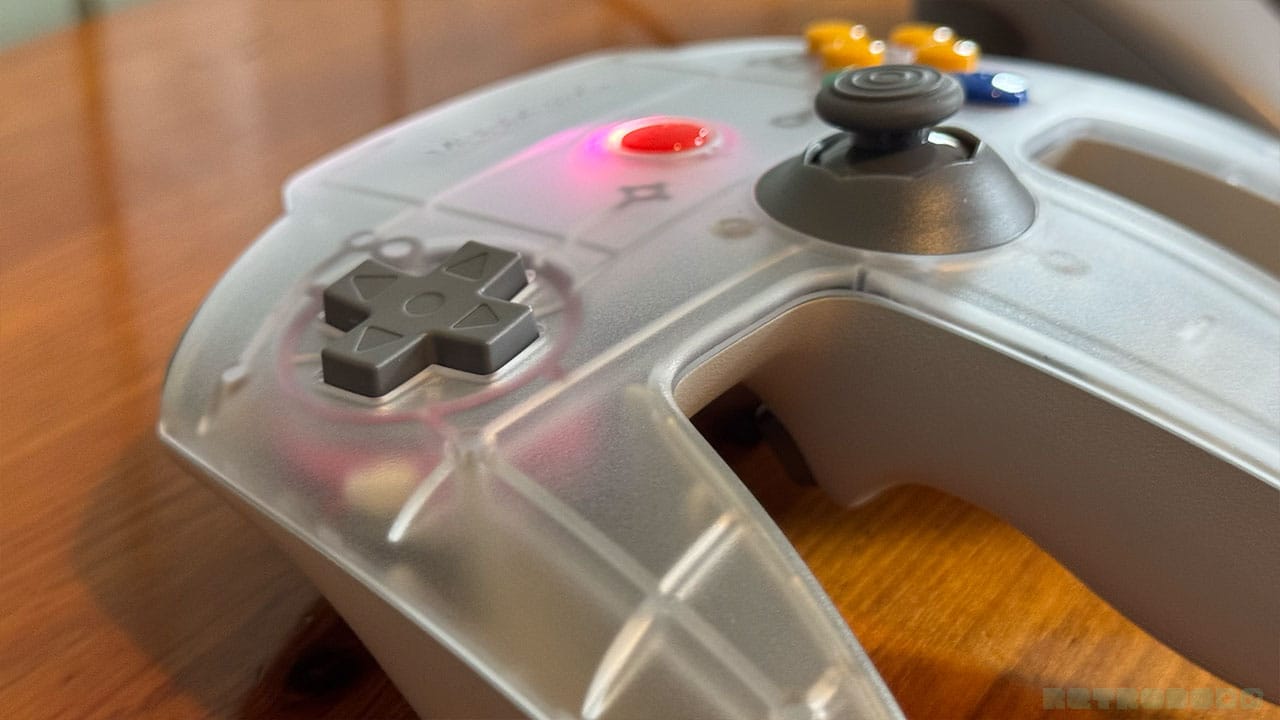
The analog stick, a notoriously fragile component on the original N64 controller, has been replaced with a "TMR thumbstick." This new iteration appears more robust and offers a smoother, more responsive feel. The original N64 stick was prone to wear, developing a "gunk" build-up and becoming loose or unresponsive over time. The TMR stick, based on initial impressions, promises greater longevity and consistent performance, a critical consideration for players who intend to log significant hours with their favorite N64 titles.
Button Layout and Functionality: Small Changes, Big Impact
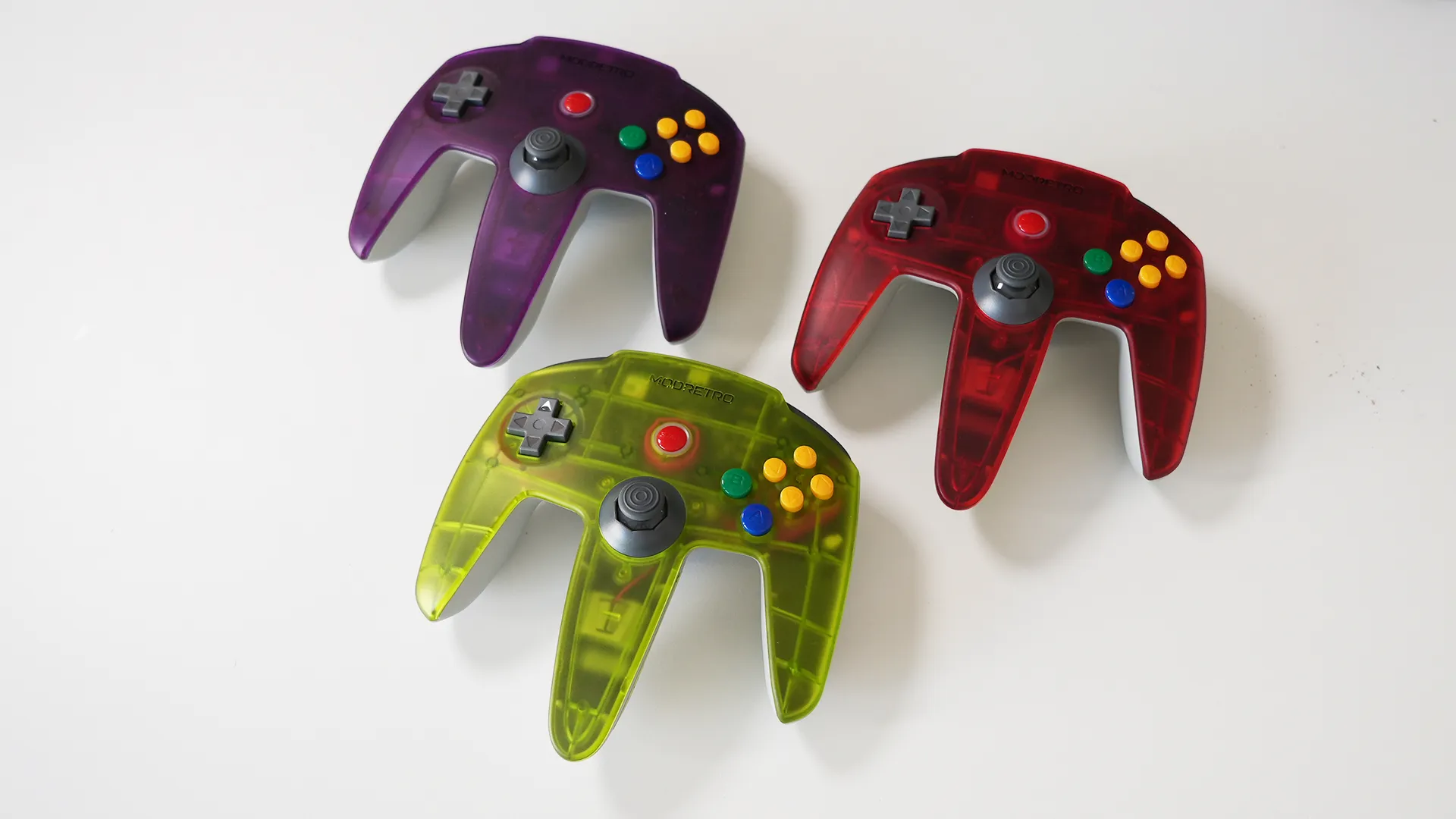
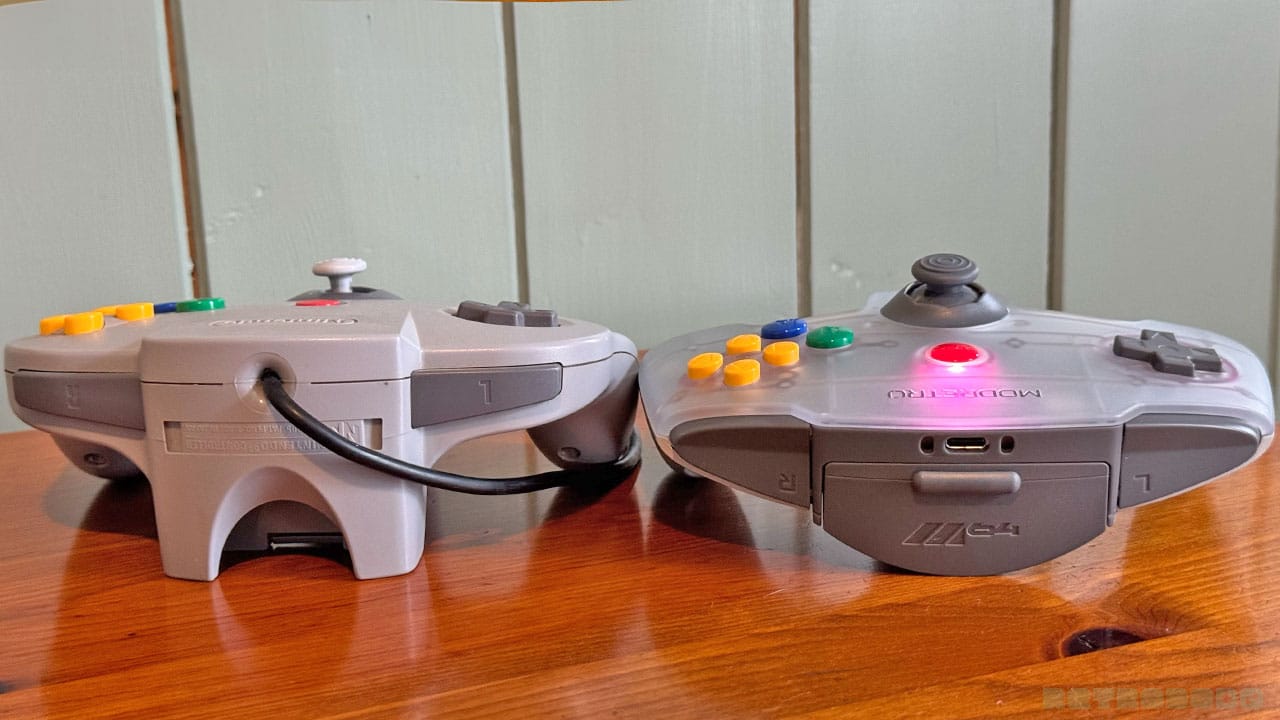
ModRetro has meticulously preserved the original button layout, ensuring that veteran N64 players will feel immediately at home. The action and C-buttons are marginally smaller than their original counterparts, a change that does not appear to impede gameplay. This attention to detail extends to the D-pad, which remains slightly curved, offering tactile feedback for menu navigation and gameplay where digital input is preferred. While the analog stick is the primary input for most N64 games, the inclusion of a well-implemented D-pad acknowledges its continued relevance for certain genres and menu systems.
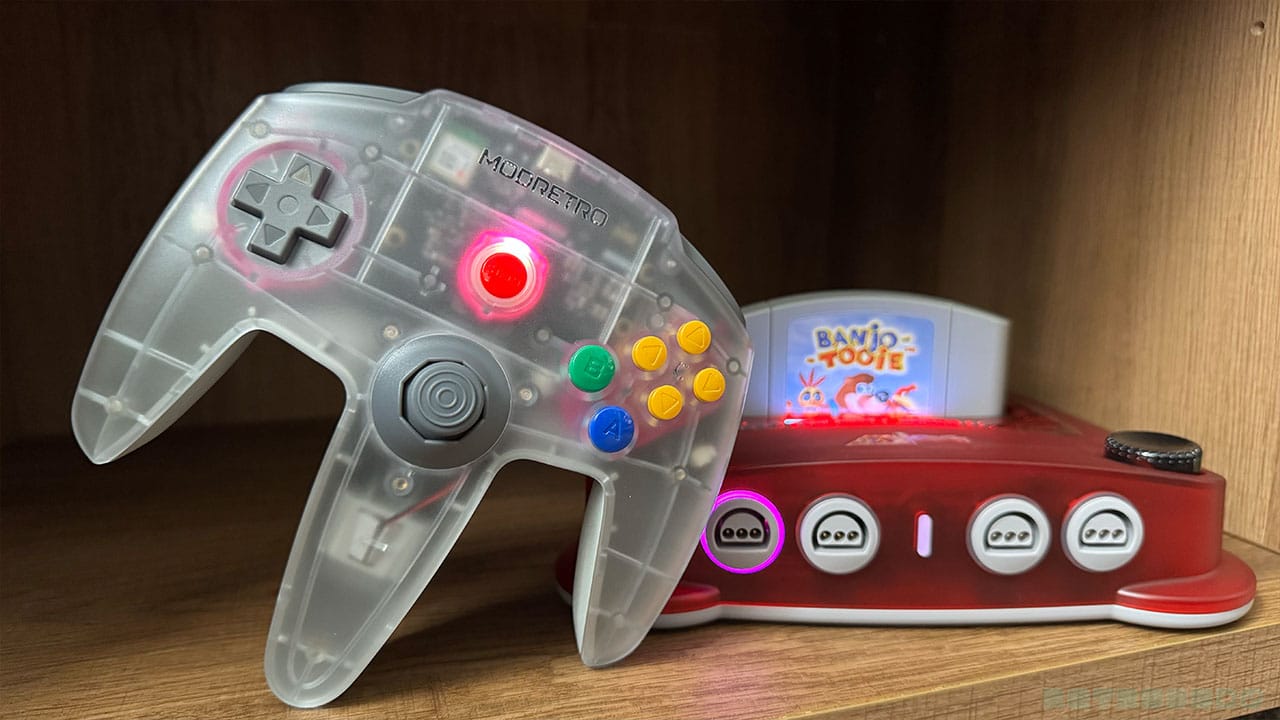
A notable improvement lies in the Z and shoulder buttons. The original N64’s Z button, often used as a trigger, was quite thin. The M64 controller features a wider, more comfortable Z button, which is particularly beneficial for games like Ocarina of Time where precise Z-targeting is essential, or for rapid button presses in titles like Banjo-Tooie. The L and R shoulder buttons have also been significantly redesigned. They now occupy the full available space at the top of the controller, featuring a comfortable notch where a finger can rest. This design ensures that the buttons register input with minimal pressure, regardless of where they are pressed. This is a clear ergonomic advancement, making these often-used buttons more accessible and responsive.
Connectivity and Power: Modernizing the Experience
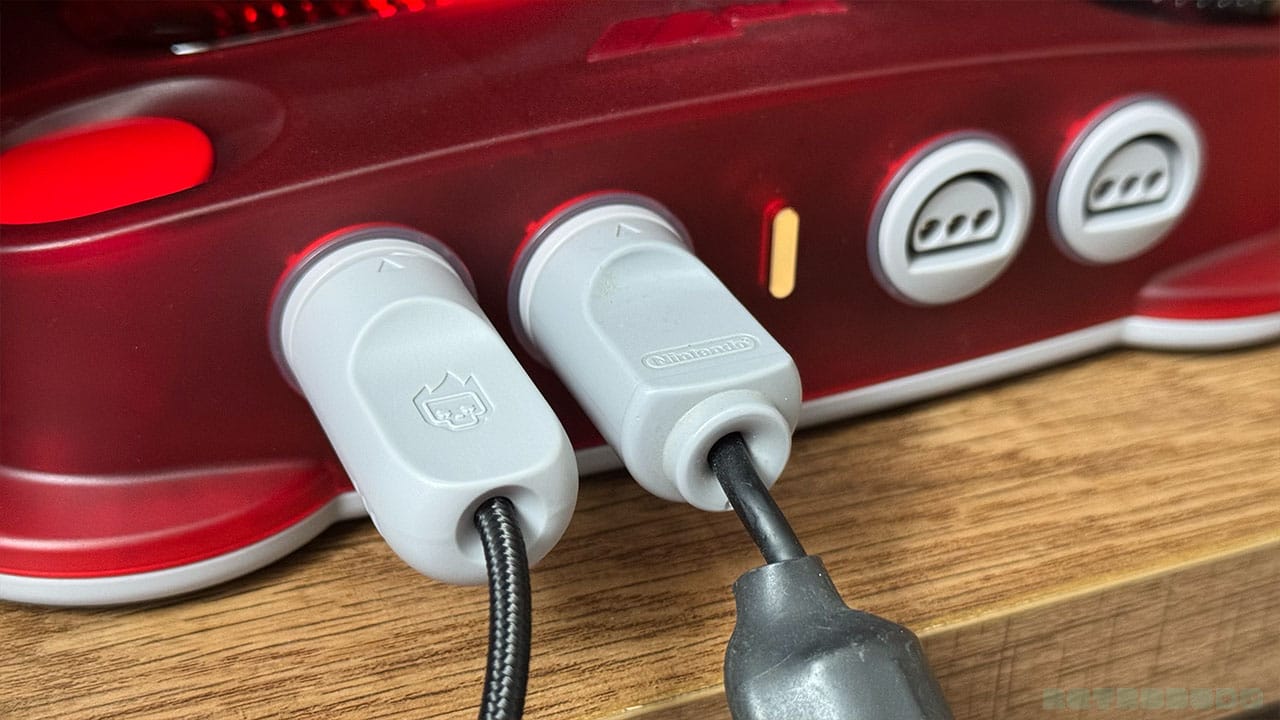
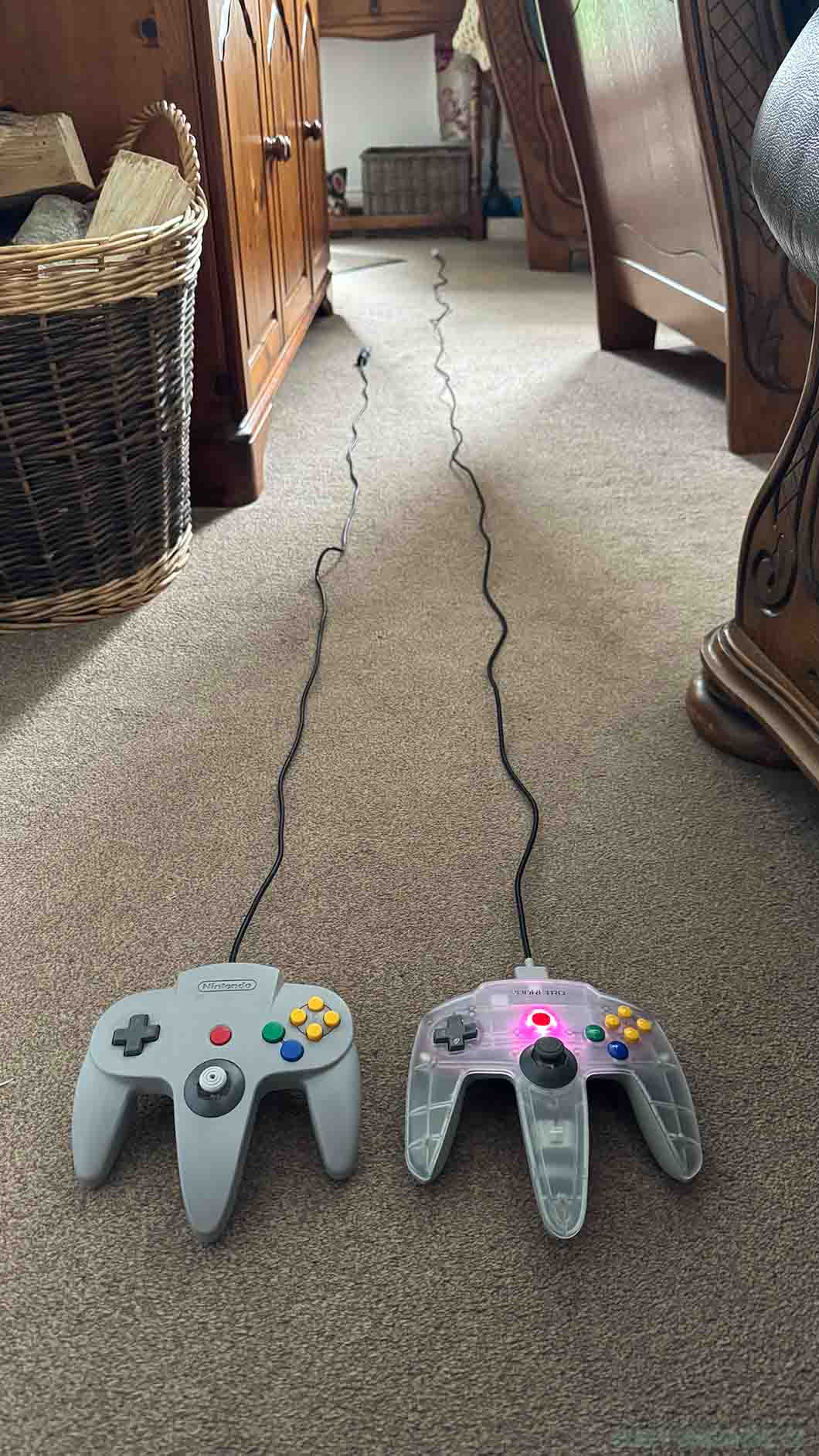
In an era where wireless peripherals are the norm, the M64 controller offers both wired and wireless connectivity options. For wired play, the controller comes with a braided cable that connects directly to the M64 console or a standard N64. This cable is notably longer than the original N64 controller’s, measuring just over 3 meters (approximately 10 feet) compared to the original’s 1.8 meters (6 feet). This extended cable length significantly improves gaming comfort, allowing players to position themselves further from the console without feeling tethered. The cable also features a secure connection with two plastic prongs, reducing the likelihood of accidental dislodging, a common frustration with older wired controllers.
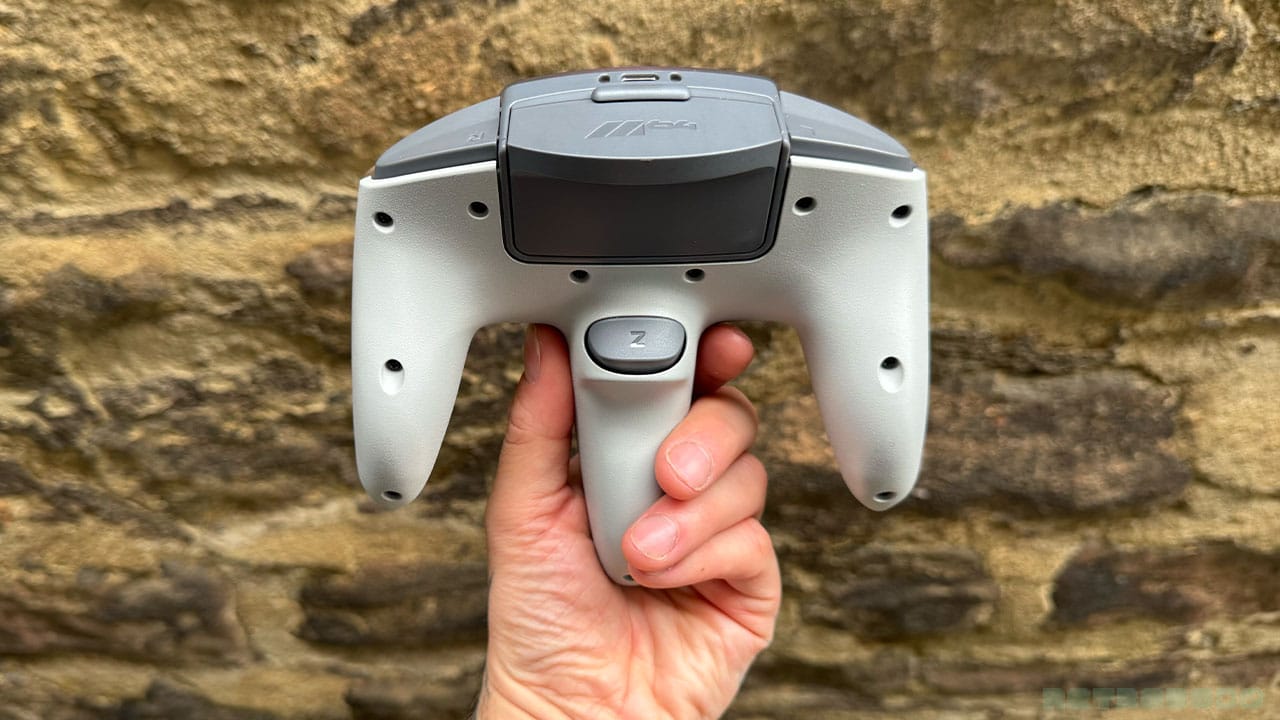
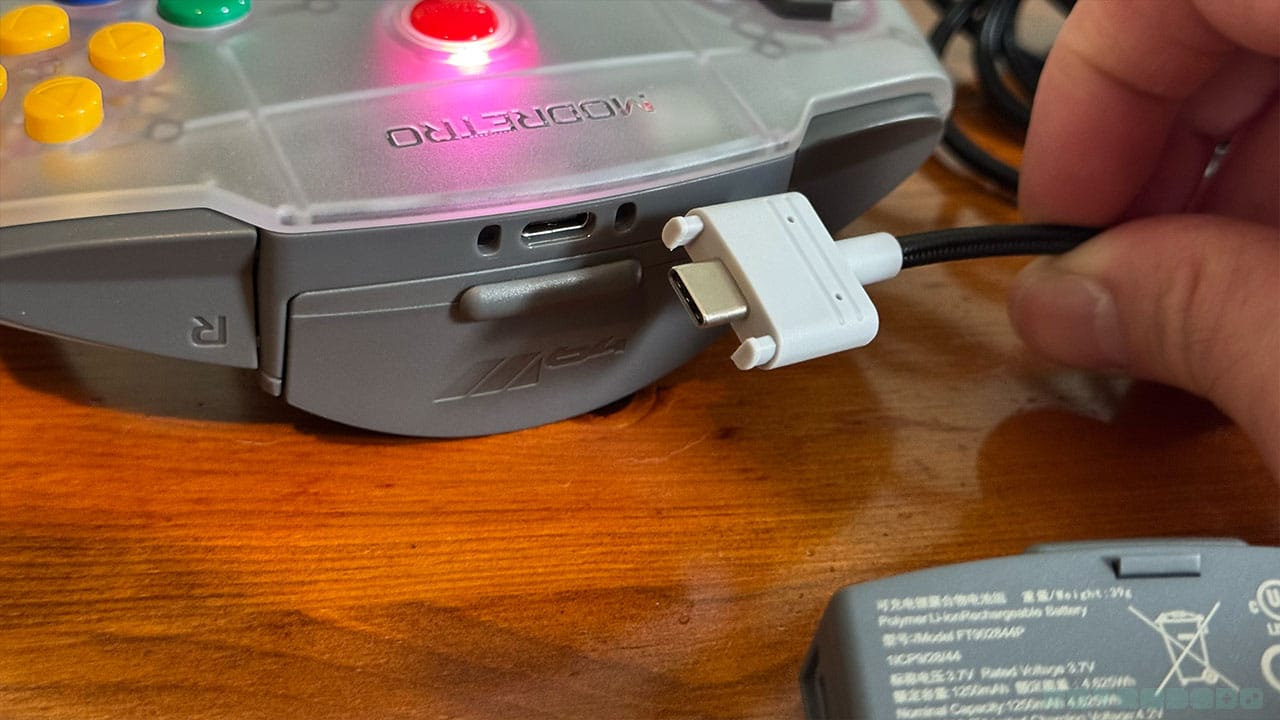
For wireless operation, the M64 controller supports two distinct power solutions: a rechargeable battery pack and a traditional AA battery pack. Both options are included in the box, offering players the flexibility to choose their preferred method. The battery compartment slides out easily, revealing a port that hints at potential future accessory expansions, a concept that resonates strongly with dedicated retro gaming enthusiasts.
Compatibility and the Analogue 3D Conundrum
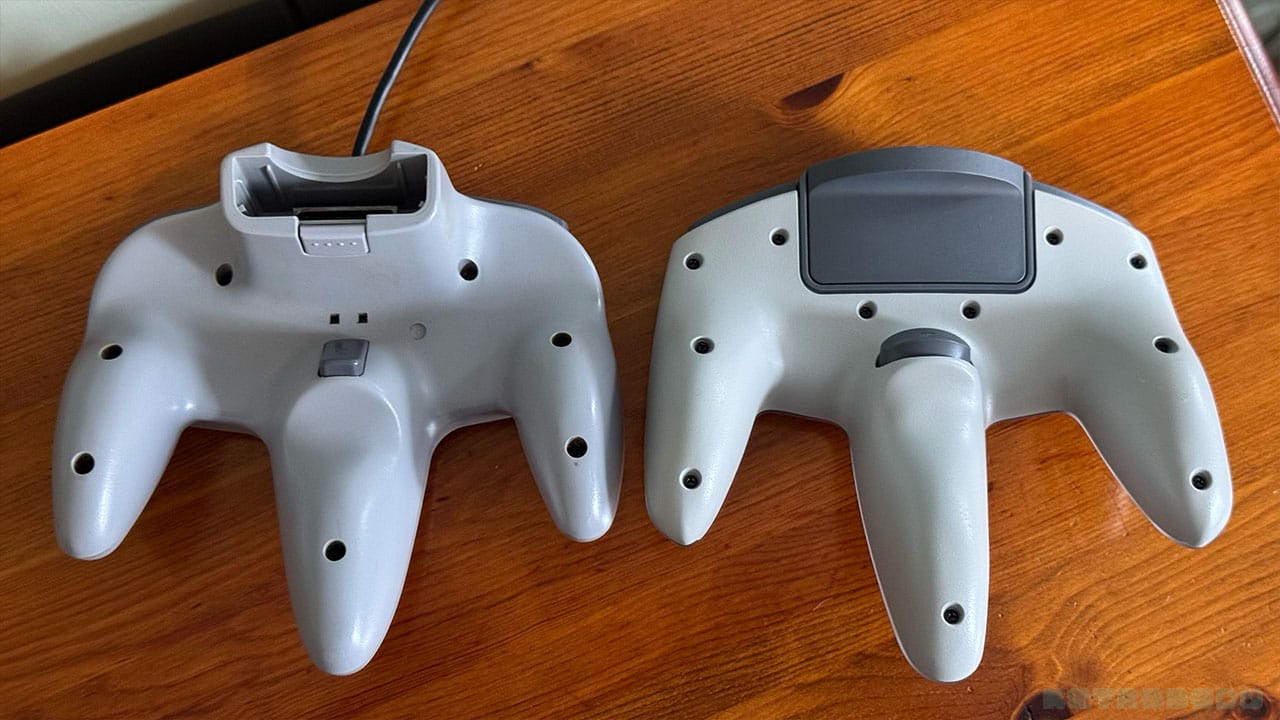
A significant point of discussion surrounding the M64 controller is its compatibility with other modern retro-focused hardware. While it functions seamlessly with the M64 console and original N64 systems, it notably does not work with the Analogue 3D controller in either wired or wireless modes. ModRetro has clarified that this incompatibility stems from Analogue needing to implement firmware support for the M64 controller. This situation highlights the ongoing interplay between hardware manufacturers in the retro space and raises questions about future interoperability. Whether Analogue will enable support for the M64 controller remains to be seen, but its absence is a notable limitation for users invested in the Analogue ecosystem. Conversely, the 8BitDo controller is reported to work with the M64, suggesting a more open approach from that manufacturer.
Customization: Tailoring the Experience
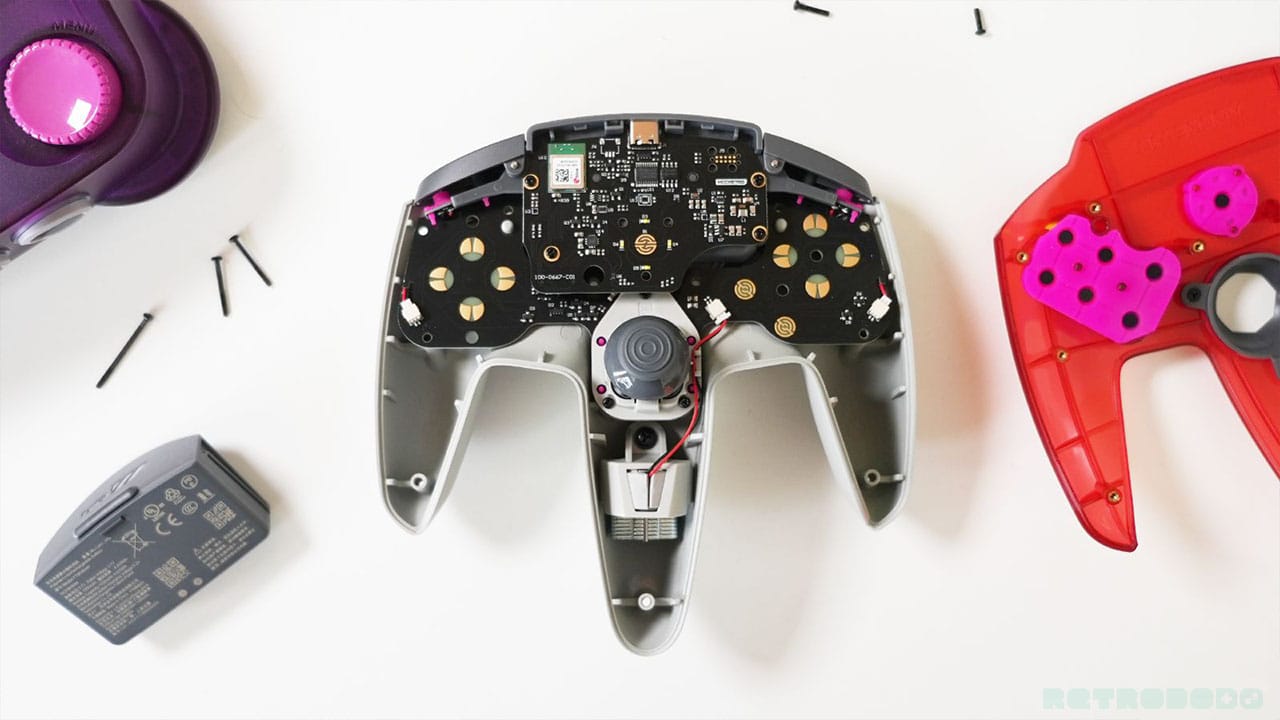
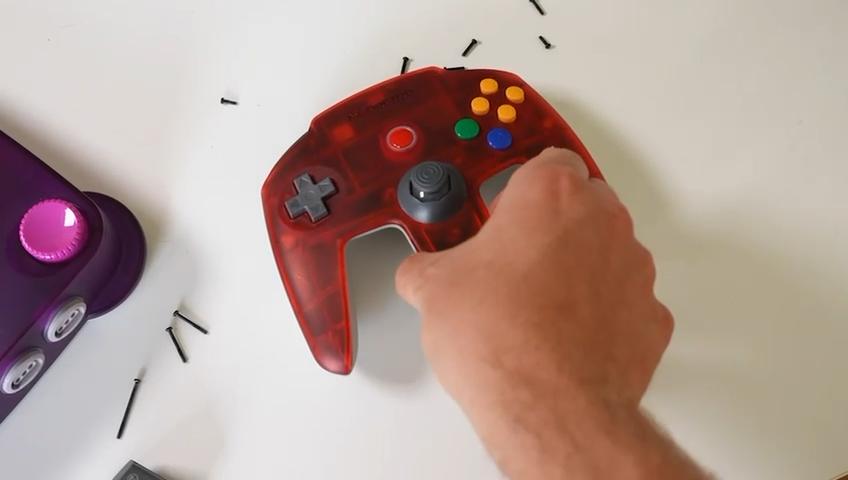
ModRetro’s commitment to user empowerment is further exemplified by the M64 controller’s modular design. The controller is easily disassembled by removing screws on the back, allowing for the swapping of various components. This includes buttons, the thumbstick, and even the 8-way gate for the analog stick. This level of customization enables users to tailor the controller’s feel and aesthetics to their precise preferences. The company has a track record of releasing mod packs for its hardware, and it is anticipated that similar offerings will be made available for the M64 controller, further enhancing its appeal to the modding community. This approach not only extends the lifespan of the product but also fosters a sense of ownership and personalization among players.
Comparison with Competitors: M64 vs. 8BitDo
The retro controller market features established players like 8BitDo, whose controllers often strike a balance between modern ergonomics and retro fidelity. The ModRetro M64 controller enters this competitive landscape with a distinct philosophy. While companies like Retro Fighters and 8BitDo have leaned towards more modern, professional controller designs, ModRetro’s core ethos remains rooted in enhancing the original N64 experience.
When comparing the M64 to 8BitDo’s offerings, the differences are pronounced. The 8BitDo Analogue 3D controller, for instance, offers a more contemporary layout, including dual Z-buttons that can function as triggers. While this design may appeal to those seeking a modernized control scheme, the M64 controller caters more directly to purists. Its retention of the original grip and button placement, albeit with enhancements, allows for the use of classic techniques like the "claw grip," which was popular among N64 players.
The M64 controller’s aluminum backing provides a tangible sense of superior build quality compared to many plastic-heavy alternatives. The ease of customization is another area where ModRetro appears to have an edge, with its design prioritizing straightforward component swapping. In terms of rumble feedback, the M64 controller is reported to offer a more intense and immersive experience, with its motor creating a significant vibration.
However, the M64’s lack of compatibility with the Analogue 3D is a significant drawback for users of that platform, whereas 8BitDo controllers generally offer broader compatibility. The choice between the two ultimately comes down to player preference: those seeking an authentic N64 feel with premium upgrades will likely gravitate towards the M64, while those desiring a more modern interpretation of N64 controls may prefer offerings from 8BitDo or other third-party manufacturers.
Cost-Benefit Analysis: A Premium Price for a Premium Experience
The ModRetro M64 controller is priced at $89.99. This positions it at the higher end of the controller market, exceeding the retail price of Nintendo’s own Pro Controller ($79.99) and 8BitDo’s standard Ultimate 2 controllers ($69.99). However, considering the premium materials, such as the aluminum backplate, the inclusion of both rechargeable and AA battery pack options, the braided cable, and the upgraded TMR thumbstick, the price point becomes more justifiable for enthusiasts seeking a high-quality, enhanced retro controller. The design’s close adherence to the original, combined with its modern conveniences, suggests that ModRetro is targeting a segment of the market willing to invest in a superior nostalgic gaming experience.
Conclusion: An Enthusiast’s Dream Controller
The ModRetro M64 controller represents a significant achievement in the realm of retro gaming peripherals. It successfully captures the essence of the original N64 controller while introducing thoughtful enhancements that address its shortcomings and elevate the overall gaming experience. The premium materials, refined ergonomics, improved button functionality, and versatile connectivity options all contribute to a product that feels both nostalgic and cutting-edge.
For N64 aficionados, the M64 controller is more than just a gamepad; it’s a gateway to cherished memories, reimagined for the modern era. While the lack of direct compatibility with the Analogue 3D is a notable limitation, its seamless integration with the M64 and original N64 consoles, coupled with its robust build quality and user-friendly customization, makes it a compelling proposition. ModRetro’s dedication to preserving and enhancing the legacy of classic gaming hardware is evident in every aspect of the M64 controller, solidifying its position as a must-have accessory for any serious N64 enthusiast. The company’s understanding of its audience, coupled with a commitment to quality and innovation, suggests a bright future for its contributions to the retro gaming landscape.