Cecilia Chamidah Nur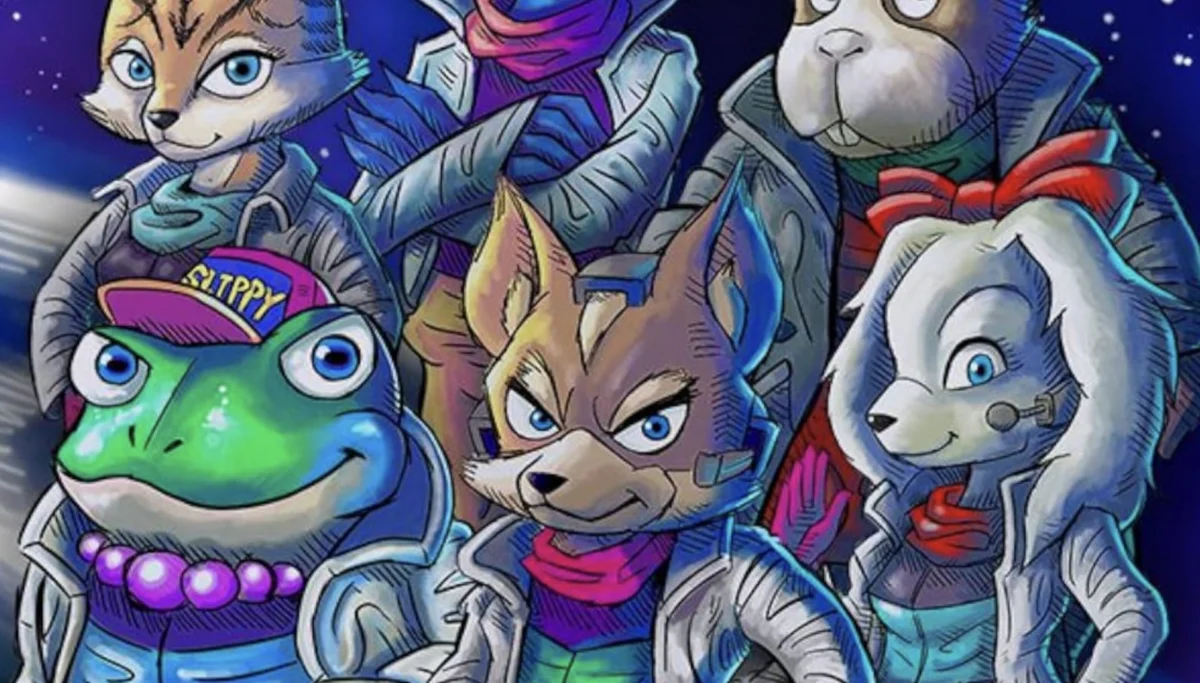
The cult classic Super Nintendo Entertainment System (SNES) title, Star Fox 2, has been officially updated to leverage the capabilities of the newly developed Super FX 3 chip, promising enhanced performance and a smoother gameplay experience for fans. This significant technical achievement follows closely on the heels of a similar upgrade applied to its predecessor, the original 1993 Star Fox. The Super FX 3 chip, an advanced iteration of the SNES’s original polygon-rendering co-processor, was conceived and brought to fruition by veteran programmer Randy Linden specifically for Limited Run Games’ forthcoming 2026 update of DOOM on the SNES. Linden himself spearheaded the intricate porting process for Star Fox 2, incorporating not only the Super FX 3 support but also adding crucial battery backup functionality, a feature vital for saving game progress in the era of cartridge-based gaming.
The Genesis of Super FX 3 and Its Impact on SNES Classics
The Super FX 3 chip represents a monumental leap forward for the 16-bit console, designed to overcome the inherent limitations of the original Super FX chip that powered a handful of groundbreaking SNES titles in the mid-1990s. The original Super FX chip, developed by Argonaut Games, was a revolutionary co-processor that allowed the SNES to render basic 3D polygons, a capability not natively present in the console’s architecture. This innovation enabled games like Star Fox (known as Star Wing in Europe), Stunt Race FX, and a scaled-down port of id Software’s DOOM to push the boundaries of what was thought possible on a 16-bit system. However, these early 3D efforts often came with performance compromises, characterized by low frame rates and simplified polygon counts.
Randy Linden, a name synonymous with pushing the SNES hardware to its limits—most famously for his impressive 1995 SNES port of DOOM—was tasked by Limited Run Games to create an enhanced version for a modern re-release. His solution was not merely an optimization of existing code but the development of an entirely new, significantly more powerful Super FX chip, dubbed Super FX 3. This third iteration boasts superior processing power, enabling higher polygon counts, smoother frame rates, and more complex graphical effects than its predecessors. The initial revelation that the 1993 Star Fox would be updated to utilize this new hardware sparked considerable excitement within the retro gaming community, hinting at the potential for other Super FX-enhanced titles to receive similar treatment. The subsequent announcement regarding Star Fox 2 confirms these hopes, underscoring a commitment to breathing new life into these cherished, technologically ambitious games.
Star Fox 2: From Canceled Masterpiece to Modern Enhancement
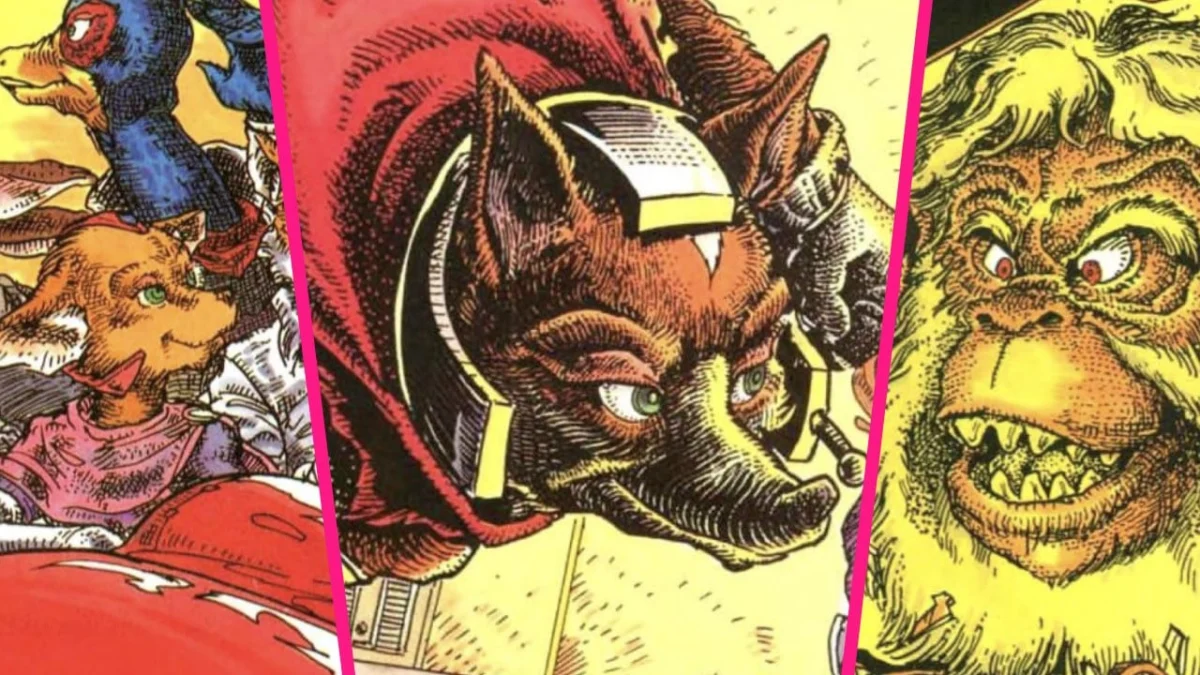
The journey of Star Fox 2 is perhaps one of the most storied and bittersweet tales in video game history. Developed by Nintendo EAD with Argonaut Games, it was intended as the direct sequel to the highly successful Star Fox. Development began in 1993, with the game nearing completion by 1995. It promised a significantly more ambitious experience than its predecessor, featuring a dynamic, strategic overworld map, multiple playable characters (including Miyu and Fay), on-the-fly transformations of the Arwing into a bipedal "Walker" mode, and a more robust 3D engine. The game aimed to deepen the space combat and introduce elements of real-time strategy, allowing players to intercept enemy forces and defend Corneria more tactically.
However, despite its advanced stage of development and innovative concepts, Star Fox 2 was famously canceled by Nintendo just prior to its planned release. The primary reason for its shelving was Nintendo’s strategic pivot towards the Nintendo 64, which was on the horizon and promised true native 3D graphics, far surpassing the capabilities of even the Super FX 2 chip. Nintendo’s then-president, Hiroshi Yamauchi, reportedly desired a clean break and a fresh start with the N64, wanting to showcase its native 3D power without the perceived compromises of a 16-bit game utilizing a co-processor. The fear was that releasing Star Fox 2 would dilute the impact of the N64’s launch titles, particularly Star Fox 64.
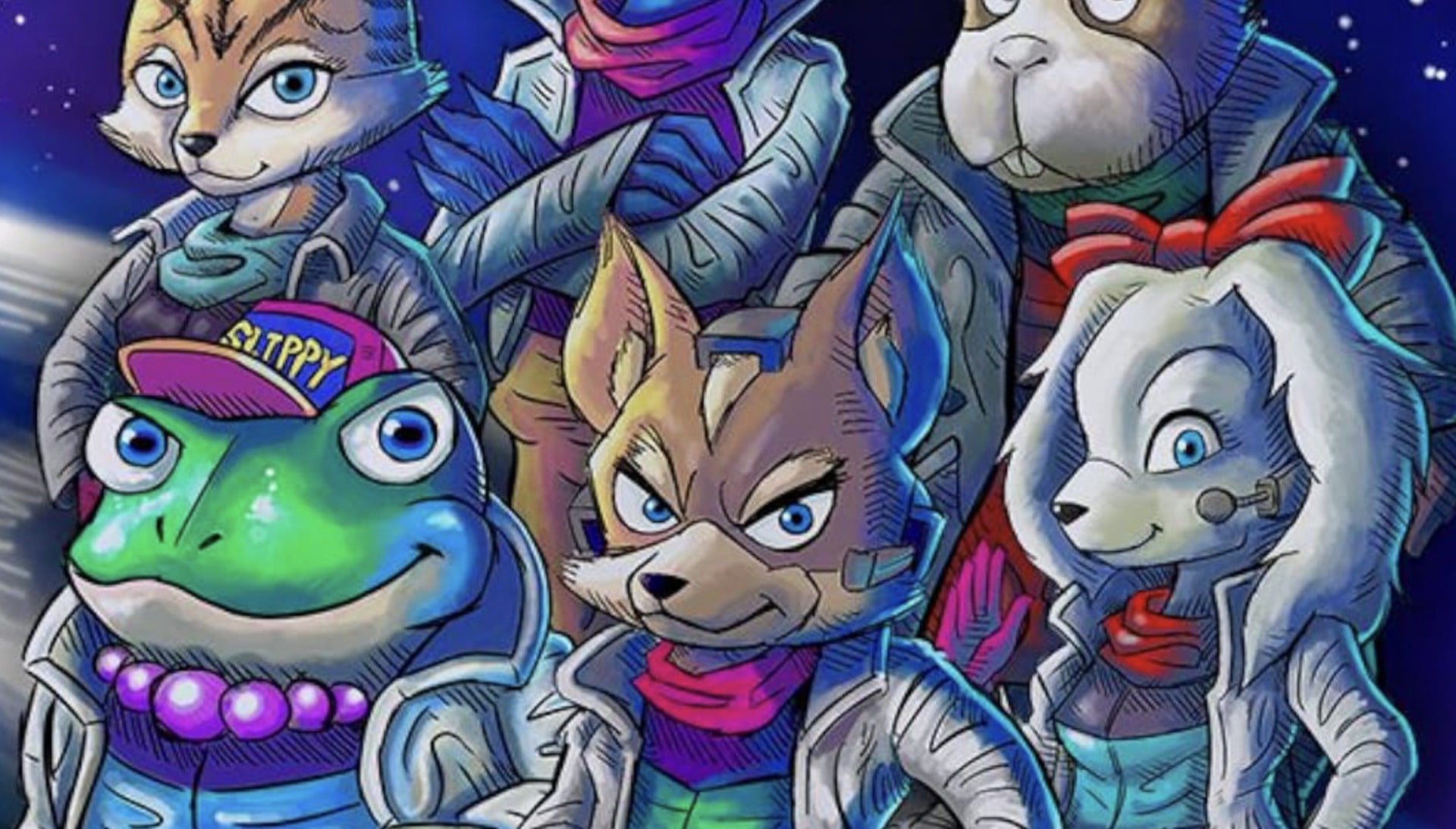
For over two decades, Star Fox 2 existed primarily as unreleased ROMs circulating among enthusiasts, a legendary "lost" game that fueled much speculation and desire. Its official resurrection came in 2017, when Nintendo surprised the world by including Star Fox 2 as a pre-loaded title on the Super NES Classic Edition mini-console. This marked the game’s first official release, albeit in a digital, emulated format. The inclusion was met with widespread critical acclaim and immense joy from fans who finally had the opportunity to experience this piece of gaming history. The game’s design, despite its age, was lauded for its creativity and ambition, proving that its cancellation was more a matter of timing and market strategy than inherent quality. Now, with the Super FX 3 update, Star Fox 2 is not just being preserved; it is being enhanced beyond its original design specifications, offering a glimpse into what might have been possible had technology evolved differently.
Randy Linden’s Vision and Technical Execution
Randy Linden’s role in this saga is central. A prodigious programmer, Linden gained legendary status in the retro computing world for his remarkable 1995 port of DOOM to the SNES. This feat involved not only fitting the demanding 3D shooter onto the 16-bit console but also devising custom rendering techniques and optimizing the game to run on the Super FX 2 chip. His deep understanding of the SNES architecture and low-level programming made him the ideal candidate to spearhead the Super FX 3 project.
In interviews, Linden has detailed the intricate process of designing the Super FX 3, emphasizing his goal to create a chip that not only emulates the original Super FX functionality but vastly expands upon it. The new chip is capable of significantly faster arithmetic and rendering operations, allowing for a substantial increase in polygons per second and improved texture mapping. For Star Fox 2, Linden’s porting process involved adapting the game’s existing code to leverage these new capabilities. This was not a simple matter of drag-and-drop; it required meticulous code analysis, re-optimization, and integration of the new hardware instructions. The addition of battery backup functionality, while seemingly minor, is a crucial quality-of-life improvement that ensures players can save their progress directly to the game’s virtual cartridge, mirroring the original hardware experience. This attention to detail underscores Linden’s commitment to delivering an authentic yet enhanced retro gaming experience.
Accessibility: Emulation Today, Hardware Tomorrow
While the Super FX 3 update offers tantalizing possibilities, its immediate accessibility is currently limited. At present, Super FX 3 support has been integrated solely into a "nightly version" of the SNES emulator, MesenCE. MesenCE is a highly regarded, accuracy-focused SNES emulator known for its rigorous adherence to hardware specifications and its commitment to cycle-accurate emulation. A "nightly version" refers to development builds that are updated frequently, often daily, incorporating the latest code changes and features as soon as they are implemented. While these builds offer cutting-edge functionality, they are typically less stable than official releases and might contain bugs or unfinished features. This means that enthusiasts wishing to experience the Super FX 3-enhanced Star Fox 2 must download and utilize these experimental emulator versions, requiring a degree of technical proficiency.
The current reliance on emulator builds highlights the initial phase of this technological rollout. However, the retro gaming community has a strong preference for playing games on original hardware whenever possible. Recognizing this, efforts are reportedly underway to extend Super FX 3 support to flash carts. Flash carts are specialized cartridges that contain internal memory (flash memory) and allow users to load ROM files (digital copies of game cartridges) onto them. These devices can then be inserted into an original SNES console, enabling players to experience ROMs on authentic hardware. The integration of Super FX 3 support into flash carts would be a game-changer, allowing fans to play the enhanced Star Fox 2 (and potentially other Super FX 3 titles) on their classic consoles, bridging the gap between cutting-edge emulation and the nostalgic tactile experience of original hardware. This development would undoubtedly broaden the appeal and accessibility of these enhanced titles, further solidifying the Super FX 3’s place in retro gaming history.
Broader Implications and Future Prospects
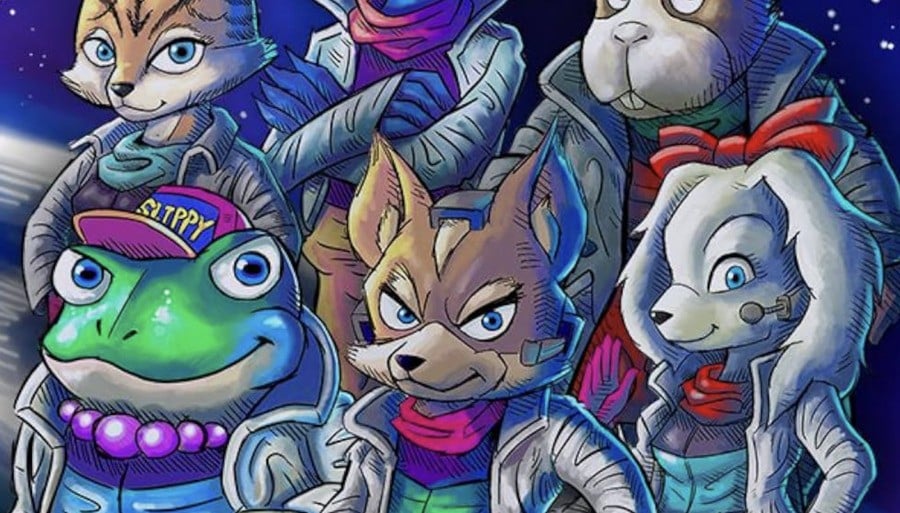
The Super FX 3 project, and specifically the enhancement of Star Fox and Star Fox 2, carries significant implications for the retro gaming scene, technology preservation, and the commercial viability of classic content.
1. Preservation and Enhancement: This initiative goes beyond mere digital preservation. It represents an active enhancement of historical artifacts. By improving performance and adding features like battery backup, the Super FX 3 breathes new life into games that were once limited by their original hardware. It demonstrates that retro games are not static museum pieces but can be re-imagined and optimized for a modern appreciation while respecting their original design.
2. Community-Driven Innovation: The project is a testament to the passion and ingenuity within the retro gaming community. While commissioned by Limited Run Games, the technical heavy lifting by Randy Linden and the subsequent integration into community-developed emulators like MesenCE underscore a vibrant ecosystem of developers, enthusiasts, and modders dedicated to pushing the boundaries of classic hardware and software. This collaborative spirit ensures that legacy systems continue to evolve and offer new experiences.
3. Economic Model for Retro Gaming: Limited Run Games’ involvement signifies a potential new economic model for retro gaming. By commissioning a new co-processor and enhancing classic titles, they are creating unique, high-value products for collectors and enthusiasts. This could pave the way for other companies to invest in similar projects, bringing enhanced versions of beloved, technically ambitious retro games to a new generation of players and collectors. The 2026 release of the Super FX 3-enhanced DOOM for SNES will be a crucial test case for this model.
4. Potential for Other Titles: The success with Star Fox and Star Fox 2 naturally raises the question: what other Super FX-enabled games could benefit from the Super FX 3? Titles like Yoshi’s Island, Stunt Race FX, Vortex, and Dirt Racer utilized various iterations of the Super FX chip. Imagine Yoshi’s Island with even smoother scrolling and more complex sprite transformations, or Stunt Race FX running at a buttery-smooth 60 frames per second. The possibilities are exciting and could lead to a wave of "Super FX 3-enhanced" retro releases.
5. Nintendo’s Stance and IP Management: While Nintendo is not directly involved in the Super FX 3 development, their prior decision to officially release Star Fox 2 on the SNES Classic Edition demonstrates an acknowledgment of the game’s historical and cultural significance. Community-driven enhancements like Linden’s operate outside official licensing channels, but they often act as a barometer of fan interest and can subtly influence future official retro initiatives. As long as these projects remain respectful of the original intellectual property and primarily serve the enthusiast market, they often thrive without direct intervention.
In conclusion, the Super FX 3 enhancement for Star Fox 2 is a monumental achievement that encapsulates the enduring appeal of retro gaming, the power of technological innovation, and the tireless dedication of its community. It transforms a legendary "lost" game, already resurrected, into an even more advanced and enjoyable experience, demonstrating that the 16-bit era still holds untapped potential. As the Super FX 3 moves from emulator support to eventual flash cart integration, it promises to redefine how enthusiasts interact with some of the most technologically ambitious titles of the Super Nintendo era, offering a glimpse into what might have been, and what now truly is.