Edi Durjana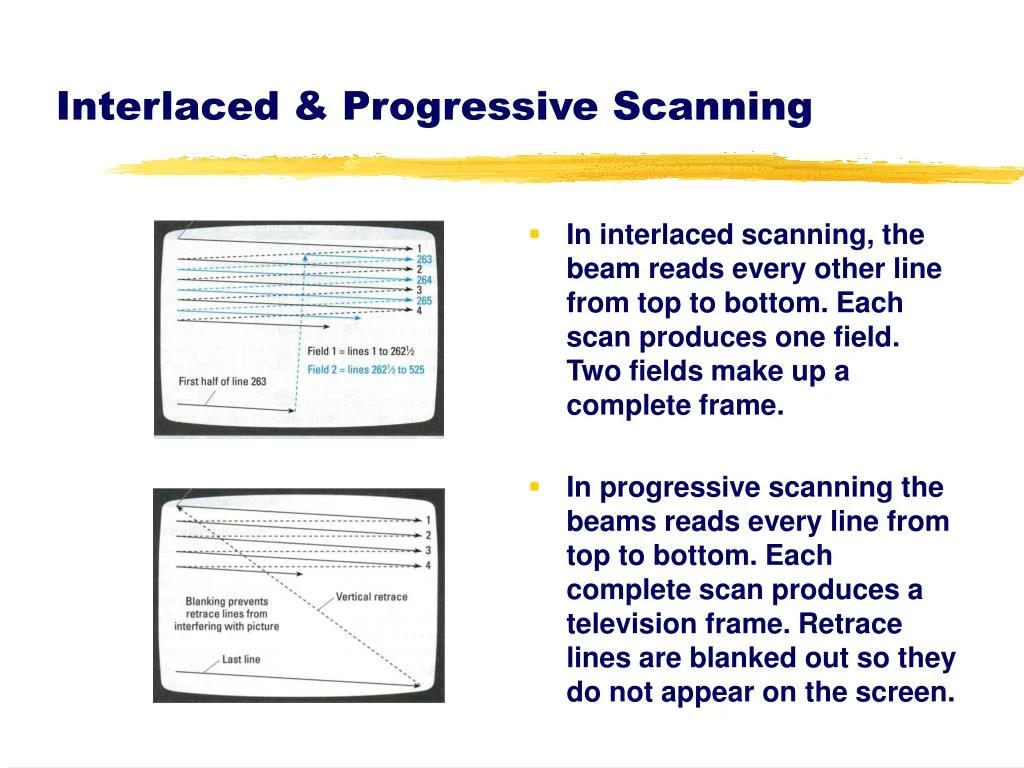
The PlayStation 2 (PS2), a console that sold over 155 million units worldwide, was a system designed almost entirely from the ground up for use with Cathode Ray Tube (CRT) televisions. Unlike modern consoles built around digital pixels and high-definition resolutions, the PS2, like its analog video output predecessors, fundamentally operated on the principles of scanlines and timing. While a niche option existed to attach a VGA monitor for the official PS2 Linux toolkit, offering some VESA display modes, this was largely an afterthought, with virtually no commercial games ever utilizing it. This deep integration with CRT technology profoundly influenced its technical specifications, game development practices, and the player experience across different regions, leaving a lasting imprint on its extensive library.
Historical Context: The Dawn of a Console Era
Launched in Japan in March 2000 and globally later that year, the PlayStation 2 arrived at a pivotal moment in consumer electronics. CRT televisions were still the dominant display technology in homes worldwide, though the nascent whispers of High-Definition Television (HDTV) and flat-panel LCDs were beginning to emerge. Sony’s strategy with the PS2 was ambitious: not only to deliver a powerful gaming console but also to position it as a household entertainment hub, most notably by including a DVD player, a then-premium feature. This dual role meant the console had to seamlessly integrate with existing home theater setups, which overwhelmingly meant CRTs. The technical design choices made for the PS2 were therefore rooted in maximizing performance and visual fidelity within the constraints and characteristics of these ubiquitous analog displays. Its competitors, such as the Sega Dreamcast, Nintendo GameCube, and Microsoft Xbox, also operated within this CRT paradigm, but the PS2’s unique architecture would lead to distinct development challenges and triumphs.
Technical Foundations: Scanlines, VRAM, and the Graphics Synthesizer
At the heart of the PS2’s visual prowess was its custom Graphics Synthesizer (GS), Sony’s proprietary Graphics Processing Unit (GPU). The GS was an engineering marvel for its time, but it came with a significant constraint: a mere 4MB of embedded Video RAM (VRAM). This limited memory was often insufficient to hold a full 640×480 framebuffer, let alone larger resolutions. Sony encouraged developers to perceive this VRAM less as a traditional frame buffer and more as a high-speed scratchpad, emphasizing its unparalleled bandwidth. Operations like alpha blending, multipasses, and framebuffer copies, which typically incurred substantial performance penalties on other GPUs of the era, were remarkably efficient, almost "free," on the PS2’s GS. This unique architecture allowed games like Driv3r to push visual effects in ways that would have crippled contemporary hardware.
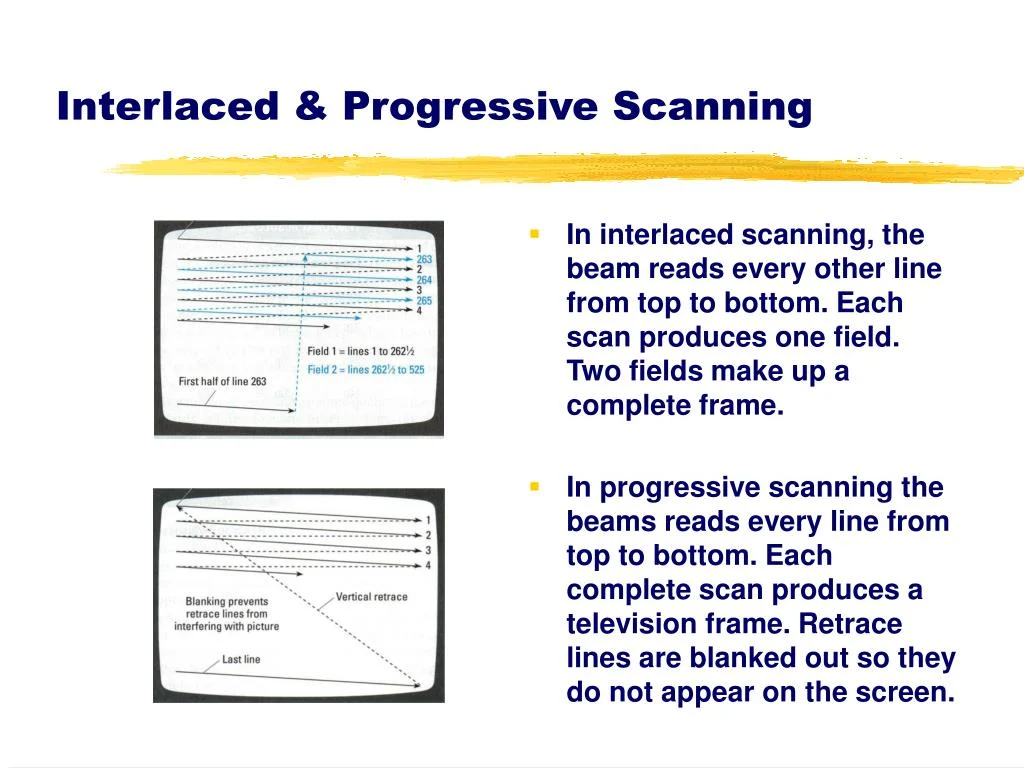
Further bolstering the PS2’s advanced capabilities were its two dedicated Vector Units, VU0 and VU1. These SIMD (Single Instruction, Multiple Data) coprocessors provided a fully programmable geometry pipeline, enabling hardware features akin to what we now recognize as mesh shaders, a technology that only began to see widespread adoption in consumer graphics cards like the Nvidia GeForce RTX 20 series nearly two decades later. These architectural choices, while innovative, were meticulously tailored to the output capabilities of CRT displays, which rendered images sequentially via electron beams drawing horizontal scanlines, exploiting visual persistence to create a complete picture. The PS2’s Cathode Ray Tube Controller (CRTC) within the GS played a crucial role in managing these analog video timings and signals.
The 60fps Imperative: A Technical Coercion
The limited 4MB VRAM of the Graphics Synthesizer (GS) presented a significant challenge for developers striving for high-resolution graphics. However, an even more profound technical characteristic of the PS2’s design subtly coerced developers into aiming for a rock-solid 60 frames per second (fps) on NTSC systems (or 50fps on PAL). This wasn’t necessarily an explicit mandate from Sony but rather an unavoidable consequence of the hardware’s interaction with CRT display technology.
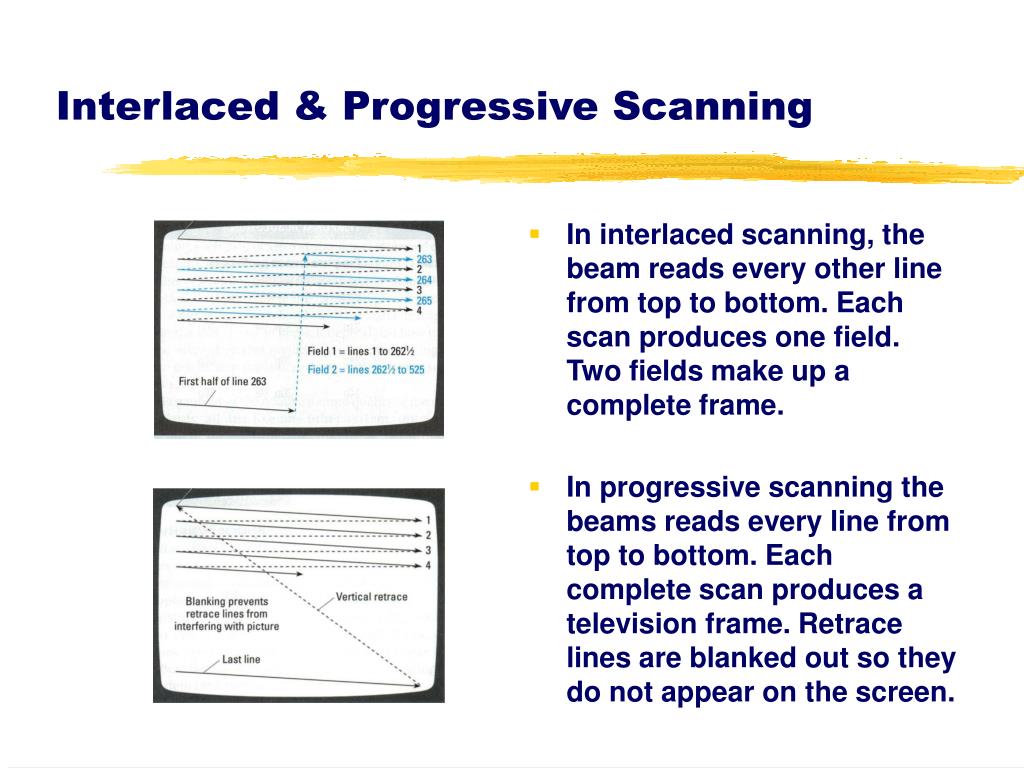
Early versions of the PS2’s Software Development Kit (SDK) primarily supported interlaced scanline modes, which required a consistent 60Hz refresh rate to achieve a display resolution of 640×448. As the SDK evolved, developers gained the option of using either "frame mode" (rendering full frames) or "field rendering mode" (interlaced frames). Field rendering was particularly appealing: by outputting at half-height resolutions like 640×240 or even 512×224, memory requirements per frame were halved, and render times significantly reduced. This made it easier to achieve higher framerates within the tight 4MB GS VRAM constraint.
However, field rendering came with a critical caveat. If a game failed to render a new frame in time, and the previous one had to be displayed twice, the entire image would noticeably shift vertically by one scanline. This jarring visual artifact, a "Y-shift," was highly undesirable. To avoid this, developers were compelled to ensure consistent frame pacing. Many games, such as SSX 3, would internally slow down the gameplay by skipping frames during moments of stress rather than dropping the target 60fps, prioritizing a stable visual output over consistent simulation speed. In contrast, frame mode, while demanding more rendering power for full 640×448 or 512×448 frames, was more forgiving; a missed frame would simply result in the screen displaying the second field from the previous frame, a less noticeable artifact than the Y-shift.
When a game successfully maintained a consistently frame-paced 60fps in field rendering mode, the CRT’s inherent ability to blend interlaced half-frames created the illusion of a full, smooth image. The average player, unaware of the complex internal processes of CRT image assembly, experienced a fast, fluid game. This combination of speed, efficiency, and artifact-avoidance made field rendering a dominant choice. The consequence was a console launch with an unusually high number of games targeting or achieving 60fps, a testament to the technical pressures on developers.
This technical reality also sheds light on the "jaggies" criticism leveled against early PS2 games, especially when compared to the smoother visuals of the Sega Dreamcast. Many game magazines and journalists of the era used single-frame capture techniques for screenshots. When capturing an interlaced field-rendered image, they would often only capture half the fields (either odd or even lines), making games appear far more jagged in print than they did on a living room CRT, where the blending effect mitigated these issues. The lower effective output resolution, necessitated by the GS’s VRAM constraints, contributed to these misunderstandings.
Evolving Displays: Widescreen and Progressive Scan
As the 21st century dawned, television technology began its slow march towards widescreen and higher fidelity. While a handful of PlayStation 1 games had experimented with widescreen modes, the vast majority of console titles were designed for the traditional 4:3 aspect ratio. The PS2, with its integrated DVD player, became a catalyst for change. Terms like "anamorphic widescreen" entered common parlance, and 16:9 widescreen CRT TVs gradually became more accessible in the early to mid-2000s.
Developers responded to this shift in varying ways. Most PS2 games initially remained 4:3, but an increasing number began offering built-in widescreen options. Generally, three methods existed for displaying a widescreen picture:
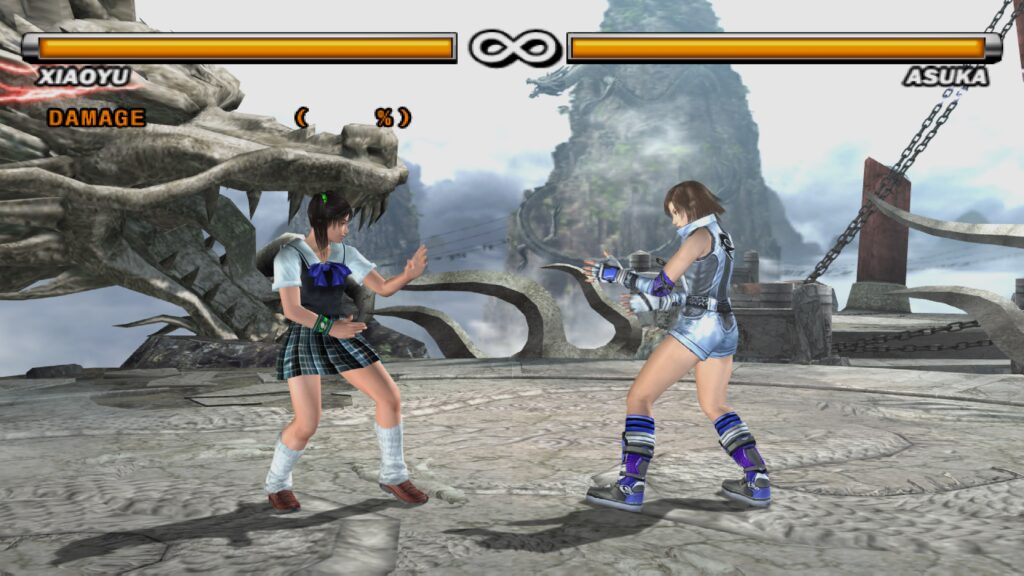
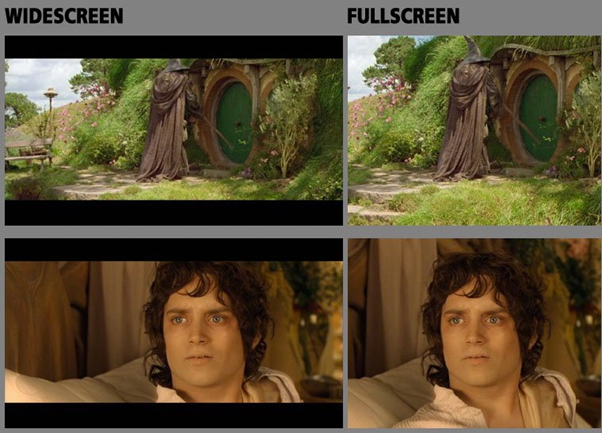
- Vert- (Vertical Minus): This method crops the top and bottom portions of the 4:3 image to fit a 16:9 aspect ratio, then zooms in slightly. This often results in a loss of vertical field of view but is less demanding on system resources. Examples include Tekken 5, Ratchet & Clank, and Jak and Daxter games.
- Hor+ (Horizontal Plus): This method expands the horizontal field of view, revealing more of the game world on the sides without cropping the vertical dimension. This is generally preferred by enthusiasts but requires more rendering power and VRAM.
- Hor+ and Vert- (Combined): A hybrid approach, cropping some vertical information while also extending horizontal view.
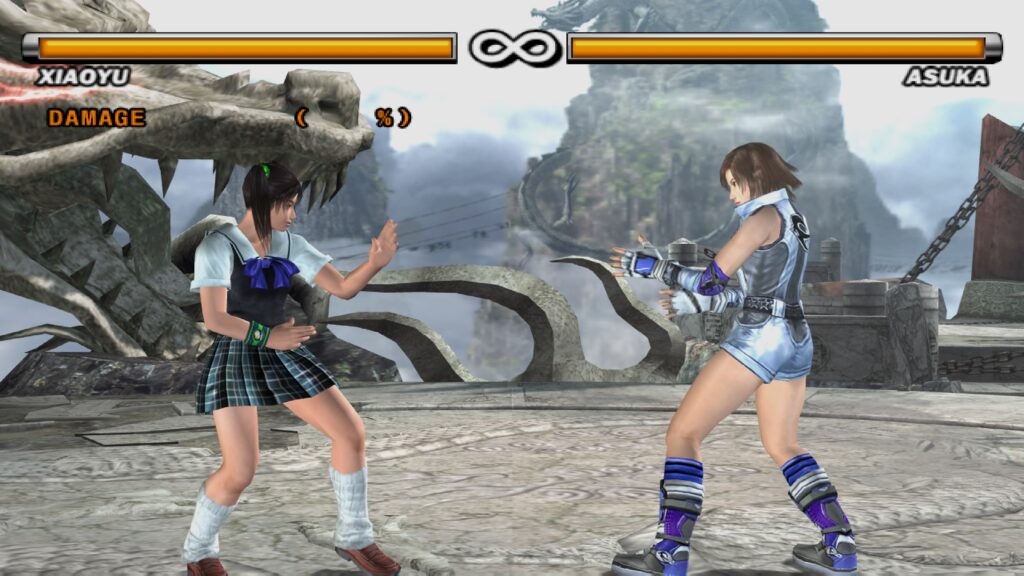
The vast majority of PS2 games opted for the Vert- approach when implementing widescreen. This was likely due to the limited 4MB GS VRAM; zooming and scaling were relatively "free" operations on the GS, and cropping parts of the image ensured that the scene could still fit within memory. Implementing Hor+ widescreen was more resource-intensive, as extending the horizontal view demanded a higher effective horizontal resolution to maintain image quality, a challenge for a console already relying on CRT blending to compensate for lower native resolutions. The difference is stark when comparing Tekken 5‘s built-in Vert- mode, which makes characters appear larger and crops the environment, to a patched Hor+ version that reveals a wider, uncropped view of the arena.
Beyond aspect ratios, the PS2 also witnessed the introduction of progressive scan technology on CRTs. The console launched near the twilight of CRT dominance, with "HD-ready" LCD TVs still a few years away (circa 2005). To bridge the gap, TV manufacturers introduced Enhanced-Definition Televisions (EDTVs), essentially SDTVs capable of supporting 480p and 576p progressive scan signals. Starting around 2001, progressive scan-capable CRTs began appearing, and games started to take advantage.
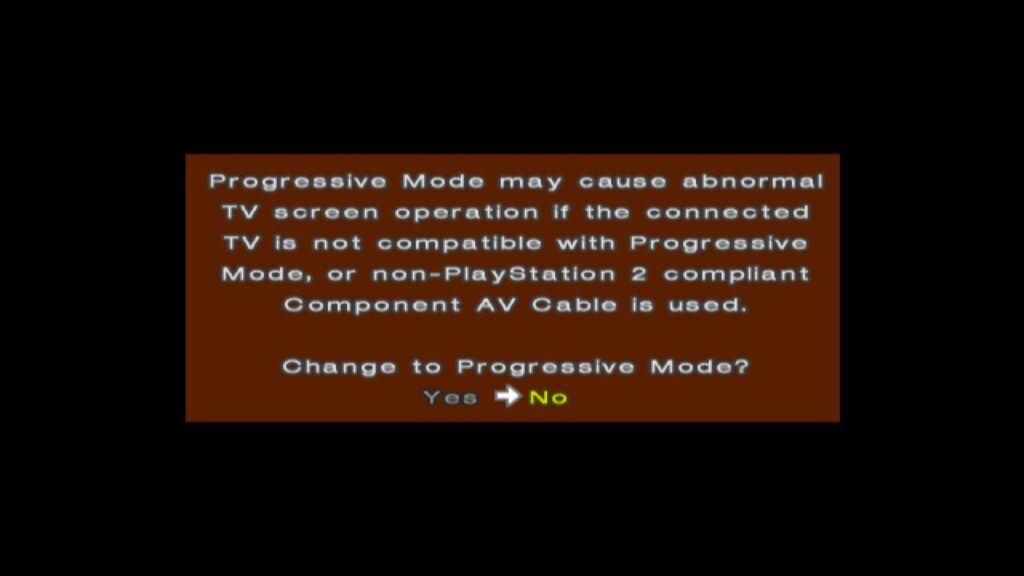
Activating progressive scan, typically by holding X and Triangle at startup, required higher-quality component cables (for NTSC TVs) or RGB SCART cables (for Japanese and European TVs), as composite and RF-AV connections did not support it. Progressive scan modes were non-interlaced, offering full frames, eliminating interlacing artifacts, and providing full-height backbuffers. While generally providing a clearer image, some progressive scan-capable games made a trade-off, reducing the framebuffer depth to 16 bits per pixel (16bpp) or lower to fit within the GS’s 4MB eDRAM, potentially leading to more noticeable color banding.
Some ambitious titles, like Valkyrie Profile 2 and Gran Turismo 4, even offered a "1080i" mode. However, this was often a deceptive marketing term; the PS2 did not render at a native 1920×1080 resolution. In Gran Turismo 4, for instance, the internal render resolution was 640×540. The GS CRTC would then magnify this to appear as 1920×1080 using a horizontal magnification integer (MAGH) of 3 (640 3 = 1920) and a vertical magnification integer (MAGV) of 2 (540 2 = 1080) or an interlaced framebuffer switch. This "CRTC zoom scaling" technique could be convincing on a CRT at the time, but on modern displays, a native 480p progressive scan mode often provides a truer, cleaner image.
Regional Divides: The PAL/NTSC Saga
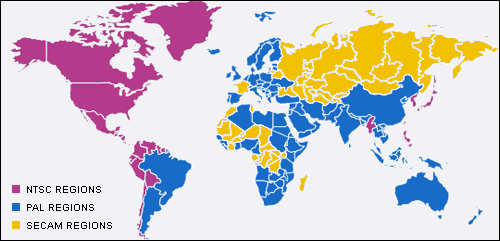
The global television landscape of the early 2000s was divided by two primary analog broadcast standards: NTSC (used in North America and Japan, operating at 60Hz) and PAL (used in Europe and other regions, operating at 50Hz). This regional difference created significant challenges for console gaming.
When the PS2 launched in Europe, players were already familiar with the Sega Dreamcast offering "PAL60" modes, which allowed European TVs (if compatible) to display games at a 60Hz refresh rate, avoiding the approximate 16.9% framerate reduction and often the letterboxing associated with straight 50Hz PAL conversions. PAL typically had a higher vertical resolution than NTSC, but developers rarely leveraged this to avoid additional resource strain or due to a lack of focus on the European market.
The situation with the PS2 was more complicated. Sony, for reasons related to broadcast standards, chose not to officially back PAL60 as a "real" standard. Consequently, most early PS2 launch titles in Europe were locked to 50Hz, leading to slower gameplay and sometimes inferior visual experiences compared to their NTSC counterparts. UK-based developers like Psygnosis (Wipeout), Core Design (Tomb Raider), and Rockstar/DMA Design (Grand Theft Auto) often excelled at optimizing their PAL conversions, sometimes rendering more scanlines for a sharper image quality than the NTSC version. However, the inherent 50Hz slowdown remained, and while some attempted to tweak game speeds, the overall experience was generally perceived as inferior to a 60Hz presentation.
Around 2002, a shift occurred. More PS2 games, such as ICO, began to offer 50Hz/60Hz selectors at startup. Instead of providing a "PAL60" mode, these games would attempt to switch the display to NTSC 480i mode. This was largely compatible, as many European televisions sold in the late 1990s and early 2000s supported both PAL and NTSC signals. Games that didn’t offer these toggles, like Silent Hill 2 and Metal Gear Solid 2, often put more effort into their 50Hz PAL conversions to avoid the dreaded letterboxing. However, even this transition wasn’t seamless. Developers like Square Enix reportedly faced significant challenges, particularly with storing high-quality Full Motion Video (FMV) scenes for both 50Hz and 60Hz versions on the limited capacity of DVDs. This was a primary reason why some titles, such as Final Fantasy X, remained 50Hz-locked in Europe despite growing demand for 60Hz options. Over time, games lacking these 50Hz/60Hz toggles became the exception rather than the rule.
The Great Transition: PS2 on Modern Displays
The mid-2000s marked a significant paradigm shift in display technology. Around 2005, the industry began its difficult transition from CRTs to LCD TVs, coinciding with the advent of the 7th generation of consoles like the PlayStation 3 and Xbox 360. For these new consoles, the advantages were clear: HDMI connectivity, native 60Hz output regardless of region, and non-interlaced high resolutions (720p, 1080p) by default. For many, who had never owned a progressive scan-capable CRT, this was their first encounter with clear, non-interlaced images on a television.
However, this transition was particularly harsh for older, CRT-based consoles like the PS2. Early LCD "HD-ready" TVs were often plagued by high input latency, significant ghosting, and poor motion clarity. Visual effects meticulously designed for CRTs, such as "feedback blur" (a form of motion blur that relied on the phosphorescent decay of a CRT), looked disastrous on these new displays, exacerbating ghosting. Some developers tried to mitigate these issues; Soul Calibur 3, for instance, included an in-game "Software Overdrive" setting intended to reduce afterimage effects on LCD screens, a testament to the emerging problems.
Despite these efforts, fundamental issues like latency and a general lack of motion clarity persisted for decades, making the experience of playing older consoles on modern displays less than ideal. It is only in recent years, with the advent of advanced display technologies like OLED and innovative software solutions such as BlurBusters’ "CRT beam racing simulator," that these long-standing problems are finally being addressed. On a modern OLED screen, advanced CRT shaders combined with beam racing simulation can deliver near-CRT levels of latency, motion clarity, and visual authenticity, allowing enthusiasts to experience PS2 games much closer to their original design intent than ever before on contemporary hardware.
Legacy and Enduring Impact
The PlayStation 2’s deep-seated connection to CRT technology is a fascinating chapter in gaming history. Its design choices, driven by the technical landscape of its era, not only shaped its internal architecture but also dictated game development strategies, influencing everything from framerate targets and resolution handling to widescreen implementations and regional variations. The constant battle against VRAM limitations, the ingenious exploitation of CRT characteristics, and the eventual, often awkward, transition to modern display technologies all contribute to the PS2’s unique and complex legacy. As retro gaming continues to thrive, understanding these intricate technical foundations becomes ever more crucial for appreciating the ingenuity of its developers and preserving the authentic experience of one of the most successful and influential consoles of all time.