Vera Clarissa
Researchers at Paradigm Shift have unveiled a significant security vulnerability, dubbed "SecureROM exploit," that impacts Apple’s A12 and A13 series of chips, along with their associated S4 and S5 silicon found in older Apple Watch models. This discovery comes at a time when Apple is also preparing to roll out a new iteration of its operating systems, including watchOS 27, which will discontinue support for several older Apple Watch models. Concurrently, an innovative fix developed by a Microsoft engineer is breathing new life into the Network Time Capsule for macOS 27 users, and the highly anticipated new Siri AI is beginning its gradual rollout to those on the waitlist.
The Low End Mac Newsletter, in its latest compilation, aims to provide readers with a comprehensive overview of these pivotal developments, consolidating critical announcements, OS updates, and security concerns into a single, accessible report. This approach ensures that users remain informed about the evolving landscape of Apple’s ecosystem, from underlying hardware security to the latest software features and their compatibility.
Unpatchable Exploits Threaten A12 and A13 Chip Security
The discovery of the SecureROM exploit by Paradigm Shift represents a concerning development for a wide range of Apple devices. The exploit, detailed in a recent publication by the research firm, targets a fundamental aspect of the chip’s boot process, potentially allowing for deep-level system compromise. While the full extent of its implications is still under investigation, the researchers indicate that devices powered by A12 and A13 chips, which include popular iPhone and iPad models from the 2018-2019 era, as well as Apple Watches utilizing S4 and S5 chips (Series 4 and 5), are susceptible.

SecureROM, a critical component of Apple’s Secure Enclave, is designed to be a read-only memory that verifies the integrity of the boot process. Exploiting this firmware is particularly challenging and often requires specialized hardware and expertise. The vulnerability reportedly allows for the execution of arbitrary code during the boot sequence, which could potentially bypass existing security measures and enable persistent malicious software installation. While Paradigm Shift has not publicly disclosed the exact technical details of the exploit to prevent immediate misuse, their research underscores the ongoing cat-and-mouse game between security researchers and hardware manufacturers in fortifying devices against sophisticated attacks.
The implications for users are substantial. A successful exploit could lead to the theft of sensitive data, the installation of spyware, or even the complete hijacking of a device’s functionality. Given that these chips are still present in millions of active devices, the potential attack surface is considerable. However, it is important to note that exploiting such vulnerabilities typically requires physical access to the device or a highly sophisticated, targeted attack vector. Apple’s typical response to such discoveries involves rigorous investigation and the development of firmware patches, though the "unpatchable" nature of some boot-level exploits can present unique challenges.
watchOS 27 Signals End of Support for Older Apple Watch Models
In parallel with these security concerns, Apple’s upcoming watchOS 27 is set to mark a significant shift in device compatibility, with several popular Apple Watch models slated to lose support. This fall, owners of the Apple Watch Series 6, Series 7, Series 8, the second-generation Apple Watch SE, and the first-generation Apple Watch Ultra will find their devices ineligible for the latest software update. This decision, while common in the tech industry as devices age, inevitably impacts a considerable user base.
Cait Dooley, speaking on behalf of Apple’s senior watchOS team in an interview with TechRadar, explained the rationale behind these discontinuation decisions. "With every software release across every single one of our platforms, we always want to ensure that you have the best experience, so we make power and performance a priority," Dooley stated. She further elaborated that the "great new features in watchOS, including the capabilities of Siri AI and the new tap gesture, work best with the processing power that is in Apple Watch Series 9 and later, Ultra 2 and later, and SE 3." This indicates that the new software demands a level of hardware capability—specifically processing power and efficiency—that older models can no longer adequately provide to deliver the intended user experience.
The discontinuation of support means that these devices will no longer receive new features, performance enhancements, or crucial security updates. For users of the affected models, this presents a dilemma: continue using the current, unsupported software, risking potential security vulnerabilities and missing out on new functionalities, or consider upgrading to a newer Apple Watch model. The Apple Watch Ultra, in particular, being a flagship device from a previous generation, losing support with its first iteration will likely be a point of contention for its owners. This move by Apple aligns with a broader industry trend where operating system updates increasingly leverage the advanced capabilities of newer hardware, pushing users towards device refresh cycles.
Firmware Updates for AirPods Pro and Beats Studio Buds
In less disruptive news, Apple has recently released firmware updates for its popular audio devices, including the AirPods Pro (2nd generation), AirPods Pro (3rd generation), and Beats Studio Buds. These updates, while not introducing major new features, are crucial for maintaining optimal performance and security. The updates focus on "under-the-hood quality-of-life improvements," as described by sources, which include enhancing stability, resolving minor bugs, and ensuring the devices function as intended.
For users, the process of updating is typically automatic, occurring when the AirPods or Beats are connected to an Apple device that is also connected to Wi-Fi. While the specific version numbers and detailed changelogs are often not publicly disclosed by Apple for these types of updates, their importance in the overall user experience cannot be overstated. Regular firmware maintenance helps to prevent performance degradation, improve Bluetooth connectivity, and address any newly discovered minor security loopholes. This proactive approach to software maintenance for accessories is a hallmark of Apple’s ecosystem strategy, aiming to provide a seamless and reliable experience across all its products.
Developer Betas for macOS 27, iOS 27, iPadOS 27, and More Unveiled
The annual Worldwide Developers Conference (WWDC) on June 8th, 2026, served as the platform for Apple to unveil its next major operating system updates, with developer betas now available for testing. Key among these are macOS Golden Gate (macOS 27), iOS & iPadOS 27, watchOS 27, tvOS 27, and visionOS 27. These releases represent Apple’s vision for the future of its platforms, bringing a host of new features and refinements to millions of users.
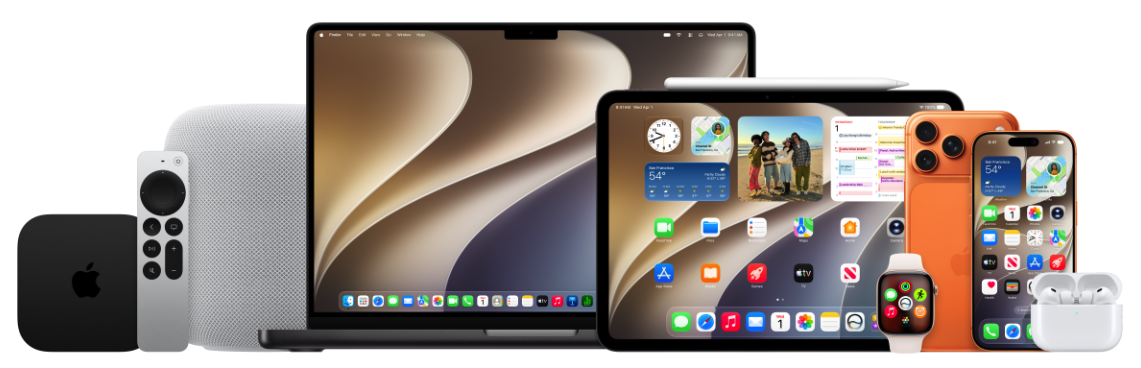
The developer betas provide an early look at these upcoming changes, allowing developers to test their applications and ensure compatibility. For the broader public, these betas offer a glimpse into the direction Apple is heading with its software. While detailed impressions of macOS 27, iOS 27, and iPadOS 27 have been published, it’s important to note that these initial reviews predate the wider rollout of the new Siri AI. The editor’s note accompanying the original publication highlights that impressions of the new Siri AI are still pending, as users are being onboarded from a waitlist. The editor themselves has recently received notification that the new Siri AI is ready for use on their MacBook Air and iPhone, with an impressions article planned. This phased rollout of advanced AI features suggests a deliberate strategy by Apple to manage server load and gather real-world usage data before a full public release.
The availability of these developer betas is a critical step in the software development lifecycle, enabling Apple to identify and address bugs and performance issues before the stable release to the general public. Users who opt to install beta software do so at their own risk, as these versions can be unstable and may cause data loss or system malfunctions.
Innovative Fix Revives Network Time Capsule in macOS 27
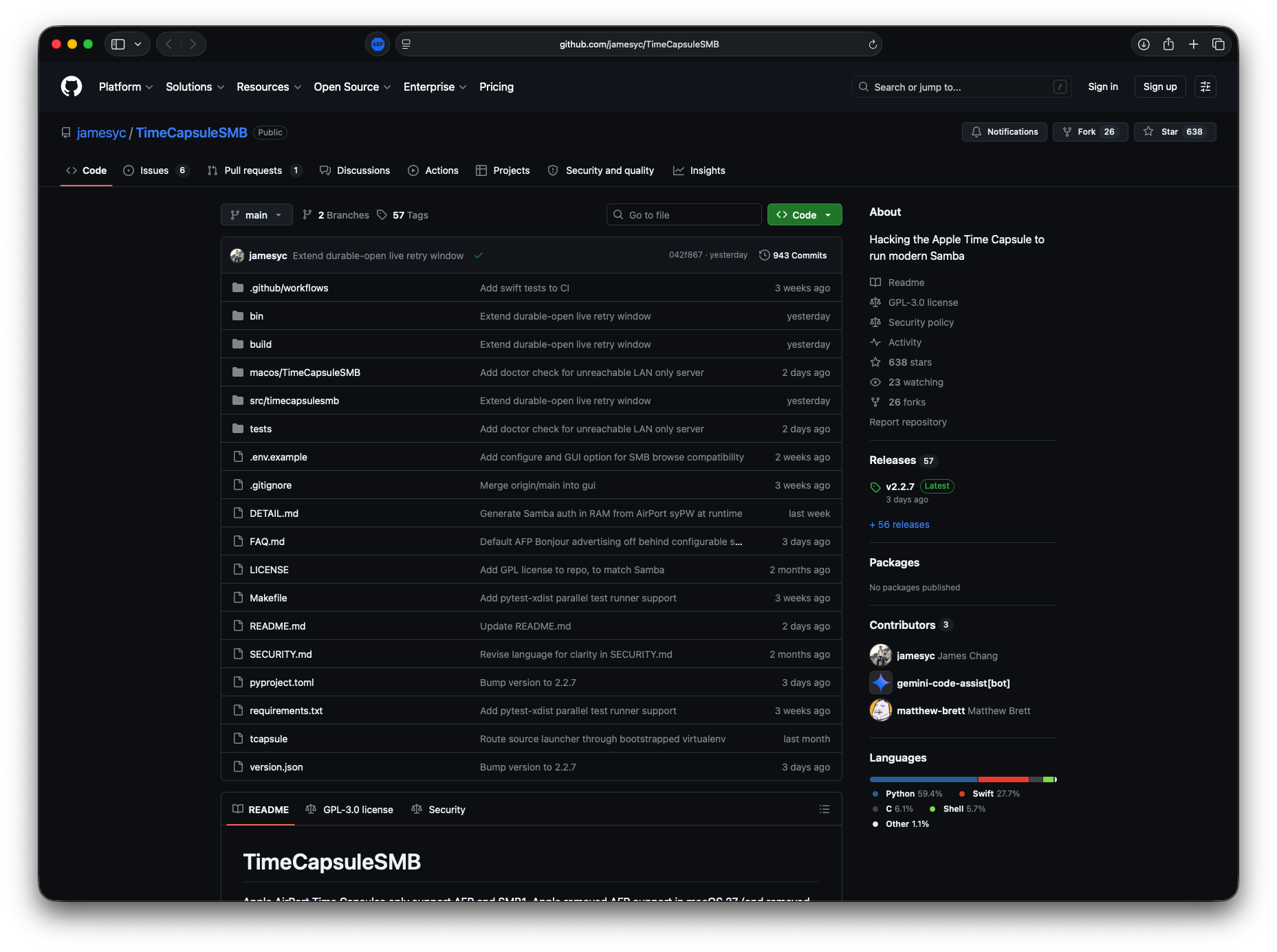
A notable development for users of Apple’s retired Network Time Capsule hardware comes in the form of a community-driven solution for macOS 27. While macOS Golden Gate (macOS 27) officially dropped support for Apple File Protocol (AFP), the traditional method for accessing network-attached storage, and consequently for the Network Time Capsule, an engineer from Microsoft has developed a workaround. This ingenious fix, titled "TimeCapsuleSMB," leverages the Server Message Block (SMB) protocol to enable continued functionality for the Time Capsule.
The TimeCapsuleSMB project effectively transforms the Network Time Capsule into a Samba server, specifically running Samba 4.24.3. Since macOS 27 maintains robust support for SMB, this adaptation allows Apple’s latest operating system to discover and utilize the Time Capsule for backups and file sharing. Bonjour, Apple’s zero-configuration networking protocol, is utilized to broadcast the SMB service over the network, ensuring that macOS 27 can seamlessly detect and connect to the device. This initiative is a testament to the ingenuity of the developer community in extending the lifespan of older hardware in the face of evolving software standards. For users who still rely on their Time Capsules, this fix offers a vital lifeline, preventing the need for immediate hardware replacement solely due to software incompatibility. The project’s availability on GitHub further signifies its open-source nature and community-driven development.
iPhone Air 2 Rumored to Feature Dual Camera System
Speculation is mounting regarding the potential inclusion of a second camera on the upcoming iPhone Air 2. While Apple has not officially commented on future hardware iterations, the desire for enhanced photographic capabilities has been a persistent theme among users. The original iPhone Air, introduced as a more accessible option, has been met with interest, with some users, like the author of the original piece, upgrading from previous Pro models.
The potential addition of a second camera on the iPhone Air 2 would represent a significant upgrade, addressing a long-standing request from users who desire more versatility in their mobile photography without necessarily opting for the premium Pro models. Such an enhancement could potentially lead to delays in the phone’s release as Apple refines the integration and ensures optimal performance. The inclusion of a dual-camera system, typically comprising a wide and an ultrawide lens, would significantly expand the creative possibilities for iPhone Air users, allowing for wider landscape shots and more dynamic perspectives. This move would also further differentiate the Air lineup from the base iPhone models, solidifying its position in the market.
Release of Release Candidate Builds for Sonoma and Sequoia Updates
In preparation for broader public releases, Apple recently distributed Release Candidate (RC) builds for upcoming updates to macOS Sonoma and macOS Sequoia. These RC builds, which represent the final testing phase before the stable release, were issued alongside a series of OS 26.6 Developer Betas. This indicates that Apple is on track to deliver these updates to users in the near future, bringing a suite of new features, performance improvements, and security enhancements.
The release of RC builds signifies a high level of confidence in the stability and functionality of the software. These builds are typically used by developers and advanced users to perform final testing and ensure that their applications and workflows are compatible with the upcoming operating system versions. The concurrent release of OS 26.6 developer betas suggests a synchronized development cycle across Apple’s platforms, aiming to provide a consistent user experience and feature set. Users eagerly awaiting these updates can anticipate a refined and feature-rich macOS experience.