Hartono Sudibyo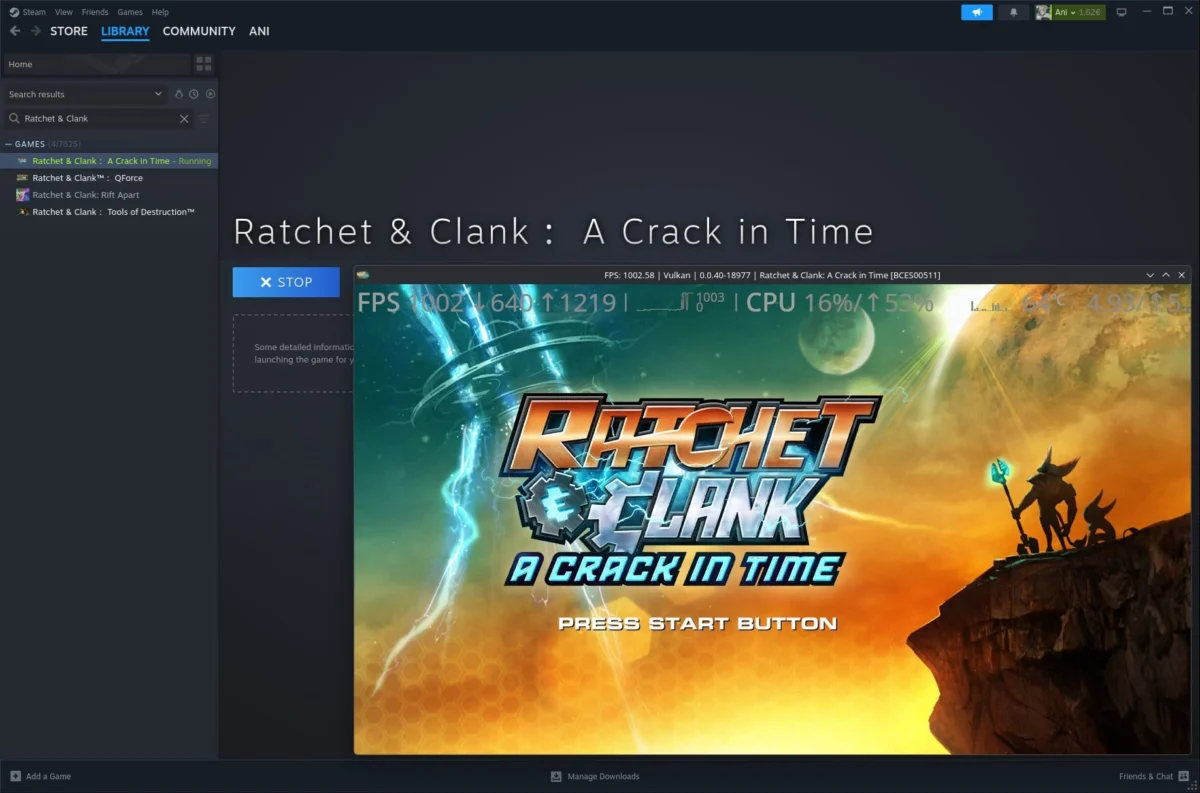
The landscape of PC emulation has witnessed a series of significant advancements in recent weeks, catering to a growing community of retro gaming enthusiasts and those seeking to revisit classic titles on modern hardware. Among these developments, the popular PlayStation 3 emulator, RPCS3, has unveiled a pivotal update that allows users to integrate their PS3 game library directly into their Steam client. This integration promises a more streamlined and unified PC gaming experience, enabling players to launch PS3 titles through Steam’s familiar interface, complete with social features and performance tracking.
This latest development from the RPCS3 development team follows a flurry of other exciting announcements in the emulation sphere. RetroAchievements, a platform that adds achievements and challenges to classic games, is expanding its reach to the Nintendo Wii via the Dolphin emulator. Simultaneously, the world of original Xbox emulation has seen a breakthrough with its availability on Android devices, though questions regarding reliability and trustworthiness remain a point of discussion. Furthermore, early-stage Xbox 360 emulation has made its way to iOS, offering a glimpse into the future of mobile console emulation. The RPCS3 Steam integration emerges as a significant addition to this wave of progress, addressing a long-standing desire among PC gamers to consolidate their diverse game libraries.
The RPCS3 Steam Integration: A Step Towards Unified Gaming
The core functionality of the new RPCS3 update revolves around its ability to create Steam shortcuts for PlayStation 3 games. Previously, users had to navigate through the RPCS3 emulator’s graphical user interface (GUI) to launch their PS3 titles. This often meant a separate launching process distinct from their primary PC gaming platform, Steam. The new feature simplifies this by allowing users to "manage game" within RPCS3 and then generate a "Steam Shortcut." This process automatically links the emulator and the specific game executable to the user’s Steam library.

The implications of this integration are multifaceted. Primarily, it offers a significant convenience factor for PC gamers who extensively use Steam. Instead of launching two separate applications, users can now initiate their PS3 emulated games directly from their Steam library. This not only saves time but also provides a more cohesive gaming environment. When a game is launched via this method, it appears on a user’s Steam friends list as if they were playing the game natively through Steam, rather than simply running the RPCS3 emulator. This fosters a greater sense of social integration and can enhance the shared gaming experience among friends.
Enhanced Functionality and User Experience
Beyond mere convenience, the integration unlocks several of Steam’s robust features for emulated PS3 titles. These include:
- Playtime Tracking: Steam’s built-in system will now accurately log the hours spent playing PS3 games through RPCS3, providing users with a comprehensive record of their gaming activities.
- Screenshot and Screen Recording: Users can leverage Steam’s overlay to capture screenshots and record gameplay footage of their emulated PS3 experiences, facilitating content creation and sharing.
- Steam Overlay Integration: While the extent of the overlay’s functionality with emulated games may vary, the potential exists for access to features like community guides, discussions, and even in-game purchases if applicable to the specific game’s Steam integration.
- Achievement Potential: While RPCS3 itself does not natively support Steam achievements, this integration opens avenues for third-party tools or future development that could bridge this gap, allowing for a more complete retro gaming experience akin to modern titles.
The RPCS3 team announced this feature via their official X account (formerly Twitter), sharing screenshots that illustrate the straightforward process of creating a Steam shortcut. The visual evidence demonstrated a user-friendly interface where a simple "manage game" option leads to the creation of the Steam shortcut, highlighting the development team’s commitment to user experience and accessibility. This proactive communication demonstrates a dedication to keeping the community informed about the emulator’s ongoing development.
A Testament to the RPCS3 Development Team’s Dedication
The RPCS3 emulator has long been a flagship project in the realm of console emulation, known for its meticulous development and impressive compatibility with a vast library of PlayStation 3 titles. The project, which is open-source and driven by a dedicated team of volunteer developers, has consistently pushed the boundaries of what is possible in emulating complex modern hardware. The addition of Steam integration is a clear indicator that the team is not only focused on technical accuracy and performance but also on enhancing the overall user experience and integrating their emulator into the broader PC gaming ecosystem.

This update underscores the ongoing evolution of emulation technology, moving beyond simply making games playable to making them accessible and enjoyable within established gaming platforms. It reflects a growing maturity in the emulation community, with developers actively seeking ways to bridge the gap between retro gaming and contemporary digital distribution and social platforms.
Timeline of Key Developments in Emulation
The recent surge in emulation advancements can be contextualized within a broader timeline of progress:
- Early 2000s: Initial, often rudimentary, emulators for older consoles like the NES, SNES, and Genesis begin to emerge. These were primarily for enthusiasts with deep technical knowledge.
- Mid-2000s: Emulators for more complex systems like the PlayStation and Nintendo 64 gain traction, with increasing accuracy and playable game libraries.
- Late 2000s – Early 2010s: The development of emulators for more powerful consoles such as the GameCube, Wii, and PlayStation 2 becomes a significant focus. Projects like Dolphin and PCSX2 showcase remarkable progress.
- Mid-2010s: The advent of emulators for even more recent generations, including the Xbox 360 and PlayStation 3, begins to be explored. RPCS3, a PlayStation 3 emulator, starts its journey, facing immense technical challenges due to the PS3’s unique architecture.
- Late 2010s – Early 2020s: Emulators like RPCS3 achieve significant milestones, with an increasing number of PS3 games becoming playable, often with high levels of accuracy and performance. Compatibility lists expand dramatically. Features like Vulkan API support are integrated, boosting performance.
- 2024-2026 (Emerging Trends): The current period sees a focus on integration with modern platforms (e.g., Steam), broader accessibility (e.g., Android and iOS emulation), and the enhancement of user experience through features like achievements and social integration. The RPCS3 Steam integration is a prime example of this trend.
The development of RPCS3, in particular, has been a long and arduous process. The PlayStation 3’s Cell Broadband Engine processor, with its complex Cell SPU (Synergistic Processing Element) architecture, presented a formidable challenge for emulation. Early attempts were largely unsuccessful, but through years of dedicated effort, reverse-engineering, and architectural understanding, the RPCS3 team has managed to achieve remarkable compatibility and performance, making a vast library of PS3 games accessible to PC users.
Broader Impact and Future Implications
The integration of RPCS3 with Steam has significant implications for the future of emulation and PC gaming:
- Increased Legitimacy and Accessibility: By aligning with a mainstream platform like Steam, emulators gain a degree of legitimacy and become more accessible to a wider audience. This can help to demystify emulation for casual users and encourage broader adoption.
- Preservation Efforts: Emulators play a crucial role in game preservation. By allowing PS3 games to be played on modern systems and integrated into platforms like Steam, the longevity of these titles is enhanced, safeguarding them from hardware obsolescence.
- Potential for New Features: The success of this integration could pave the way for similar collaborations between other emulators and digital storefronts. It might also inspire developers to explore further feature enhancements, such as native support for Steam Cloud Saves or more robust controller mapping within Steam’s Big Picture Mode.
- Steam Deck Compatibility: The article briefly touches on Steam Deck compatibility. For handheld PC gaming enthusiasts, the ability to launch PS3 games through Steam on their Steam Deck, even with some initial setup required for optimal performance and visual presentation (like box art), is a highly desirable feature. This opens up a vast library of classic games to a portable, modern gaming device. The potential for a smooth, integrated experience on the Steam Deck is a significant draw for this segment of the gaming community.
The RPCS3 team’s commitment to refining the user experience, as evidenced by this Steam integration, suggests a forward-thinking approach to emulation. While the technical hurdles of emulating complex consoles remain, the focus on user-friendliness and platform integration is a clear indicator of the emulator’s evolving role in the broader gaming landscape.
Official Statements and Community Reactions (Inferred)
While direct quotes from external parties are not provided in the source material, the announcement on X by the RPCS3 team serves as their official statement. Their phrasing, "Games can be launched directly from Steam, without going through the main RPCS3 UI," directly communicates the benefit and intended use of the feature.
The broader emulation community, which actively engages on platforms like Reddit, emulation forums, and social media, is likely to have reacted positively to this news. Discussions would typically revolve around the ease of setup, the seamlessness of the integration, and the potential for future enhancements. Positive feedback often fuels further development and encourages the community to contribute bug reports and feature suggestions. The RetroAchievements integration with Dolphin and the advancements in Xbox emulation on Android and iOS further contribute to a positive sentiment within the retro gaming community, with RPCS3’s Steam integration being a significant highlight.
Conclusion
The latest update to the RPCS3 emulator, enabling direct integration with Steam, represents a significant step forward in the quest for a unified and convenient PC gaming experience. By allowing users to launch PS3 titles through their familiar Steam client, the development team has not only enhanced usability but also unlocked a suite of valuable Steam features for an expansive library of classic games. This advancement is a testament to the dedication and ongoing innovation within the emulation community, ensuring that the rich history of video games remains accessible and enjoyable for generations to come. As emulation technology continues to mature, such integrations are likely to become increasingly common, further blurring the lines between native PC titles and expertly emulated classics.