Hartono Sudibyo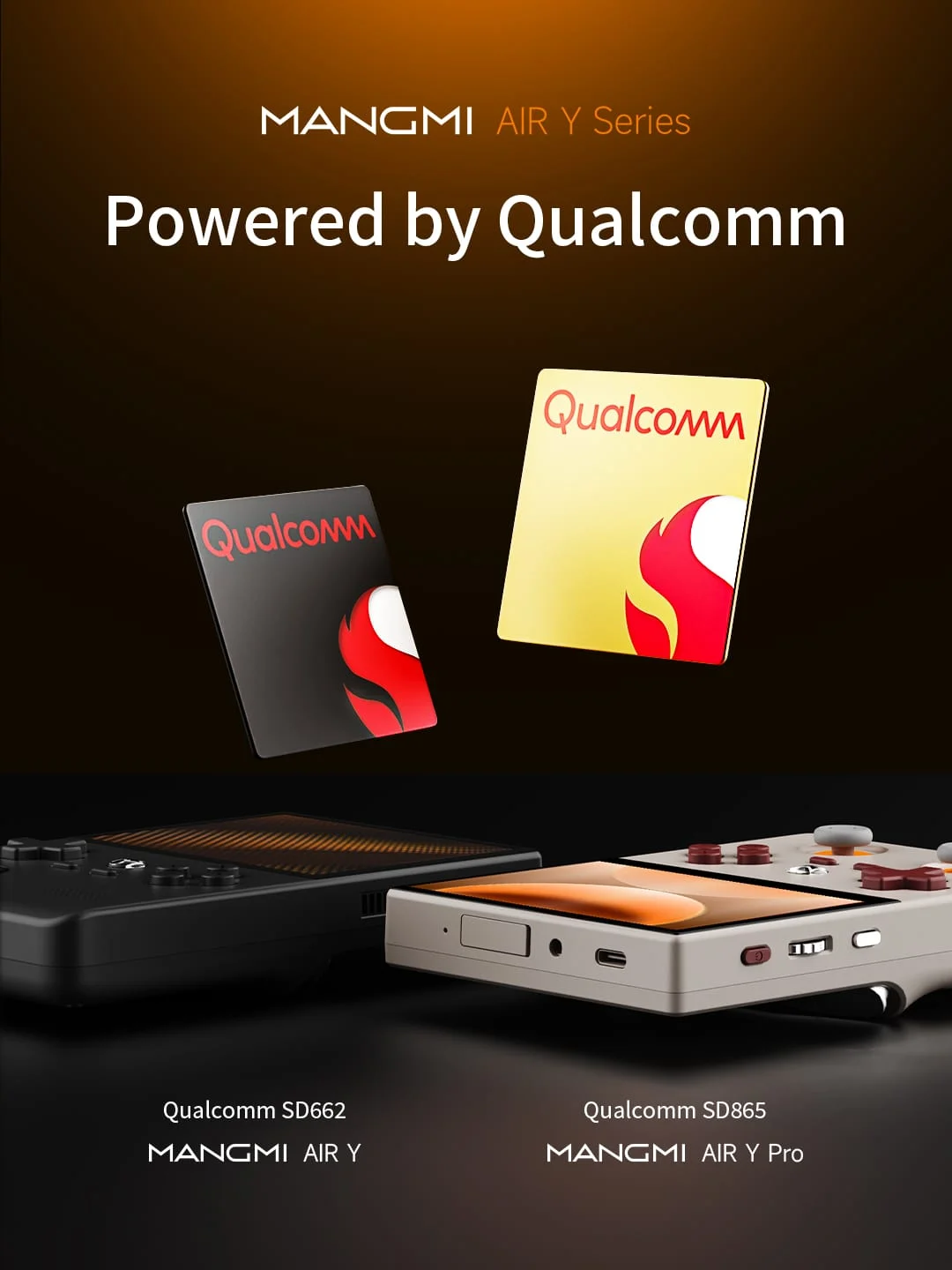
Mangmi, a company increasingly making its presence felt in the portable retro gaming hardware market, has officially disclosed the central processing units that will power its forthcoming AIR Y and AIR Y Pro handheld consoles. This revelation, following closely on the heels of the company’s announcement regarding the screen specifications for these devices, signals a strategic move by Mangmi to bolster the emulation performance of its latest offerings, particularly targeting the demanding emulation of GameCube and subsequent console generations. The disclosure of these processor details provides crucial insight into the capabilities and potential market positioning of these new handhelds, which are anticipated for release by the end of the current month.
A Strategic Succession of Announcements
The recent unveiling of processor specifications for the AIR Y series follows a pattern of incremental information dissemination from Mangmi, a tactic often employed by tech companies to maintain public interest and build anticipation for new product launches. Just days prior, Mangmi shared detailed specifications concerning the display technology integrated into the AIR Y and AIR Y Pro. This measured release of information allows consumers and industry observers to digest and analyze each new detail, fostering a more informed perspective on the devices. This approach suggests a well-orchestrated marketing strategy designed to highlight key features sequentially, ensuring each announcement receives adequate attention before the next is made.
Processor Choices: A Foundation for Emulation Prowess
The choice of processors is a critical determinant of a handheld console’s ability to emulate older gaming systems. Mangmi’s selection for the AIR Y and AIR Y Pro indicates a clear ambition to push the boundaries of what is achievable in portable emulation, especially for hardware-intensive platforms like the Nintendo GameCube and the PlayStation 2.
The AIR Y: A Familiar Foundation with Enhanced Potential
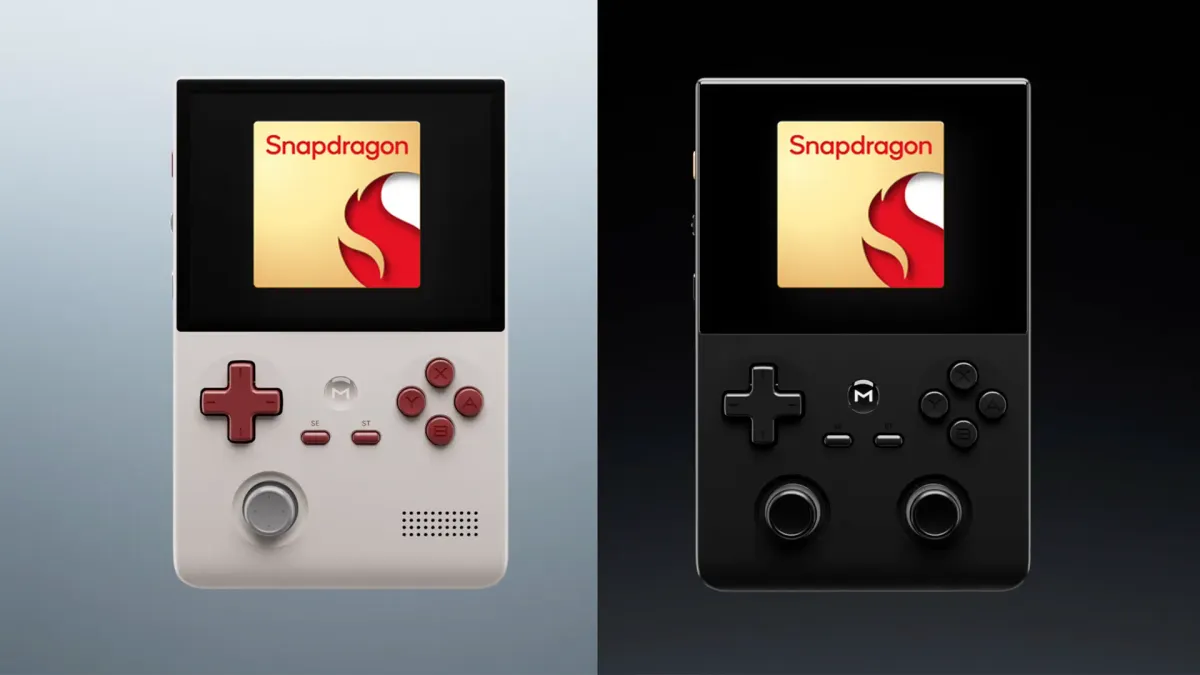
The base model, the AIR Y, is slated to feature the Qualcomm Snapdragon 662 processor. This chipset is not new to Mangmi’s product line; it was previously utilized in their well-received AIR X model. The AIR X, released at a competitive price point of $99, demonstrated a remarkable capacity for PS2 emulation, a feat that was particularly impressive given its cost. This earlier performance suggested that the Snapdragon 662, when paired with optimized software and potentially a refined cooling system, could indeed deliver a viable GameCube and PS2 emulation experience.
The decision to re-employ the Snapdragon 662 in the AIR Y likely stems from a desire to replicate the successful value proposition of the AIR X while potentially offering incremental improvements in other areas, such as the display or battery life. If Mangmi aims to price the AIR Y competitively, perhaps in a similar range to its predecessor, it would position the device as a direct challenger to other budget-friendly retro handhelds that have recently entered the market. The TRIMUI Brick Pro, for instance, has garnered significant attention, and a similarly priced AIR Y with comparable or superior emulation capabilities would present a compelling alternative for consumers. The Snapdragon 662, while not a flagship chip by current standards, offers a balanced performance profile for its intended purpose, excelling in mid-range mobile gaming and providing sufficient power for many emulation tasks up to the 6th generation of consoles. Benchmarks from its previous use in devices like the AIR X indicate that it can handle a respectable library of PS2 titles, with performance varying depending on the specific game’s demands and the emulator’s optimization.
The AIR Y Pro: Aiming for the High Fidelity Emulation Zone
The AIR Y Pro represents a significant step up in terms of processing power, equipped with the Qualcomm Snapdragon 865. This high-performance chipset is recognized for its robust capabilities, having previously powered Mangmi’s larger Pocket Max handheld. The Snapdragon 865 is a powerhouse, renowned for its ability to effortlessly emulate PS2 titles even at resolutions higher than their native output. During testing of devices featuring this processor, it proved capable of pushing the limits of many Android games, demonstrating its substantial graphical and computational prowess.
The integration of the Snapdragon 865 into a more compact form factor like the AIR Y Pro is particularly exciting. This chipset is a significant upgrade from the Snapdragon 662, offering a substantial increase in CPU and GPU performance. The Snapdragon 865 is built on a 7nm process technology and features a Kryo 585 CPU and an Adreno 650 GPU, both of which are considerably more powerful than their counterparts in the Snapdragon 662. This translates to smoother frame rates, higher resolutions, and the ability to tackle more demanding emulation targets. Its inclusion in the Pocket Max has already established it as a top-tier performer in the Android handheld space, making its inclusion in a smaller device like the AIR Y Pro a significant development for portable emulation enthusiasts. The implications of this are far-reaching, potentially setting a new standard for what can be expected from a pocket-sized emulation device.

The prospect of achieving flawless PS2 emulation on a device that easily fits into a pocket is a significant draw for many retro gaming aficionados. This level of performance in a smaller form factor suggests that Mangmi is targeting users who prioritize both portability and high-fidelity emulation without wanting to compromise significantly on either.
Design Insights: First Glimpse at the Device’s Peripherals
Beyond the internal specifications, the recent disclosures have also provided the first visual confirmation of the AIR Y’s external design, specifically the layout of its top panel. This glimpse reveals the inclusion of several key ports and features. An SD card slot is visible, which is essential for expanding storage and loading game ROMs and emulators. A 3.5mm headphone jack is also present, a welcome addition for users who prefer wired audio solutions. While its placement at the top might be a point of contention for some who prefer it at the bottom for ergonomic reasons, its inclusion is a positive for audio connectivity. Furthermore, a USB-C port is evident, which will undoubtedly serve the dual purpose of charging the device and potentially enabling video output, allowing users to connect the handheld to external displays for a larger screen experience. The presence of these ports suggests a focus on user convenience and expandability.
Market Positioning and Competitive Landscape
The processor choices, coupled with the previously announced screen specifications, paint a clearer picture of Mangmi’s strategy for the AIR Y series. By leveraging established, capable processors and focusing on the emulation of demanding platforms, Mangmi is clearly aiming to capture a segment of the market that values performance for newer emulation targets.
The AIR Y, with its Snapdragon 662, appears poised to compete in the increasingly crowded budget-friendly retro handheld market. This segment is characterized by devices that aim to offer a broad range of emulation capabilities at an accessible price point. The success of the AIR X in this arena suggests that Mangmi has a solid understanding of consumer expectations in this tier. The key challenge will be to balance performance with cost, ensuring that the emulation experience is not compromised by software or hardware limitations.
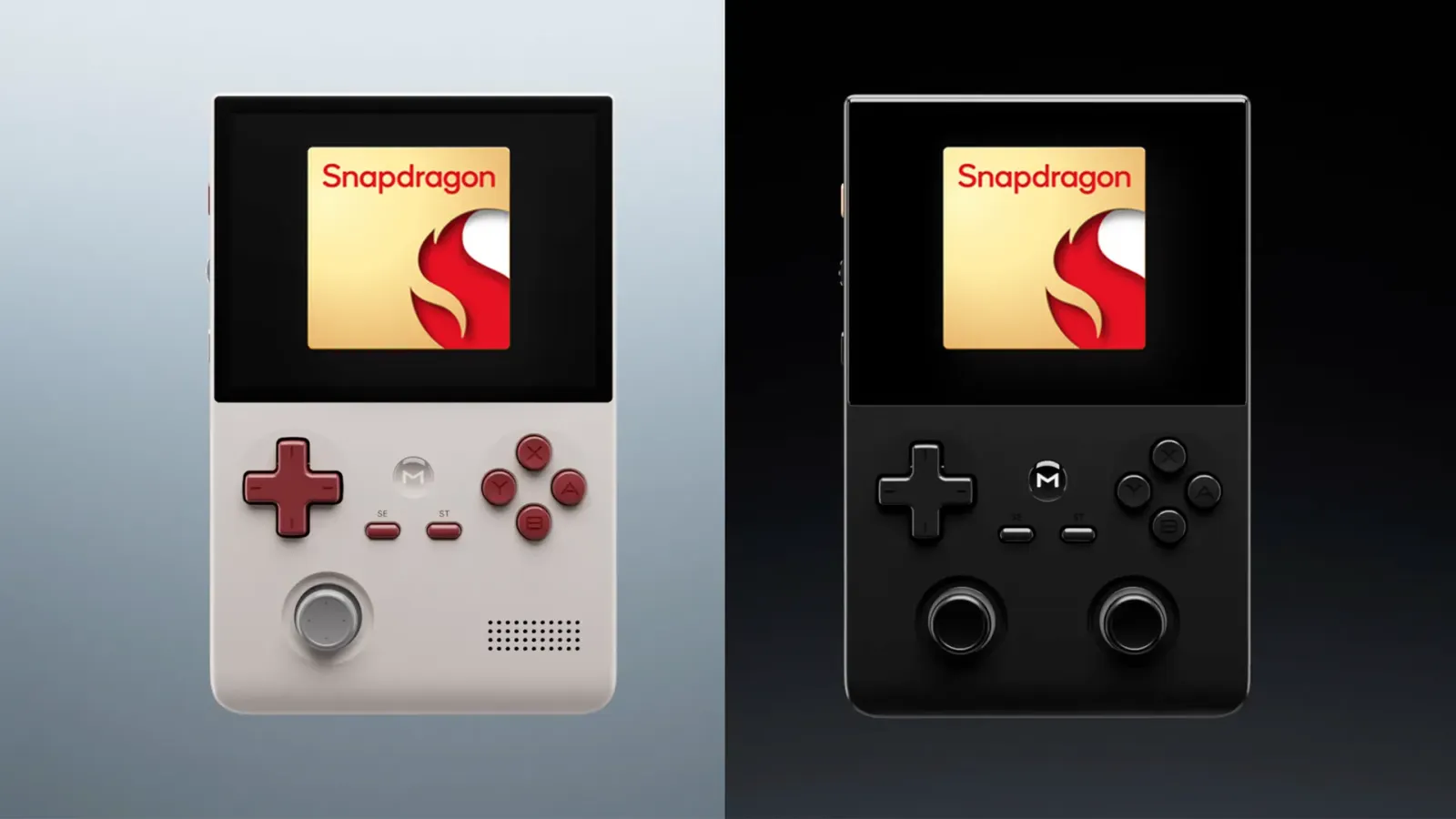
The AIR Y Pro, on the other hand, targets a more performance-oriented consumer. The Snapdragon 865 places it in direct competition with more premium Android handhelds that are capable of high-fidelity emulation. The success of the Pocket Max, which features the same processor, indicates that Mangmi can deliver a robust user experience with this chipset. The AIR Y Pro’s smaller form factor, combined with the power of the Snapdragon 865, could make it an attractive option for those who want top-tier emulation performance without the bulk of larger devices. The primary question for the AIR Y Pro will be whether its 4.2-inch display is adequately suited to the visual demands of high-resolution emulation, or if the power will be primarily utilized for smoother, more consistent emulation at native or slightly enhanced resolutions.
The Broader Implications for Portable Emulation
Mangmi’s strategic use of processors like the Snapdragon 662 and 865 underscores a significant trend in the retro gaming handheld market: the ongoing pursuit of higher fidelity emulation. As chip manufacturers continue to produce more powerful and efficient mobile processors, companies like Mangmi are able to leverage this technology to bring increasingly complex gaming systems into the portable realm. The ability to emulate GameCube and PS2 games effectively on a handheld device that can fit in a pocket represents a substantial leap forward from the early days of handheld emulation, which were largely confined to systems like the NES, SNES, and Game Boy.
This development has several implications:
- Increased Accessibility: More powerful processors make high-fidelity emulation accessible to a wider audience. Devices that can emulate a broader range of consoles at good performance levels lower the barrier to entry for experiencing classic games.
- Evolving Expectations: As devices like the AIR Y and AIR Y Pro demonstrate, consumer expectations for retro handhelds are shifting. Users are increasingly looking for devices that can handle not just 8-bit and 16-bit systems, but also the more demanding 3D consoles of the late 1990s and early 2000s.
- Technological Advancement: The competition in this space, driven by companies like Mangmi, pushes technological boundaries. The demand for powerful yet efficient mobile chipsets for emulation encourages further innovation from semiconductor manufacturers.
- Niche Market Growth: The dedicated retro gaming handheld market continues to grow, catering to a passionate community of enthusiasts. Mangmi’s strategic product releases suggest a keen understanding of this niche and a commitment to serving its evolving needs.
While pricing and an exact release date for the AIR Y and AIR Y Pro remain unconfirmed, the detailed processor disclosures provide a strong indication of the performance capabilities to expect. Mangmi appears to be strategically positioning its new handhelds to appeal to a broad spectrum of retro gaming enthusiasts, from those seeking budget-friendly emulation to those demanding the highest possible fidelity for more demanding systems. The coming weeks will likely see further announcements as the anticipated end-of-month release draws nearer.