Hartono Sudibyo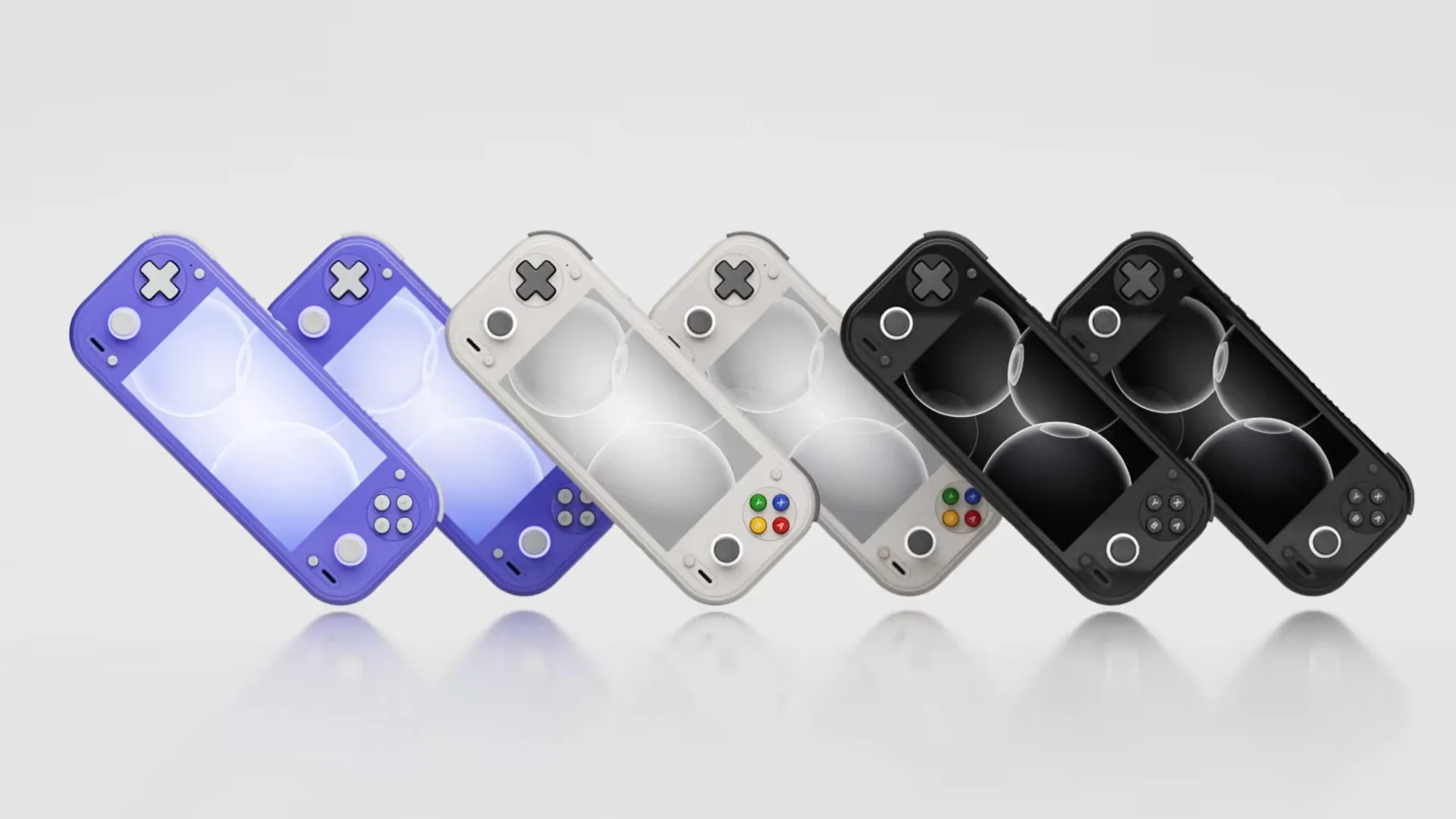
The landscape of portable retro gaming consoles is experiencing a continuous evolution, with manufacturers frequently introducing new devices that aim to capture the nostalgia of past gaming eras while leveraging modern technology. ANBERNIC, a prominent player in this sector, has recently announced its latest offering, the RG551. This new Android-focused retro handheld enters a competitive market, joining devices that share a similar design ethos and target demographic. The RG551 is positioned to appeal to enthusiasts seeking to emulate a wide range of classic video game systems on a dedicated portable device.
The Competitive Landscape of Retro Handhelds
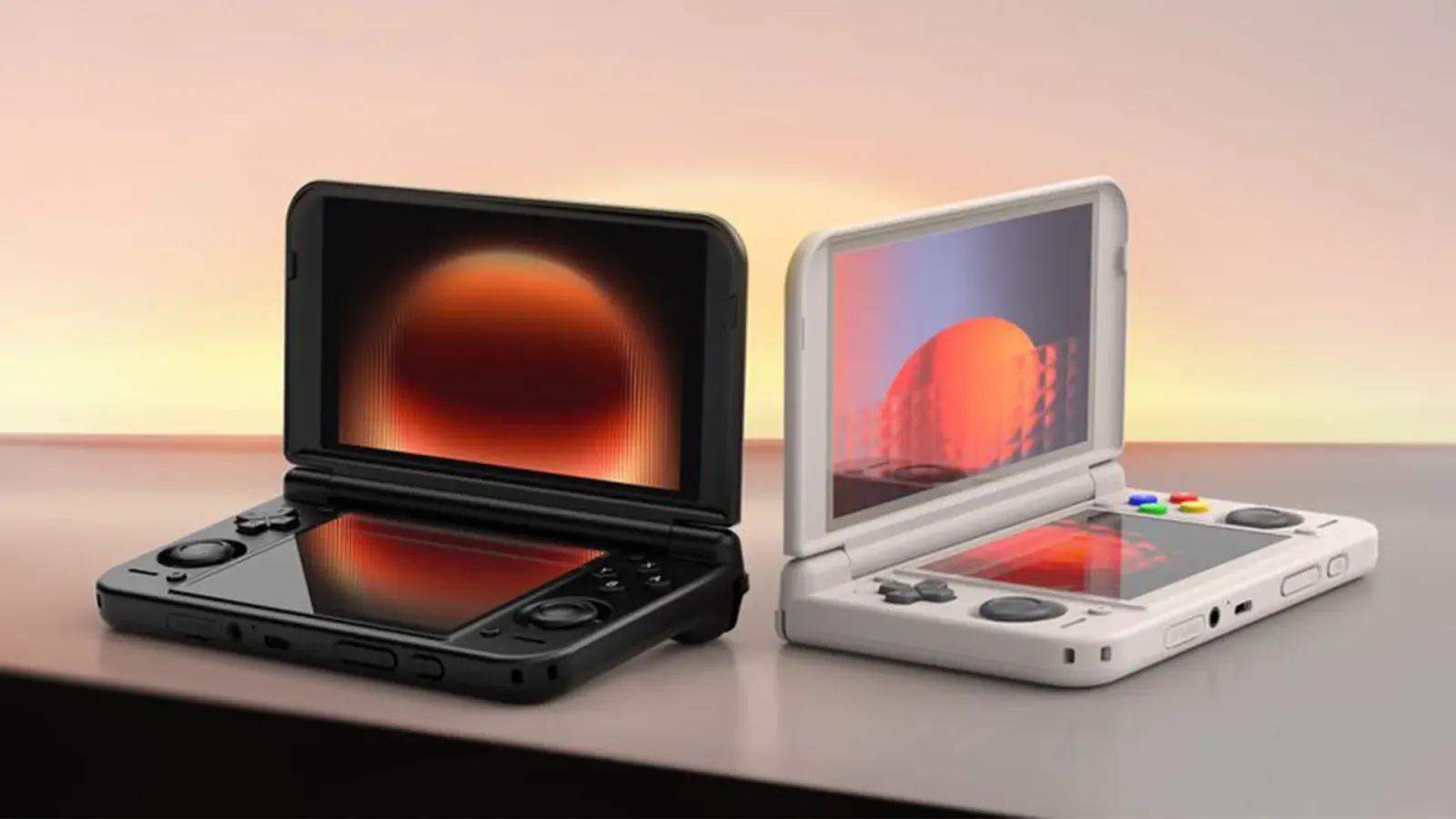
The market for retro gaming handhelds has seen significant growth over the past decade, fueled by a resurgence of interest in classic video games and the increasing accessibility of emulation software. Companies like Retroid, Miyoo, and ANBERNIC itself have been at the forefront of this trend, producing a steady stream of devices that cater to varying needs and budgets. Many of these devices, particularly in the mid-tier segment, have adopted a similar form factor, often drawing inspiration from established console designs like the Nintendo Switch Lite. This convergence in design can, at times, make it challenging for consumers to distinguish between competing products and understand their unique selling propositions.
The RG551’s announcement comes at a time when the market is saturated with options. Devices such as the Retroid Pocket 6 and the Miyoo Air X have established a presence by offering capable emulation performance within a particular price bracket. The RG551’s design, which features a 5.5-inch display and a form factor reminiscent of the Nintendo Switch Lite, places it directly in competition with these existing models. This similarity in aesthetics raises questions about ANBERNIC’s strategy to differentiate the RG551 and carve out its own niche.

Key Features and Design Innovations
ANBERNIC has equipped the RG551 with several features that aim to enhance the user experience for retro gaming enthusiasts. The device sports a 5.5-inch display, a popular screen size for handhelds that balances portability with an immersive viewing area. The physical controls include hall-effect joysticks and double-shot buttons. The latter is a notable design choice, described by the manufacturer as involving two molded plastic components for each button: one for the button’s structure and another for the inscribed text. This construction method aims to prevent wear and fading of lettering, a common issue with prolonged use of some gaming peripherals.
The RG551 also incorporates "2.5D" glass for its screen, a term that refers to glass with subtly curved edges. This design choice creates a smoother transition between the glass and the device’s chassis, contributing to a more refined aesthetic and potentially a more comfortable feel during extended play sessions. The placement of the USB-C port is off-center on the bottom of the device, alongside an SD card slot and a standard 3.5mm headphone jack, catering to common connectivity needs. Furthermore, the device features hall-effect triggers, which are known for their durability and resistance to wear compared to traditional analog triggers.
Internal Architecture and Performance Expectations
While ANBERNIC has not disclosed the exact specifications of the RG551’s internal processor, the company has teased a "new core," suggesting a potential upgrade in its chipset. This hints at the possibility of a more powerful System-on-Chip (SoC) compared to previous ANBERNIC models in a similar class. The implication of a "new core" is that the RG551 could offer improved performance, particularly for emulating more demanding systems.
The retro gaming community has consistently expressed a desire for handhelds capable of reliably emulating PlayStation 2 (PS2) and GameCube titles. These consoles represent a significant leap in graphical fidelity and processing power compared to earlier generations, and their emulation on portable devices often pushes the limits of available hardware. If the RG551’s new core delivers a substantial performance boost, it could significantly enhance the PS2 and GameCube emulation experience on a 5-inch display, a capability that remains a benchmark for high-end retro handhelds.

Color Options and Availability
ANBERNIC typically offers its devices in a range of color variants to appeal to a wider audience. The RG551 is slated to be available in three distinct finishes: Indigo, Retro Gray, and Black. These color choices provide users with options to personalize their gaming device according to their aesthetic preferences. As of the announcement, pricing and a definitive release date for the RG551 have not yet been revealed by ANBERNIC. Such details are usually forthcoming closer to the product’s official launch.
Industry Trends and Manufacturer Strategies
The constant stream of new retro handhelds from various manufacturers can be attributed to several factors within the industry. Firstly, the technological advancements in mobile chipsets have made it increasingly feasible to power sophisticated emulation software on portable devices. Secondly, the enduring popularity of classic video games ensures a consistent demand for hardware that can bring these experiences to life.
Manufacturers often face a balancing act between innovation and market viability. Developing entirely novel designs can be costly and may not resonate with a broad consumer base accustomed to established form factors. Consequently, many companies opt for iterative design improvements and feature enhancements on proven chassis. This approach allows for faster product development cycles and potentially higher profit margins due to economies of scale in manufacturing. The convergence of design elements seen across different brands can be a reflection of this strategy, where manufacturers aim to create devices that are both cost-effective to produce and familiar to consumers.
The mention of "double shot buttons" and "2.5D glass" by ANBERNIC, while seemingly minor details, can be interpreted as attempts to highlight specific quality-of-life improvements and manufacturing techniques that differentiate their products. These features, even if subtle, contribute to the overall perceived value and durability of the device.

Potential Implications for the Retro Gaming Community
The introduction of the ANBERNIC RG551, especially with the promise of a "new core," carries several potential implications for the retro gaming community.
- Enhanced Emulation Capabilities: If the RG551 indeed features a more powerful processor, it could push the boundaries of what is achievable in handheld emulation. This might mean smoother gameplay for more demanding systems like the Nintendo 64, Dreamcast, PSP, and potentially even early PlayStation 2 titles. This would be a significant development for users who prioritize a broad and high-fidelity emulation experience.
- Increased Competition and Consumer Choice: The arrival of a new contender in the mid-tier Android retro handheld market intensifies competition. This can lead to more competitive pricing, further innovation from other manufacturers seeking to keep pace, and a wider array of choices for consumers.
- Refinement of Design Language: While the initial impression might be of design similarity, the subtle enhancements like hall-effect components and the "2.5D" glass suggest a continued refinement of the common retro handheld design language. Manufacturers are likely listening to community feedback regarding durability and user comfort.
- Focus on Android Ecosystem: The RG551’s explicit mention as an "Android focused retro handheld" underscores the continued dominance of the Android operating system in this segment. Android’s open nature and extensive app ecosystem make it an ideal platform for running a vast library of emulators and related applications.
Future Outlook and Community Engagement
The retro gaming community eagerly awaits further details regarding the ANBERNIC RG551, particularly its price point and official release date. Performance benchmarks and hands-on reviews will be crucial in determining its standing against established competitors. The success of the RG551 will likely depend on its ability to deliver a compelling combination of performance, build quality, software support, and value for money.
Manufacturers in this space often engage with their audience through forums, social media, and direct communication channels to gather feedback and build anticipation. ANBERNIC’s tease of a "new core" is a strategic move to generate excitement and signal its commitment to advancing the capabilities of its portable gaming devices. As the market continues to mature, the emphasis on robust emulation performance, user-friendly interfaces, and durable hardware will remain paramount for capturing and retaining the loyalty of retro gaming enthusiasts worldwide. The RG551 represents another step in this ongoing journey, and its reception will undoubtedly shape future product development within ANBERNIC and the broader retro handheld industry.