Cecilia Chamidah Nur
The vibrant world of retro gaming has once again been stirred with excitement as independent developer DomKid releases a significant new demo for their ambitious port of Capcom’s arcade classic, Midnight Wanderers, to the venerable Neo Geo platform. This latest update, arriving over a year after the project’s initial announcement, showcases completed versions of two of the game’s five stages, offering enthusiasts a tangible glimpse into the progress of this highly anticipated fan-made conversion. The demo is now freely available for download on itch.io, marking a pivotal moment for a project that bridges two iconic eras of arcade and home console gaming.
A Deep Dive into the Development Timeline
The journey of bringing Midnight Wanderers to the Neo Geo began in earnest on February 7th, 2025, when DomKid, already recognized in the fan-game community for their work on the Castlevania fangame Maria Renard’s Revenge, first unveiled their audacious plan. The initial announcement sparked considerable interest, as the prospect of seeing a Capcom arcade gem running natively on SNK’s powerful, if exclusive, home console was a tantalizing one. DomKid confirmed at the time that the port was being meticulously crafted using Earok’s Scorpion Engine, a development tool increasingly favored by independent creators for its versatility in targeting retro platforms.
From the outset, DomKid clarified that this would not be a direct, byte-for-byte emulation but rather a reimagining and reconstruction, leveraging the Scorpion Engine’s capabilities to adapt the game’s essence to the Neo Geo’s unique architecture. Early details hinted at an impressive commitment to detail, including 30 distinct animations for the main player character and a foundational recreation of the game’s heads-up display (HUD). While initial iterations lacked music and sound effects, the developer’s expressed intention to further develop the project fueled optimism within the community.
Fast forward to July 16th, 2026, and DomKid has delivered on that promise with the release of this substantial new demo. This update not only confirms the project’s continued momentum but also provides concrete proof of concept, allowing players to experience a polished segment of what is shaping up to be a remarkable technical achievement. The accompanying video released by DomKid further illustrates the visual fidelity and gameplay mechanics, providing a crucial visual reference for those unable to immediately access the demo.
The Genesis of Midnight Wanderers: A Capcom Arcade Jewel
To fully appreciate the significance of DomKid’s undertaking, it is essential to revisit the origins of Midnight Wanderers. The game first graced arcade cabinets in 1991 as a component of Capcom’s innovative Three Wonders compilation. This groundbreaking arcade package was a testament to Capcom’s prowess in the early 90s, offering three distinct gaming experiences under one marquee: Midnight Wanderers: Quest for the Chariot, a whimsical run ‘n gun platformer; Chariot: Adventure Through the Sky, a fast-paced side-scrolling shooter; and Don’t Pull, a charming puzzle game.
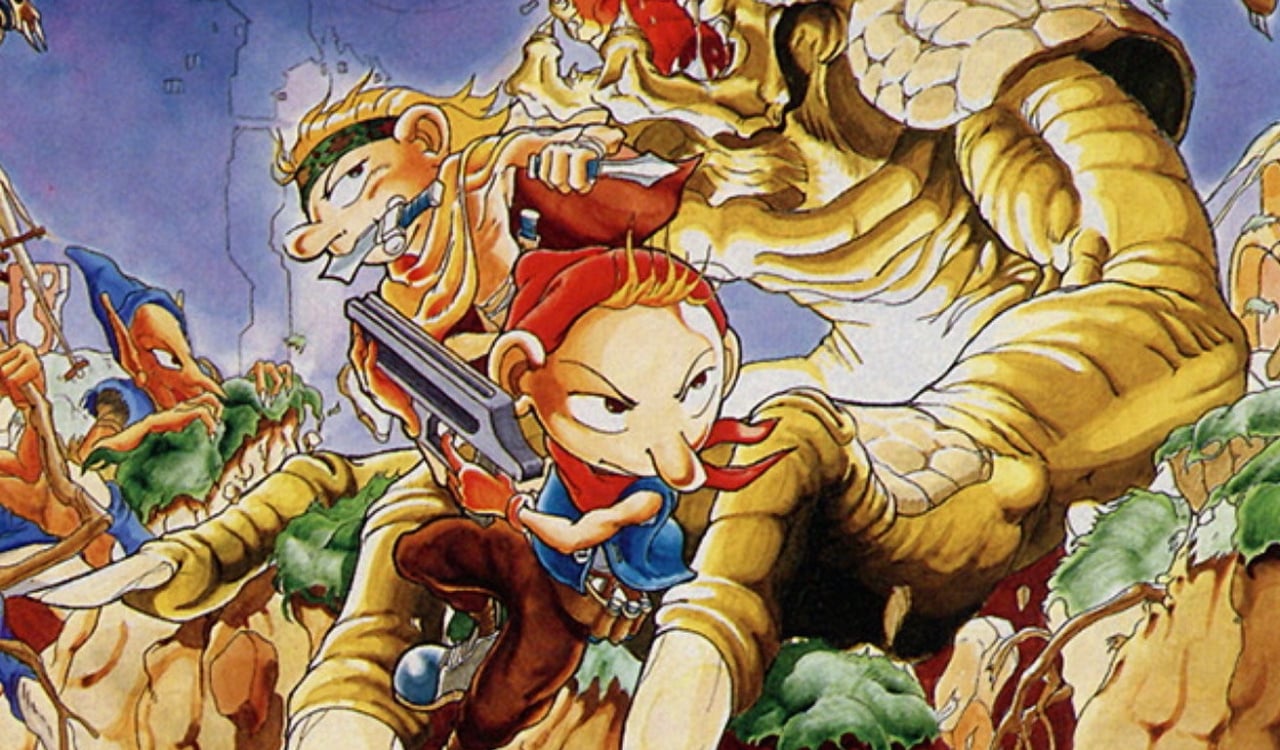
Midnight Wanderers specifically captivated players with its vibrant fantasy setting and engaging gameplay. It allowed up to two players to assume the roles of the hobbit-like protagonists, Lou and Siva, as they embarked on an epic quest to reclaim a stolen chariot from a formidable demon’s castle. Its blend of precise platforming, diverse enemy encounters, and cooperative play solidified its reputation as a memorable entry in Capcom’s extensive arcade library. The game, like its compilation counterparts, was built upon Capcom’s highly successful CP-1 hardware, a powerful system that drove many of the company’s most iconic arcade titles of the era.
While Three Wonders enjoyed considerable success in arcades, its journey to home consoles was a more circuitous one. Capcom had initially flirted with the idea of releasing the compilation on its own "Capcom Power System Changer" – an ambitious, albeit ultimately unreleased, home console rival to SNK’s Neo Geo AES. This unfulfilled promise left fans yearning for a home version for years. Eventually, Xing Entertainment stepped in, publishing the collection exclusively for the Sony PlayStation and Sega Saturn in Japan in 1998. In subsequent years, Three Wonders has seen numerous re-releases as part of various retro compilations, most recently appearing in 2022’s Capcom Arcade 2nd Stadium for modern platforms including the Nintendo Switch, PC, Xbox One, and PlayStation 4. Despite these re-releases, a native port to the Neo Geo, a console contemporary to Midnight Wanderers‘ arcade debut, has remained an elusive dream until now.
The Neo Geo: A Platform of Prestige and Challenge
The decision to port Midnight Wanderers to the Neo Geo is particularly noteworthy due to the console’s unique standing in gaming history. Launched by SNK in 1990, the Neo Geo AES (Advanced Entertainment System) was a premium home console that boasted arcade-perfect conversions of its MVS (Multi Video System) arcade counterparts. Its high price point, both for the console and its game cartridges, positioned it as a luxury item, often dubbed the "Rolls-Royce of gaming." The Neo Geo’s hardware was formidable for its time, featuring a Motorola 68000 CPU and a Zilog Z80 CPU, dedicated graphics chips, and impressive sprite and parallax scrolling capabilities, enabling it to deliver experiences virtually identical to its arcade brethren.
However, developing for the Neo Geo, especially a new port of a game originally designed for different hardware like Capcom’s CP-1, presents significant technical challenges. The architectures, while both powerful 16-bit systems, are distinct. DomKid’s use of the Scorpion Engine is critical here. The Scorpion Engine, a sophisticated cross-platform development tool, simplifies the process of creating games for various retro systems, including the Amiga, Commodore 64, and, in this case, the Neo Geo. It abstracts away some of the low-level hardware intricacies, allowing developers to focus more on game logic and asset integration. Yet, adapting a game like Midnight Wanderers, with its detailed sprites, complex enemy patterns, and fast-paced action, still requires immense skill in optimization and asset conversion to ensure it runs smoothly and authentically on the target hardware. The fact that DomKid has achieved this level of fidelity, as demonstrated in the new demo, underscores a profound understanding of both the source material and the Neo Geo’s capabilities.
DomKid’s Track Record and the Art of Fan Preservation
DomKid’s previous work on Maria Renard’s Revenge provides crucial context for this new endeavor. That fan-made Castlevania game, developed for the Amiga, showcased DomKid’s ability to not only faithfully capture the essence of a beloved franchise but also to innovate within the constraints of retro hardware. Maria Renard’s Revenge garnered significant praise for its quality and dedication, establishing DomKid as a capable and passionate developer within the retro gaming scene. This track record lends considerable credibility to the Midnight Wanderers Neo Geo project, assuring fans that it is in the hands of someone with both the technical expertise and the artistic sensibility required for such an ambitious undertaking.
Fan-made ports and remakes play a vital role in the preservation and ongoing appreciation of video game history. While official re-releases are increasingly common, they often come with their own set of compromises, such as emulation layers or platform exclusivity. Independent developers like DomKid, driven by passion rather than commercial imperative, often go to extraordinary lengths to bring beloved classics to new (or old, in this case) platforms, or to create entirely new experiences that respect the legacy of the originals. These projects frequently highlight the capabilities of retro hardware in ways that even official releases might not, pushing the boundaries of what was thought possible. The Midnight Wanderers Neo Geo port is a prime example of this dedication, serving as both a technical marvel and a loving homage.

Accessing the Demo and Future Prospects
For those eager to experience DomKid’s work firsthand, the new Midnight Wanderers demo is readily available for free download on the z-team itch.io page. Accessibility has been a key consideration for DomKid, ensuring that players have multiple avenues to try out the port.
To play the demo on authentic Neo Geo hardware, such as a Neo Geo AES (home console), MVS (arcade board), or Neo Geo CD, players will require a flash card or loader. This includes popular devices like the BackBit, Darksoft, NeoSD Terraonion, or a NeoCd SD loader. These devices allow enthusiasts to load ROM files onto physical hardware, effectively bypassing the need for original cartridges and enabling the use of homebrew and fan-made titles. This commitment to real hardware compatibility is a significant draw for dedicated retro collectors and purists.
For those without access to original Neo Geo hardware, DomKid has ensured that the demo is also widely playable on popular emulators. Reports confirm compatibility with leading emulation software such as MAME (Multiple Arcade Machine Emulator) and Raine, making the port accessible to a broader audience of retro gaming enthusiasts on modern PCs. This dual approach maximizes the reach of the demo, allowing both hardware aficionados and emulator users to partake in the experience.
Looking ahead, DomKid’s stated intention to "take the project further" suggests a bright future for the Midnight Wanderers Neo Geo port. While the current demo still lacks music and sound effects – a common initial omission in such complex fan projects – the foundation laid in terms of gameplay, animations, and stage design is robust. The next logical steps would involve the implementation of an authentic soundscape, potentially adapting the original game’s iconic soundtrack to the Neo Geo’s sound capabilities, or even creating new arrangements. Further development would also likely focus on completing the remaining three stages, refining gameplay mechanics, and perhaps even adding new features or quality-of-life improvements that were not present in the 1991 original.
The release of this new demo for the Midnight Wanderers Neo Geo port is more than just an update; it’s a testament to the enduring power of classic games, the ingenuity of the fan community, and the ongoing relevance of retro hardware. DomKid’s dedication in breathing new life into a Capcom classic on SNK’s iconic platform is a cause for celebration among retro gamers worldwide, promising a unique blend of nostalgia and innovation for years to come.