Cecilia Chamidah Nur
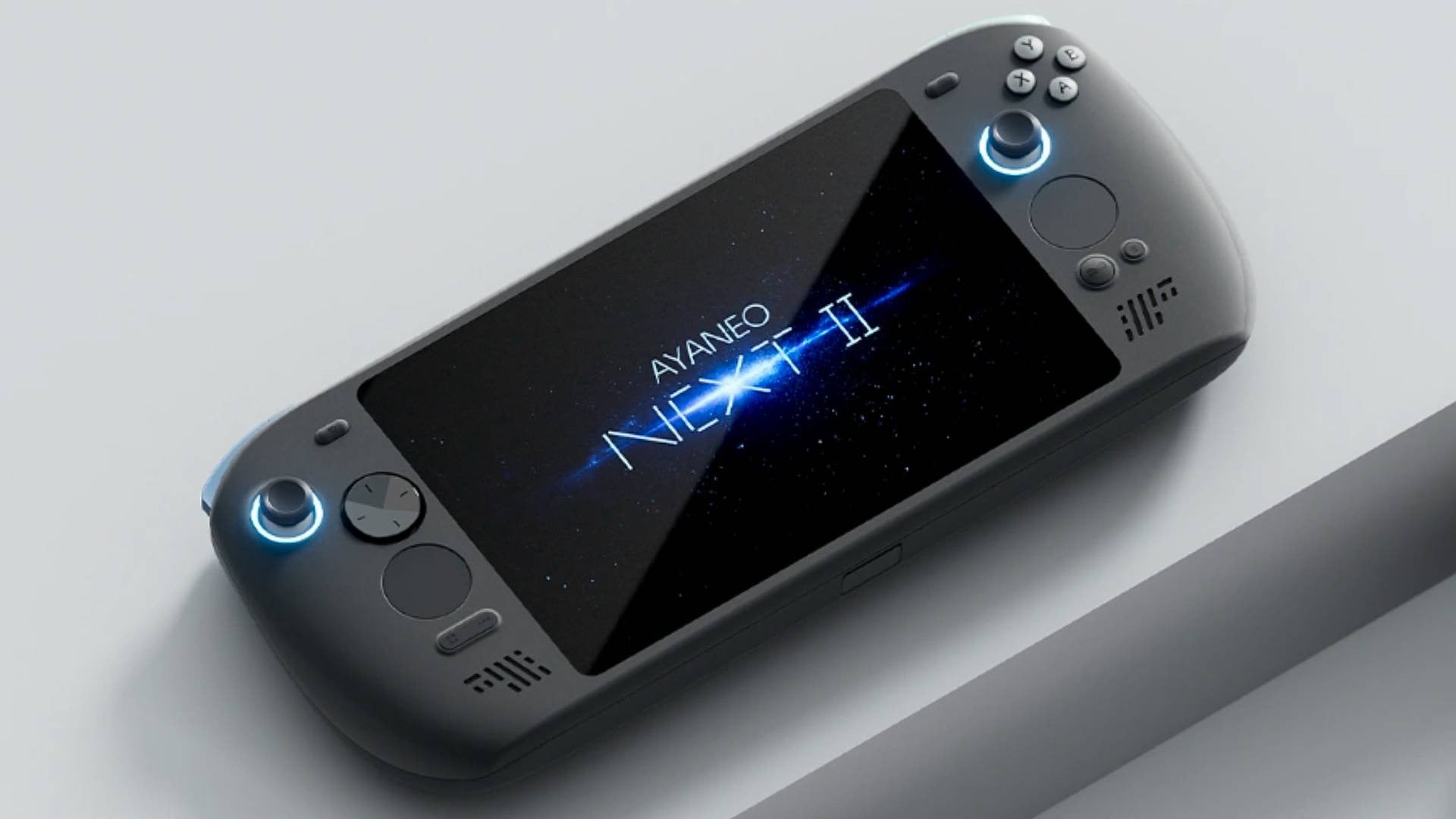
The highly anticipated AYANEO NEXT 2 handheld gaming PC has officially reopened for pre-orders, effective July 4, 2026, after a temporary suspension initiated in March of the same year. However, prospective buyers are now faced with a substantially elevated price point, a direct consequence of the ongoing global RAM crisis that has plagued the consumer electronics sector for months. The only configuration currently available is the Ryzen AI Max+ 395 with 64GB RAM and 1TB storage, now priced at $3,699. This development, announced during a recent product-sharing livestream featuring the company’s CEO, underscores the severe pressures faced by hardware manufacturers in a volatile supply chain environment. Overseas shipments for these newly ordered units are anticipated to commence by the close of July.
The Genesis of Uncertainty: March 2026 Suspension
The journey of the AYANEO NEXT 2 has been marked by significant turbulence. Originally unveiled with considerable fanfare, the device was poised to become AYANEO’s flagship Windows handheld, positioned as a formidable contender in the high-end portable gaming market, even being dubbed a potential "Steam Deck beater" by some enthusiasts. AYANEO, which has carved out a niche as a leading innovator in Windows and Android-based gaming handhelds, enjoys a strong following among users keen on cutting-edge vintage emulation and powerful portable performance. The initial announcement of the NEXT 2 garnered widespread anticipation, building on the brand’s reputation for delivering premium, albeit often expensive, hardware.
However, this enthusiasm was abruptly tempered on March 25, 2026, when AYANEO announced the suspension of all pre-orders for the NEXT 2. The decision was communicated via a detailed statement posted on the NEXT 2’s IndieGoGo crowdfunding page, a platform frequently utilized by AYANEO for its product launches. The core reason cited was the relentless escalation in the cost of memory components, specifically RAM, which had become unsustainable for the company at the originally projected selling prices.
In their statement, AYANEO elaborated on the precarious situation, explaining that "When we launched NEXT 2, storage prices were already at a very high level." The company acknowledged that it was "already under significant cost pressure" at that time. Despite these challenges, AYANEO initially chose to proceed with the launch and open pre-orders, driven by a desire not to disappoint its dedicated fanbase who had eagerly awaited the product. This commitment to its community, even at the expense of profit margins, highlighted the brand’s customer-centric approach.
The situation, however, deteriorated sharply after the Chinese New Year period. Following renewed discussions with suppliers, AYANEO discovered that "storage prices had increased to several times higher than before the holiday." This dramatic surge meant that "the overall cost of the product has become far higher than our current selling price." Faced with an untenable financial model, the company made the difficult but strategic decision to suspend pre-orders indefinitely.
An Unforeseen Market Shift: The Global RAM Crisis Deepens
The "RAM crisis" mentioned by AYANEO is not an isolated incident but a pervasive challenge impacting the global technology supply chain. For several months preceding the NEXT 2’s initial launch, memory component prices had been on an upward trajectory. Industry analysts attribute this surge to a confluence of factors, including increased demand driven by the proliferation of AI applications, a boom in server infrastructure, and persistent supply chain bottlenecks exacerbated by geopolitical tensions and lingering effects of global events. Reports from market intelligence firms indicated that memory spot prices had seen a year-over-year increase of anywhere from 50% to over 100% for certain DRAM and NAND flash components, depending on the specific module and market segment. This unprecedented volatility created an environment where pricing models formulated even a few months prior quickly became obsolete.
AYANEO’s statement further illuminated the severity of the crisis, noting that even before the crowdfunding campaign went live, "storage prices had already been rising for several months." The company had optimistically believed that prices might be "approaching its peak," and had committed to the launch, accepting the possibility of "making little to no profit—or even a slight loss." This willingness to absorb initial costs underscored their dedication to market entry and consumer satisfaction. However, the subsequent, rapid escalation was unexpected. "What we did not expect was that storage prices would not only continue to rise but would increase even more rapidly. At present, the total cost of the product has far exceeded our selling price, even approaching twice the price we originally set," the company revealed. This level of cost inflation rendered continued sales at the initial price "no longer sustainable."
Strategic Rationale: Protecting Consumers and Brand Integrity
The decision to suspend pre-orders was presented not merely as a financial necessity but as a move to safeguard both consumer interests and the long-term viability of the AYANEO brand. The company explicitly stated that "continuing to sell NEXT 2 under the current circumstances could potentially harm the interests of consumers and ultimately affect the long-term development of the brand." This proactive stance aimed to prevent a scenario where AYANEO might be forced to deliver a product at a significant loss, potentially compromising future support, quality, or even the company’s financial stability, which would ultimately impact customers.
For those who had already placed pre-orders before the suspension, AYANEO provided reassurance, confirming that their units would still be delivered. This commitment to early adopters helped mitigate potential backlash and maintain trust. The company also emphasized that the situation was temporary, stating, "If storage prices return to more reasonable levels in the future, we may consider resuming the sale of NEXT 2." This left a window open for a potential return of the product, contingent on market stabilization. However, the unpredictability of the market was also acknowledged: "At this time, we cannot predict when storage prices will decline, but we will continue to closely monitor market changes."
The Resumption: A New Reality for the NEXT 2
The period between the suspension in March and the resumption on July 4, 2026, was undoubtedly a time of intense market monitoring, internal strategizing, and renegotiations for AYANEO. Companies in similar predicaments often engage in rigorous analysis of market trends, explore alternative component suppliers, and re-evaluate their entire product costing structure. The CEO’s announcement during the product-sharing livestream signals that AYANEO has completed this re-evaluation and is now prepared to re-enter the market with an adjusted strategy.
The new pricing reflects the persistent and significantly higher cost of memory components. The $3,699 price tag for the Ryzen AI Max+ 395, 64GB RAM, and 1TB storage configuration is a substantial increase from any previously anticipated figures, firmly placing the NEXT 2 at the premium end of the portable gaming PC market. The Ryzen AI Max+ 395, a cutting-edge processor featuring integrated AI capabilities, combined with a generous 64GB of RAM and a capacious 1TB SSD, represents a powerful hardware package designed for demanding tasks, including high-fidelity gaming and advanced emulation. However, the price point now positions it as a niche device for enthusiasts with significant disposable income, rather than a mainstream competitor.
The decision to offer only one SKU initially – the highest-end configuration – could be a strategic move. By focusing on the most premium variant, AYANEO might be aiming to maximize revenue per unit, especially given the increased component costs. It also suggests that the supply chain for other configurations might still be too unstable or cost-prohibitive to bring to market at this time. The expectation of overseas shipments commencing by the end of July provides a relatively swift turnaround from the re-opening of pre-orders, indicating that production lines are likely already geared up, albeit for a potentially smaller initial batch given the new pricing.
Broader Implications for the Handheld Gaming Market
The AYANEO NEXT 2’s tumultuous launch and subsequent price adjustment offer a stark illustration of the challenges facing the entire consumer electronics industry, particularly in segments reliant on high-performance components like memory. The global RAM crisis is not just affecting AYANEO; it impacts manufacturers of PCs, smartphones, servers, and other smart devices. This situation could lead to several broader implications for the handheld gaming PC market:
- Increased Prices Across the Board: Other manufacturers of premium handhelds may also be forced to adjust their pricing or absorb significant losses, potentially leading to higher prices for consumers across the segment. This could make high-end portable gaming less accessible.
- Shift Towards More Affordable Alternatives: The significant price gap between devices like the AYANEO NEXT 2 and more budget-friendly options, such as the Steam Deck, could widen further. This might drive more consumers towards devices that offer a better price-to-performance ratio, even if they compromise on raw power or specific features. The Steam Deck, with its vertically integrated approach and more modest specifications, might be better insulated from extreme component price fluctuations, though not entirely immune.
- Innovation in Cost-Saving Measures: Hardware companies might increasingly focus on optimizing designs for cost-effectiveness, exploring alternative memory technologies, or streamlining supply chains to mitigate the impact of future component price surges. This could also lead to more modular designs or upgradeable components if feasible.
- Impact on Crowdfunding Models: The NEXT 2’s experience highlights the inherent risks of crowdfunding hardware products in a volatile market. Pledges made early in a campaign, based on initial cost estimates, can quickly become financially unsustainable for the manufacturer if component prices spike. This may lead to more conservative initial pricing, flexible pricing tiers, or even greater transparency from companies about potential cost adjustments during crowdfunding campaigns.
- Consumer Perception and Brand Loyalty: While AYANEO’s transparent communication strategy aims to maintain consumer trust, repeated price adjustments or delays can test brand loyalty. The challenge for AYANEO and similar brands will be to demonstrate that the increased cost translates into a superior, reliable product worth the premium price, backed by excellent post-purchase support.
The Path Forward: Navigating Market Uncertainty
AYANEO’s decision to re-launch the NEXT 2 at a significantly higher price reflects a pragmatic approach to navigating an exceptionally challenging market. It prioritizes the long-term sustainability of the product line and the brand over short-term sales volume at an unsustainable loss. The company’s commitment to delivering pre-ordered units at their original prices, despite incurring substantial losses, speaks to a dedication to its early supporters.
The future success of the AYANEO NEXT 2 at its new price point will depend heavily on consumer willingness to pay a premium for its advanced specifications and the perceived value it offers in the niche high-end handheld market. As the global RAM crisis continues to evolve, all eyes will be on how other manufacturers respond and how the broader consumer electronics landscape adapts to these persistent supply chain and cost pressures. For AYANEO, the journey of the NEXT 2 is a testament to the complex realities of hardware development and sales in the 21st century, where market volatility can reshape even the most anticipated product launches. The company will need to maintain vigilance, adapting its strategies as market conditions fluctuate, to ensure the continued relevance and viability of its ambitious product portfolio.