Hartono Sudibyo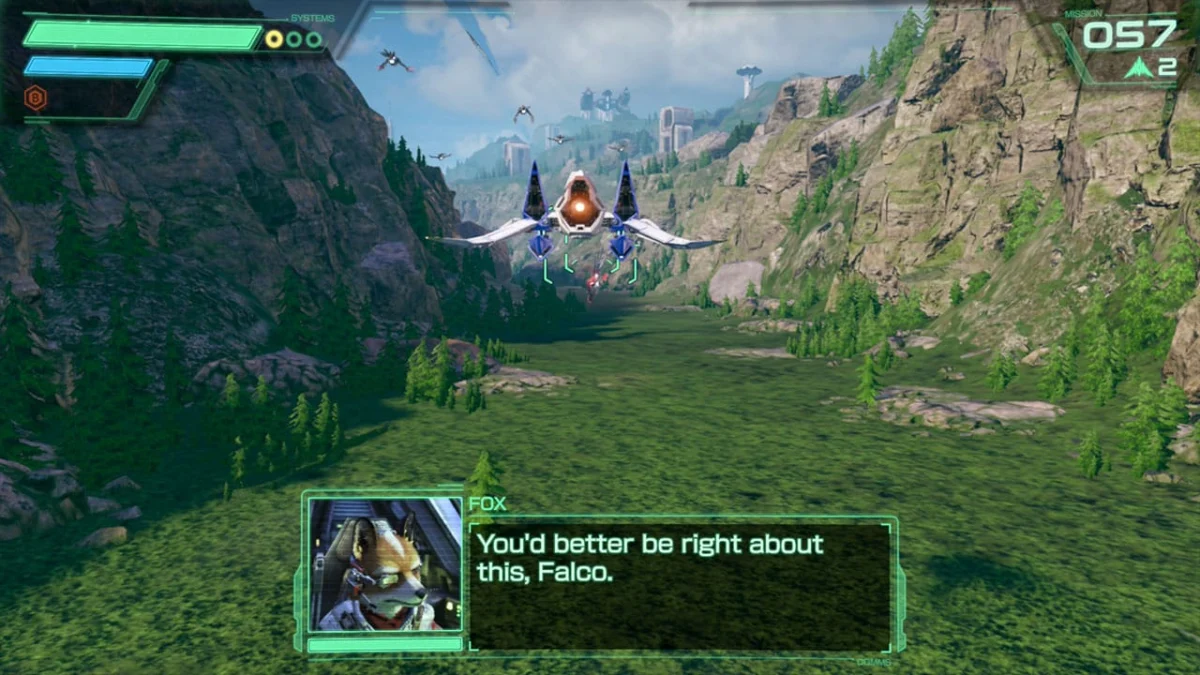
The enduring appeal of Star Fox 64, also known as Lylat Wars in some regions, continues to captivate players even decades after its initial release. A significant part of its replayability stems from the intricate, branching narrative paths that allow players to explore the Lylat System in vastly different ways. While the core mission of defeating Andross remains, the journey to that ultimate confrontation is far from linear. This article delves into the mechanics behind unlocking these alternate routes, offering a comprehensive guide for both nostalgic fans and newcomers to the seminal Nintendo 64 title, with a particular focus on the initial branching opportunities presented in the game’s early stages.
The Genesis of Replayability: Star Fox 64’s Dynamic Campaign Structure
Released in 1997, Star Fox 64 revolutionized on-rails shooter gameplay with its immersive 3D environments, voice acting, and a groundbreaking rumble feature. However, its true genius lay in the campaign’s arcade-like structure, which encouraged multiple playthroughs. Unlike many games of its era that offered a singular, linear experience, Star Fox 64 presented players with a system map of the Lylat System, hinting at unexplored territories and alternative routes. This design choice was a deliberate strategy by developers at Nintendo EAD to extend the game’s lifespan and deepen player engagement. The concept was simple yet effective: player performance and specific in-game actions would dictate their progression through the cosmos. This meant that a single playthrough, even a successful one, would only reveal a fraction of the game’s content.
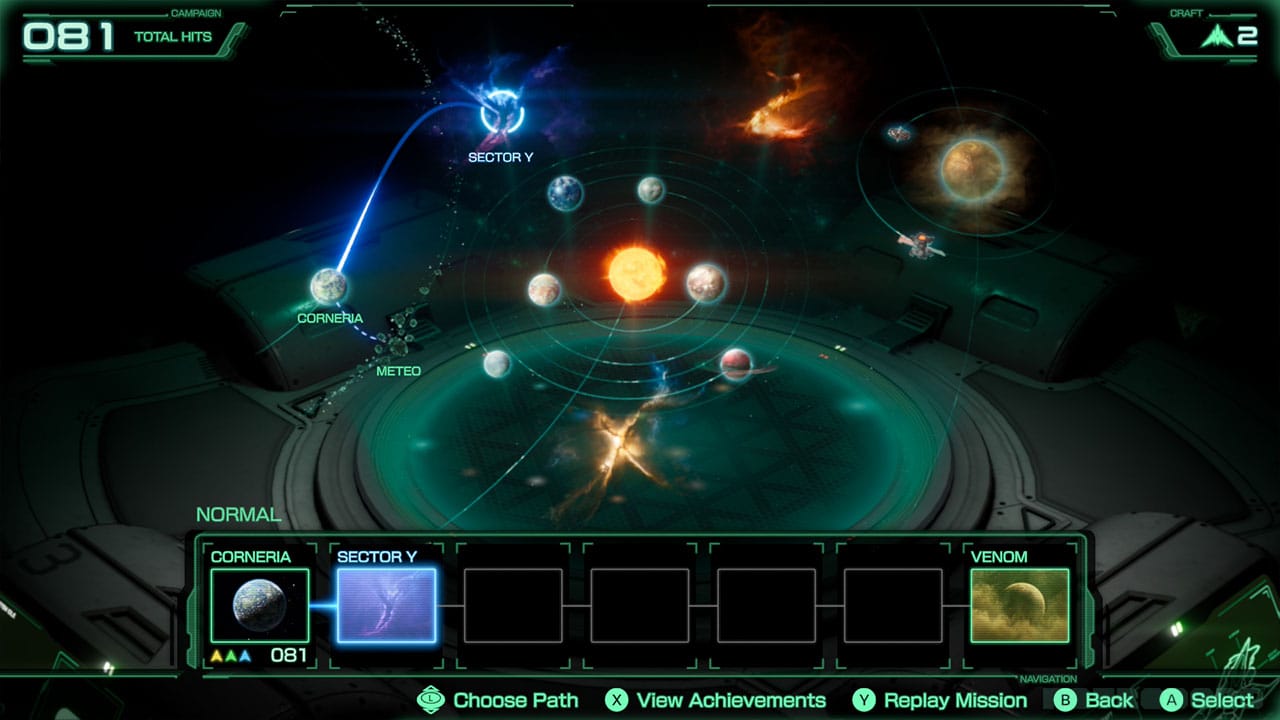
The game’s narrative, while straightforward in its premise – the Star Fox team defending the Lylat System from the villainous Emperor Andross – is woven through a series of interconnected planets and celestial bodies. The visual representation of this on the Lylat System map, with its dotted lines indicating potential paths, served as a constant invitation to experiment and discover. This non-linear approach was a significant departure from previous Nintendo titles and set a new benchmark for how narrative progression could be integrated into action-oriented gameplay.
Navigating the Lylat System: The Crucial Role of Performance and Strategy
The key to unlocking the myriad paths within Star Fox 64 lies in a player’s ability to meet specific, often subtle, criteria within each mission. These criteria can range from achieving a certain score, defeating enemies within a strict time limit, to even ensuring the survival of allied wingmen. The game masterfully integrates these objectives, making them feel like natural extensions of the combat rather than arbitrary hoops to jump through.
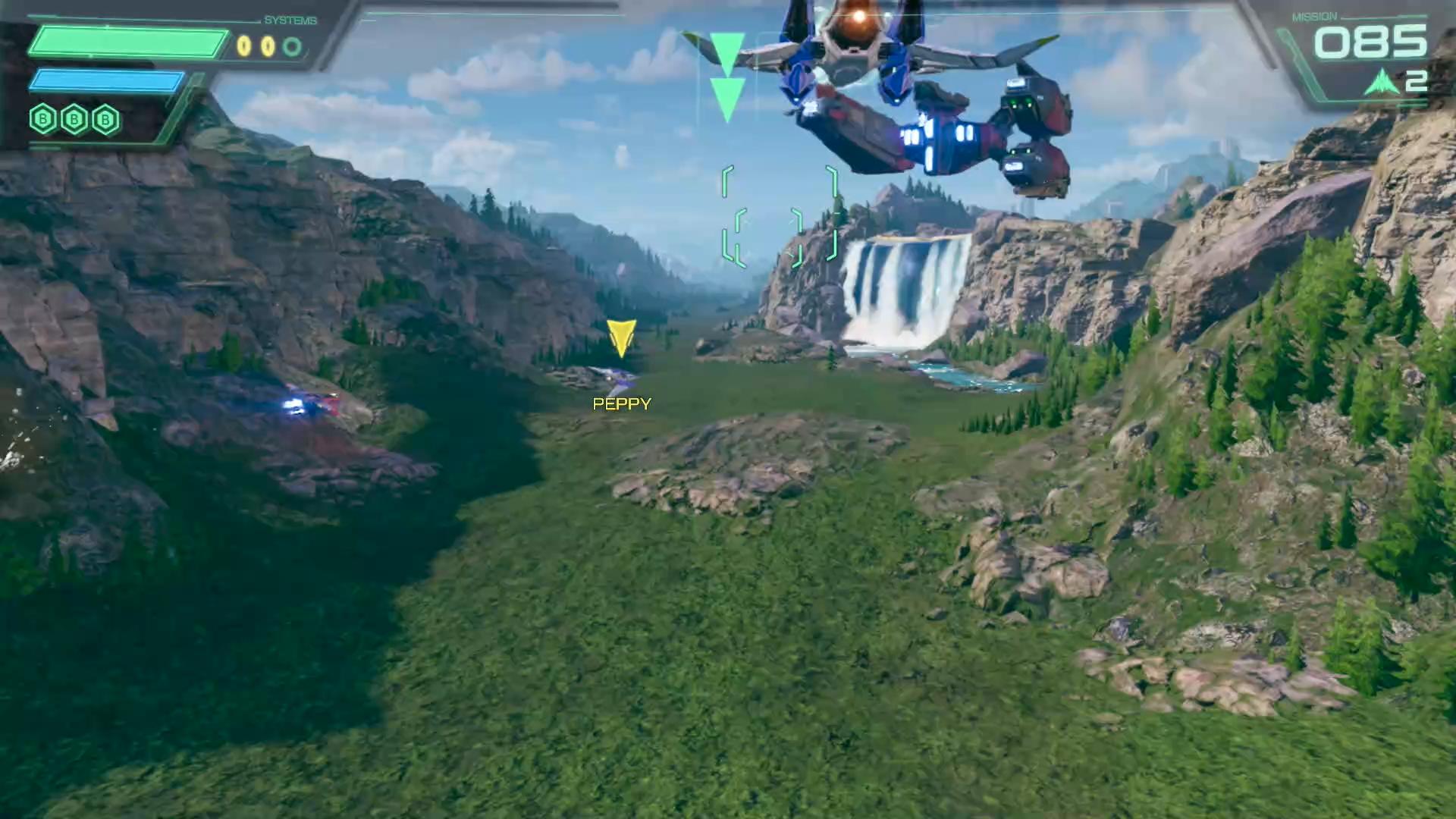
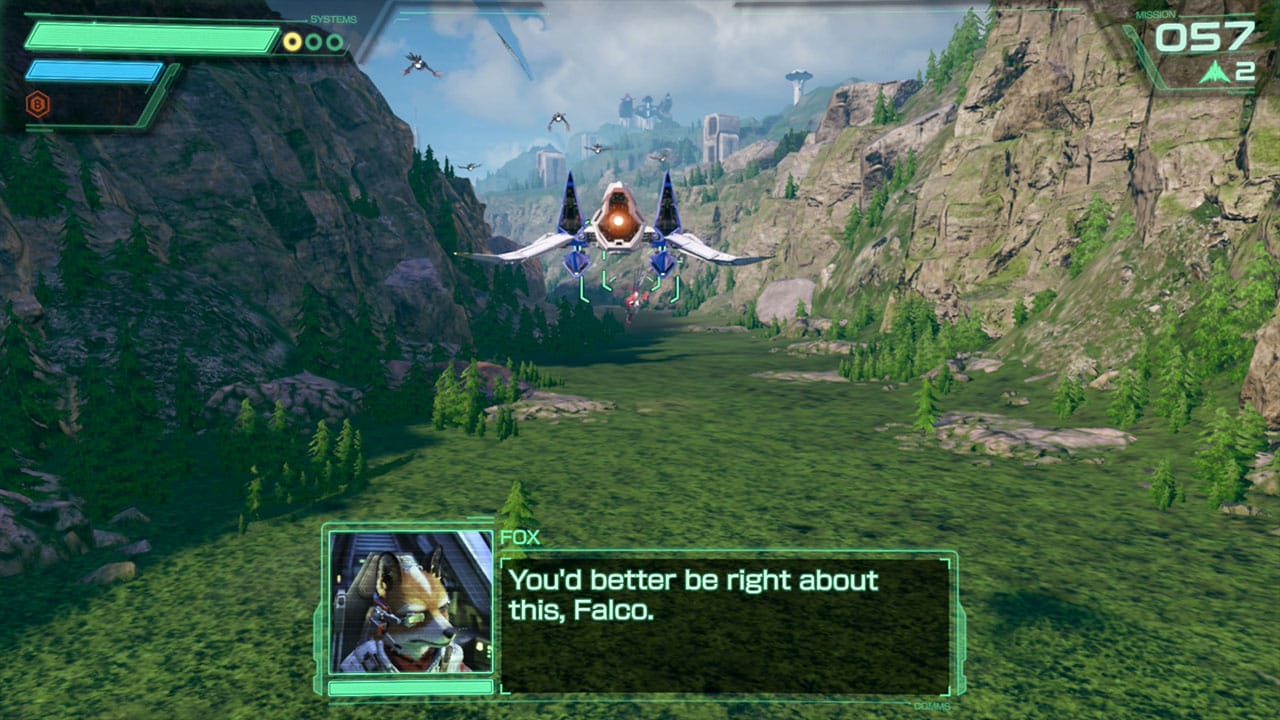
One of the most significant and earliest branching points occurs during the very first mission, "Corneria." This introductory level serves as a crucial tutorial for the game’s branching mechanics, often testing a player’s awareness and responsiveness. As Fox McCloud pilots his Arwing through the skies of Corneria, his wingman Peppy Hare will often issue warnings and tactical advice. A pivotal moment arises when Peppy alerts Fox to Falco Lombardi’s predicament.
The Corneria Gauntlet: Saving Falco and Unlocking Sector Y
The directive to "speed up" and assist Falco is not merely narrative flavor; it is a direct gameplay instruction with tangible consequences. Players are given a limited window of opportunity to intervene and prevent Falco from being overwhelmed. Specifically, the player must swiftly eliminate a trio of enemies that are targeting Lombardi. A well-placed bomb or a focused burst of laser fire can quickly dispatch these threats.
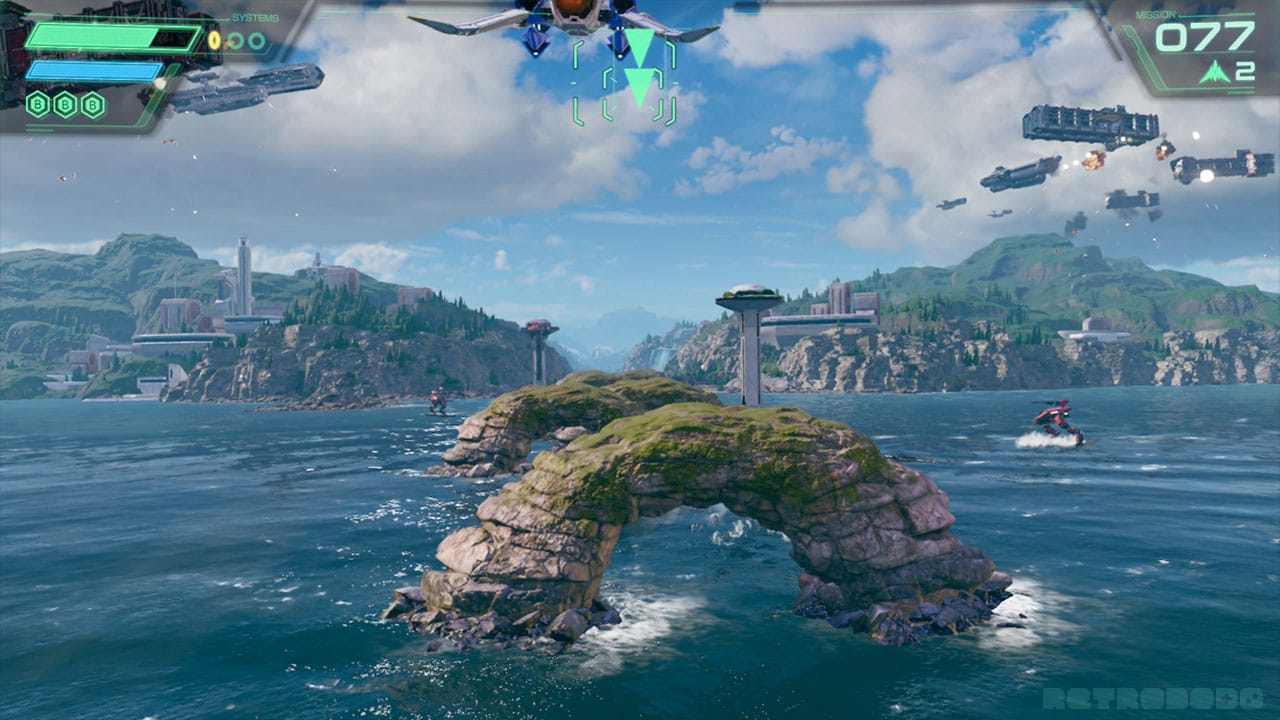
The success of this objective is directly tied to Falco’s survival. If Fox manages to save Falco in time, the subsequent events of the Corneria mission will unfold differently, leading to an alternate route. After this critical intervention, Falco, grateful and perhaps a bit cocky, will challenge Fox to a daring maneuver: navigating a series of seven stone arches over a body of water. Successfully slalom-ming through all of these arches is another key requirement. This daring aerial ballet, if executed flawlessly, prompts Falco to deviate from the standard flight path, leading Fox towards a hidden waterfall.
This waterfall, a visual cue of a divergence, is a gateway to an alternate segment of the Corneria mission. The presence of an alternative boss, visible flying over the waterfall in some gameplay demonstrations, serves as a clear indicator to observant players that they have successfully accessed a non-standard path. This moment exemplifies the game’s design philosophy: rewarding players for attentive gameplay and successful execution of secondary objectives.
The Waterfall’s Secret: An Alternate Boss Encounter
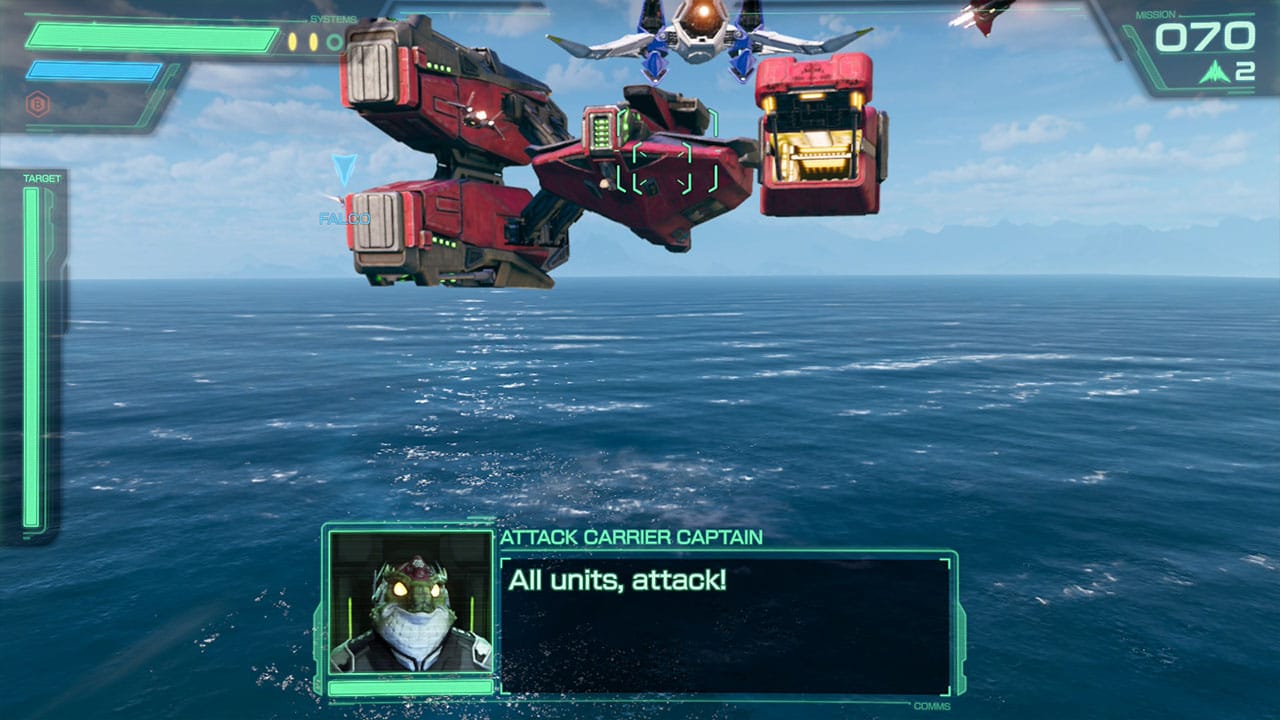
The passage through the waterfall ushers players into a new, visually distinct area. Here, they will encounter different enemy formations in a mountainous terrain, culminating in a confrontation over a vast expanse of water. This encounter diverges significantly from the typical boss battle encountered on the primary route. Instead of engaging the standard mechanical boss, players face the "Attack Carrier Captain."
The strategy for defeating this alternate boss involves precise targeting of its missile launch bays. These bays will periodically open to unleash a volley of missiles, and players must destroy them as they appear. Success hinges on destroying all three of these bays, which will ultimately lead to the Attack Carrier sinking into the depths, permanently removing it as a threat. This battle, while perhaps less visually spectacular than some of the game’s later boss encounters, is a satisfying reward for those who have navigated the preceding challenges.
The Consequence of Choice: New Missions and Strategic Decisions
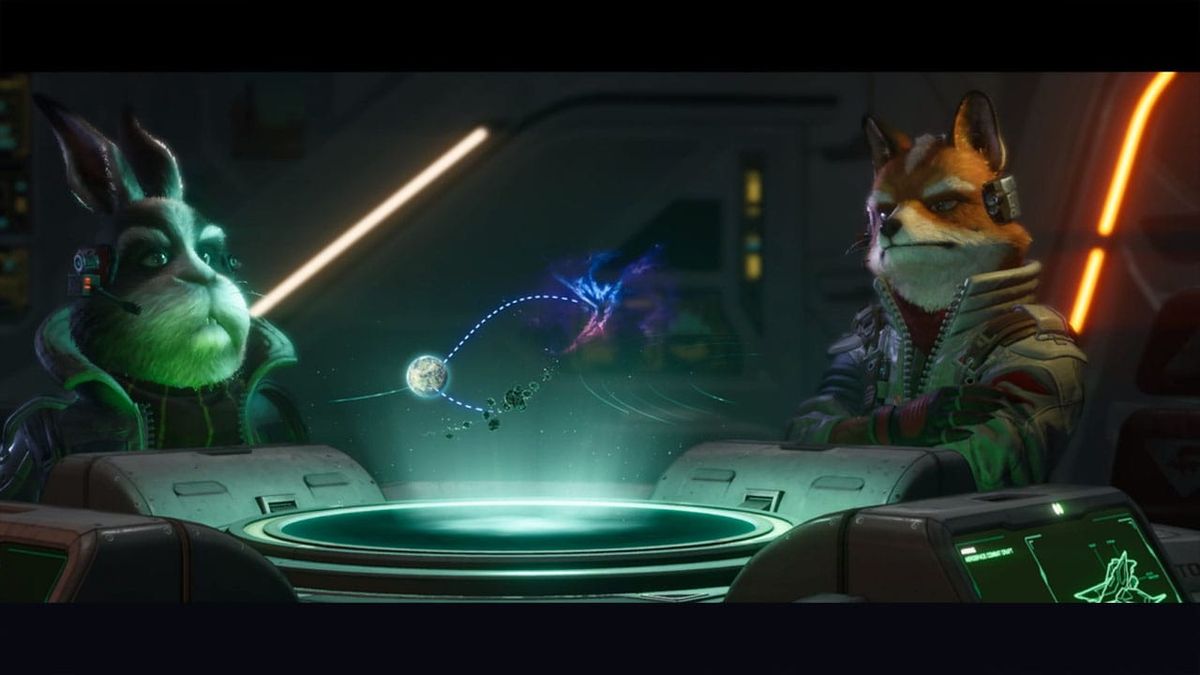
Upon returning to the mothership, the Great Fox, after successfully navigating the alternate Corneria mission, players will witness new dialogue and cutscenes. These narrative divergences are not merely cosmetic; they present players with a tangible choice that shapes their subsequent journey. They are offered the option to proceed to "Meteo," a perilous asteroid field, or to divert to "Sector Y," a region known for its formidable monkey droids.
This decision point is crucial as it dictates which planets and subsequent challenges players will face. The Meteo route typically leads towards a more direct, albeit challenging, path to Venom, often involving asteroid field navigation and subsequent planetary assaults. The Sector Y route, on the other hand, can lead to different planetary engagements and unique boss encounters, offering a distinct set of challenges and rewards. This strategic choice at the early stages of the game underscores the depth of replayability offered by Star Fox 64.
The Evolution of Discovery: In-Game Aids and the Player Experience
In the original release of Star Fox 64, uncovering these alternate paths often required experimentation, trial and error, or consulting external guides. Players had to meticulously recall their performance in previous missions and deduce the conditions for unlocking new routes. This process, while rewarding for dedicated players, could also be a source of frustration for those seeking a more guided experience.
However, later iterations of Star Fox 64, particularly the Nintendo 3DS remake, introduced an "Achievements" system accessible from the main Lylat System map. This system provides players with clear objectives and criteria for unlocking medals and, by extension, the game’s various branching paths. This addition, while not present in the original N64 release, significantly aids players in understanding and executing the requirements for exploring the full breadth of the game’s content. This feature acknowledges the desire for accessible discovery in modern gaming, while still preserving the core challenge of the original design.
Broader Implications: Replayability and Game Design
The branching narrative and hidden paths in Star Fox 64 were not just a feature; they were a statement on game design. They demonstrated that an action game could offer significant depth beyond its core mechanics, encouraging players to invest more time and effort into mastering its intricacies. This approach influenced subsequent game development, popularizing the idea of non-linear progression and hidden content as key drivers of player retention and satisfaction.
The game’s success in this regard can be seen in its continued relevance and the passionate community that still discusses and explores its secrets. The ability to experience the Lylat System in multiple ways, encounter different enemies, and face unique boss challenges ensures that Star Fox 64 remains a compelling experience even after numerous playthroughs. The strategic depth, combined with the sheer thrill of piloting the Arwing, has cemented its status as a classic.
The game’s developers, Nintendo EAD, were pioneers in integrating sophisticated branching logic into a fast-paced shooter. The clear conditions for unlocking routes, such as Falco’s survival and the arch slalom, are elegantly woven into the gameplay loop, making the rewards feel earned rather than arbitrarily bestowed. This meticulous design ensures that each playthrough feels like a genuine exploration, rather than simply replaying the same content with minor variations.
Conclusion: A Legacy of Exploration
Star Fox 64’s legacy is intrinsically linked to its ingenious design of offering multiple realities within a single campaign. The journey through the Lylat System is not a fixed line but a dynamic web of possibilities, each path influenced by the player’s skill, observation, and strategic choices. By understanding the specific requirements for unlocking these routes, particularly the critical early-game maneuvers in Corneria, players can unlock the full potential of this iconic title, experiencing its narrative, challenges, and secrets in their entirety. The game continues to serve as a masterclass in replayability and emergent gameplay, inviting new generations of pilots to take flight and forge their own legend among the stars.