Cecilia Chamidah Nur
The contemporary internet landscape is undergoing a significant transformation, marked by challenges that test the resilience of independent media and the quality of online discourse. Reports across the industry indicate a troubling trend of media sites being absorbed by larger conglomerates or facing outright closure, leading to a reduction in diverse voices and specialized content. Concurrently, the proliferation of Generative AI has raised concerns about the internet being increasingly saturated with algorithmically generated content, often lacking depth, accuracy, or human insight. This shift is further compounded by the pervasive nature of social media platforms, which, through their design, have been linked to an increase in "doom-scrolling" and addictive engagement patterns, impacting user well-being and information consumption habits.
Amidst these complex dynamics, a vibrant counter-current persists, particularly within niche communities such as retro gaming. These communities, often served by dedicated independent platforms, represent a beacon of curated, passionate, and authentic content. This article aims to highlight a selection of such retro gaming websites and podcasts, emphasizing their crucial role in fostering knowledge, community, and preservation in an increasingly commodified digital sphere, while also underscoring the importance of user support for their continued operation.
The Evolving Digital Media Landscape: A Challenging Era for Content Creators
The past decade has seen dramatic shifts in how digital content is produced, consumed, and monetized. Traditional advertising models, once the bedrock of online publishing, have become increasingly volatile. Large tech platforms now command a significant share of digital advertising revenue, leaving independent publishers to compete for smaller slices of a shrinking pie. This economic pressure has driven media outlets towards consolidation, with smaller entities often struggling to maintain financial viability against the backdrop of rising operational costs and intense competition.
A 2023 report by the Pew Research Center, for instance, indicated a continued decline in newsroom employment, underscoring the financial precarity faced by many media organizations. This trend extends beyond general news to specialized content, where niche sites often operate on shoestring budgets, relying heavily on the dedication of their founders and contributors.

The emergence of Generative AI tools further complicates this environment. While offering potential for efficiency, the widespread deployment of AI-generated articles, reviews, and summaries has led to a noticeable decline in content quality and originality on various platforms. Search engines and social media algorithms are increasingly grappling with the challenge of distinguishing between human-crafted, authoritative content and AI-produced "clanker-made slop," impacting discoverability for legitimate publishers and eroding trust among users. This phenomenon creates a greater need for trusted, human-vetted sources, especially in enthusiast domains where authenticity and deep knowledge are highly valued.
Social media’s role in content consumption also merits attention. Designed for maximum engagement, these platforms often prioritize sensationalism and short-form content, fostering environments where users can easily fall into cycles of "doom-scrolling"—an addictive habit of compulsively consuming negative news and information. This mode of consumption contrasts sharply with the reflective, in-depth engagement often required for appreciation of specialized content, such as detailed retro game reviews or historical analyses.
The Enduring Appeal of Retro Gaming and the Need for Dedicated Platforms
Despite, or perhaps because of, the challenges in the broader digital landscape, the retro gaming community continues to thrive. The allure of classic titles, historical hardware, and the culture surrounding them remains potent, attracting both veterans seeking nostalgia and new generations discovering gaming’s rich past. The global retro gaming market has shown consistent growth, with market research firms like Grand View Research reporting a significant compound annual growth rate, driven by factors such as collectible markets, re-releases, and the robust emulation scene.
This resurgence underscores the critical importance of dedicated retro gaming platforms. Unlike general gaming sites that might offer sporadic retro coverage, specialized sites provide focused, in-depth analysis, historical context, and community spaces that cater specifically to this passionate audience. These platforms often serve as vital archives, preserving information about obscure titles, forgotten developers, and historical events that might otherwise be lost. They also facilitate dialogue among enthusiasts, fostering a sense of shared heritage and collective memory.
Supporting Independent Journalism: The Economic Realities of Online Content Creation

For independent websites operating in niche sectors like retro gaming, financial sustainability is a constant challenge. The content these sites produce, often freely accessible, requires significant investment in time, research, and technical infrastructure. Advertising revenue, while a primary source, is often insufficient to cover all costs, especially with the widespread use of ad blockers.
Industry data from sources like the IAB (Interactive Advertising Bureau) consistently shows that while digital ad spending is high, independent publishers often struggle to capture a proportionate share compared to tech giants. This economic reality means that direct user support, whether through subscription schemes, Patreon campaigns, or simply by disabling ad blockers during visits, becomes indispensable. Each visit with ads enabled contributes to the site’s revenue, directly supporting the creators who produce the valuable content consumed by the community. Platforms like Time Extension, for example, openly advocate for supporter schemes, acknowledging the direct link between community contributions and editorial independence and quality.
Spotlight on Key Retro Gaming Resources
In this challenging yet vibrant ecosystem, several platforms stand out for their dedication to retro gaming. These sites and podcasts offer diverse perspectives and invaluable resources, meriting the support of the broader gaming community.
Retro Dodo
Founded by Brandon Saltalamacchia, Retro Dodo has emerged as a prominent voice in the modern-day emulation handheld scene. The site offers comprehensive reviews, news, and guides on the latest portable emulation devices, a rapidly expanding segment of the retro gaming market. Its growth reflects the increasing consumer interest in accessible ways to play classic games on the go. Beyond its website, Retro Dodo maintains a highly active YouTube channel, demonstrating a multi-platform approach to content delivery that resonates with a broad audience seeking both written analysis and visual demonstrations. The platform’s commitment to community engagement and reliable information has made it a frequently cited source within the retro gaming press.
Indie Retro News
For enthusiasts of classic home computers, Indie Retro News serves as an essential daily resource. This platform specializes in reporting on unofficial ports, modifications, and new developments for iconic systems such as the Commodore 64, ZX Spectrum, Amiga, and Amstrad CPC. Its focus highlights the enduring creativity and dedication of communities that continue to develop for these legacy platforms, showcasing a unique blend of historical preservation and ongoing innovation. The site’s meticulous coverage provides crucial insights into a segment of retro gaming often overlooked by mainstream outlets.

Read Only Memo
Delivering content through both a website and a bi-weekly email newsletter, Read Only Memo distinguishes itself with its deep dives into complex topics within retro gaming. Its coverage spans emulation technologies, game preservation efforts, and FPGA (Field-Programmable Gate Array) development, offering a more technical and philosophical perspective on the hobby. A hallmark of Read Only Memo is its commitment to exclusive interviews with the engineers, developers, and historians driving these critical areas, providing unparalleled access to the minds shaping the future of retro gaming preservation and access.
Retro Handhelds
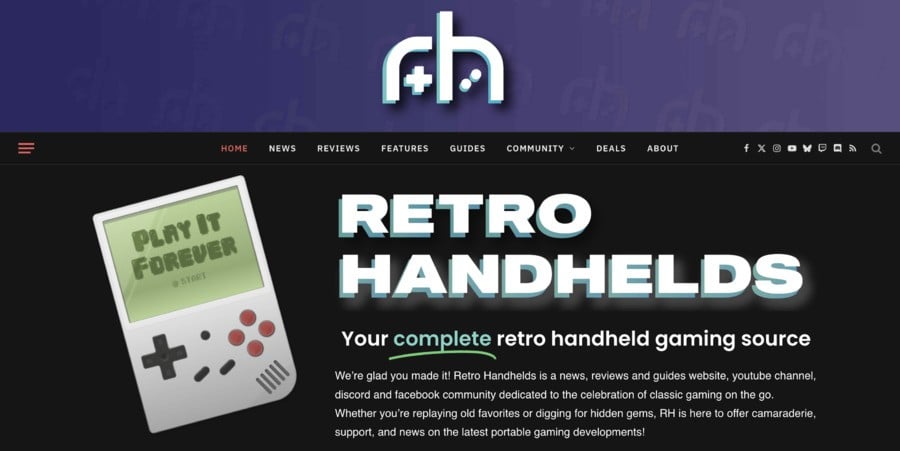
Mirroring the surge in popularity of emulation handhelds, Retro Handhelds is a dedicated portal for this specific hardware niche. The site offers extensive news, reviews, and detailed guides for a wide array of portable emulation devices. Given the rapid pace of innovation and release cycles in this sector, Retro Handhelds provides an invaluable service by consolidating information and offering expert recommendations, making it an indispensable resource for consumers navigating this specialized market.
Shmuplations
Beyond its genre-specific name, Shmuplations offers a remarkable archive of freshly translated interviews with legendary Japanese game designers and developers from the 1980s, 1990s, and 2000s. This resource is critical for understanding the creative processes and historical context behind some of gaming’s most iconic titles. The meticulous translation and curation of these interviews, featuring luminaries such as Shigeru Miyamoto and Koji Igarashi, provide an invaluable, often otherwise inaccessible, glimpse into the golden age of Japanese game development, serving as a vital academic and historical resource.
GamesRadar+
As a major player in the broader gaming media landscape, GamesRadar+ maintains a notably strong and consistently high-quality retro gaming section. Spearheaded by experienced journalists such as Phil Hayton and Dustin Bailey, its retro coverage is characterized by brilliant writing and exhaustive research. GamesRadar+ frequently publishes in-depth features, historical analyses, and hardware reviews that resonate deeply with retro enthusiasts, demonstrating that even large, general-interest platforms can excel in niche content when supported by dedicated talent.
Retro Game Corps
Russ from Retro Game Corps has become a leading authority on emulation handhelds through his highly successful YouTube channel. Approaching a million subscribers, his channel is a testament to the demand for detailed, accessible breakdowns of devices from manufacturers like Anbernic, AYANEO, and AYN. His video guides and reviews are renowned for their clarity and technical precision, making complex topics understandable for a wide audience and significantly influencing purchasing decisions within the handheld emulation community.
IGN
Another multimedia behemoth, IGN, despite its broad coverage of video games, movies, and TV, retains a strong focus on its gaming roots, including robust retro news coverage. The platform benefits from a deep bench of experienced editorial talent, including industry veterans like Alex Simmons (UK Studio Head) and former Eurogamer stars Tom Phillips and Wesley Yin-Poole as senior staffers. This pedigree ensures that even within its extensive offerings, IGN provides reliable and insightful reporting on vintage gaming news, making it a valuable destination for daily updates.
Forgotten Worlds
Forgotten Worlds stands out for its unique blend of digital presence and a tangible, physical magazine. Created by Time Extension contributor Mikolai Napieralski, this publication celebrates the legacy of print media, offering a stylishly designed experience reminiscent of the monthly gaming magazines of the 1990s. Its existence as a physical artifact provides a nostalgic counterpoint to the purely digital consumption prevalent today, emphasizing the cultural value of collectible media and the tactile pleasure of print.
The Retro Hour Podcast
For those who prefer auditory content, The Retro Hour Podcast is a long-standing and highly respected resource. With hundreds of episodes under its belt, the podcast offers weekly roundups of the latest retro gaming news, followed by extensive and insightful interviews with some of the industry’s most influential figures. Its ten-year run signifies its consistent quality and enduring appeal, providing a rich archive of discussions and oral histories that are both entertaining and informative.
My Perfect Console Podcast
Hosted by the acclaimed Simon Parkin, My Perfect Console offers a distinctive premise: each episode features Parkin interviewing a celebrity or games industry legend, who then selects five games to pre-install on their hypothetical "perfect console." This format provides a unique lens through which to explore guests’ careers, personal histories, and insights into game design. Featuring a diverse roster of guests, from industry titans like Peter Molyneux and Mark Cerny to comedians and writers, the podcast offers a fascinating blend of personal narrative and critical game discussion.
Yokoi Kids
Yokoi Kids operates as a Game Boy "Game of the Month" club, open to all enthusiasts. The initiative focuses on readily available monochrome Game Boy titles, fostering a community-driven approach to exploring the system’s vast library. Beyond its online presence, Yokoi Kids produces a semi-regular print fanzine, with proceeds from its sales dedicated to charitable causes. This blend of community engagement, historical exploration, and philanthropic endeavor makes Yokoi Kids a particularly commendable effort.
Games From The Black Hole
Penned by industry veteran and Time Extension contributor Ashley "Shining Force" Day, Games From The Black Hole is a personal blog that serves as an exceptional repository of old-school gaming insights. Day’s expertise shines through in his detailed analyses, which thoughtfully bridge classic titles with contemporary releases like Demonschool and Zero Zero: Perfect Stop. His contributions are widely regarded for their depth and quality, making the blog an essential bookmark for anyone seeking expert commentary on gaming’s rich tapestry.
Kimimi The Game-Eating She Monster
Kerry Brunskill’s personal blog, Kimimi The Game-Eating She Monster, is a treasure trove of highly specialized and obscure gaming content. Known for her work on Nintendo Life and PC Gamer, Brunskill’s blog delves into Japanese home computer titles, cult-classic PlayStation 1 imports, and sought-after hidden gems. Her in-depth analyses are complemented by incredible bespoke photography, making the site a visually stunning and intellectually rigorous exploration of gaming’s lesser-known corners. The site exemplifies the power of individual passion projects in cataloging and celebrating niche gaming history.

The Broader Hookshot Media Ecosystem
It is pertinent to acknowledge that Time Extension operates as part of the Hookshot Media network, an independent collective of gaming websites. This network includes prominent platforms such as Nintendo Life, Push Square, and Pure Xbox, each serving specific console communities with dedicated news, reviews, and features. Hookshot Media also maintains a valuable partnership with Digital Foundry, renowned for its highly technical and authoritative analyses of game performance and hardware. This interconnected ecosystem represents a successful model for independent media, demonstrating how collaboration and specialized focus can thrive in a challenging digital environment. These affiliated sites collectively offer a comprehensive resource for contemporary and historical gaming information, each contributing to a rich and diverse content offering.
The Future of Niche Content and Community Support
The landscape of online media is in constant flux, but the enduring appeal of niche content, particularly in areas like retro gaming, remains steadfast. The platforms highlighted here represent more than just websites; they are curators of history, community builders, and advocates for quality journalism in a cluttered digital world. Their continued existence and ability to produce high-caliber content are directly linked to the active support of their audiences.
As the internet evolves, the responsibility increasingly falls on consumers to consciously seek out and support independent, authoritative sources. Whether through direct financial contributions, engaging with content in ways that support advertising revenue (e.g., disabling ad blockers), or simply by sharing and promoting valuable content, community engagement is the lifeblood of these essential resources. By actively supporting these platforms, the retro gaming community ensures the preservation of gaming history, the continuation of insightful commentary, and the availability of authentic voices in an increasingly automated and consolidated digital frontier.