Cecilia Chamidah Nur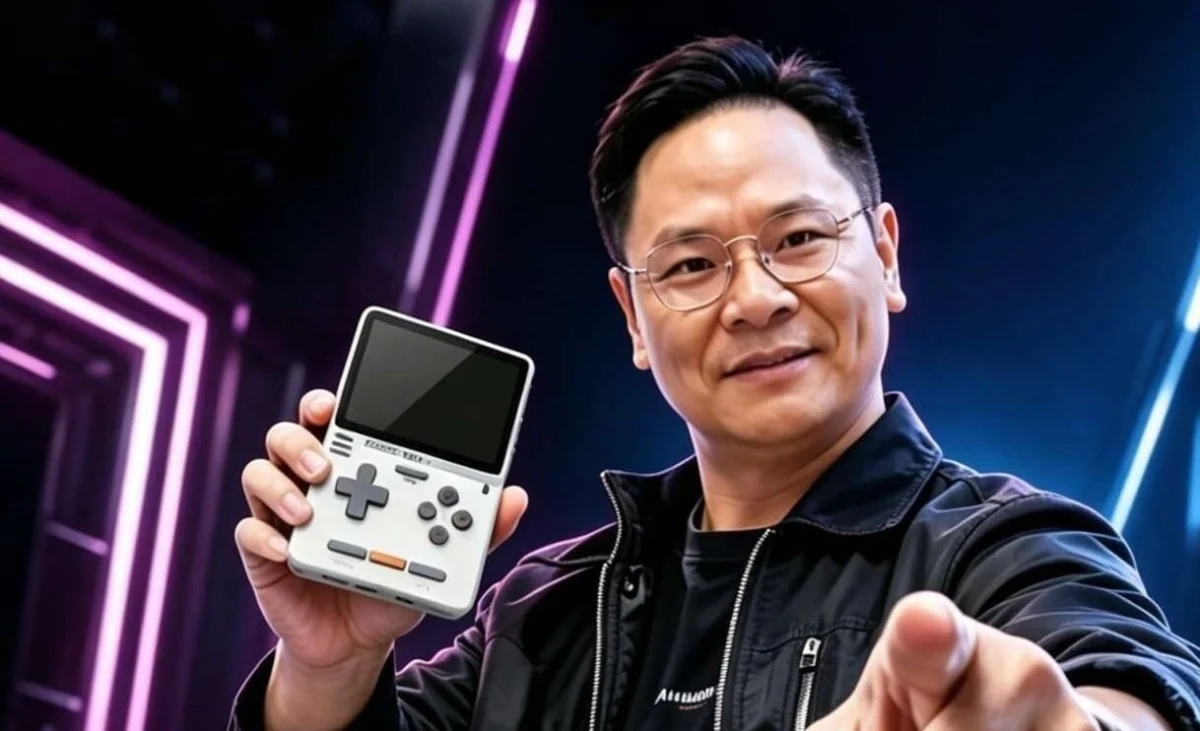
The competitive landscape of portable gaming devices has been abuzz this week following the successive leaks of not one, but two new handheld consoles from Chinese manufacturer AYANEO. Known primarily for its high-performance, Windows-based portable PCs, AYANEO appears to be strategically expanding its portfolio into the Android handheld market, potentially targeting more budget-conscious consumers. The initial leak unveiled a device dubbed the "Pocket Block," notable for its distinctive vertical form factor reminiscent of the classic Nintendo Game Boy. This was swiftly followed by the emergence of details concerning a second, horizontally oriented handheld, sharing a similar aesthetic and design language, suggesting a coordinated product launch aimed at diversifying AYANEO’s market presence.
The leaks have generated considerable discussion within the tech community, not only due to the devices themselves but also because of the nature of the promotional images accompanying them. A segment of online observers has raised questions regarding the authenticity of these visuals, speculating that they might be partially or entirely generated by artificial intelligence, citing inconsistencies in branding text and other visual anomalies. Amidst this speculation, AYANEO has proactively scheduled a "Live Chat" event for today, signaling an imminent official reveal of new products, an action that could either validate the leaked images or present a distinctly different reality.
The Initial Unveiling: The AYANEO Pocket Block
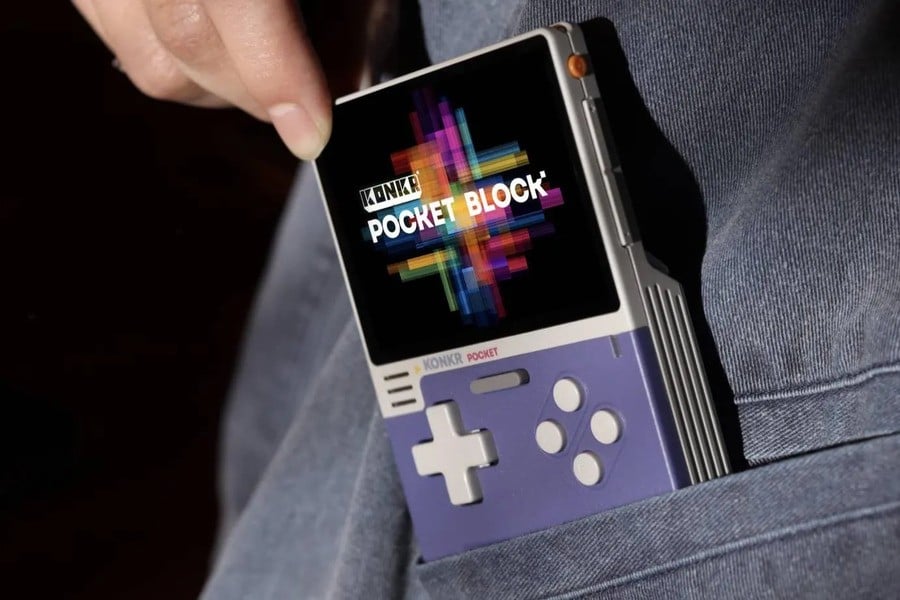
The first device to surface, the AYANEO Pocket Block, immediately captured attention due to its retro-inspired design. Emulating the iconic silhouette of the original Game Boy, the Pocket Block signifies a notable departure for AYANEO from its typically modern, horizontal form factors. This vertical orientation, a rarity in the contemporary handheld market outside of dedicated retro emulation devices, suggests a deliberate move to appeal to nostalgia and potentially enhance portability for a specific user experience.
Powering this retro-styled shell is Google’s Android operating system, a critical detail that positions the Pocket Block firmly within the burgeoning Android handheld gaming segment. Unlike AYANEO’s flagship Windows devices, which typically run demanding PC games, an Android-based system would primarily cater to mobile gaming, cloud streaming services, and, crucially, retro game emulation. This strategic choice implies an intention to tap into a different consumer base, one that prioritizes accessibility, battery efficiency, and a vast ecosystem of applications and games available through the Google Play Store. Industry analysts suggest that this foray into Android, particularly with a compact, vertical design, is AYANEO’s initial attempt to capture a segment of the market that values a smaller footprint and a more casual gaming experience, presumably at a more accessible price point than their premium Windows counterparts.
A Second Contender Emerges: The Horizontal Handheld
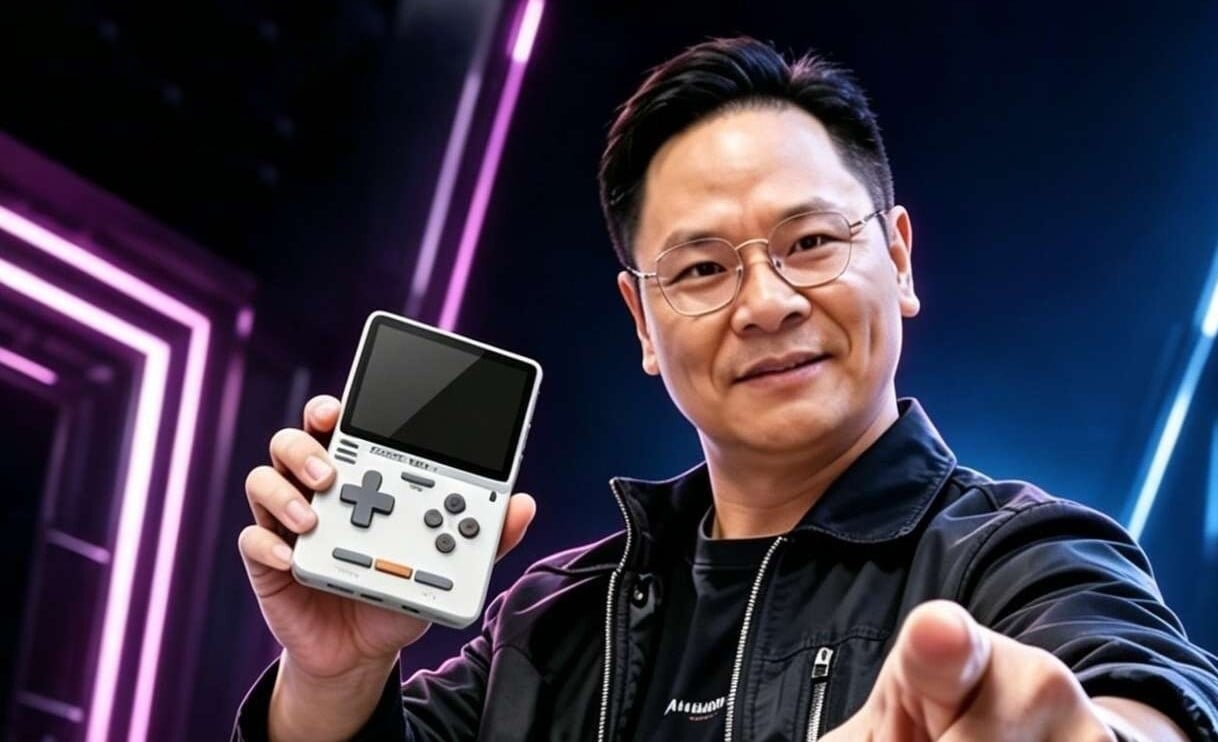
Just days after the Pocket Block’s initial leak, details and promotional images of a second AYANEO handheld surfaced, further fueling the excitement and conjecture. This second device adopts a more conventional horizontal form factor, a layout familiar to users of modern portable consoles like the Nintendo Switch Lite or the Steam Deck. Despite the difference in orientation, the horizontal handheld appears to share a consistent design language with the Pocket Block, hinting at a cohesive new product family from AYANEO.
The appearance of two distinct form factors within a short span suggests a multi-pronged strategy by AYANEO to address different user preferences and market niches within the Android handheld space. While the Pocket Block might appeal to purists of vertical retro gaming, the horizontal variant could target a broader audience seeking a more traditional and comfortable grip for a wider range of Android titles and streaming applications. The shared design elements across both leaked devices indicate a unified aesthetic vision for this new product line, emphasizing a distinct brand identity even as AYANEO diversifies its offerings.
The AI Image Controversy and Community Skepticism
A significant aspect of the leaks, which has added a layer of intrigue, is the debate surrounding the promotional images themselves. Several images, which depict both devices in various scenarios and notably feature AYANEO CEO Arthur Zhang, have drawn scrutiny from keen-eyed observers. Concerns were raised about certain visual anomalies, particularly "messy branding text" on the devices and other subtle imperfections, leading to widespread speculation that these images might have been generated or heavily augmented by artificial intelligence.
The rise of sophisticated AI image generation tools has introduced a new dynamic into product leaks and marketing. While AI can create compelling visuals quickly, early adoption can sometimes result in minor, uncanny inconsistencies that keen human eyes can detect. This situation highlights a growing challenge for consumers and journalists alike in discerning the authenticity of visual content in the digital age. The possibility of AI-generated promotional material, whether intentional as a teaser or unintentional due to a rush to market, adds an interesting wrinkle to the narrative surrounding these leaks. It underscores the potential for new technologies to both enhance and complicate the traditional methods of product announcement and anticipation.
AYANEO’s Official Response and Imminent Reveal
In a swift and strategic move to address the swirling rumors and speculation, AYANEO announced a "Live Chat" event scheduled for today. This official communication from the company is widely interpreted as a direct response to the leaks and the accompanying AI image controversy. The announcement explicitly states that AYANEO will "reveal new products" during this event, strongly suggesting that the leaked devices – or at least some iteration of them – are indeed real.

An official reveal serves multiple purposes. Firstly, it allows AYANEO to seize control of the narrative, providing accurate information directly to its audience rather than relying on unofficial leaks. Secondly, it offers an opportunity to showcase the devices in their official capacity, dispelling doubts about their authenticity and providing clear, high-quality visuals. For consumers and industry observers, the Live Chat event is highly anticipated, as it will confirm the existence of these new handhelds, detail their specifications, pricing, and availability, and potentially offer insights into AYANEO’s broader strategic vision for the Android gaming market. It also presents an opportunity for AYANEO CEO Arthur Zhang to directly address any concerns regarding the promotional materials and clarify the company’s approach to marketing its new line.
AYANEO’s Strategic Expansion into Android Handhelds
AYANEO has carved out a niche as a premium brand in the handheld PC market, primarily offering powerful, Windows-based devices that can run AAA PC games on the go. Products like the AYANEO 2S, AYANEO KUN, and AYANEO GEEK have garnered critical acclaim for their performance, build quality, and innovative features. However, these devices typically come with a high price tag, often ranging from $700 to over $1,000, placing them in a premium segment.
The pivot, or rather expansion, into Android handhelds with devices like the Pocket Block and its horizontal counterpart signifies a strategic diversification. The Android handheld market is considerably different, characterized by lower price points, emphasis on mobile gaming, retro emulation, and cloud streaming. This segment is highly competitive, populated by established players like Retroid Pocket, Anbernic, and more recently, larger companies such as Logitech with its G Cloud. By entering this space, AYANEO aims to broaden its appeal, reaching consumers who may not be willing or able to invest in a high-end Windows handheld but are looking for a dedicated portable gaming experience beyond a smartphone. This move could potentially increase AYANEO’s market share by tapping into a much larger, more diverse demographic.
The Android Handheld Market Landscape and Competition
The Android handheld market has witnessed significant growth in recent years, fueled by advancements in mobile chipsets, the proliferation of Android games, and the enduring popularity of retro gaming emulation. Devices in this category typically offer longer battery life and a more cost-effective entry point compared to their Windows counterparts. Key competitors in this space include:
- Retroid Pocket Series: Known for offering excellent performance-to-price ratios, with devices like the Retroid Pocket 3+ being highly popular among retro enthusiasts.
- Anbernic Devices: A prolific manufacturer with a wide range of Linux and Android-based handhelds, often focusing on affordability and diverse form factors.
- Logitech G Cloud: A prominent entry from a major peripheral manufacturer, primarily designed for cloud gaming but also capable of running Android games.
- Razer Edge: Another high-profile Android handheld with a focus on premium mobile gaming and cloud streaming.
AYANEO’s entry into this crowded market will necessitate competitive pricing, robust performance for its target segment, and compelling features to differentiate its offerings. The "lower end of the market" designation for the Pocket Block suggests a pricing strategy that aims to undercut or match some of the more established budget-friendly Android handhelds while leveraging AYANEO’s reputation for quality and design.
Technical Specifications and Performance Expectations
While specific technical specifications for the leaked devices remain unconfirmed, their positioning at the "lower end of the market" and their Android OS suggest certain hardware profiles. Android handhelds in this segment typically utilize capable ARM-based System-on-Chips (SoCs) from manufacturers like MediaTek (e.g., Dimensity series) or Qualcomm (e.g., Snapdragon G series, or even older flagship Snapdragon chips repurposed for gaming).
These chipsets are designed to efficiently handle a wide range of Android games, from casual titles to more graphically intensive ones, as well as a vast library of emulated retro systems up to PlayStation 2, GameCube, and Nintendo Switch (for some titles). The performance of these devices will be crucial for their success. Consumers in this segment expect smooth gameplay across various emulation platforms and a responsive Android experience. Battery life will also be a key selling point, as ARM-based chips are inherently more power-efficient than the x86 processors found in Windows handhelds. The choice of display panel (LCD vs. OLED), RAM configuration, and storage options will further define their value proposition.
Design Philosophy, Ergonomics, and Target Audience
The distinct design choices for the two leaked AYANEO handhelds speak volumes about their intended audiences.
- AYANEO Pocket Block (Vertical Form Factor): This design is a clear homage to classic handhelds, particularly the Game Boy. Its vertical orientation lends itself well to older games, arcade titles, and vertical-scrolling shooters, which were often designed with such screen ratios in mind. Ergonomically, a vertical device can be more pocketable and discreet, appealing to users who prefer a more compact and nostalgic gaming experience. It’s likely aimed at retro enthusiasts and casual gamers who appreciate the aesthetic and simplicity.
- Horizontal Handheld: This more conventional layout offers superior ergonomics for modern gaming, providing a comfortable grip for dual-analog stick controls and widescreen aspect ratios. It’s suitable for a broader range of Android games, cloud streaming, and potentially more intensive emulation that benefits from a wider screen. This variant would likely target a general mobile gaming audience, those interested in cloud gaming services, and users who prioritize comfort during extended play sessions.
The simultaneous introduction of both form factors suggests AYANEO’s intent to capture diverse segments of the Android handheld market, offering choice based on user preference for aesthetics, portability, and gaming style.
Market Positioning and Pricing Strategy

AYANEO’s established reputation for premium Windows handhelds could give it an advantage in the Android market, lending an aura of quality to its new, more affordable offerings. However, pricing will be paramount. To truly target the "lower end," AYANEO would need to position these devices competitively against the likes of Retroid Pocket (which often retail between $150-$200) and Anbernic (similar range). If AYANEO can offer superior build quality, unique features, or optimized software at a comparable price, these devices could be significant disruptors.
The presence of AYANEO CEO Arthur Zhang in the leaked promotional images, despite the AI concerns, underscores the company’s commitment to this new product line. This personal endorsement from the company’s leader suggests that these aren’t just experimental side projects but rather a serious strategic venture.
Implications for AYANEO and the Handheld Gaming Market
The potential launch of these two Android handhelds marks a significant strategic pivot for AYANEO.
- Brand Diversification: It allows AYANEO to diversify its brand beyond the high-end Windows PC handheld niche, opening up new revenue streams and customer segments.
- Increased Market Share: By entering the more accessible Android market, AYANEO stands to gain a larger share of the overall handheld gaming market, which has seen explosive growth in recent years.
- Ecosystem Expansion: It allows AYANEO to leverage the vast Android ecosystem, offering a different value proposition compared to the more hardware-intensive Windows environment.
- Competitive Pressure: AYANEO’s entry will undoubtedly intensify competition in the Android handheld space, potentially driving innovation and competitive pricing from other manufacturers.
- Addressing AI in Marketing: The controversy surrounding the AI-generated images also presents an opportunity for AYANEO to lead by example in transparently using new technologies in marketing, or to clarify its stance on the matter.
In conclusion, the leaks of the AYANEO Pocket Block and its horizontal counterpart signal an exciting new chapter for the company and the broader handheld gaming market. While questions surrounding the authenticity of the initial promotional materials persist, AYANEO’s planned "Live Chat" event promises to provide definitive answers. As the portable gaming segment continues to evolve, AYANEO’s strategic move into the Android space with potentially more affordable and diverse form factors could solidify its position as a major player, catering to an even wider spectrum of gamers. All eyes will be on AYANEO’s official announcement for the full picture of these intriguing new devices.