Hartono Sudibyo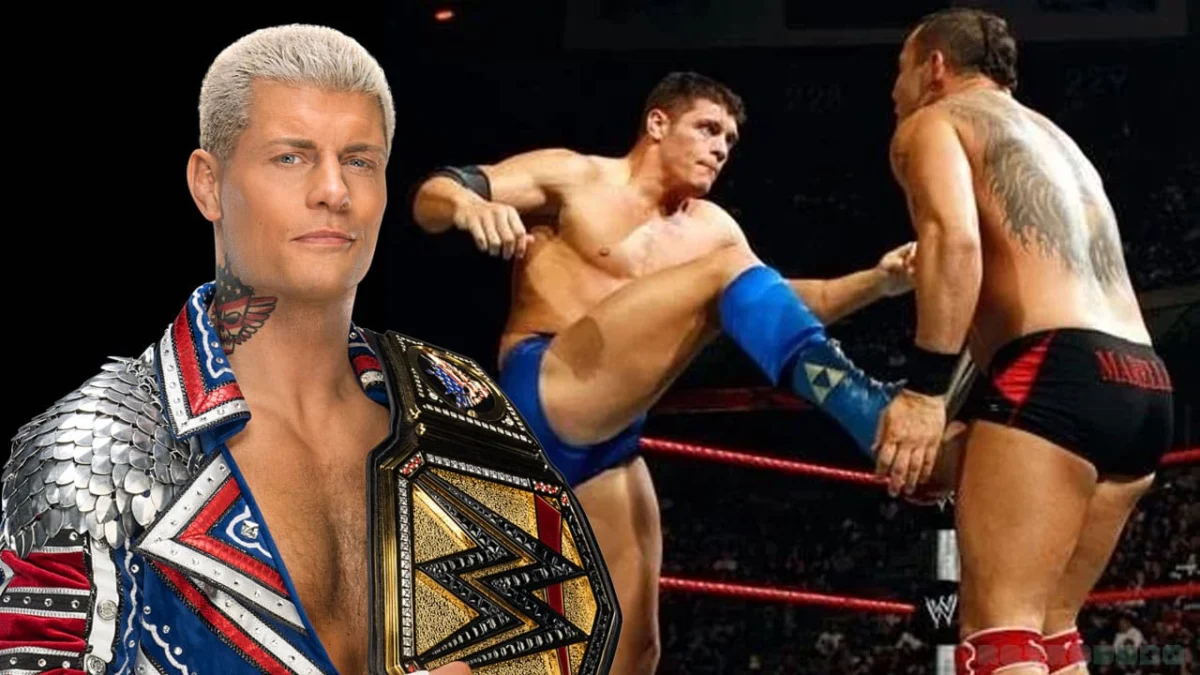
WWE Superstar Cody Rhodes, a prominent figure in professional wrestling, has revealed that he received a cease and desist letter from Nintendo concerning his public display of affection for the Legend of Zelda franchise. The notice, reportedly issued after Rhodes incorporated the iconic Triforce symbol onto his wrestling boots, highlights Nintendo’s stringent approach to intellectual property protection, even when the association appears to be positive fan engagement. This incident underscores the complex relationship between entertainment giants and their passionate fan bases, particularly when those fans are influential public figures.
The Triforce on Tour: A Fan’s Tribute Meets Corporate Policy
Cody Rhodes, known for his deep connection with the professional wrestling community and a widely acknowledged passion for gaming, has frequently spoken about his admiration for Nintendo’s seminal Legend of Zelda series. In a recent discussion on his podcast, "What Do You Wanna Talk About," alongside fellow WWE Superstar Kit Wilson, Rhodes elaborated on how the core tenets of the Triforce – Wisdom, Courage, and Power – have influenced his in-ring persona. He has even gone as far as to have a Triforce tattoo on his finger, serving as a constant reminder of these values.
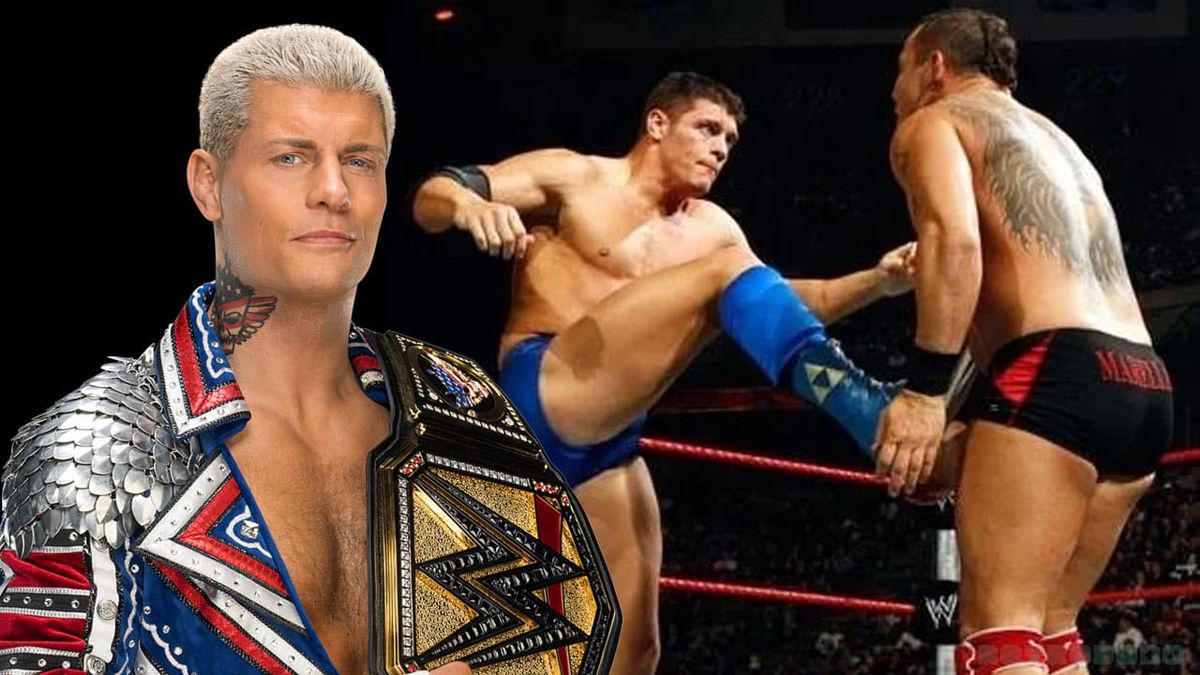
However, it was the application of the Triforce symbol to his wrestling attire that seemingly drew Nintendo’s attention. Rhodes has stated that in the earlier stages of his career, he incorporated the Triforce onto his wrestling boots. This visual cue resonated strongly with fans, many of whom also share a deep appreciation for the Zelda franchise, fostering a sense of connection and camaraderie. This move was perceived by many as a genuine expression of fandom, aligning Rhodes with the "nerd culture" that has become increasingly prominent in mainstream entertainment.
"They sent me a cease and desist," Rhodes stated in the podcast interview, as reported by Retro Dodo. "It was very kind, they weren’t coming after anybody." This statement suggests that the action was formal rather than punitive, intended to address the unauthorized use of their intellectual property. While the tone of the communication might have been polite, the underlying message was clear: Nintendo maintains strict control over the use of its copyrighted symbols.
A History of Nintendo’s IP Protection
Nintendo has a long-standing reputation for being particularly protective of its intellectual property. This approach stems from a desire to maintain brand integrity, control the narrative surrounding its characters and franchises, and prevent unauthorized commercial exploitation. Historically, this has manifested in various actions, including:
- DMCA Takedowns: Nintendo has been proactive in issuing Digital Millennium Copyright Act (DMCA) takedown notices against fan-made games, ROM sites, and YouTube channels that feature their content without explicit permission.
- Legal Action Against Clones and Emulators: The company has engaged in legal battles against developers of games perceived as direct clones of their popular titles, as well as against creators and distributors of game emulators.
- Strict Licensing Agreements: For any official collaborations or merchandise, Nintendo typically enforces rigorous licensing agreements that dictate the terms of use and revenue sharing.
The cease and desist letter issued to Cody Rhodes, while seemingly directed at an individual and for a personal choice of attire, falls within this established pattern of robust IP enforcement. Even a positive association, such as a beloved celebrity showcasing a franchise, can trigger a response if it deviates from Nintendo’s established guidelines for intellectual property usage.
The Triforce Ethos: Wisdom, Courage, and Power
The Triforce, a central artifact in the Legend of Zelda series, is composed of three golden triangles representing the supreme divine power of the goddesses Din, Nayru, and Farore. These goddesses imbued the land of Hyrule with their power, with Din embodying Power, Nayru representing Wisdom, and Farore symbolizing Courage. The Triforce itself is said to grant its bearer immense power, but it also carries the burden of responsibility.
Cody Rhodes’ deliberate choice to align his persona with these virtues is a testament to the enduring appeal of the Zelda narrative. By channeling "the wisdom of Zelda, the courage of Link, and the Power of Ganon," Rhodes aims to embody a complex character that resonates with themes of heroism, resilience, and ambition. This philosophical connection to the game’s lore demonstrates a deeper engagement than mere casual enjoyment, suggesting that the principles of the Triforce have genuinely influenced his worldview and his approach to his craft.
The Triforce tattoo on his finger serves as a constant visual reminder of these ideals. Similarly, the wrestling boots acted as a more public declaration of this alignment. While the intention was likely to connect with a like-minded audience and express personal inspiration, it inadvertently crossed a boundary defined by Nintendo’s intellectual property policies.
The Broader Implications: Celebrity Fandom and IP Rights
The incident involving Cody Rhodes raises important questions about the intersection of celebrity fandom and intellectual property rights. When public figures express their admiration for brands or franchises, it can generate significant positive publicity and fan engagement. However, it also places them in a position where they must navigate the legal frameworks that govern the use of copyrighted material.
Key implications include:
- Brand Control: Nintendo’s actions, while potentially alienating some fans, ensure they maintain absolute control over how their brands are represented. This can be crucial for maintaining brand value and preventing dilution.
- Fan Engagement Paradox: While fans appreciate celebrities who share their passions, the legal realities of IP can create a disconnect. The desire for authentic fan expression sometimes clashes with corporate policies.
- Potential for Misinterpretation: Even when intended as a tribute, the use of copyrighted symbols without permission can be misconstrued as an endorsement or a commercial venture, which Nintendo actively seeks to regulate.
- Setting Precedents: Such incidents, though seemingly minor, can set precedents for how other celebrities and public figures interact with intellectual property. It serves as a cautionary tale about the importance of due diligence.
It is worth noting that the cease and desist was described as "very kind" by Rhodes, suggesting a less confrontational approach than might be expected. This could indicate Nintendo’s understanding of Rhodes’s intentions as a fan, while still needing to uphold their legal obligations.

The "Free Advertising" Argument and Nintendo’s Stance
One might argue that a popular figure like Cody Rhodes wearing Zelda iconography provides substantial free advertising for the franchise. The millions of fans who follow professional wrestling could be exposed to the Zelda brand, potentially sparking interest in new games or revisiting older titles. However, Nintendo’s strategy appears to prioritize controlled messaging and direct commercial partnerships over organic, albeit unapproved, fan endorsements.
This stance is further exemplified by their cautious approach to video game adaptations. While there have been successful movie adaptations of Nintendo properties, such as the recent Super Mario Bros. Movie, the company has historically been hesitant to license its characters for broader media ventures, often citing concerns about quality control and brand integrity.
The fact that Nintendo chose to issue a cease and desist rather than engage in a licensing opportunity or a friendly acknowledgment suggests a deeply ingrained corporate policy. It implies that even positive associations are subject to strict legal scrutiny if they involve the direct use of copyrighted symbols without explicit authorization.
Looking Ahead: The Future of Celebrity Fandom and IP
The Cody Rhodes-Nintendo incident serves as a reminder of the intricate landscape of intellectual property rights in the digital age. As celebrities continue to share their personal interests and passions online and in public forums, understanding the boundaries of fair use and authorized usage becomes increasingly critical.
While the specific details of the cease and desist and any subsequent communication remain private, the event highlights a recurring theme: the tension between genuine fan expression and corporate intellectual property law. For fans and creators alike, it underscores the importance of respecting copyright and seeking proper authorization when using proprietary material, even in seemingly innocuous ways.
Whether this incident will lead to any changes in how celebrities engage with their favorite brands, or how companies like Nintendo approach fan-based endorsements, remains to be seen. However, it certainly provides a compelling case study in the ongoing dialogue between popular culture, celebrity influence, and the legal frameworks that govern intellectual property. The hope among fans is that future interactions can find a balance that celebrates shared passions without infringing on legal rights, perhaps through more open licensing or collaborative opportunities that benefit both the creator and the brand.