
 Hartono Sudibyo
The landscape of video game development has long been characterized by large, collaborative teams, a reality underscored by insights from industry veterans like Jez San, whose past affiliations with Nintendo are well-documented, and Simon Phipps, a key figure in the creation of beloved retro titles. These perspectives highlight the significant resources and personnel typically required to bring ambitious gaming projects to fruition. Within this context, the emergence of a fan-made title that not only emulates but arguably expands upon the spirit of an established franchise, crafted by a single developer, serves as a profound testament to individual skill and unwavering passion. NicTube’s "Paper Mario: Star Nova" stands as a prime example, a meticulously crafted fan project that has garnered significant attention for its scope, quality, and the sheer dedication of its creator.
The Genesis of a Fan Masterpiece
"Paper Mario: Star Nova" is not merely a superficial alteration of an existing game; it represents a comprehensive overhaul and expansion of "Paper Mario 64." The project boasts entirely new chapters, a fresh narrative arc, a distinct world to explore, and a roster of original characters. Players are invited to embark on a new adventure alongside these newcomers, confronting novel adversaries and collecting over 70 unique "star pieces" scattered across the newly introduced region of Stellaria. This level of original content, developed and implemented by a solitary individual, positions "Star Nova" as a remarkable achievement in the realm of fan game development.
The development of "Paper Mario: Star Nova" appears to have been a multi-year endeavor, though specific timelines for NicTube’s initial concept and development phases are not publicly detailed. However, the complexity and polish of the final product strongly suggest a sustained commitment. The project’s release, accompanied by a detailed trailer, showcases a deep understanding of the "Paper Mario" series’ core mechanics, aesthetic, and tone. The trailer itself has been widely shared and praised within fan communities, further amplifying the game’s reach and showcasing the developer’s talent in capturing the essence of Nintendo’s flagship titles.
Technical Execution and Accessibility
"Paper Mario: Star Nova" is a testament to the power of modding and fan creation, built upon the foundation of "Paper Mario 64." However, its ambitious scope means it is not directly playable on original hardware via traditional methods like Flash Carts or FPGA emulators. This limitation necessitates the use of software emulators, such as Delta, to experience the game. The developer has provided patching instructions, accessible through diligent online searching, to guide players through the necessary steps for setting up and running the game. This approach is common for extensive fan mods that alter core game files, ensuring a level of technical feasibility for a wide audience while acknowledging the constraints of original hardware.
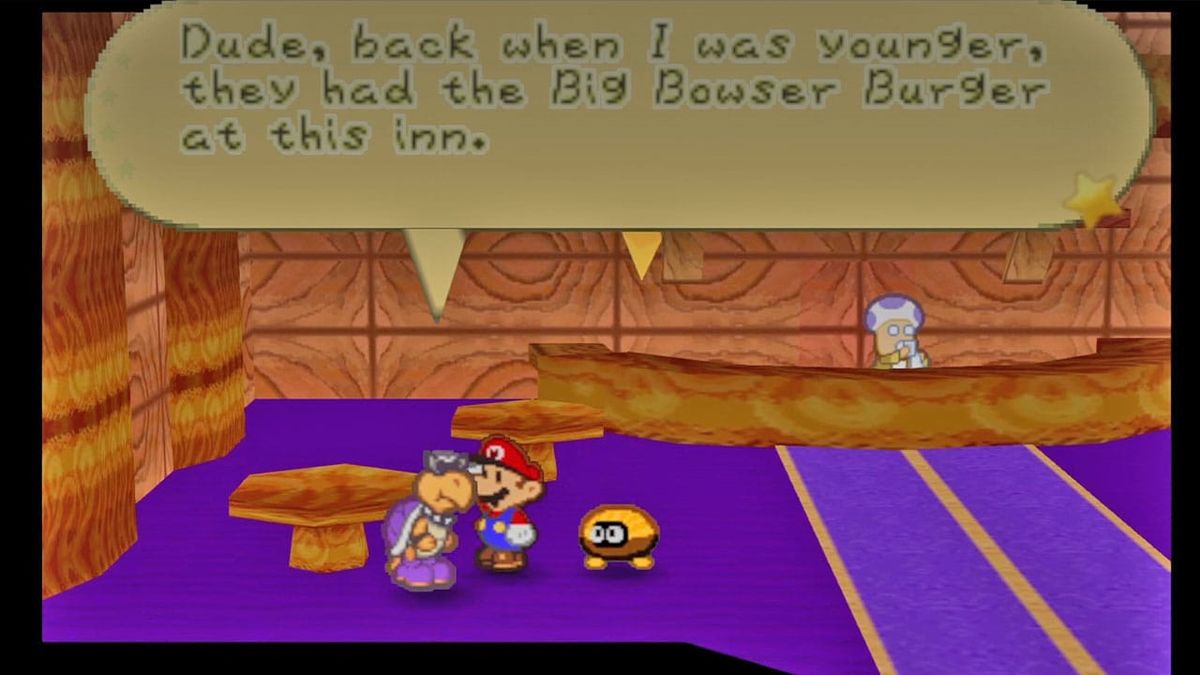
The visual and auditory design of "Star Nova" has been particularly lauded. The gameplay footage reveals character animations and camera work that are remarkably consistent with Nintendo’s own production values. The fast-paced, energetic, and colorful presentation aligns perfectly with the expectations of long-time fans of the "Paper Mario" series. The developer’s preference for the N64 aesthetic, as noted by observers, is evident, contributing to a cohesive and authentic "Paper Mario" experience that resonates with enthusiasts who appreciate the distinctive charm of that era’s graphics.
The Shadow of Copyright and the Rise of Fan Projects
The existence of "Paper Mario: Star Nova," while celebrated by fans, also brings to the forefront the ongoing dialogue surrounding copyright in the video game industry. Nintendo, known for its proactive stance on intellectual property protection, has a history of issuing cease-and-desist orders against unauthorized fan projects that utilize their characters, game mechanics, or intellectual property. This has led to a situation where fan-made games, even those created with clear admiration and without commercial intent, often operate under the implicit threat of legal action.
While the article suggests a need for discreet searching due to "Nintendo’s lawyers being very trigger-happy," this reflects a common strategy employed by fan developers and communities to share their creations without attracting immediate attention from rights holders. The accessibility of the game through YouTube descriptions and general web searches indicates a decentralized distribution method, often favored to mitigate the risk of swift takedowns. This approach allows enthusiasts to discover and engage with these projects while attempting to navigate the complex legal landscape.
The implications of such fan-made titles are multifaceted. On one hand, they demonstrate the deep emotional connection players have with established franchises, fostering vibrant communities and inspiring creativity. They also serve as unofficial showcases of talent, potentially offering insights into what players desire in future official installments. For developers like NicTube, these projects are often passion projects, driven by a love for the source material and a desire to contribute to its legacy.
Supporting the Fan Development Ecosystem
The article includes a call to action for readers to support the publication through memberships, tips, or by patronizing their affiliated gaming accessory company, GAMENOOK. This section emphasizes a commitment to supporting human writers and maintaining editorial independence, free from the pressures of algorithms and intrusive advertising. This model of support is crucial for independent media outlets that aim to provide in-depth, quality content without relying on the often-sensationalized tactics prevalent in some online media.

The success of "Paper Mario: Star Nova" and the platform that highlights it underscore the symbiotic relationship between creators, communities, and the media that covers them. Fan projects like "Star Nova" thrive on community engagement and recognition, while publications that champion these endeavors rely on reader support to continue their work. The mention of GAMENOOK suggests a broader initiative to sustain creative endeavors within the retro and fan-made gaming sphere, offering tangible benefits to the community while ensuring the financial viability of these supporting platforms.
Broader Impact and Future Considerations
The development and release of "Paper Mario: Star Nova" can be viewed as a microcosm of the larger trends in the gaming industry. It highlights the evolving definition of "game development" to include dedicated hobbyists and independent creators who can produce content of remarkable quality. Furthermore, it underscores the enduring appeal of classic franchises and the creative potential that lies dormant within them, waiting to be reinterpreted and expanded upon by passionate individuals.
The "Paper Mario" series itself has seen evolution over the years, with "Paper Mario 64" holding a special place in the hearts of many for its unique blend of RPG elements and platforming. Fan projects like "Star Nova" often seek to recapture specific aspects or eras of a beloved series, offering experiences that might differ from the direction taken by the original developers. This provides a valuable avenue for fans to engage with their favorite universes in ways that might not be offered by official releases.
Looking ahead, the legal status of fan games remains a contentious issue. While some companies have adopted more lenient policies or even embraced fan creations to a degree, others maintain a strict approach to intellectual property. The success of "Paper Mario: Star Nova" and the community surrounding it will likely continue to contribute to this ongoing discussion, potentially influencing how rights holders perceive and interact with fan-made content in the future. For now, "Paper Mario: Star Nova" stands as a shining example of what can be achieved through individual dedication, technical skill, and a deep-seated love for the art of video games. It serves as an inspiration not only to aspiring fan developers but also as a reminder of the creative spirit that fuels the entire gaming landscape.








