Farhan hamdan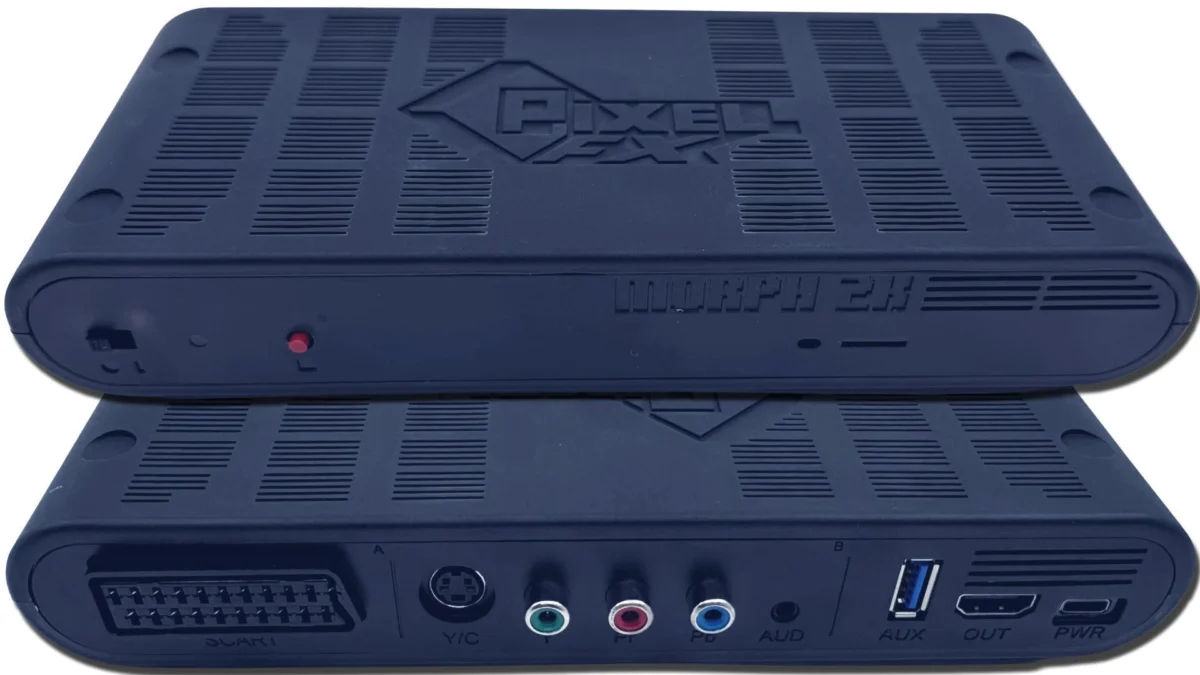
PixelFX, a prominent innovator in the retro gaming hardware sector, has officially announced the impending release of the Morph 2K, a dedicated 1080p60 version of their highly acclaimed Morph scaler. Priced at an accessible $200, this new device is poised to significantly broaden the appeal of high-quality retro gaming by integrating comprehensive analog video inputs, effectively streamlining the setup for enthusiasts. The Morph 2K, which shares much of its underlying architecture with its more powerful 4K sibling, is designed to deliver pristine 1080p upscaling without the premium associated with 4K capabilities, making it a compelling option for a wider demographic of gamers. Pre-orders for the inaugural production batch are scheduled to commence on June 1st, with shipping anticipated before the onset of Fall, ensuring that early adopters can integrate this new technology into their setups well in advance of the holiday season. Alongside the Morph 2K, PixelFX also introduced a suite of new connectivity solutions, including VGA2SCART and SCART2VGA adapters, designed to enhance compatibility not only with the new 2K scaler but also with their existing Analog Bridge modules. Further intricate details and additional corporate updates were initially disseminated through the company’s April Newsletter, providing a comprehensive overview of PixelFX’s strategic direction and product pipeline.
The Morph 2K: Technical Specifications and Value Proposition
At its core, the Morph 2K is engineered to simplify the integration of classic gaming consoles with modern display technologies. Its primary function is to accept a variety of analog video signals from vintage hardware and convert them into a crisp 1080p digital output at a smooth 60 frames per second (1080p60) via HDMI. This capability is paramount for retro gamers, as contemporary televisions and monitors are typically optimized for digital inputs and often lack the necessary analog ports, or perform internal scaling poorly, introducing visual artifacts and input lag.
The device boasts an impressive array of built-in analog video inputs, directly addressing the diverse output standards of historical gaming systems. These include SCART, a widely adopted European standard for high-quality RGB video, YPBPr Component Video, prevalent in North America for systems like the PlayStation 2, Xbox, and Wii, and S-Video, a common output for consoles such as the Nintendo 64 and Sega Saturn. Furthermore, the Morph 2K retains the versatility found in PixelFX’s other solutions by accepting Composite Video signals through the green Component RCA input, a clever design choice that accommodates even the most basic video outputs from early console generations.
The strategic pricing of the Morph 2K at $200 positions it as a highly competitive offering in the burgeoning market for retro video scalers. This price point is particularly noteworthy given its robust feature set, which is largely derived from the more expensive 4K Morph scaler. For many retro enthusiasts, especially those utilizing 1080p televisions or monitors, the additional cost of a 4K scaler is often an unnecessary expenditure. The Morph 2K directly targets this segment, providing a premium scaling experience without compelling users to invest in capabilities they may not fully leverage. This approach aligns with PixelFX’s apparent goal of democratizing access to high-fidelity retro gaming, making it more attainable for individuals operating on tighter budgets or those simply prioritizing cost-effectiveness without compromising on core performance.
Overcoming Analog Video Challenges: The Necessity of Modern Scalers
The landscape of modern display technology presents significant hurdles for enthusiasts of vintage video game consoles. While CRT televisions were inherently designed to display analog signals with natural pixel rendering and minimal latency, contemporary flat-panel displays, such as LCDs, LEDs, and OLEDs, operate fundamentally differently. These displays are digital by nature and feature fixed pixel grids, meaning they must convert and scale any incoming analog signal to fit their native resolution. This conversion process, when handled internally by the display, often results in a degraded image quality characterized by blurriness, incorrect aspect ratios, and noticeable input lag, which can severely detract from the original gaming experience.
This technological disparity created a niche for external video scalers like the Morph 2K. These devices are purpose-built to meticulously deinterlace, line double, and upscale analog video signals to a modern digital standard (in this case, 1080p60) before the signal reaches the display. By performing this complex processing with dedicated hardware and sophisticated algorithms, external scalers ensure that the image presented on a modern TV is as close as possible to the developer’s original intent, often surpassing the quality achievable even on a well-calibrated CRT due to the clarity and vibrancy of digital displays. The integration of multiple analog inputs—SCART, Component, S-Video, and Composite—directly into the Morph 2K eliminates the need for external input converters or switchers for many setups, simplifying cable management and reducing potential points of signal degradation. This comprehensive input support is a critical factor in its appeal, as retro consoles utilized a wide array of video output standards throughout their lifespans.
Expanding Connectivity: The VGA and SCART Adapter Ecosystem
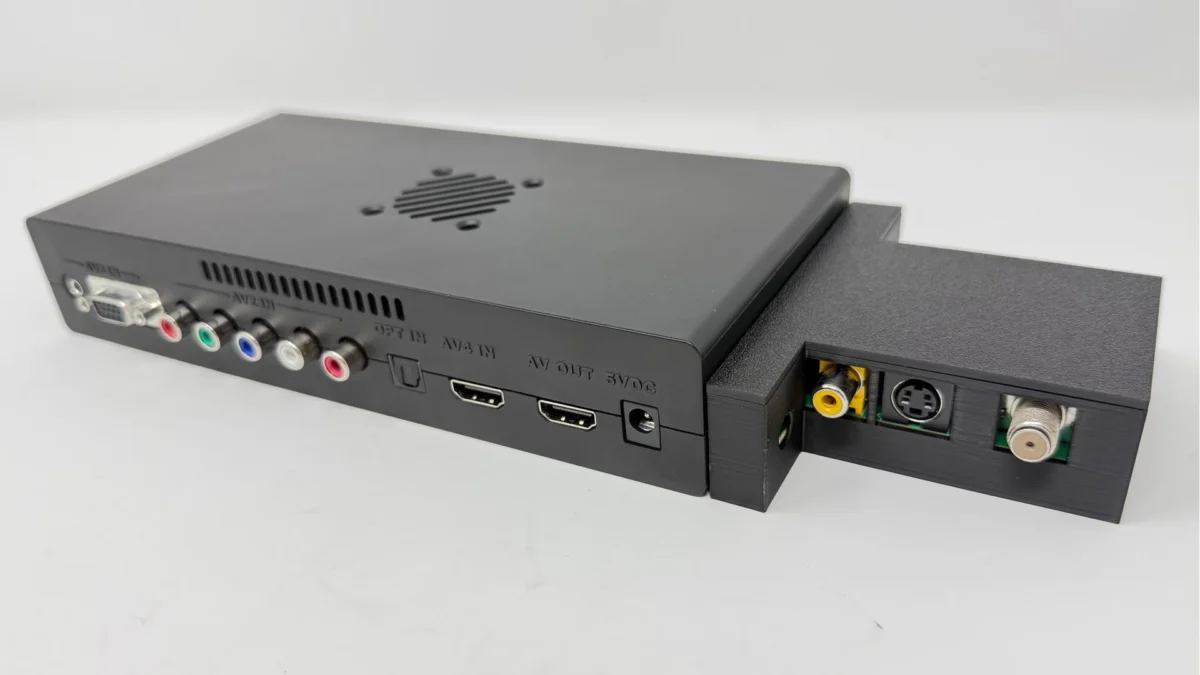
In a move to further enhance the versatility of their scaling solutions, PixelFX has simultaneously introduced two crucial adapter dongles: the VGA2SCART and the SCART2VGA. These $20 accessories are designed to expand the compatibility of both the new Morph 2K and the existing Analog Bridge modules for the Morph 4K.
The VGA2SCART adapter facilitates the connection of VGA (Video Graphics Array) sources, commonly found on retro PCs, arcade boards, or some specialized consoles, to the SCART input of the Morph 2K or the Analog Bridge. This is particularly useful for PC engine enthusiasts or those who delve into the world of early PC gaming, allowing these systems to benefit from the Morph’s superior scaling capabilities. While existing HD15-2-SCART adapters and other sync combiners could achieve similar results, PixelFX’s official adapter provides a streamlined, tested, and potentially more robust solution, ensuring optimal signal integrity.

Conversely, the SCART2VGA adapter enables SCART-outputting consoles to be connected to VGA inputs, which can be beneficial for specific monitor setups or for users who might have an Analog Bridge module that was initially purchased with only a VGA input option. The flexibility offered by these inexpensive adapters is a testament to PixelFX’s commitment to providing comprehensive solutions. For owners of the Morph 4K’s Analog Bridge, which typically comes configured for either VGA or SCART, these dongles offer an economical pathway to achieve full input versatility without needing to purchase an entirely new bridge module. This modular approach significantly extends the utility and lifespan of PixelFX’s existing hardware ecosystem.
A Brief History of PixelFX and the Retro Upscaling Revolution
PixelFX has rapidly established itself as a leading name in the retro gaming hardware community, renowned for its innovative and high-quality video solutions. The company gained significant traction with its internal digital mods for various consoles, such as the N64 Digital and other projects, which provided pristine digital video output directly from console hardware. Building on this expertise, PixelFX ventured into external scalers with the introduction of the Morph 4K. This flagship device quickly earned accolades for its advanced processing capabilities, extensive feature set, and ability to output stunning 4K visuals from analog sources, catering to the highest echelon of retro gaming enthusiasts and those with cutting-edge 4K displays.
The evolution of video upscaling for retro gaming has been a journey of continuous innovation. Early solutions often involved generic upscalers that performed poorly, or complex, expensive setups requiring multiple devices. Key milestones include the development of open-source projects like the OSSC (Open Source Scan Converter), which popularized zero-lag line doubling and tripling, and the subsequent commercialization efforts by companies like RetroTINK, which focused on user-friendliness and robust analog input support. PixelFX’s entry into this market with the Morph series represents a sophisticated convergence of these advancements, offering high-end processing in increasingly accessible packages. The Morph 2K specifically marks a pivotal moment in this timeline, signifying a strategic pivot towards broader market accessibility without sacrificing the core technical excellence that defines the brand. It acknowledges that not all retro gamers require or desire 4K output, yet all deserve a high-quality, lag-free experience.
Timeline of Release and Availability
The announcement of the Morph 2K was made through PixelFX’s detailed April Newsletter, signaling their intent to bring this product to market efficiently. Enthusiasts eager to acquire the new scaler should mark their calendars for June 1st, when pre-orders for the initial production run are slated to commence. PixelFX has provided an optimistic shipping window, expecting devices to reach customers "before Fall," which typically implies a delivery timeframe between July and August. This timeline ensures that the Morph 2K will be available well in advance of the traditional holiday shopping season, potentially making it a highly sought-after item for retro gamers. The swift progression from announcement to pre-order and projected delivery underscores PixelFX’s operational efficiency and responsiveness to community demand.
Broader Implications for the Retro Gaming Community
The introduction of the PixelFX Morph 2K carries significant implications for the retro gaming community and the broader market for video upscaling solutions. Firstly, its aggressive $200 price point is expected to exert downward pressure on the pricing of competing 1080p-capable scalers, fostering a more competitive environment beneficial to consumers. This pricing strategy positions the Morph 2K as a direct competitor to some mid-range scalers while offering a feature set that often rivals more expensive alternatives.
Secondly, and perhaps most importantly, the Morph 2K significantly lowers the barrier to entry for high-quality retro gaming. Many potential enthusiasts have been deterred by the perceived complexity or prohibitive cost associated with achieving a premium experience on modern displays. By offering a comprehensive, high-performance scaler with built-in analog inputs at an accessible price, PixelFX is poised to attract a new wave of retro gamers who might have previously relied on inferior solutions or simply avoided modern display setups altogether. This expanded accessibility could lead to a revitalization of interest in certain console generations, as more players experience these classics in their best possible visual fidelity.
Furthermore, the Morph 2K’s existence validates the market segment for 1080p scaling. While 4K displays are becoming increasingly common, 1080p remains the dominant resolution for many gaming monitors, secondary televisions, and budget-conscious setups. PixelFX’s decision to specifically cater to this resolution with a dedicated product demonstrates a keen understanding of diverse consumer needs, ensuring that resources are not unnecessarily allocated to 4K processing for users who do not require it. This strategic segmentation of their product line allows PixelFX to address a broader spectrum of the retro gaming market effectively.
Finally, the integrated approach of the Morph 2K, combining multiple analog inputs into a single unit, simplifies the user experience. Novice users, in particular, will appreciate not having to purchase and configure separate input adapters or switchers. This ‘all-in-one’ philosophy, coupled with the brand’s reputation for quality, positions the Morph 2K as a robust and user-friendly solution that could become a benchmark for accessible high-performance retro upscaling.
In conclusion, the PixelFX Morph 2K represents a pivotal advancement in the retro gaming hardware landscape. By delivering a feature-rich, high-performance 1080p60 scaler with extensive analog input support at a highly competitive $200 price point, PixelFX is not only expanding its product ecosystem but also making high-fidelity retro gaming more accessible than ever before. This strategic release is poised to resonate strongly within the community, fostering increased participation and elevating the standard for how classic games are enjoyed on contemporary displays.