Cecilia Chamidah Nur
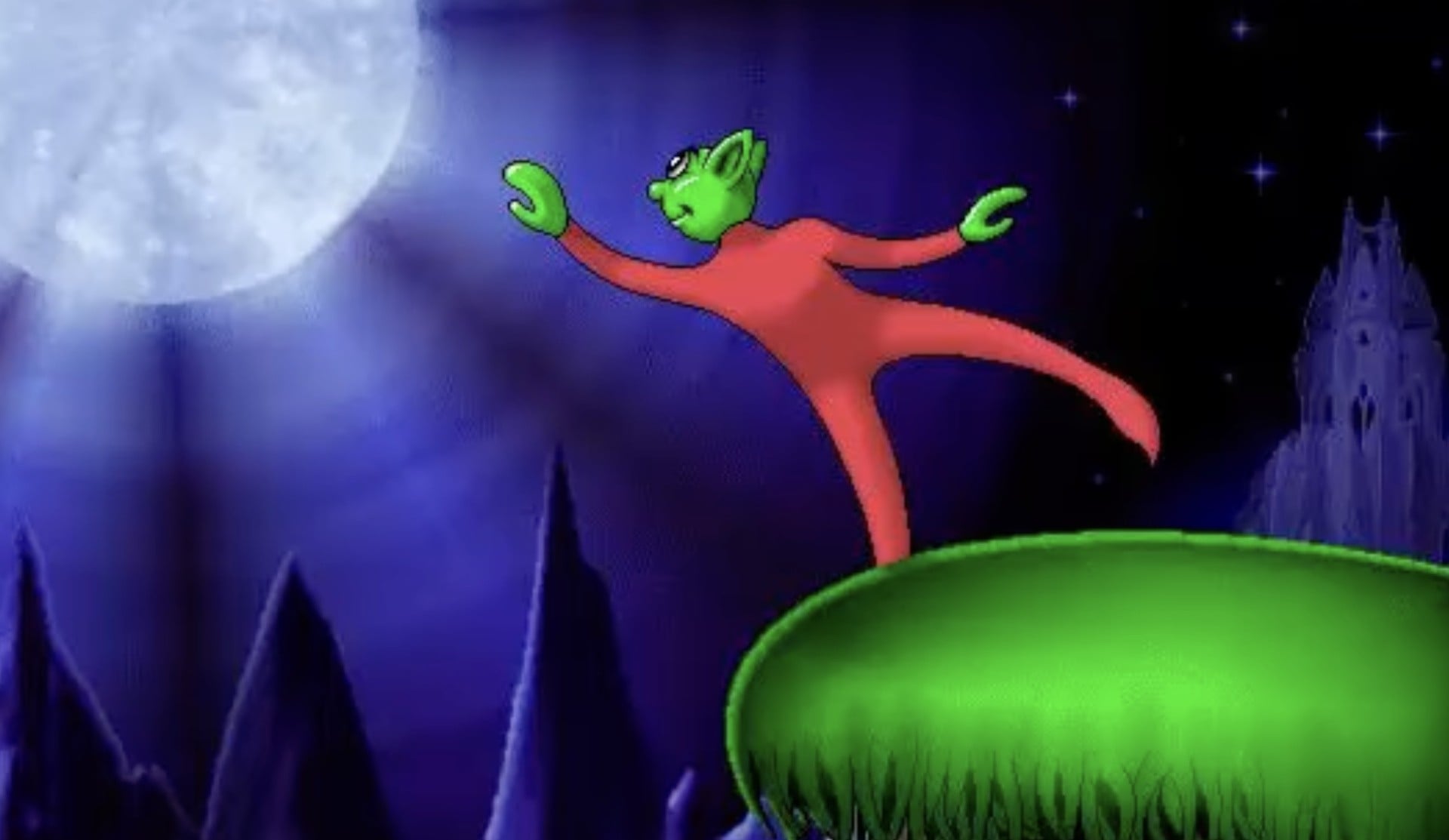
The digital landscape of 2026 has provided an unlikely second act for Moon Child, a 2D platformer from the early 1990s that had largely faded into obscurity. Developed by the Dutch studio Team Hoi, the game, originally conceived for the Commodore Amiga, eventually saw a severely restricted release on PC, leaving it with little commercial impact or recognition during its original era. Today, however, a confluence of retro gaming enthusiasm, dedicated archival efforts, and the amplifying power of social media has catapulted Moon Child into an unprecedented viral phenomenon, granting it the widespread attention it was denied over three decades ago.
The Genesis of Moon Child: A Glimpse into Early 90s European Development
In the burgeoning video game industry of the early 1990s, particularly in Europe, the Commodore Amiga stood as a formidable platform. Known for its advanced graphics and sound capabilities, the Amiga fostered a vibrant independent development scene, giving rise to numerous innovative titles and creative studios. Among these was Team Hoi, a Dutch collective that embarked on the ambitious project of Moon Child. The game, a side-scrolling platformer, aimed to leverage the Amiga’s strengths, promising an engaging experience for players.
However, the journey from development to market was fraught with challenges typical of the era. The console market was rapidly consolidating, and while the Amiga held its own in certain European territories, the broader transition to PC gaming was also underway. For smaller studios without robust publishing deals, navigating this shifting landscape was precarious. Moon Child faced significant hurdles, ultimately failing to secure its intended Amiga release. Instead, it "limped onto PC via a very limited release," a common euphemism for a title that struggled to find distribution, had minimal marketing, and consequently, reached only a tiny fraction of its potential audience. This limited exposure meant that Moon Child was, for all intents and purposes, a forgotten artifact of gaming history, relegated to the digital dustbin of unfulfilled potential.
Decades of Obscurity: The Lost Art of Gaming’s Past
For nearly three decades, Moon Child remained largely unknown outside a small circle of dedicated retro computing enthusiasts and archivists. The game’s initial commercial failure and limited distribution ensured that it never achieved critical mass or cult status. In an era before pervasive internet connectivity and digital storefronts, games that didn’t immediately capture the market often vanished without a trace. Without the robust digital preservation efforts seen today, many titles from the Amiga and early PC eras were at risk of being lost forever, their code locked away on floppy disks or obscure hard drives, their stories untold.
The sentiment among its creators, as later expressed by developer Metin Seven, hinted at a history of "repeated bad luck" during their game development years. This narrative is not uncommon for independent studios of the time, where passion often outweighed financial stability, and external factors beyond a developer’s control could dictate a game’s fate. The initial trajectory of Moon Child seemed destined to be a poignant footnote in the annals of European game development, a testament to creative ambition stifled by market realities.
The Spark of Revival: "Games That Weren’t" Unearths a Hidden Gem
The unexpected resurgence of Moon Child can be traced back to the diligent work of "Games That Weren’t," a specialized online archive dedicated to documenting and unearthing video games and content that were either unreleased, incomplete, or severely limited in their original distribution. In early 2026, the team at "Games That Weren’t" delved into the history of Moon Child, meticulously piecing together its development story. Their efforts led to a pivotal discovery: the unused Amiga theme tune for the game.
This theme tune, described by the site as containing "some of the greatest lyrics ever written by man," became the unexpected catalyst for the game’s viral explosion. While the description is undoubtedly hyperbolic, it suggests that the lyrics possessed a unique quality—perhaps humorously idiosyncratic, surprisingly profound, or simply memorable in a way that resonated with contemporary internet culture. The concept of "lost media" or "unheard music" from a forgotten era holds a particular fascination for online communities, and the Amiga theme tune for Moon Child struck a chord. The initial sharing of this rediscovered audio clip sparked curiosity, leading more individuals to investigate the game itself.
The Viral Tsunami: Social Media’s Embrace and Aftermath’s Documentation
Once the Amiga theme tune began circulating, the internet’s powerful network effects took over. The game’s obscure origins, coupled with the intriguing narrative of its rediscovery, made it ripe for viral dissemination. Gaming culture publication Aftermath meticulously documented this astonishing revival in a comprehensive summary piece. Their reporting highlighted how Moon Child rapidly transitioned from a forgotten curiosity to a full-blown internet sensation.
The virality manifested in various forms characteristic of modern online phenomena. Social media platforms—from image boards to microblogging sites—were flooded with fan art inspired by Moon Child‘s characters and aesthetics. Memes, a potent form of digital communication, proliferated, extracting humor and cultural references from the game’s rediscovered elements. Discussions erupted across forums and communities, dissecting its gameplay, historical context, and the sheer improbability of its newfound fame. This organic, community-driven engagement generated an unprecedented level of exposure for Moon Child, a stark contrast to the near-total anonymity it experienced during its original 1993 release. The digital echo chamber amplified its story, reaching millions globally and creating a collective appreciation for a game that had once seemed destined for oblivion.
Developer’s Reaction and the Gift of Preservation
The overwhelming and entirely unexpected online reaction did not go unnoticed by the game’s original creators. Metin Seven, one of the key developers from Team Hoi, expressed profound joy and astonishment at Moon Child‘s sudden surge in popularity. Speaking to Aftermath, Seven conveyed a sentiment of emotional vindication, stating, "I almost can’t express how joyful it is to witness all the love for Moon Child and our other games. It’s a wonderful, surreal, wild ride, and it pretty much makes up for the repeated bad luck we experienced during our game development years."
This heartfelt statement underscores the emotional weight carried by creators whose works may not have found their audience initially. For Seven and his team, the viral success of Moon Child was not merely a fleeting internet trend; it represented a profound validation, a rewriting of their development history from one of struggle and limited recognition to one of belated, yet widespread, appreciation.
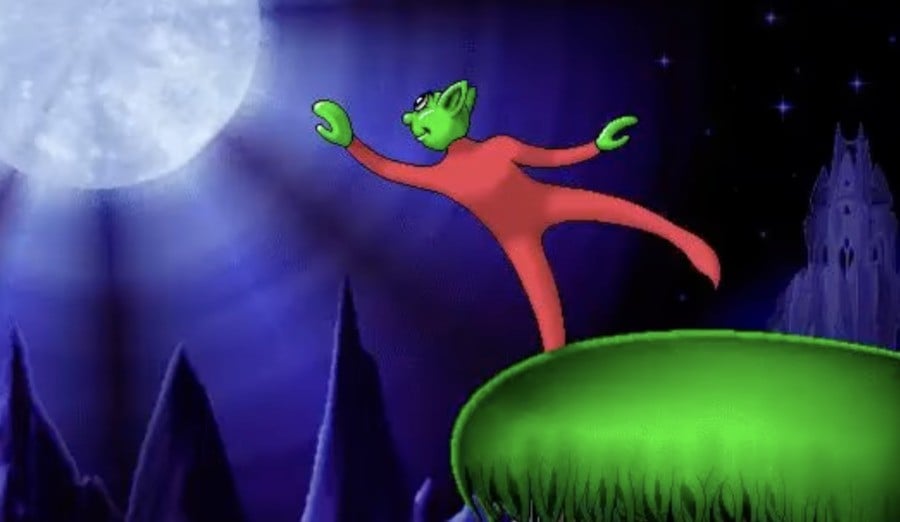
Driven by this outpouring of support and a desire to contribute to the game’s preservation, Metin Seven took a significant step: he released the source files and assets for Moon Child on the Internet Archive. This act of digital benevolence is monumental for several reasons. Firstly, it ensures the permanent preservation of the game’s core components, safeguarding it from the digital decay that threatens many older titles. Secondly, it empowers the burgeoning community of fans, modders, and preservationists to explore the game’s inner workings, potentially leading to new versions, ports, or deeper analyses. This move aligns with a growing trend among veteran developers who, decades later, are releasing the source code for their classic titles, contributing invaluable resources to gaming history and fostering a new wave of creative engagement with their past works.
The Broader Narrative: Gaming Preservation and Nostalgia
The Moon Child phenomenon is more than just a quirky internet story; it serves as a powerful case study for several significant trends within the gaming world and broader digital culture.
Gaming Preservation: The episode highlights the critical importance of organizations like "Games That Weren’t" and the Internet Archive. In an industry where titles can easily become unplayable or inaccessible due to outdated hardware, proprietary formats, or corporate closures, dedicated archival efforts are essential. Moon Child‘s revival demonstrates that preservation is not merely about storing old data; it’s about giving these works a chance at a renewed cultural life, allowing future generations to experience and appreciate them. The release of source code further bolsters these efforts, providing the raw materials for emulation, re-releases, and academic study.
Nostalgia and Retro Gaming: The robust and ever-growing retro gaming community plays a crucial role in stories like Moon Child‘s. There is a deep well of nostalgia for the computing and gaming eras of the 80s and 90s, particularly for platforms like the Amiga, which evoke fond memories for many players. This community actively seeks out forgotten gems, re-evaluates overlooked titles, and celebrates the unique aesthetics and gameplay mechanics of past eras. The "Euro platformer" genre itself holds a distinct charm for many, and Moon Child fits neatly into this beloved category, tapping into a collective desire to revisit or discover the foundational experiences of gaming.
The Power of Online Communities: The internet, despite its various pitfalls, remains an unparalleled engine for collective discovery and appreciation. Social media platforms, forums, and dedicated fan sites provide the infrastructure for niche interests to coalesce and amplify. Moon Child‘s journey from obscurity to viral fame is a testament to the power of these communities to champion forgotten works, create new cultural touchstones, and collectively decide what deserves attention. It showcases how a small spark of interest, when fanned by a passionate community, can ignite a global phenomenon.
A New Lease on Life: Implications for Indie Developers and Lost Media
The Moon Child story also carries significant implications for current independent game developers and the broader "lost media" cultural phenomenon.

Lessons for Indie Developers: For today’s indie developers navigating an oversaturated market, the Moon Child narrative offers a glimmer of hope. While commercial success is never guaranteed, the story illustrates that artistic merit and unique vision can, sometimes, find their audience much later. It reinforces the idea that creating something genuinely interesting, even if it struggles initially, might one day be rediscovered and celebrated. It also encourages a long-term perspective on creative endeavors, where the immediate reception isn’t always the final judgment.
Emotional Impact and Vindication: The deep satisfaction expressed by Metin Seven provides a powerful emotional arc. Many creators, across various artistic disciplines, experience the disappointment of works that fail to connect with the public. Moon Child‘s revival offers a rare form of delayed gratification, a public vindication for years of effort and perhaps, unacknowledged talent. This emotional dimension resonates deeply, reminding us of the human stories behind every piece of media.
The "Lost Media" Phenomenon: Beyond gaming, there’s a widespread cultural fascination with "lost media"—films that were never released, television episodes that aired once, or early versions of popular songs. This interest stems from a desire to complete historical narratives, uncover hidden gems, and experience works that were once deemed inaccessible. Moon Child perfectly embodies this phenomenon, moving from the realm of "lost" to "found" and then to "celebrated," demonstrating the enduring human impulse to unearth and appreciate what was almost forgotten.
In conclusion, the viral resurgence of Moon Child in 2026 is a remarkable tale of digital immortality. It is a story where a forgotten European platformer, once a casualty of its era’s market dynamics, found its rightful place in the digital zeitgeist thanks to dedicated archivists, a passionate retro gaming community, and the amplifying power of social media. The "wonderful, surreal, wild ride" described by its developer is not just his personal experience, but a microcosm of how the past can be redeemed and re-evaluated through the lens of a hyper-connected present, ensuring that even the most obscure creations can, against all odds, find a new lease on life.