Hartono Sudibyo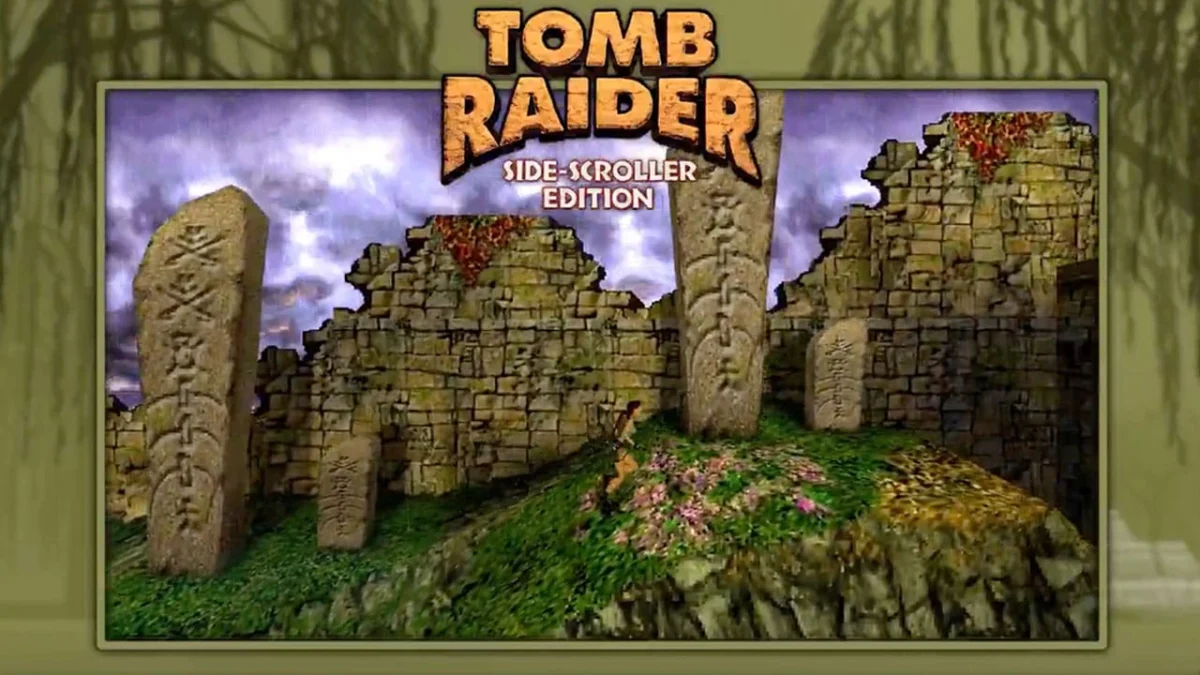
The iconic adventurer Lara Croft is poised for a significant stylistic shift next month, as a fan-made project reimagines the seminal 1996 PlayStation title, Tomb Raider, as a classic side-scrolling experience. This ambitious undertaking, developed by the independent duo Delca and Tryxe, aims to translate the 3D exploration and puzzle-solving of the original into a 2D format reminiscent of arcade classics like Altered Beast and the Shinobi series. The project, a testament to passion and dedication, is slated for a free-to-play release in May 2026.
Genesis of a 2D Legend
The announcement of this side-scrolling Tomb Raider comes at a time of renewed interest in the franchise’s legacy. Coinciding with the impending release of the original Tomb Raider on the Nintendo 64, a platform it famously never graced during its initial 1990s heyday, this fan-driven reimagining highlights the enduring appeal of Lara Croft’s debut adventure. The project’s creators, Delca and Tryxe, have spent an undisclosed period meticulously crafting 11 levels that capture the essence of the original game’s environments while adapting them to a 2D perspective.
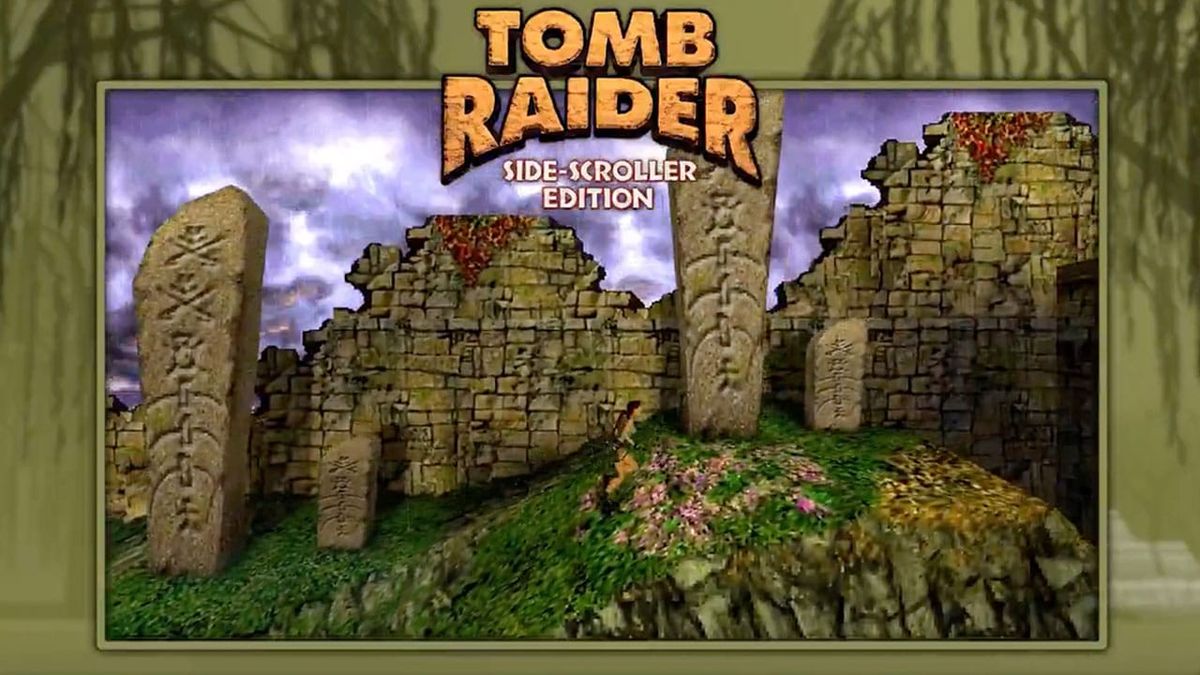
The trailer released by the developers showcases a gameplay loop that emphasizes precise platforming, combat against familiar foes, and the discovery of hidden secrets, all presented through a pixel art style that evokes a strong sense of retro gaming nostalgia. The visual transformation is striking, moving away from the polygonal environments of the original PlayStation release to a vibrant, hand-drawn aesthetic. This approach offers a fresh lens through which to experience the meticulously designed tombs and ancient ruins that defined Lara Croft’s initial outing.
A Nod to Arcade Roots
Delca, in a social media post on April 16, 2026, expressed the team’s excitement: "Classic Tomb Raider, fully reimagined as a side-scroller. A project developed by me (Delca) and Trxye, we’re incredibly happy to announce that it’s now complete! Planned release: May 2026. Here’s a trailer showcasing gameplay and features :)." The accompanying trailer, embedded within the announcement, provided a substantial glimpse into the project’s scope and execution.
The transformation from 3D to 2D fundamentally alters the player’s interaction with the game world. While the original Tomb Raider required players to navigate complex 3D spaces, manage camera angles, and perform intricate jumps, the side-scrolling format prioritizes fluid movement, pattern recognition, and timing. This shift is not merely cosmetic; it necessitates a reinterpretation of level design, puzzle mechanics, and combat encounters to suit the new perspective. The developers appear to have embraced this challenge, with the trailer suggesting that familiar obstacles and enemies have been adapted effectively. The 11 levels are said to offer a distinct feel, moving away from the exploration-heavy nature of the original towards a more action-oriented experience, akin to titles like Shinobi.
Project Scope and Development Timeline
While the exact development timeline is not publicly detailed, the project’s completion and planned release in May 2026 indicate a significant investment of time and effort. The creators have emphasized that this is a "not-for-profit passion project," suggesting that their primary motivation is a love for the Tomb Raider franchise and the desire to create something unique for the gaming community. This approach often allows for greater creative freedom but also means that the project relies entirely on the goodwill and enthusiasm of its developers.
The decision to release the game for free further underscores its nature as a tribute rather than a commercial venture. This is a common practice within the fan game community, where developers leverage existing intellectual property to create new experiences, often as a way to hone their skills or express their admiration for the source material. However, such projects can sometimes attract the attention of copyright holders, although the "not-for-profit" status and the clear attribution to the original creators may mitigate potential issues.
The Enduring Appeal of Tomb Raider
Released in 1996 by Core Design and published by Eidos Interactive, Tomb Raider was a groundbreaking title that significantly influenced the trajectory of 3D action-adventure games. Lara Croft quickly became a cultural icon, recognized for her intelligence, athleticism, and adventurous spirit. The game’s success spawned a franchise that has seen numerous sequels, reboots, and multimedia adaptations, including films and animated series. The original game is particularly celebrated for its innovative gameplay mechanics, atmospheric level design, and the introduction of a strong female protagonist in a male-dominated industry.
The original Tomb Raider sold over 7 million copies worldwide, making it a commercial and critical success. Its gameplay, while revolutionary for its time, also presented challenges for players, particularly its notoriously precise jump mechanics and sometimes unforgiving combat. The fan-made side-scroller offers a chance to revisit these elements in a new light, potentially making the game more accessible to a new generation of players while offering a nostalgic experience for long-time fans.

The Retro Gaming Landscape and Fan Projects
The current gaming landscape is marked by a strong resurgence of interest in retro gaming. This phenomenon is fueled by several factors, including nostalgia for classic titles, the availability of emulation technology, and the rise of indie developers who draw inspiration from the past. Fan-made projects, like this side-scrolling Tomb Raider, play a crucial role in this trend. They not only celebrate beloved franchises but also demonstrate the creative potential that exists outside of mainstream development.
These projects often serve as a proving ground for aspiring game developers, allowing them to experiment with different genres, mechanics, and artistic styles. The success of such endeavors can also influence official game development, with developers sometimes taking inspiration from the innovative ideas and passionate execution seen in fan creations. The "not-for-profit" nature of this Tomb Raider project ensures that it is driven by genuine passion, aiming to create an experience that resonates with the core appeal of the original game.
Potential Implications and Community Reaction
The announcement of a side-scrolling Tomb Raider has already generated considerable buzz within the retro gaming community. The trailer’s reception on social media platforms has been overwhelmingly positive, with many expressing excitement about the prospect of playing a familiar adventure in a novel format. This project taps into a deep well of affection for the original game and the character of Lara Croft, offering a unique way to celebrate its legacy.
From a broader perspective, the success of this fan project could encourage other developers to explore similar reimagining of classic games. It highlights the potential for creative interpretations of existing IPs and the power of independent development. The fact that it is a free release means that it will be accessible to a wide audience, further contributing to its potential impact. The developers’ commitment to a non-profit model also sets a positive example for community-driven game development, emphasizing artistic integrity and player enjoyment over commercial gain.
Looking Ahead to May 2026
With its planned release in May 2026, players will soon have the opportunity to experience Lara Croft’s debut adventure through a completely different gameplay lens. Delca and Tryxe have set a high bar for themselves, aiming to translate the challenging and immersive experience of the original Tomb Raider into a dynamic 2D format. The success of this project will undoubtedly be a testament to their dedication, skill, and understanding of what makes the Tomb Raider franchise so enduringly popular. As the release date approaches, the gaming world will be watching with anticipation to see how this ambitious reimagining unfolds. The potential for this project to reignite interest in the classic Tomb Raider experience, while offering a fresh and engaging challenge, is significant.