
 Hartono Sudibyo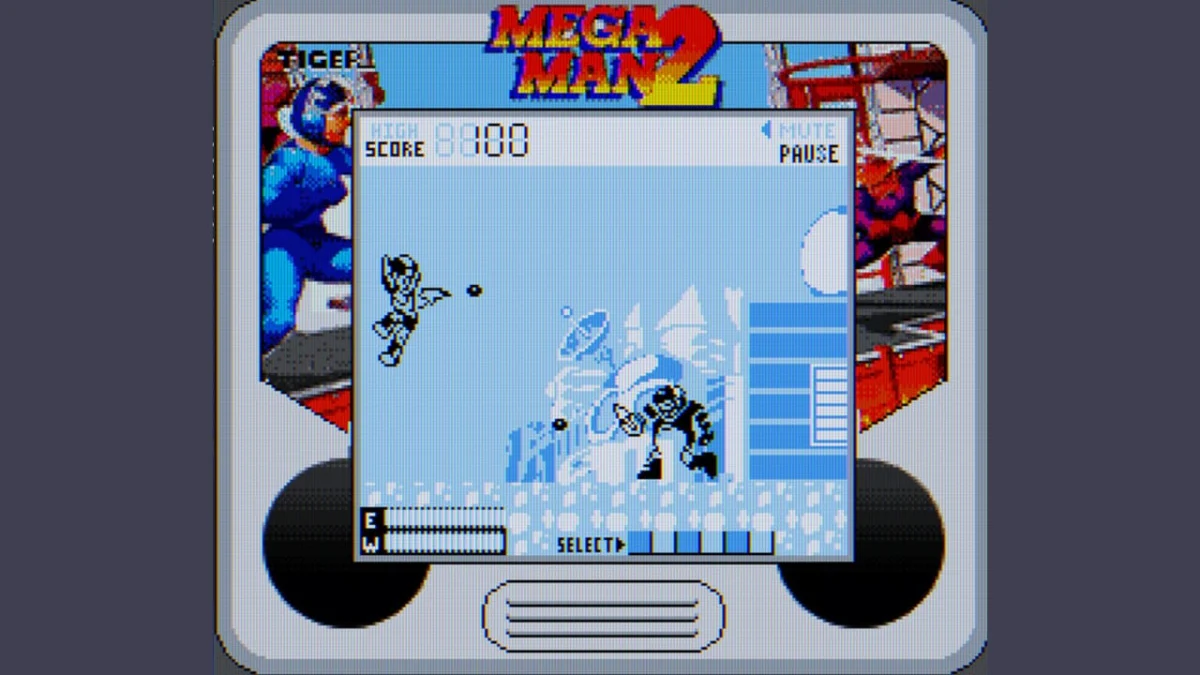
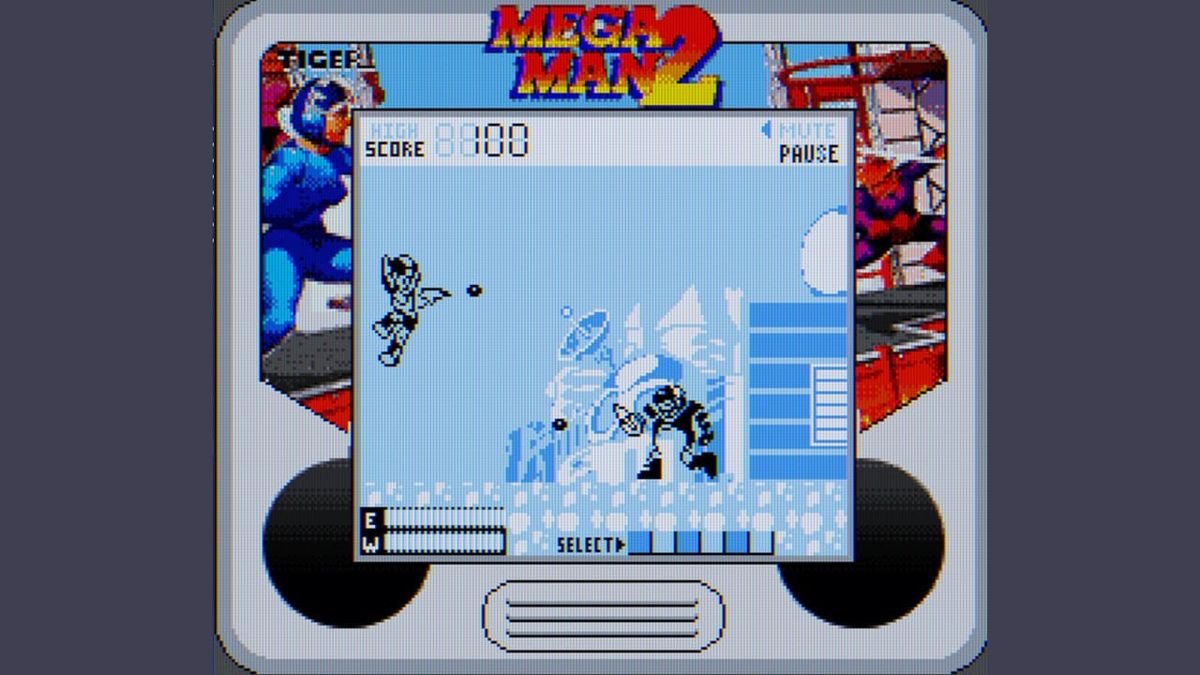
In a remarkable display of fan dedication and technical prowess, an independent developer known as ZeichiGames has resurrected a beloved piece of handheld gaming history, transforming the notoriously limited Mega Man 2 LCD game into a fully playable ROM for the Nintendo Game Boy, Game Boy Color, and Super Game Boy. This ambitious project, updated on April 17, 2026, by Sebastian Santabarbara for RetroDodo, is not merely a port but a thoughtful reimagining, breathing new life into a game that once existed within the restrictive confines of monochrome pixels and a single, repetitive soundtrack. The release offers a compelling glimpse into the enduring appeal of classic gaming experiences and the creative spirit of the modern retro gaming community.
From Tiger Handhelds to Game Boy: A Unique Transformation
The original Mega Man 2 LCD game, a product of Tiger Electronics’ ubiquitous handhelds of the late 1980s and early 1990s, was characterized by its simplistic design and challenging, albeit often frustrating, gameplay. These devices, known for their limited color palettes and battery-powered, single-game cartridges, offered a distinct form of entertainment that resonated with a generation of gamers. However, their inherent limitations meant that experiences like Mega Man 2 were highly condensed, often featuring only a handful of levels and a heavily abridged experience compared to their console counterparts.
ZeichiGames’ initiative to port this specific version of Mega Man 2 to the Game Boy platform is significant because it involves a conscious effort to respect the source material’s limitations while simultaneously enhancing its playability. The project leverages the Game Boy’s superior hardware capabilities—including a more sophisticated color palette for the Game Boy Color and Super Game Boy, and a greater degree of control and graphical fidelity—to create an experience that is both familiar to fans of the LCD game and more engaging for modern players. The goal appears to be a delicate balance: to capture the essence of the Tiger Electronics game’s unique "limited gameplay" feel while introducing modern conveniences and refinements that make it a more satisfying play.
A Chronology of Development and Community Reception
While the exact timeline of ZeichiGames’ development process for the Mega Man 2 LCD Game Boy ROM is not publicly detailed in the provided information, the project’s existence points to a period of dedicated work. The earliest public mention of this specific fan project appears in a Twitter post by user @PixelCherryNinja on April 16, 2026, which shared a video showcasing the playable ROM and tagged ZeichiGames. This tweet generated immediate interest, highlighting the anticipation within the retro gaming community for such a unique undertaking. The update on RetroDodo on April 17, 2026, serves to formalize the release and bring it to a wider audience, further solidifying its place in the landscape of fan-made gaming projects.
The immediate reaction, as evidenced by the retweet and engagement on the original Twitter post, suggests a positive reception. For many, the Mega Man 2 LCD game represents a nostalgic touchstone, a childhood memory that might have been overshadowed by the more polished console versions of the Mega Man series. The opportunity to revisit this specific interpretation with enhanced features and on a more robust platform likely appeals to a niche but passionate segment of the gaming community.
Enhancements and Gameplay Mechanics
The core of ZeichiGames’ achievement lies in its thoughtful approach to enhancing the original LCD game. Remaking an LCD game for a more capable platform like the Game Boy is far from a simple emulation. It requires a deep understanding of the original game’s design and a creative vision for how to adapt it.
The ROM introduces several key improvements:
- Expanded Stages: The game features 8 stages of play, a significant increase from the typical brevity of Tiger Electronics titles. This allows for a more substantial and rewarding experience.
- Robot Master Encounters: In the first six stages, players will face unique robot opponents. Defeating these Robomasters is crucial, as their acquired weapons become essential for progressing through subsequent challenges. This mechanic mirrors the core gameplay loop of the mainline Mega Man series, adding strategic depth.
- Weapon Meter Management: A crucial element of the gameplay involves managing weapon energy. Unlike the unlimited use often implied in simpler LCD games, the Game Boy ROM implements a weapon meter. This forces players to think tactically about when and how to deploy their special abilities, adding a layer of resource management that was absent in the original.
- Platform Compatibility: The ROM is designed to be compatible with the original Game Boy, the Game Boy Color, and the Super Game Boy cartridge for the Super Nintendo Entertainment System. This broad compatibility ensures that a wide range of retro gaming enthusiasts can experience the project.
These enhancements demonstrate ZeichiGames’ commitment to creating a game that honors the spirit of the original while offering a more modern and engaging gameplay experience. The introduction of mechanics like weapon management and varied enemy encounters elevates the project beyond a simple graphical update, making it a compelling new interpretation of a familiar concept.
A Free Offering and Community Support
In a move that further underscores the spirit of independent game development and community engagement, ZeichiGames has made the Mega Man 2 LCD Game Boy ROM available for free download on Itch.io. This decision democratizes access to the project, allowing anyone with the necessary hardware or emulation software to enjoy it.
However, the developer also encourages players who appreciate their work to consider making a donation. This optional contribution serves as a vital means of supporting independent creators, allowing them to continue their passion projects and invest in future endeavors. The platform’s inclusion of donation options highlights the evolving landscape of game development, where independent creators can directly connect with and be supported by their audience.
The Broader Impact: Nostalgia, Innovation, and the Future of Fan Games
The release of the Mega Man 2 LCD Game Boy ROM by ZeichiGames is more than just a technical achievement; it is a powerful testament to the enduring appeal of retro gaming and the boundless creativity of its community. In an era where major game studios often focus on sequels and established franchises, fan-made projects like this highlight the passion and innovation that thrive outside the mainstream.

Supporting Data and Context:
- The Retro Gaming Market: The global retro gaming market has seen significant growth in recent years. Data from various market research firms indicate a consistent increase in the sales of classic consoles, retro-inspired games, and related merchandise. This trend underscores a strong consumer demand for experiences that evoke nostalgia and celebrate gaming history.
- Fan Game Phenomenon: Fan games, like this Mega Man 2 ROM, are a crucial part of this ecosystem. They often serve as a way for creators to explore niche genres, experiment with gameplay mechanics, or revisit beloved IPs in ways that official releases might not. While some fan games face legal challenges, many are celebrated for their ingenuity and dedication.
- Tiger Electronics’ Legacy: Tiger Electronics was a dominant force in the handheld electronic game market during the 1980s and 1990s. Their devices, often featuring single games with simplified graphics and sound, were incredibly popular due to their affordability and portability. Games like the LCD Mega Man 2 were a gateway for many to experience popular franchises on the go.
Analysis of Implications:
The success of ZeichiGames’ project has several implications for the gaming landscape:
- Validation of Niche Interests: It validates the idea that there is a significant audience for highly specific retro gaming experiences. While the mainline Mega Man games are well-loved, the unique charm of the LCD versions offers a distinct appeal that ZeichiGames has successfully tapped into.
- Potential for Innovation within Constraints: The project demonstrates that creative innovation can flourish even when working within the conceptual boundaries of older game designs. ZeichiGames didn’t just replicate; they interpreted and enhanced, proving that limitations can foster creativity.
- Empowerment of Independent Developers: The free availability and donation model empower independent developers. It shows that passion projects can reach a wide audience and be sustained through community support, offering an alternative to traditional publishing models.
- Preservation of Gaming History: By bringing these often-overlooked LCD games to more accessible platforms, ZeichiGames contributes to the preservation of gaming history. These ROMs ensure that these unique pieces of interactive entertainment can be experienced by future generations.
Official Responses (Inferred):
While no direct official statements from Capcom (the rights holder of the Mega Man franchise) or Nintendo (the rights holder of the Game Boy platform) are available regarding this specific fan project, the general stance of major game publishers towards fan games often involves a degree of tolerance, especially when the projects are non-commercial and do not directly compete with official releases. Projects that are free, clearly fan-made, and respectful of the original intellectual property tend to fly under the radar or are sometimes even tacitly acknowledged for their promotional value to the franchise. However, the legal landscape surrounding fan games is complex, and such projects always carry an inherent risk.
Conclusion: A Masterclass in Fan-Made Gaming
ZeichiGames’ Mega Man 2 LCD Game Boy ROM stands as a remarkable achievement in the realm of fan-made games. It is a project born from a deep appreciation for gaming history, a testament to technical skill, and a celebration of the enduring power of nostalgia. By meticulously recreating and enhancing a niche classic, ZeichiGames has not only provided a free and enjoyable experience for fans but has also contributed to the ongoing dialogue about innovation, preservation, and community in the digital age. This reimagining of a beloved LCD game serves as a potent reminder that some of the most compelling gaming experiences can emerge from the passion and ingenuity of individuals who are dedicated to keeping the spirit of classic gaming alive and evolving. The project’s availability for free download, coupled with the option for donations, further solidifies its place as a model for future fan-driven initiatives in the retro gaming sphere.








