Cecilia Chamidah Nur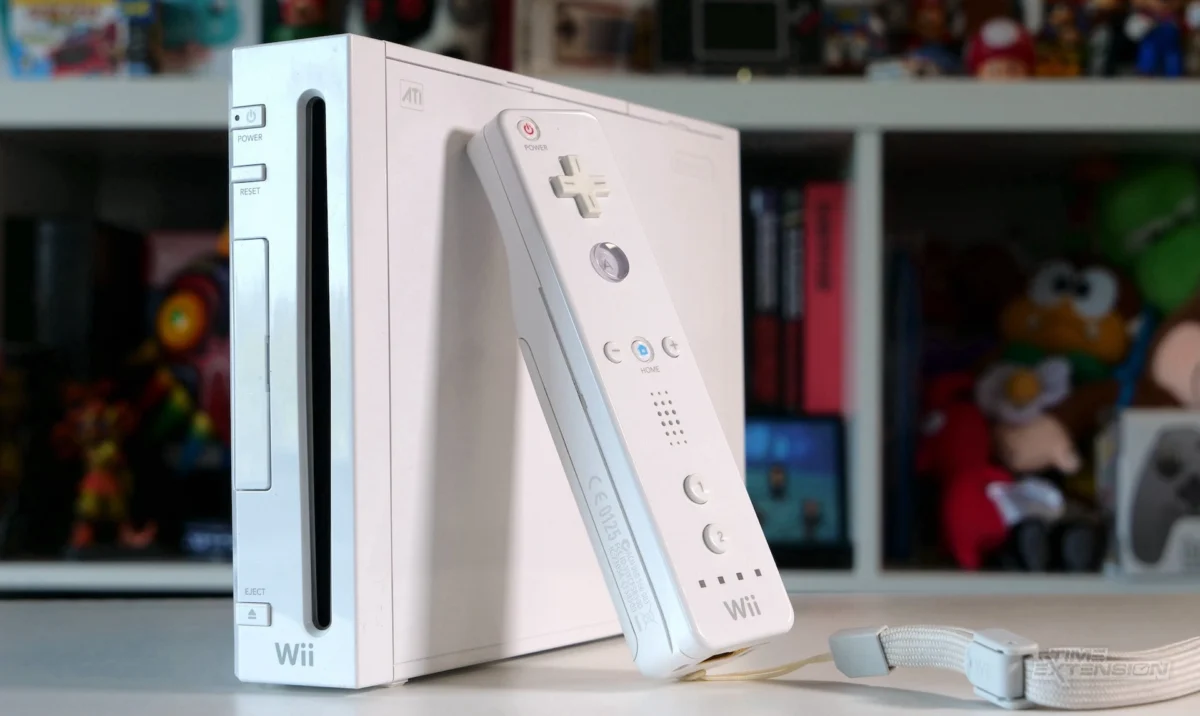
In a landmark development for the world of video game preservation and community-driven content, RetroAchievements, the esteemed volunteer organization dedicated to breathing new life into classic titles, has officially launched comprehensive achievement support for the Nintendo Wii. The highly anticipated update, which went live on Friday, March 20th, 2026, marks the service’s single largest rollout to date, introducing over 180 achievement sets for a diverse array of games on the iconic motion-controlled console. This monumental expansion follows an initial announcement made in September 2025, setting the stage for what has become a celebratory moment for retro gaming enthusiasts worldwide.
The integration of Nintendo Wii into the RetroAchievements ecosystem represents a significant milestone, not only for the platform itself but also for the broader emulation community. For years, players enjoying their favorite retro titles via emulators have sought ways to enhance their experience, often desiring modern gaming features like achievements, leaderboards, and persistent progression tracking. RetroAchievements has meticulously filled this void, creating a robust framework that allows dedicated volunteers to craft intricate achievement sets for thousands of games across dozens of classic platforms. The addition of the Wii, a console that defined a generation with its innovative approach to gaming, underscores the organization’s commitment to extending its reach to increasingly modern "retro" systems.
The Genesis of Wii Achievement Support
The journey to bring Wii achievements to fruition began with an initial announcement on Tuesday, September 16th, 2025. At that time, RetroAchievements signaled its intent to introduce support for the Nintendo Wii, targeting a launch date of March 19th, 2026. This initial revelation generated considerable excitement among the community, as the prospect of Steam-style achievements for Wii games promised to infuse beloved titles with fresh challenges and replayability. For many, the idea of unlocking specific feats or conquering every mode in games like Super Mario Galaxy, The Legend of Zelda: Twilight Princess, or Wii Sports through a standardized achievement system offered a compelling new reason to revisit their cherished memories.
The announcement specified that this new feature would primarily target the Dolphin emulator, a well-established and highly regarded open-source emulator for both the Nintendo GameCube and Wii. Dolphin’s robust capabilities and active development community made it the natural choice for such an integration. RetroAchievements already had a proven track record of collaboration with the Dolphin team, having successfully implemented GameCube achievement support in the preceding years. This prior experience laid a crucial foundation for the more complex task of integrating the Wii, a console known for its unique input methods and diverse game mechanics.
A Monumental Launch: Over 180 Achievement Sets Go Live
The official launch on March 20th, 2026, exceeded expectations in its sheer scale. With "over 180 sets going live," the update instantly made a vast library of Wii games eligible for achievement tracking. This unprecedented volume of content in a single rollout is a testament to the dedication of RetroAchievements’ volunteer developers and the enthusiastic participation of its community. Each achievement set is painstakingly crafted, requiring deep understanding of game mechanics, memory addresses, and scripting logic to ensure accurate and engaging challenges.
Nepiki, a community manager for RetroAchievements, reflected on the significance of this achievement, stating, "Two years ago, we were working together with the Dolphin team on bringing GameCube to our platform (which was our previous biggest rollout!), and our community has grown exponentially since then." This statement highlights the rapid growth and increasing sophistication of the RetroAchievements platform. The experience gained from the GameCube integration undoubtedly streamlined the process for the Wii, allowing for a more ambitious and comprehensive initial offering. The expanding community of both players and developers is a critical factor in the service’s ability to maintain momentum and continuously add support for new platforms and games.
The Nintendo Wii: A Revolution in Gaming History
The decision to incorporate the Nintendo Wii into the RetroAchievements library is particularly poignant given the console’s indelible mark on video game history. Launched in November 2006 (North America), the Wii emerged during a period when its competitors, Sony’s PlayStation 3 and Microsoft’s Xbox 360, were locked in a battle for graphical supremacy and raw processing power. Nintendo, however, charted a fundamentally different course. The company took a massive risk by introducing a console primarily controlled through motion, a departure from traditional button-based input that redefined user interaction with video games.
The Wii Remote, with its accelerometer and optical sensor, alongside the Nunchuk attachment, offered an intuitive and physically engaging way to play. This innovation wasn’t merely a gimmick; it was a deliberate strategy to broaden the appeal of video games beyond the traditional "hardcore" demographic. Titles like Wii Sports, bundled with the console in most regions, became a global phenomenon, appealing to casual players, families, and even non-gamers. It transformed living rooms into virtual bowling alleys, tennis courts, and golf courses, making gaming a social, active experience accessible to people of all ages and skill levels.
Nepiki eloquently captured the Wii’s impact: "Who hasn’t heard of the Nintendo Wii? While Nintendo has always been doing their own thing, this generation of consoles made it clear to everyone that Nintendo was willing to innovate in whatever way they could. While the competitors were going for better graphics and more power, Nintendo kept their focus on being unique and took a massive risk by introducing a console primarily controller through motion. Did it pay off? Welllllll… it only sold more than 100 million copies, is the seventh most-sold consoles ever, and was part of pretty much every family household you could find so that question answers itself. This would shape Nintendo as the family-friendly company that prioritized a fun, casual experience over hardcore online gaming."
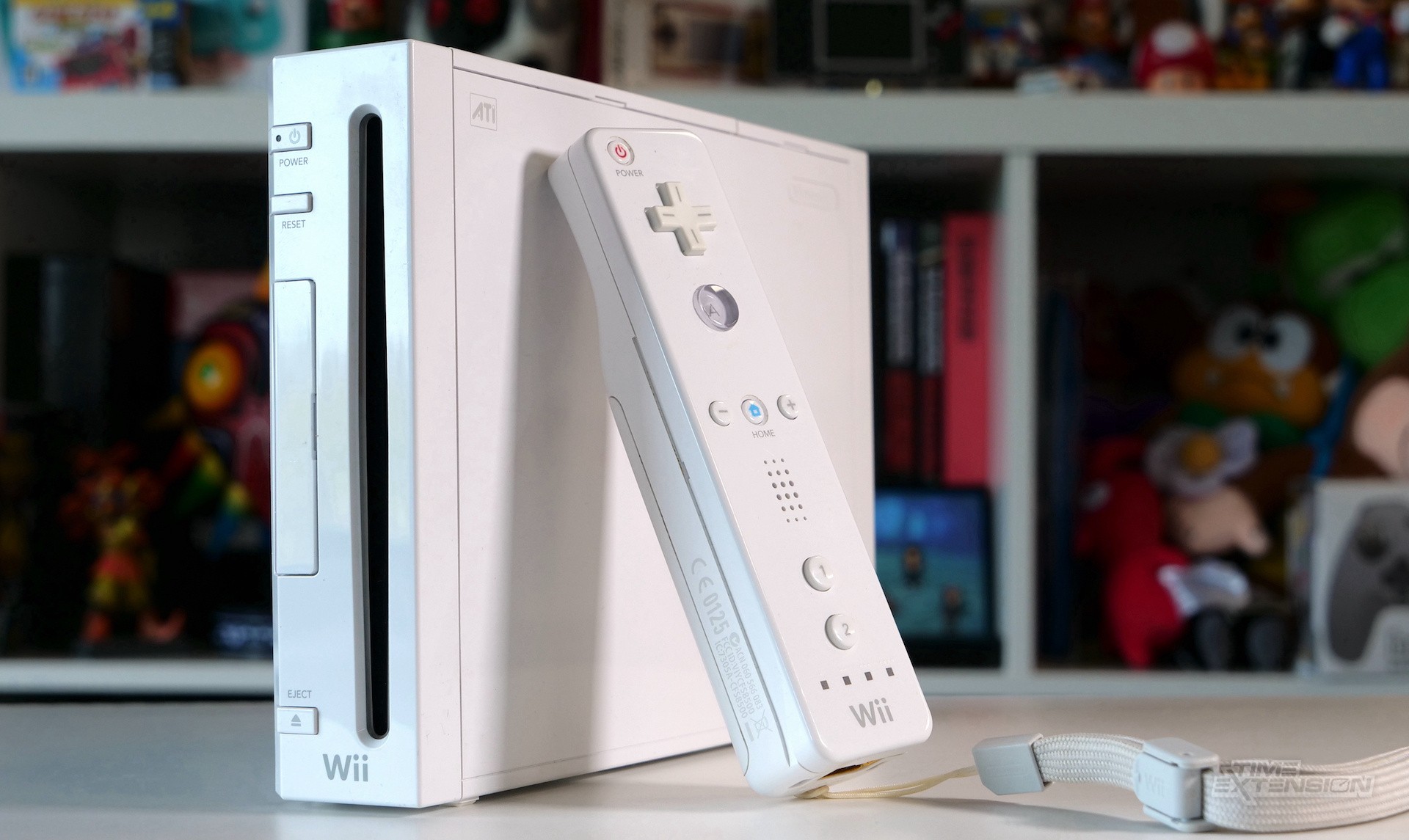
Indeed, the Wii’s commercial success was staggering. Selling over 101.63 million units worldwide, it became the seventh best-selling home console of all time, a testament to its widespread cultural penetration. Its influence extended beyond sales figures, cementing Nintendo’s reputation as an innovator and a purveyor of family-friendly entertainment. The console’s legacy is visible in subsequent motion-sensing technologies across various platforms and its enduring impact on game design philosophies focused on accessibility and unique player experiences. For RetroAchievements, honoring such a historically significant system by extending its longevity through new challenges is a natural and fitting endeavor.
Technical Feats and Community Collaboration
The technical complexity involved in adding Wii support to RetroAchievements cannot be overstated. Unlike simpler 2D retro consoles, the Wii’s unique architecture, diverse game engines, and reliance on motion controls present significant challenges for achievement development. RetroAchievements’ system operates by monitoring the memory of an emulated game. Developers identify specific memory addresses that correspond to in-game events, character states, item counts, or progression markers. They then write scripts that trigger an achievement when certain conditions are met at those memory locations.
For the Wii, this process is compounded by the intricacies of 3D environments, varied control schemes, and the need to track actions that might involve precise motion input. The collaboration with the Dolphin emulator team is crucial here, as Dolphin provides the necessary hooks and stable emulation environment for RetroAchievements to function reliably. The volunteer developers meticulously reverse-engineer game code, often spending hundreds of hours on a single title to create comprehensive and fair achievement sets. This process requires not only technical prowess but also a deep passion for the games themselves. The fact that over 180 sets were ready at launch speaks volumes about the collective effort and expertise within the RetroAchievements community.
The Evolving Definition of "Retro"
The inclusion of the Nintendo Wii also sparks an interesting discussion about the evolving definition of "retro" in the gaming world. For many who remember its launch in the mid-2000s, considering the Wii (or even the PlayStation Portable, which RetroAchievements also supports) as "retro" might feel premature. However, in the rapidly advancing landscape of technology, a console that is nearly two decades old with several successor generations already released firmly falls into the category of historical hardware. The passage of time, coupled with significant advancements in graphics, processing power, and online capabilities in modern consoles, positions the Wii as a distinct product of a bygone era.
This perception shift is critical for preservation efforts. As hardware ages and becomes more susceptible to failure, emulation becomes an increasingly vital tool for ensuring that classic games remain playable for future generations. RetroAchievements adds a layer of modern engagement to this preservation, encouraging players to delve deeper into these older titles than they might otherwise.
Broader Impact and Implications for Game Preservation
The addition of Wii support has far-reaching implications for game preservation and the broader retro gaming community.
- Enhanced Replayability: Achievements inject new life into familiar games, encouraging players to explore every nook, master every mechanic, and complete every challenge. This extends the longevity of titles that might otherwise be played once and set aside.
- Community Engagement: RetroAchievements fosters a vibrant global community of players and developers. Users can compare their progress, discuss strategies, and even contribute to the creation of new achievement sets, creating a shared experience around classic games.
- Digital Archiving: While not directly archiving game ROMs, RetroAchievements’ system effectively creates a metadata layer that documents specific in-game events and challenges. This indirectly contributes to the understanding and analysis of game design over time.
- Accessibility: By integrating with emulators, RetroAchievements makes these enhanced experiences accessible to a wider audience, often on modern hardware, without the need for original consoles or physical media.
- Recognizing Historical Significance: By developing achievements for consoles like the Wii, RetroAchievements acknowledges and celebrates the historical importance of these systems and their contributions to the gaming industry. It provides a platform for contemporary players to engage with the innovative designs of the past.
Nepiki reiterated this sentiment, stating, "the Nintendo Wii has been an incredibly important system to the history of video games, and we are proud to continue its legacy on our platform." This statement encapsulates the core mission of RetroAchievements: not just to add features, but to honor and perpetuate the rich history of video games.
Looking Ahead: The Future of RetroAchievements
With the successful integration of the Nintendo Wii, RetroAchievements continues to solidify its position as a cornerstone of the retro gaming community. The "biggest rollout ever" for the Wii sets a new benchmark for the platform and demonstrates its capability to handle increasingly complex and modern systems. The ongoing collaboration with emulator developers, the dedication of its volunteer community, and the continuous influx of new players ensure that the service will likely continue its expansion.
The success of the Wii integration might pave the way for other consoles from that era, or even slightly newer generations, to eventually receive similar treatment, further blurring the lines between "retro" and "modern" gaming experiences. As technology progresses and the definition of retro continually shifts, platforms like RetroAchievements will remain crucial in bridging the gap, allowing players to experience the classics with contemporary flair and communal engagement. The journey to conquer every mode and exploit every possibility in the vast library of Wii games has just begun for a new generation of achievement hunters.