Farhan hamdan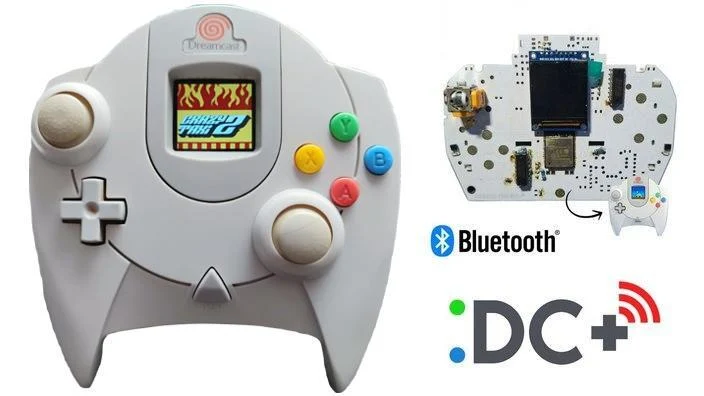
A significant development for retro gaming enthusiasts is underway as Ângelo Pontes, a dedicated Brazilian Sega fan, has officially launched a crowdfunding campaign for his innovative project, the "Dream Color Plus." This ambitious initiative aims to modernize the iconic Sega Dreamcast experience by introducing a vibrant color screen to the console’s Visual Memory Unit (VMU) port, offering an unprecedented visual upgrade and expanded functionality. Hosted on the Brazilian crowdfunding platform Catarse.me, the campaign seeks to bring this groundbreaking accessory, which also includes an option for a full, modern controller with dual analog sticks, to a global audience. Despite a modest start, having reached only 7% of its funding goal on its inaugural day, the project has two months remaining to galvanize support within the passionate retro gaming community worldwide.
The Genesis of Innovation: Revitalizing the Sega Dreamcast Legacy
The Sega Dreamcast, launched in 1998 in Japan and 1999 globally, holds a unique and revered place in video game history. As Sega’s final home console, it was lauded for its cutting-edge graphics, integrated modem for online play, and pioneering innovations that pushed the boundaries of gaming at the turn of the millennium. Among its most distinctive features was the Visual Memory Unit (VMU), a memory card that doubled as a secondary display and even a rudimentary handheld gaming device. Plugging directly into the Dreamcast controller, the VMU offered a monochrome LCD screen that displayed game-specific information, character stats, or even small, downloadable mini-games. This novel concept provided an interactive "second screen" experience long before it became a staple in modern gaming, adding a layer of immersion and utility that was ahead of its time.
However, the VMU’s monochrome display, while innovative for its era, represented a technological limitation that became more apparent with advancements in portable electronics. The screen’s low resolution and lack of color restricted its visual potential, often rendering complex animations or detailed information difficult to discern. Despite the Dreamcast’s premature discontinuation in 2001, its dedicated fanbase has remained incredibly active, fostering a thriving homebrew and modding community committed to preserving, enhancing, and even extending the console’s capabilities. This community has developed everything from HDMI output modifications to flash carts, ensuring the Dreamcast’s legacy continues to evolve.
It is within this vibrant context that Ângelo Pontes, a prominent figure among Brazilian Sega enthusiasts, conceived the Dream Color Plus. His vision was to address the VMU’s primary drawback – its monochromatic display – by integrating modern screen technology. Pontes recognized that while the VMU’s concept was brilliant, its execution could be significantly improved with contemporary hardware. The Dream Color Plus, therefore, is not merely a cosmetic upgrade but a thoughtful re-imagining of a core Dreamcast feature, designed to unlock new possibilities for both classic titles and future homebrew developments.
Dream Color Plus: A Deep Dive into Features and Functionality
The Dream Color Plus project centers around a replacement Printed Circuit Board (PCB) that is engineered to fit into the Dreamcast controller’s VMU port. This PCB, at its core, integrates a modern color screen, directly replacing the limited monochrome display of the original VMU. The immediate benefit is the ability to render existing VMU animations in full color, bringing a new dimension to visual feedback within supported games. Imagine the iconic Sonic Adventure VMU animations or character health bars now displayed with vivid hues, enhancing the immersive experience without altering the original game code.

Beyond merely displaying existing content in color, the Dream Color Plus introduces a significant expansion in functionality through an integrated SD card slot. This addition is a game-changer for the Dreamcast homebrew community. The SD card slot opens avenues for users to load custom applications, utility tools, and potentially even new mini-games specifically designed to leverage the color screen. This transforms the VMU port from a simple memory and secondary display unit into a versatile platform for community-driven innovation. Developers could create complex visualizers, interactive guides, or even entirely new experiences that integrate with Dreamcast games in novel ways, pushing the boundaries of what the console’s peripherals can achieve. The prospect of a truly dynamic and user-expandable VMU has long been a dream for many enthusiasts, and the Dream Color Plus aims to make it a reality.
At present, the Dream Color Plus boasts compatibility with 22 Sega Dreamcast games, allowing their VMU content to be displayed in color. While this initial list represents a fraction of the Dreamcast’s extensive library, Ângelo Pontes has explicitly stated that more updates and expanded compatibility are promised for the future. This suggests an ongoing development process, with the potential for community contributions and further software refinements to broaden its reach across the console’s catalog.
A particularly compelling aspect of the Dream Color Plus campaign is the tiered offering that extends beyond just the PCB. One of the higher-level pledges includes a complete, brand-new controller featuring a dual analog stick configuration. This is a significant enhancement over the original Dreamcast controller, which featured only one analog stick, limiting its adaptability for modern gaming conventions, especially in genres like first-person shooters or third-person action titles. This new controller would integrate the Dream Color Plus technology directly, positioning the color screen where the VMU would typically reside. Crucially, this advanced controller is also designed to be compatible with Android and Windows operating systems, allowing it to function as a versatile modern gamepad in addition to its primary role with the Dreamcast. This multi-platform compatibility broadens its appeal, offering a premium controller experience for PC and mobile gamers while simultaneously enhancing their retro Dreamcast sessions. This hybrid functionality speaks to a growing trend in retro gaming accessories that seek to bridge the gap between classic hardware and contemporary usability.
The Crowdfunding Journey: A Global Appeal from Brazil
The crowdfunding campaign for the Dream Color Plus is being hosted on Catarse.me, a prominent Brazilian platform. While the choice of a local platform is natural for a Brazilian developer, Ângelo Pontes has ensured that the project has a global reach by confirming "ships worldwide" for all pledge tiers. This crucial decision opens the campaign to the vast international community of Dreamcast aficionados who are always on the lookout for innovative ways to enhance their beloved console. Potential backers from outside Brazil can navigate the campaign page and support the project by clicking the distinctive green "Apoiar este projeto" (Support this project) button.
The campaign offers several pledge tiers, catering to different levels of interest and technical aptitude. The entry-level tier for the Dream Color Plus PCB alone starts at 600 Brazilian Reais (BRL), which converts to approximately $115 USD, subject to fluctuating exchange rates. This option is tailored for experienced modders and DIY enthusiasts who possess the skills to integrate the PCB into their existing Dreamcast controllers or custom shells. For those seeking a complete, ready-to-use solution, a higher-tier pledge of 900 BRL (approximately $172 USD) secures a full controller equipped with the integrated Dream Color Plus color screen and the aforementioned dual analog sticks. This tier represents a comprehensive upgrade, offering both modern control input and enhanced visual feedback in a single package.
As of its initial day, the Dream Color Plus campaign has garnered only 7% of its intended funding goal. This early stage performance is not uncommon for niche hardware projects on crowdfunding platforms, which often rely heavily on word-of-mouth, social media momentum, and coverage from specialized gaming news outlets to gain traction. The project has the distinct advantage of a two-month funding window, providing ample time for the campaign to build momentum and reach its target. Successful crowdfunding for such specialized hardware typically requires sustained marketing efforts, engagement with prominent retro gaming influencers, and clear demonstrations of the product’s capabilities to convince potential backers of its value and feasibility. The embedded YouTube video on the campaign page serves as an initial showcase, but broader promotional activities will be essential for success.

Broader Implications for Retro Gaming and Preservation
The Dream Color Plus project fits squarely within a larger, ongoing trend in the retro gaming community: the modernization and enhancement of classic consoles. From HDMI mod kits that allow vintage systems to display crisp images on modern televisions, to flash cartridges that enable vast game libraries on a single medium, and even entirely new hardware iterations like FPGA-based consoles, enthusiasts are continuously pushing the boundaries of what’s possible with beloved old systems. The Dream Color Plus represents a significant step in this evolution, particularly for peripherals. It moves beyond simple emulation or visual output upgrades to directly enhance an interactive component of the original hardware.
This initiative underscores the critical role of community-driven innovation in the preservation and ongoing relevance of retro gaming. As official support for older consoles wanes, independent developers and modders become the custodians of their legacy, breathing new life into hardware that might otherwise fade into obsolescence. Projects like the Dream Color Plus demonstrate a dedication to not just preserving the past but actively enriching it, making classic experiences more accessible and enjoyable for new generations of players and seasoned veterans alike. This balance between historical authenticity and modern convenience is a defining characteristic of the contemporary retro gaming scene.
The market for niche products like the Dream Color Plus is undeniably passionate, albeit smaller than mainstream gaming. Crowdfunding platforms like Catarse.me provide an essential avenue for these specialized projects to find their audience and secure the necessary capital for development and manufacturing. The success or failure of such campaigns can serve as a barometer for the demand within specific segments of the retro gaming community, influencing future development efforts and investment in similar projects. If successful, the Dream Color Plus could inspire further innovations for other console peripherals, potentially leading to a new wave of enhanced accessories across various retro platforms.
Challenges and Opportunities Ahead
The path to success for the Dream Color Plus campaign is not without its challenges. Foremost among them is reaching the ambitious funding goal within the allotted two-month timeframe. Generating sufficient awareness and converting interest into pledges will require a robust marketing strategy that effectively communicates the product’s unique value proposition. Manufacturing and logistics present another significant hurdle, especially for a project shipping worldwide from Brazil. Ensuring quality control, managing international shipping complexities, and navigating potential customs issues will be crucial for fulfilling pledges and maintaining backer confidence. Furthermore, the ongoing software development for broader game compatibility is a continuous commitment that will require dedicated resources and expertise. The price point, while reflective of specialized hardware development and small-batch manufacturing, may also be a consideration for some potential backers when weighed against other retro gaming accessories or emulation solutions.
Despite these challenges, the Dream Color Plus also presents considerable opportunities. It taps into an incredibly passionate and dedicated fanbase that values innovation and enhancement for their beloved Dreamcast. By setting a new standard for Dreamcast controller and VMU functionality, the project has the potential to carve out a unique position in the retro gaming market. The open-ended nature of the SD card slot offers a fertile ground for future homebrew development, potentially fostering an entirely new ecosystem of applications and mini-games for the color VMU. Success could not only validate Ângelo Pontes’ vision but also inspire other independent developers to pursue similar ambitious projects for different retro consoles, further enriching the entire retro gaming landscape.
Conclusion
The Dream Color Plus represents a compelling blend of nostalgia and cutting-edge technology, embodying the spirit of innovation that continues to thrive within the retro gaming community. By upgrading the Sega Dreamcast’s iconic Visual Memory Unit with a modern color screen and expanding its capabilities through an SD card slot, Ângelo Pontes aims to offer an enhanced experience that respects the console’s legacy while pushing its boundaries. The crowdfunding campaign on Catarse.me, with its global shipping promise and tiered options for both the PCB and a full, modernized controller, presents a unique opportunity for enthusiasts worldwide to contribute to the realization of this ambitious vision. As the two-month funding period progresses, the success of the Dream Color Plus will not only signify a triumph for one dedicated developer but also serve as a testament to the enduring power of community-driven passion in keeping the magic of retro gaming alive and continually evolving. Interested individuals are encouraged to visit the campaign page and consider supporting this exciting venture into the future of Dreamcast gaming.